How to Find and Maintain Good Gold Plated Jewelry
Learn how to identify, buy, and care for good gold plated jewelry. Discover micron thickness standards, base metals, and expert maintenance steps.

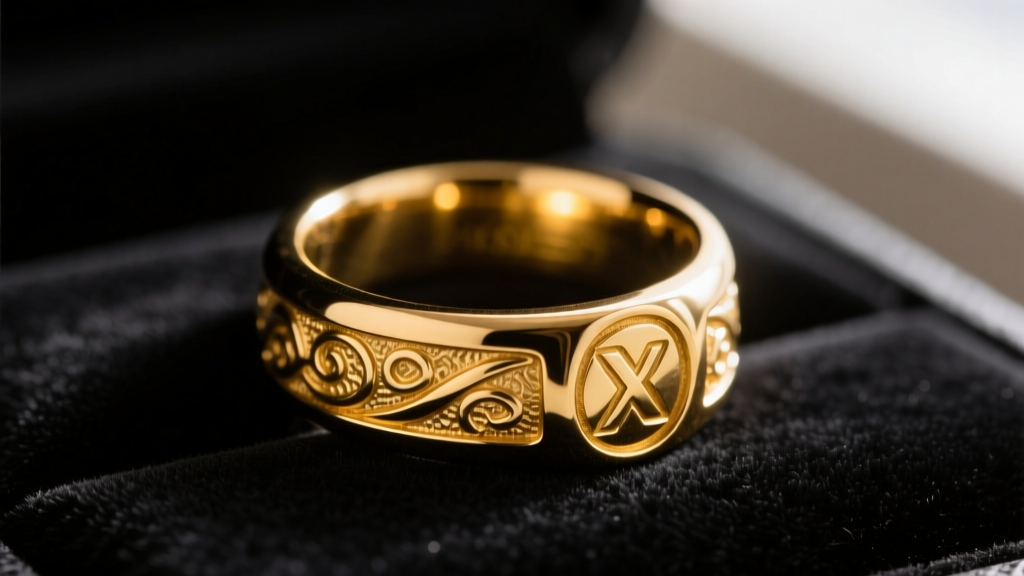
The Anatomy of the Plated Jewelry Market
The modern accessories market is saturated with misleading terminology. Brands frequently use marketing buzzwords like "gold dipped," "layered," or "gold bonded" to obscure the actual metallurgy of their products. Finding genuinely good gold plated jewelry requires looking past the aesthetic appeal and examining the structural integrity of the piece. When you understand the relationship between micron thickness, base metal reactivity, and plating techniques, you can curate a collection that lasts for years rather than weeks.
This step-by-step guide will teach you how to evaluate plated jewelry like a metallurgist, ensuring your investment retains its luster and structural integrity over time.
Step 1: Decode Micron Thickness Standards
The single most critical factor in determining the lifespan of plated jewelry is the thickness of the gold layer, measured in microns (one-thousandth of a millimeter). According to the Federal Trade Commission Jewelry Guides, there are strict legal definitions for gold plating terminology. Understanding these thresholds is your first line of defense against premature wear.
| Plating Grade | Thickness (Microns) | Expected Lifespan | Best Use Case |
|---|---|---|---|
| Flash Plated | < 0.175 µm | 1 - 3 Months | Occasional wear, low-friction earrings |
| Standard Electroplate | 0.175 - 1.0 µm | 6 - 12 Months | Pendants, stud earrings, occasional rings |
| Heavy Electroplate | 1.0 - 2.5 µm | 1 - 3 Years | Daily wear chains, bracelets, hoops |
| Vermeil / Heavy Plate | 2.5+ µm | 3 - 5+ Years | Signet rings, cuff bracelets, daily staples |
Always demand transparency from retailers. If a brand selling good gold plated jewelry cannot or will not disclose the exact micron thickness of their pieces, assume it is flash-plated and price your expectations accordingly.
Step 2: Evaluate the Base Metal Core
Gold plating is only as stable as the metal beneath it. The base metal dictates how the piece reacts to environmental factors, sweat, and friction. Here is how the three most common core metals perform:
Brass and Copper Alloys
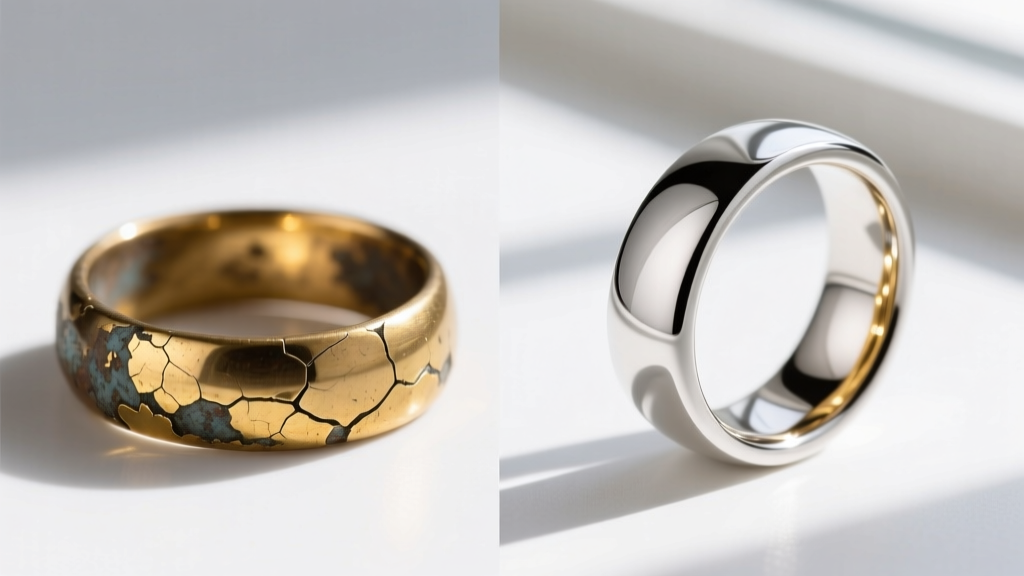
Brass is an alloy of copper and zinc. It is inexpensive and easy to cast, making it the default choice for fast-fashion jewelry. However, copper is highly reactive. When exposed to the chlorides and lactic acid in human sweat, a galvanic reaction occurs. This creates copper chloride, which manifests as the dreaded "green skin" effect. More importantly, this chemical reaction causes micro-blisters beneath the gold layer, leading to rapid peeling and flaking.
Sterling Silver (925)
When a sterling silver base is plated with at least 2.5 microns of 10k, 14k, or 18k gold, it earns the legal designation of Gold Vermeil. Silver is significantly less reactive than brass and will not turn your skin green. However, silver is prone to sulfur-based tarnishing. If the gold layer is too thin or micro-porous, silver sulfides can form beneath the plating, creating dark shadows that bleed through the gold surface over time.
316L Stainless Steel
Stainless steel has emerged as the superior base metal for modern plated jewelry. It is entirely inert, hypoallergenic, and does not outgas or react with human sebum. When paired with advanced plating techniques, a steel core provides a rigid, non-reactive foundation that virtually eliminates the risk of galvanic corrosion.
Step 3: Identify the Plating Technique
Not all gold finishes are applied equally. The Gemological Institute of America (GIA) and modern manufacturing labs recognize two primary methods for applying gold to base metals, each with distinct wear characteristics.
- Wet Electroplating: The traditional method where the base metal is submerged in an electrolyte solution containing dissolved gold ions. An electrical current bonds the gold to the surface. While effective, electroplated layers are naturally micro-porous, allowing moisture and oxygen to eventually reach the base metal.
- PVD (Physical Vapor Deposition): A high-tech vacuum chamber process where gold is vaporized and condensed onto the base metal at a molecular level. PVD plating often utilizes a titanium nitride (TiN) barrier layer beneath the gold color. This creates an incredibly dense, non-porous surface that is up to 10 times more resistant to friction and sweat than traditional wet electroplating. For rings and bracelets subjected to high mechanical wear, PVD-coated stainless steel is the gold standard.
Step 4: Implement the 3-Step Preservation Routine
Even the highest quality 3-micron vermeil or PVD-coated pieces will degrade if subjected to harsh chemicals and improper storage. To maximize the lifespan of your collection, adopt this strict maintenance protocol.
1. The Post-Wear Sebum Wipe
Human skin naturally produces sebum (oils) and excretes salts. When these dry on the surface of your jewelry, they form a microscopic abrasive layer. Every time you take off your rings or chains, wipe them down with a clean, dry, lint-free microfiber cloth. This removes the acidic salts and oils before they can etch into the gold's micro-pores.
2. Chemical Isolation
Never expose plated jewelry to chlorinated water, sulfur-rich hot springs, or household cleaning agents. Chlorine is particularly aggressive; it can dissolve the alloy metals mixed into 14k and 18k gold plating, leaving behind a brittle, discolored surface. Always remove your jewelry before swimming or using harsh sanitizers.
3. Proper Cleaning and Storage
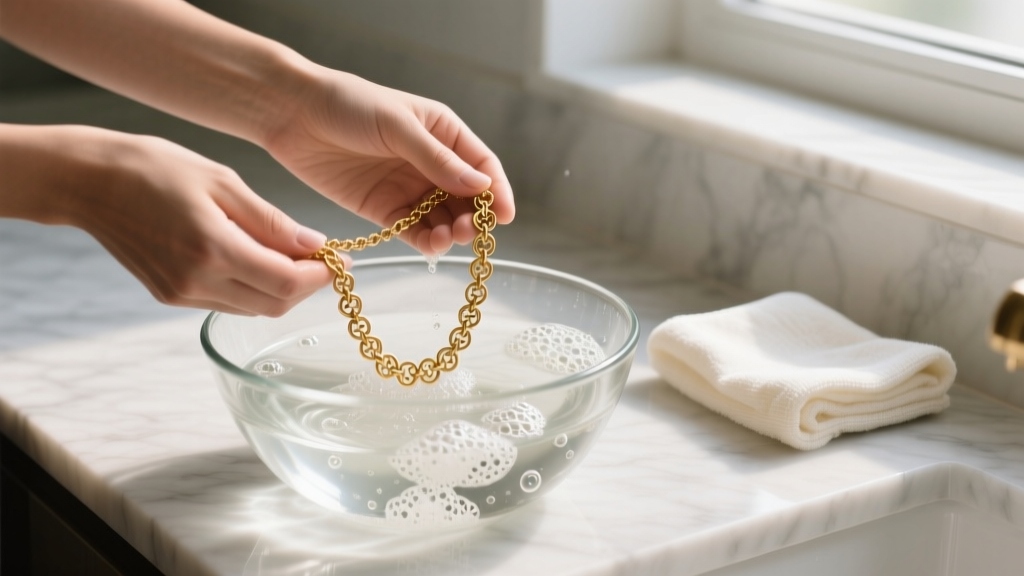
When a deeper clean is required, use a few drops of pH-neutral dish soap in lukewarm water. Gently agitate the piece with your fingers—never use a stiff bristle brush, which will introduce micro-scratches into the gold layer. Crucial Warning: Never place plated jewelry in an ultrasonic cleaner. The cavitation bubbles generated by ultrasonic waves implode with immense localized force, physically blasting thin layers of gold right off the base metal.
Store each piece individually in an airtight polyethylene bag with a 3M anti-tarnish strip to absorb ambient sulfur and moisture.
Emergency Protocol: When Plating Fails
Mechanical wear on high-friction areas (like the bottom of ring bands or the clasps of bracelets) is inevitable. If your heavy electroplated or vermeil piece begins to show the base metal, do not attempt to polish it. Polishing compounds are mildly abrasive and will only strip away more of the surrounding gold.
Instead, take the piece to a local bench jeweler for a "re-plate." The jeweler will use a mild electrolytic stripper to remove the remaining gold, polish the exposed base metal, and apply a fresh 2.5-micron layer of gold. This service typically costs between $40 and $85, effectively resetting the lifespan of your favorite piece for a fraction of the replacement cost.
Summary Checklist for Buyers
Before adding any new piece to your collection, run it through this final verification checklist to ensure you are purchasing truly good gold plated jewelry:
- Does the retailer explicitly state the micron thickness (minimum 1.0 µm for daily wear, 2.5 µm for rings)?
- Is the base metal clearly identified as Sterling Silver, Stainless Steel, or solid Brass?
- If buying a ring or bracelet, is PVD plating utilized for maximum friction resistance?
- Are you prepared to commit to the post-wear microfiber wipe and airtight storage routine?
By prioritizing metallurgical facts over marketing jargon, you can build a resilient, luxurious jewelry wardrobe that stands the test of time without the solid-gold price tag.


