Gold or Silver Jewelry: A Metallurgical Guide to Wear and Skin Chemistry
A technical deep dive into gold or silver jewelry, comparing Vickers hardness, alloy tarnish rates, and skin pH reactivity for daily wear.

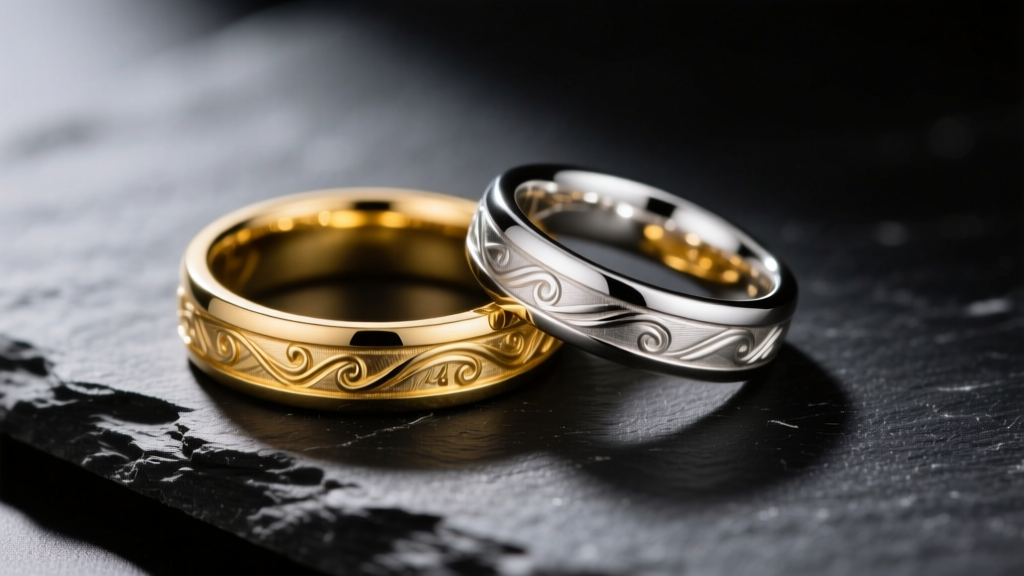
The Metallurgy of Tarnish: Silver Sulfide vs. Noble Gold
When evaluating gold or silver jewelry from a material science perspective, the conversation must move beyond aesthetics and into elemental reactivity. Pure gold (24k) is a noble metal, meaning it is highly resistant to oxidation and corrosion. However, because 24k gold is too malleable for structural jewelry (measuring a mere 25 HV on the Vickers Hardness scale), it is alloyed with other metals. Silver, conversely, is inherently reactive.
The primary failure mode for sterling silver (92.5% silver, 7.5% copper) is tarnishing. This is not a simple oxidation process but a chemical reaction with hydrogen sulfide (H2S) present in the atmosphere and human sweat. The reaction forms silver sulfide (Ag2S), a dark, dull layer on the metal's surface. According to the Gemological Institute of America (GIA), the copper alloyed in sterling silver accelerates this process, as copper is highly susceptible to atmospheric oxidation.
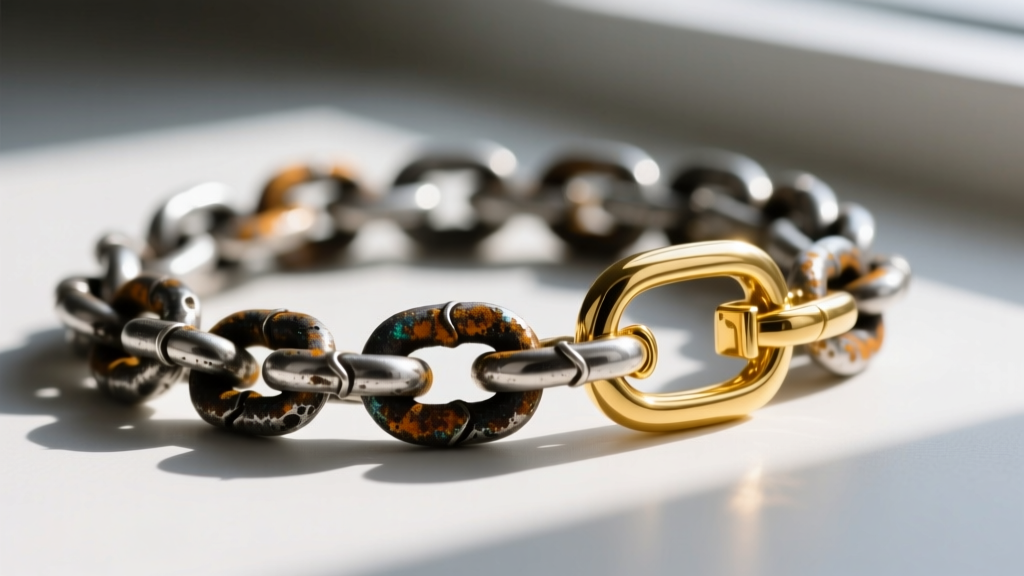
Gold alloys, particularly 18k (75% gold) and 14k (58.5% gold), resist sulfur-based tarnish. However, they are not entirely immune to degradation. The copper and zinc used to create the color and strength of 14k yellow and rose gold can react with chlorides and bromides, leading to surface discoloration over decades of continuous wear. While 14k gold requires significantly less chemical maintenance than sterling silver, it is the specific alloy composition—not just the karatage—that dictates its long-term stability.
Vickers Hardness (HV) and Structural Integrity
Durability in jewelry is frequently misunderstood as a binary concept. In metallurgy, we measure durability through Vickers Hardness (HV), which dictates a metal's resistance to scratching, and tensile strength, which dictates its resistance to bending and deformation. When deciding between gold or silver jewelry for high-impact items like rings and bracelets, these metrics are critical.
| Metal / Alloy | Vickers Hardness (HV) | Yield Strength (MPa) | Primary Wear Vulnerability |
|---|---|---|---|
| 925 Sterling Silver | 60 - 70 HV | ~150 MPa | Deep scratching, bending, shank thinning |
| 18k Yellow Gold | 110 - 130 HV | ~250 MPa | Moderate scratching, prong wear |
| 14k Yellow Gold | 140 - 160 HV | ~350 MPa | Surface scuffing, alloy oxidation |
| 14k White Gold (Ni/Pd) | 160 - 190 HV | ~400 MPa | Rhodium plating loss, brittle fracture |
As the data illustrates, 14k gold is structurally superior to sterling silver for daily wear. A sterling silver ring shank will lose microns of thickness to friction and abrasion much faster than a 14k gold shank. The World Gold Council notes that the specific work-hardening properties of gold-copper-silver alloys allow 14k gold to withstand decades of mechanical stress without suffering the catastrophic deformation often seen in softer silver pieces.
Dermatological Interactions: Skin pH and Alloy Reactivity
A highly technical, often overlooked factor in jewelry selection is the interaction between metal alloys and individual skin chemistry. Human sweat is a complex electrolyte solution containing sodium chloride, urea, lactic acid, and ammonia, typically resting at an acidic pH of 4.5 to 5.5. This environment acts as a catalyst for galvanic reactions and metal ion release.
The Copper Chloride Effect
The infamous "green skin" phenomenon is not an indicator of fake jewelry, but rather a predictable chemical reaction. Both sterling silver and rose gold rely heavily on copper for their structural integrity and color. When copper is exposed to the chlorides and acids in human sweat, it oxidizes to form copper chloride and copper carbonate. These compounds are easily transferred to the epidermis, leaving a green residue. Individuals with highly acidic sweat or those who consume high-sodium diets will experience this reaction more frequently with sterling silver and 14k rose gold.
Nickel Sensitization and White Gold
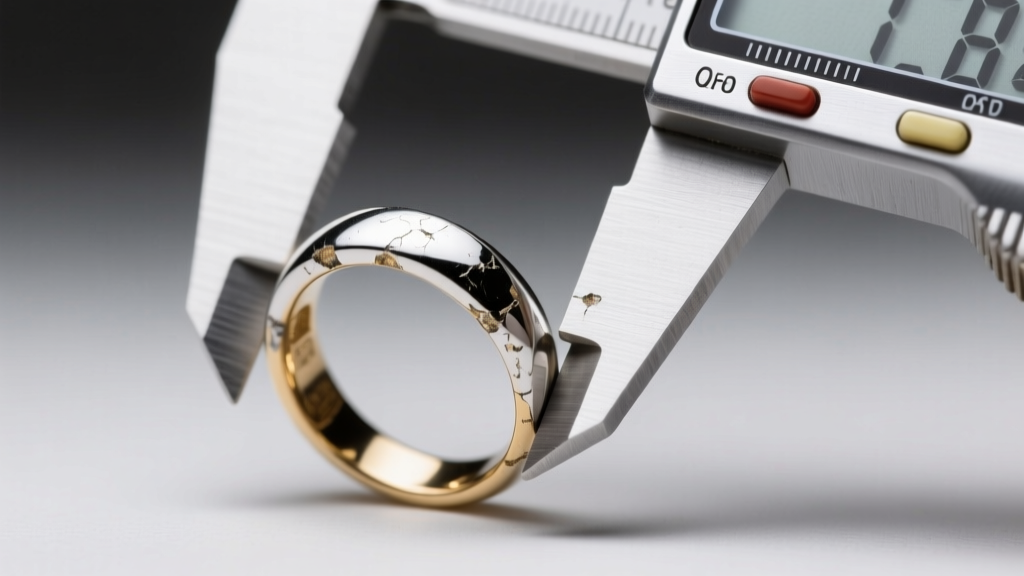
White gold presents a different dermatological challenge. To achieve a silvery-white color, gold is alloyed with bleaching agents like nickel, palladium, or manganese. Nickel is a potent contact allergen. According to research published by the National Center for Biotechnology Information (NCBI), nickel allergy affects approximately 10-15% of the population, presenting as allergic contact dermatitis. To mitigate this, the jewelry industry rhodium-plates white gold. However, as the rhodium layer (typically 0.1 to 0.5 microns thick) wears away through friction, the underlying nickel-bearing alloy is exposed to the skin, triggering localized immune responses.
Advanced Alternatives: Argentium and Palladium
For consumers seeking the aesthetic of traditional metals but requiring superior metallurgical performance, modern material science offers specific upgrades.
- Argentium Silver: This patented alloy replaces a portion of the traditional copper content with germanium. The germanium migrates to the surface and forms a transparent, self-healing layer of germanium dioxide. This makes Argentium highly resistant to silver sulfide tarnish and significantly reduces the copper-driven green skin reaction, all while maintaining the 92.5% silver purity standard.
- Palladium White Gold: By utilizing palladium instead of nickel as the bleaching agent, jewelers can create white gold alloys that are entirely hypoallergenic. While palladium white gold is more expensive and requires higher melting temperatures to cast, it eliminates the risk of contact dermatitis and possesses a naturally whiter base color, requiring less frequent rhodium replating.
Decision Matrix for Material Selection
Selecting between gold or silver jewelry should be dictated by a structured assessment of the wearer's lifestyle, skin chemistry, and maintenance tolerance. Use the following framework to make an evidence-based decision:
Choose Sterling Silver (or Argentium) if: The piece is intended for occasional wear, budget constraints are primary, and the wearer does not possess highly acidic skin chemistry that accelerates copper oxidation.
Choose 14k Yellow or Rose Gold if: The piece is intended for continuous, 24/7 daily wear (such as a wedding band). The higher Vickers hardness and lower copper-to-gold ratio provide the optimal balance of scratch resistance and structural longevity.
Choose 18k Palladium White Gold if: The wearer requires a white metal aesthetic for a high-wear item, has a known nickel allergy, and wishes to minimize the long-term maintenance costs associated with annual rhodium replating.
Ultimately, understanding the metallurgical realities of jewelry transforms the purchasing process from a purely visual exercise into an investment in material science. By prioritizing alloy composition, hardness metrics, and dermatological compatibility, you ensure that the pieces you wear are engineered to withstand the rigors of both time and human biology.


