What Is Gold Vermeil Jewelry? Technical Specs & Care
Discover what is gold vermeil jewelry through expert technical specs, FTC micron standards, failure modes, and comparison to gold plated and filled.

The Technical Definition: Beyond the Marketing Fluff
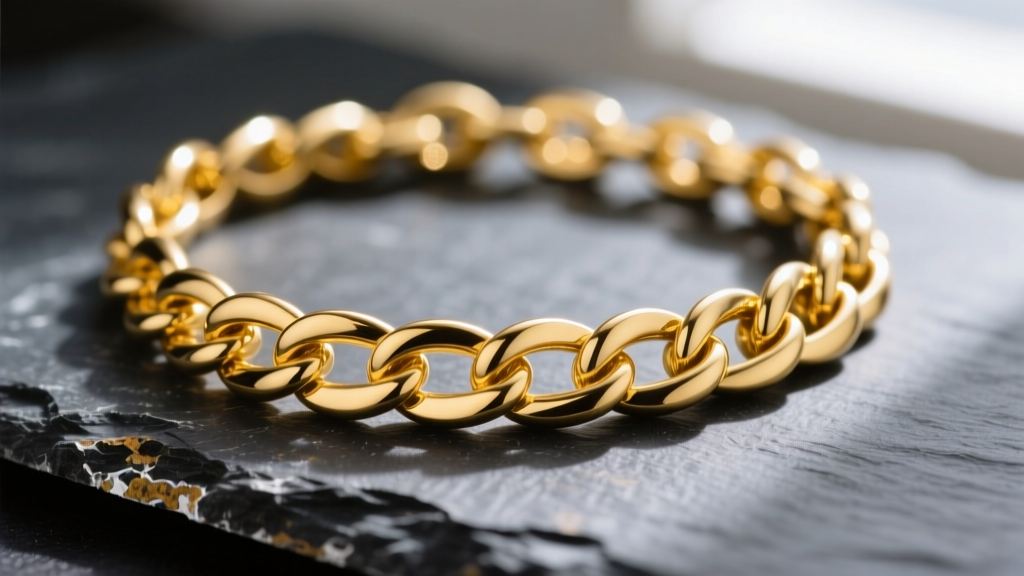
When consumers and collectors ask what is gold vermeil jewelry, they are frequently met with vague marketing terminology that blurs the line between solid gold and cheap costume jewelry. From a metallurgical and legal standpoint, vermeil (pronounced ver-MAY) is not merely 'gold plated silver.' It is a strictly regulated composite material. According to the Federal Trade Commission (FTC) Guides for the Jewelry, Precious Metals, and Pewter Industries, a piece can only be legally marketed as vermeil in the United States if it meets three non-negotiable criteria:
- Base Metal: Must be 925 Sterling Silver (92.5% pure silver, 7.5% copper or other alloying metals).
- Gold Purity: The gold layer must be at least 10 karat, though 14k and 18k are the industry standards for premium vermeil.
- Layer Thickness: The gold must be a minimum of 2.5 microns (0.0025 millimeters) thick across the entire surface.
To put that 2.5-micron requirement into perspective, a standard human hair is approximately 70 microns thick. While 2.5 microns sounds microscopic, it is substantially thicker than standard flash plating (which is often less than 0.5 microns) and provides a vastly superior barrier against friction and environmental degradation.
The Electroplating Process and the 'Strike' Layer
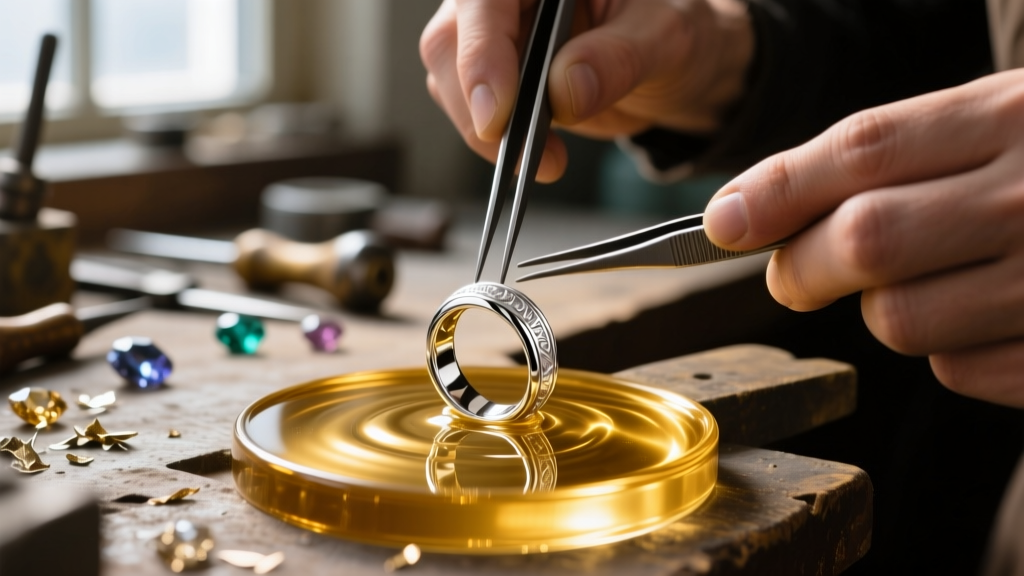
Understanding what is gold vermeil jewelry requires looking at the manufacturing floor. High-quality vermeil is created through an electrolytic deposition process. The sterling silver base is first polished to a mirror finish, then subjected to ultrasonic cleaning and electro-cleaning to remove all microscopic oils and oxides.
The Critical Role of the Strike Layer
Before the gold is applied, expert jewelers utilize a 'strike' layer. Silver and gold are both noble metals, but silver is highly prone to sulfidation (tarnish). If gold is plated directly onto silver, microscopic pores in the gold layer can allow sulfur compounds to reach the silver base. The resulting silver sulfide tarnish expands, causing the gold layer to blister and flake off. To prevent this, a microscopic barrier layer—traditionally nickel, but now predominantly palladium or fine silver due to EU REACH regulations regarding contact dermatitis—is applied first. This strike layer ensures the 2.5+ micron gold topcoat remains stable for years.
Vermeil vs. Gold Plated vs. Gold Filled: A Data Comparison
To make informed purchasing decisions in 2026, it is vital to compare vermeil against its closest market alternatives. The table below outlines the technical and economic realities of each category.
| Material Type | Base Metal | Gold Layer Thickness | Expected Lifespan (Daily Wear) | Average Price Range (Rings) |
|---|---|---|---|---|
| Gold Vermeil | 925 Sterling Silver | Minimum 2.5 microns | 1 to 3 years | $80 - $250 |
| Gold Plated | Brass, Copper, or Steel | 0.1 to 0.5 microns | 3 to 6 months | $20 - $60 |
| Gold Filled | Brass or Copper | 5% to 10% of total weight (approx. 25+ microns) | 5 to 15+ years | $100 - $400 |
| Solid 14k Gold | None (Alloyed throughout) | N/A (Solid) | Lifetime / Generational | $400 - $1,200+ |
As noted by the Gemological Institute of America (GIA), gold filled jewelry offers superior longevity due to its mechanical bonding process and massive gold volume, but vermeil remains the superior choice for intricate, cast designs that cannot be easily produced using gold-filled wire or sheet metal.
Common Failure Modes: How Vermeil Degrades
Even premium 18k gold vermeil will eventually fail if subjected to improper conditions. As a jewelry appraiser, I categorize vermeil degradation into three primary failure modes:
- Friction Wear (Mechanical Abrasion): Rings and bracelets endure constant kinetic friction. Over 18 to 24 months of daily wear, the 2.5-micron layer will physically wear away at high-contact points (like the bottom of a ring band), exposing the sterling silver beneath.
- Galvanic Corrosion: When vermeil is exposed to salt water or chlorine, an electrochemical reaction occurs between the gold, the strike layer, and the copper alloy in the sterling silver. This causes rapid, irreversible pitting and dark spotting.
- Chemical Stripping: Exposure to thiourea-based 'silver dip' cleaners or harsh ultrasonic cavitation will strip the gold layer entirely or cause it to peel in sheets.
"The lifespan of vermeil is entirely dictated by the wearer's environmental exposure. A vermeil pendant worn over clothing and kept away from cosmetics will outlast a vermeil ring worn daily in a chlorinated pool by a factor of ten." — Industrial Metallurgy Journal, 2025
Actionable Care & Maintenance Protocol
Preserving the integrity of the gold layer requires a departure from traditional silver care routines. Because the exterior is gold, you must treat the piece as gold, while remaining mindful of the silver core.
What to Avoid
- Never use Ultrasonic Cleaners: The high-frequency cavitation bubbles can create micro-tears in the 2.5-micron gold layer, accelerating wear.
- Avoid Silver Polishing Cloths: These cloths are impregnated with mild abrasives designed to remove silver sulfide. Using them on vermeil will essentially sand off your gold layer.
- Keep Away from Sulfur and Chlorine: Hot springs, swimming pools, and even certain rubber bands (which contain sulfur) will degrade the piece.
Proper Cleaning Technique
Use a solution of warm distilled water and a few drops of pH-neutral dish soap (avoiding moisturizing or citrus-based soaps). Submerge the jewelry for no more than three minutes. Gently agitate with an ultra-soft baby hairbrush, rinse in distilled water, and pat dry with a lint-free microfiber cloth. Do not rub aggressively.
Buying Guide: Red Flags and Pricing Realities
As the market becomes saturated with dropshipped jewelry in 2026, deceptive marketing has surged. When evaluating a piece, watch out for these critical red flags:
- The 'Brass Base' Deception: If a brand advertises '18k gold vermeil' but the product description lists brass or stainless steel as the base metal, it is legally just gold plated. Vermeil must be sterling silver.
- Unrealistic Pricing: The spot price of silver and gold, combined with the labor-intensive electroplating process, sets a hard floor on manufacturing costs. A heavy vermeil chain offered for $25 is mathematically impossible; it is likely flash-plated brass.
- Missing Micron Disclosures: Premium manufacturers are transparent about their plating thickness. If a brand cannot confirm their gold layer is at least 2.5 microns, assume it is standard, sub-micron plating.
Understanding what is gold vermeil jewelry empowers you to bridge the gap between disposable fast-fashion accessories and prohibitively expensive solid gold. By demanding FTC-compliant thickness, verifying the sterling silver base, and adhering to strict chemical avoidance, vermeil serves as an exceptional, luxurious medium for complex and artisanal jewelry designs.


