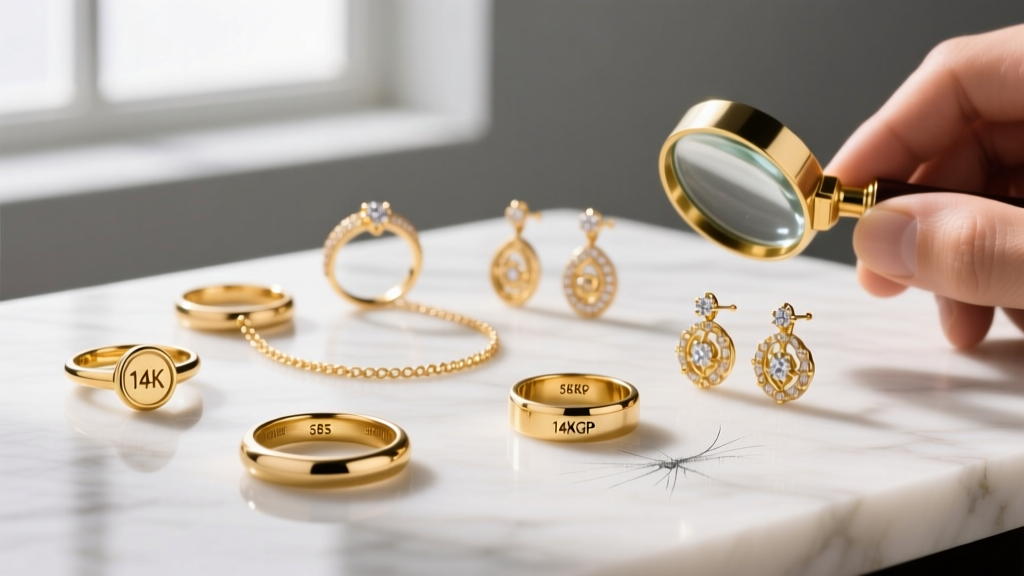
Green and Gold Jewelry: A Beginner's Guide to Gems & Karats
Discover how to choose, style, and care for green and gold jewelry. Learn which green gemstones pair best with yellow, white, or rose gold karats.

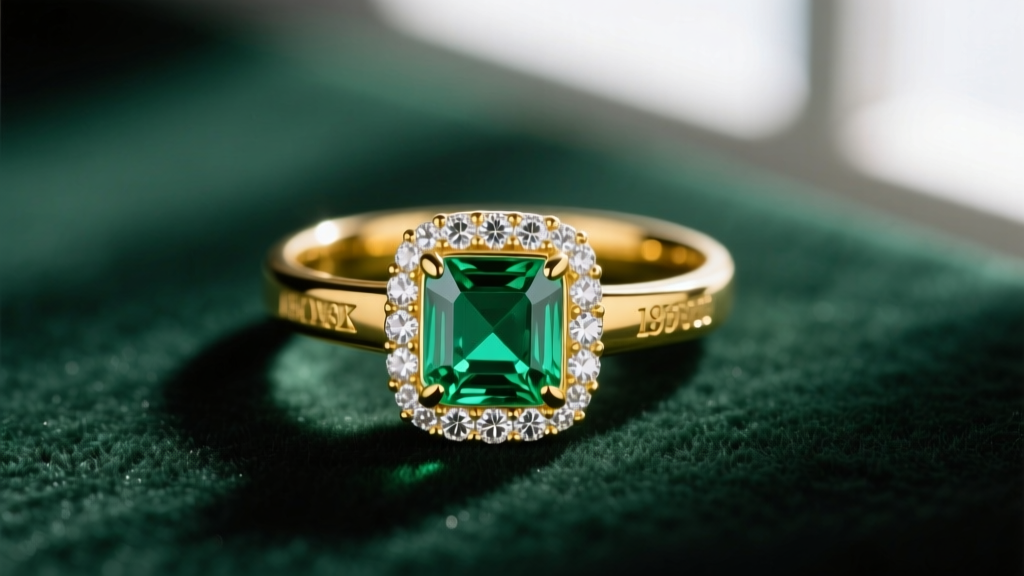
The combination of green gemstones and gold metal is one of the most historically significant and visually striking pairings in fine jewelry. From the lavish emerald and 22k gold adornments of ancient Egyptian royalty to the sleek, modern tsavorite and 18k white gold rings seen on 2026 red carpets, this color palette evokes nature, luxury, and vitality. However, for beginners, navigating the world of green and gold jewelry can be overwhelming. Not all green stones have the same durability, and not all gold karats complement every shade of green.
This comprehensive guide will break down the exact gemstone species, gold alloys, setting styles, and maintenance routines you need to know before investing in your first piece of green and gold jewelry.
The Timeless Appeal of Green and Gold
Color theory plays a massive role in jewelry design. Green and gold sit adjacent to each other on the warm side of the color wheel, making them analogous colors that naturally harmonize. The warmth of yellow gold amplifies the earthy, organic undertones of green gemstones, while white gold provides a crisp, high-contrast backdrop that makes cool, minty greens pop. Understanding this interplay is the first step in curating a collection that looks intentional and expertly styled.
The Best Green Gemstones for Gold Settings
When shopping for green and gold jewelry, you will encounter several distinct gemstones. Each has unique optical properties, hardness levels, and price points.
1. Emerald: The Classic Luxury Choice
Emerald is the most famous green beryl, colored by trace amounts of chromium and vanadium. According to the Gemological Institute of America (GIA), emeralds almost always contain visible inclusions, known in the trade as 'jardin' (French for garden). While emeralds rank a 7.5 to 8 on the Mohs hardness scale, their internal inclusions make them surprisingly brittle. Colombian emeralds typically exhibit a warm, pure green that looks breathtaking in 18k yellow gold, while Zambian emeralds often have a cooler, bluish-green hue that pairs beautifully with 14k white gold.
2. Tsavorite Garnet: The Brilliant Alternative
For those who want a vibrant green stone without the fragility and high price tag of an emerald, tsavorite garnet is the ultimate insider choice. Discovered in the Tsavo region of East Africa, tsavorite boasts a higher refractive index than emerald, giving it exceptional brilliance and fire. Crucially, tsavorite is never oiled or treated, meaning it is far more durable for everyday wear in gold rings and bracelets. It thrives in 14k or 18k yellow gold, which enhances its vivid, electric green saturation.
3. Peridot: The Affordable Everyday Green
Peridot is one of the few gemstones that occurs in only one color: a distinct yellowish-green or olive-green. Ranking at 6.5 to 7 on the Mohs scale, it is softer than emerald and tsavorite, making it prone to scratching if worn carelessly. However, its high birefringence creates a unique 'doubling' effect visible under magnification. Peridot is exceptionally affordable, often costing between $50 and $200 per carat, making it an excellent entry-level stone for large, statement-making 14k rose gold cocktail rings.
4. Jade and Chrysoprase: The Opaque Beauties
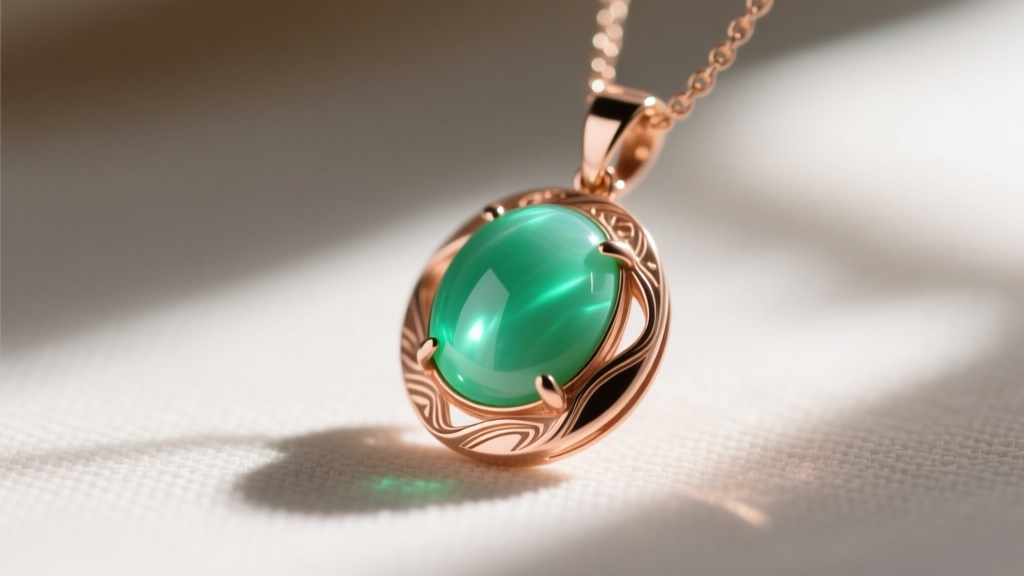
Unlike transparent faceted gems, jade (both jadeite and nephrite) and chrysoprase are opaque, cabochon-cut stones. Jadeite, particularly the highly prized 'Imperial Green' variety, is incredibly tough due to its interlocking crystalline structure. Chrysoprase, a nickel-bearing chalcedony, offers a bright, apple-green color. Both stones look remarkably elegant when bezel-set in matte or hammered 18k yellow gold, creating an artisanal, vintage-inspired aesthetic.
Comparing Green Gemstones: Hardness, Price, and Gold Pairing
To make an informed purchase, it is essential to compare the physical properties and market values of these stones. The table below provides a quick-reference framework for beginners.
| Gemstone | Mohs Hardness | Toughness | Avg. Price per Carat | Ideal Gold Pairing |
|---|---|---|---|---|
| Emerald | 7.5 - 8.0 | Poor (Brittle) | $1,500 - $10,000+ | 18k Yellow Gold |
| Tsavorite | 7.0 - 7.5 | Good | $800 - $3,000 | 14k or 18k Yellow Gold |
| Peridot | 6.5 - 7.0 | Fair | $50 - $200 | 14k Rose or Yellow Gold |
| Jadeite | 6.5 - 7.0 | Exceptional | $100 - $3,000+ | 18k Yellow Gold (Cabochon) |
| Chrysoprase | 6.5 - 7.0 | Good | $30 - $100 | 14k Yellow or Rose Gold |
Matching Gold Karats and Colors to Your Green Stone
The metal you choose is just as important as the gemstone. Gold purity, measured in karats, dictates both the color intensity and the structural integrity of the jewelry.
- 18k Yellow Gold (75% Pure Gold): This is the premier choice for high-end green and gold jewelry. The rich, buttery yellow hue of 18k gold perfectly complements the deep, saturated greens of emerald and jade. However, 18k gold is softer than 14k, meaning prongs may require more frequent tightening by a jeweler.
- 14k Yellow Gold (58.5% Pure Gold): Offering a slightly paler yellow tone, 14k gold is significantly more durable. It is the recommended choice for everyday green gemstone rings, such as peridot or tsavorite, where the metal will endure frequent impacts.
- 14k White Gold: White gold is alloyed with nickel or palladium and plated with rhodium to achieve a bright silver color. This cool metal tone creates a striking, modern contrast against cool-toned green stones like Zambian emeralds or mint green tourmaline. Be aware that as the rhodium plating wears off over time, the slightly yellowish underlying alloy may become visible, which can clash with certain green hues until the piece is replated.
- 14k Rose Gold: The copper content in rose gold gives it a pinkish warmth. While unconventional, rose gold pairs beautifully with the yellowish-green undertones of peridot and chrysoprase, creating a romantic, vintage aesthetic that is highly sought after in 2026 bridal and fashion jewelry.
Setting Styles That Protect Softer Green Gems
Because many green gemstones are either brittle or prone to scratching, the setting style is a critical factor in the longevity of your jewelry. A beautiful stone is useless if it chips within a month of wear.
The Bezel Setting
For cabochon jade, chrysoprase, or heavily included emeralds, a full bezel setting is mandatory. A bezel involves wrapping a continuous rim of gold entirely around the girdle (edge) of the stone. This protects the most vulnerable points of the gem from lateral impacts. A 1.5mm to 2.0mm wide 14k gold bezel wire provides optimal security without completely hiding the stone's profile.
The Halo Setting
If you prefer the classic look of prongs, opt for a halo setting. By surrounding the central green gemstone with a border of smaller, harder diamonds (Mohs 10), the diamonds act as a physical bumper shield. Furthermore, the diamond halo reflects light back into the green stone, enhancing its perceived color saturation.
V-Prongs for Emeralds
If you are purchasing an emerald cut (rectangular) or pear-shaped green stone, ensure the jeweler uses V-prongs at the sharp corners. Standard rounded prongs leave the acute angles of the gemstone exposed, and a single bump against a granite countertop can cleave an emerald in half.
Essential Care Rules for Green and Gold Pieces
Proper maintenance ensures your green and gold jewelry retains its brilliance for generations. The most common mistake beginners make is treating all gemstones like diamonds.
Critical Warning: Never place an emerald, jade, or opal in an ultrasonic jewelry cleaner. The high-frequency vibrations can shatter included emeralds, and the heat can melt the cedar oil or Opticon resin used to fill surface-reaching fissures in the stone, leaving it cloudy and fractured.
Instead, follow this safe cleaning protocol for all green and gold jewelry:
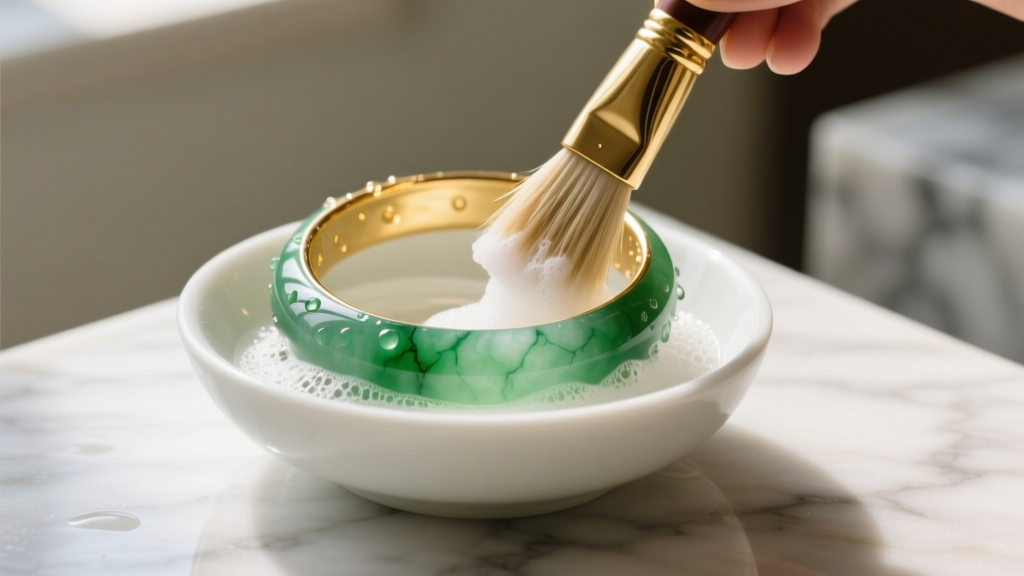
- Fill a small ceramic bowl with lukewarm water and a few drops of mild, phosphate-free dish soap.
- Submerge the jewelry for 5 to 10 minutes to loosen oils and lotions.
- Use a baby-soft toothbrush to gently sweep the back of the gemstone (the pavilion), where dirt accumulates and blocks light.
- Rinse under a gentle stream of lukewarm water, ensuring the drain is securely plugged.
- Pat dry with a lint-free microfiber cloth. Avoid air-drying, as hard water spots can dull the polish of the gold.
Final Thoughts on Building Your Collection
Investing in green and gold jewelry is a rewarding endeavor that bridges the gap between historical elegance and contemporary style. By understanding the specific durability traits of stones like emerald and tsavorite, selecting the appropriate gold karat for your lifestyle, and adhering to strict, non-ultrasonic cleaning methods, you will ensure your pieces remain vibrant and intact. Whether you are drawn to the electric sparkle of a tsavorite in 18k yellow gold or the serene, opaque beauty of a jade cabochon in a hammered bezel, the right knowledge transforms a simple purchase into a lifelong heirloom.
For further reading on gemstone identification and grading, consult the American Gem Society (AGS) and the GIA Gem Encyclopedia to verify the origins and treatments of any green stone before you buy.