Is Coach Jewelry Real Gold? A Value & Material Breakdown
Wondering if Coach jewelry is real gold? We break down the metals, plating thickness, pricing, and true value of Coach's gold-tone pieces.

The Short Answer: What Metal is Coach Jewelry?
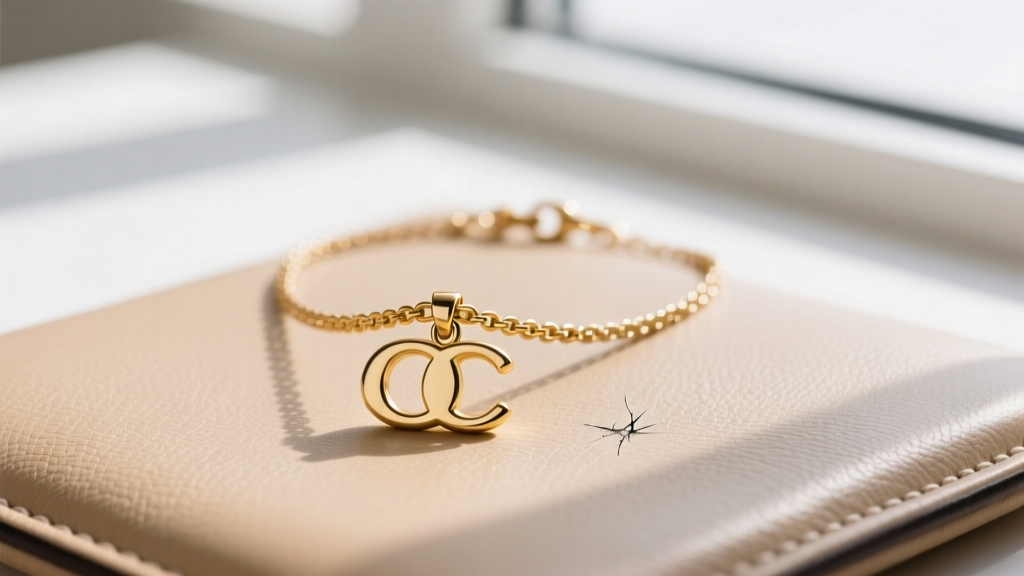
If you are asking, 'is Coach jewelry real gold?', the short answer is almost always no. The vast majority of Coach's gold-toned jewelry collection is not made of solid gold. Instead, it is primarily crafted from base metals—most commonly brass or stainless steel—that have been coated with a thin layer of gold plating. While Coach is a highly respected heritage brand known for its exceptional leather goods and canvas accessories, its jewelry line operates in the 'fashion' or 'costume' jewelry category rather than the fine jewelry sector.
When you purchase a gold Coach necklace, bracelet, or pair of earrings, you are paying for the brand's iconic design language, the recognizable Signature C hardware, and the retail experience. You are not paying for the intrinsic melt value of precious metals. Understanding this distinction is critical for assessing your budget and determining whether a Coach piece aligns with your long-term value expectations in 2026.
Material Breakdown: Gold-Plated Brass vs. Vermeil vs. Solid
To truly evaluate the value of Coach jewelry, we must look at the metallurgy. According to the Federal Trade Commission (FTC) Jewelry Guides, the terminology used to describe gold jewelry is strictly regulated. Here is how Coach's materials stack up against industry standards:
1. Gold-Plated Brass (The Coach Standard)
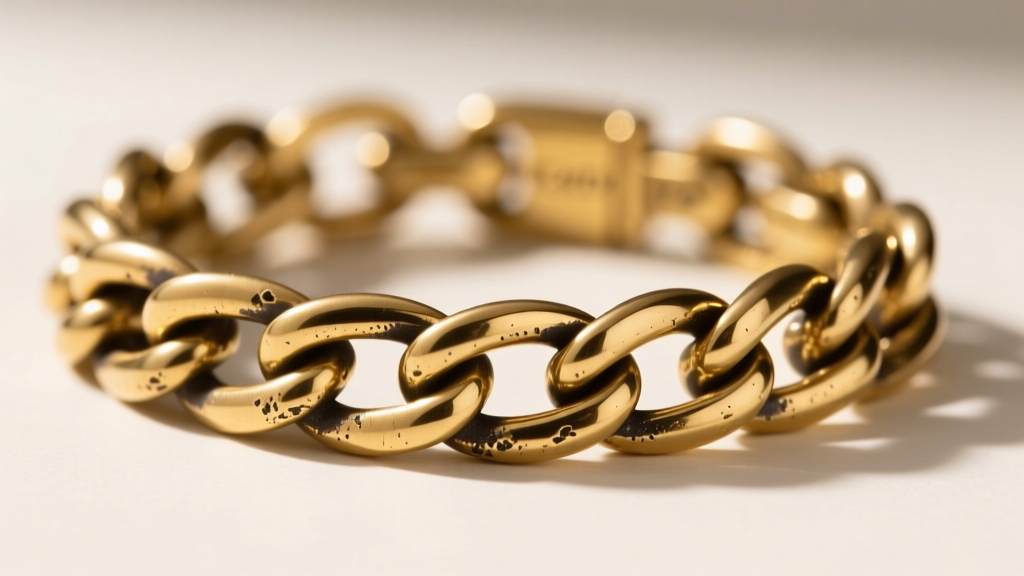
Most Coach gold jewelry features a brass or zinc-alloy base that undergoes 'flash plating.' Flash plating involves an electrochemical process that deposits a microscopic layer of gold—typically less than 0.5 microns thick—onto the base metal. This provides the brilliant, warm luster of gold when new, but the layer is incredibly thin. Because brass contains copper, once the gold plating wears away, the underlying copper will oxidize when exposed to the salts and acids in human sweat, leading to the dreaded green skin effect.
2. Gold Vermeil (Rarely Used by Coach)
Vermeil requires a sterling silver base metal and a gold plating thickness of at least 2.5 microns. While some premium fashion brands utilize vermeil to offer a higher-quality alternative to brass plating, Coach rarely uses sterling silver as a base for its gold-toned fashion pieces. If a Coach item is silver-toned, it is usually rhodium-plated brass or stainless steel, not solid sterling silver.
3. Solid Gold (The Exception, Not the Rule)
It is exceedingly rare to find solid 10k or 14k gold in modern Coach boutiques. In the 1980s and 1990s, Coach did produce limited runs of solid 14k gold accessories, but these are only found on the vintage secondary market. As the Gemological Institute of America (GIA) notes, solid gold alloys (like 14k or 585) are mixed with metals like copper and zinc for durability, but they retain a permanent intrinsic value that gold-plated brass simply lacks.
The True Cost: Price vs. Intrinsic Value
When conducting a budget and value assessment, we must separate retail price from intrinsic value. In 2026, a standard Coach gold-plated Signature C pendant necklace retails between $95 and $150. A chunky gold-plated chain bracelet can range from $150 to $250.
From a purely financial perspective, the intrinsic melt value of these pieces is effectively zero. The gold layer is so thin that it cannot be refined or recovered for profit. Contrast this with a solid 14k gold chain of similar weight, which would retain at least 50% to 70% of its purchase price on the secondary market based on the daily spot price of gold.
| Feature | Coach Gold-Plated Jewelry | Budget 14k Solid Gold (e.g., Quince, Mejuri) |
|---|---|---|
| Retail Price Range | $75 - $250 | $120 - $350 |
| Base Metal | Brass / Stainless Steel | Solid 14k Gold Alloy |
| Plating Thickness | < 0.5 microns (Flash) | N/A (Solid throughout) |
| Water/Sweat Safe | No (Will tarnish/fade) | Yes (Safe for daily wear) |
| Resale Value (2026) | 10% - 20% of retail | 50% - 80% of retail (melt + brand) |
| Hallmark Stamps | 'COACH' or 'C' | '14k', '585', or '10k' |
Durability and Tarnish: What to Expect Over Time
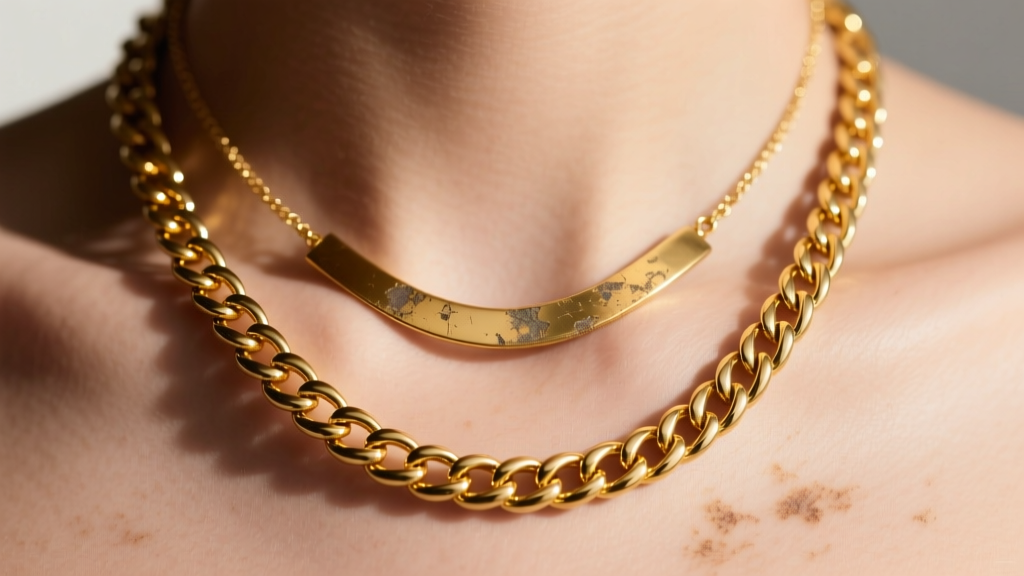
The most significant failure mode of gold-plated brass jewelry is plating degradation. If you wear a Coach gold-plated necklace daily, the friction from your clothing, combined with the natural pH of your skin, will wear through the 0.5-micron gold layer in approximately three to six months. Once the brass is exposed, it will tarnish rapidly, turning dull brown or green.
Furthermore, you cannot polish gold-plated jewelry with traditional jewelry cloths. Polishing compounds are mildly abrasive; rubbing a gold-plated Coach piece will literally strip the remaining gold off the surface. To extend the life of fashion jewelry, you must adhere to strict care protocols: apply perfumes and lotions before putting the jewelry on, remove it before showering or exercising, and store it in an airtight anti-tarnish bag when not in use.
Better Alternatives in the $100–$300 Budget Range
If your primary goal is to acquire real gold that will last a lifetime without breaking the bank, the 2026 direct-to-consumer jewelry market offers incredible value. You can easily bypass the 'brand tax' of heritage fashion houses and purchase solid 14k gold for the same price as Coach's plated brass.
Where to Buy Solid 14k Gold on a Budget
- Quince: Known for radical transparency, Quince offers solid 14k gold cable chains and small hoop earrings starting around $90 to $130. Their supply chain cuts out traditional retail markups, allowing you to get real gold for the price of Coach fashion jewelry.
- Mejuri: While Mejuri does sell some gold vermeil, their solid 14k gold collection is extensive. Their classic solid gold huggie hoops and delicate pendants generally range from $150 to $250, sitting squarely in the Coach price bracket but offering permanent durability.
- Catbird: Based in Brooklyn, Catbird uses recycled 14k solid gold. Their 'Sweet Nothing' threadbare chains start around $140. The craftsmanship is superior to mass-produced fashion jewelry, and the gold will never flake or turn your skin green.
How to Test Your Coach Jewelry at Home
If you have inherited or thrifted a piece of Coach jewelry and want to verify if it is a rare solid gold vintage piece, look closely at the hallmark stamps. Use a jeweler's loupe or your smartphone's macro camera to inspect the clasp or the back of the pendant.
Expert Tip: If the piece is stamped 'COACH' and '14k' or '585', it may be a vintage solid gold piece from the 1980s. However, be highly suspicious of these stamps on modern-looking pieces, as counterfeiters frequently stamp fake gold jewelry with luxury brand names and fake purity marks. A professional acid test or XRF (X-ray fluorescence) scan at a local jeweler is the only 100% accurate way to verify the metal composition.
Additionally, perform a magnet test. Solid gold is entirely non-magnetic. If your Coach necklace clasp or chain is strongly attracted to a neodymium magnet, it contains a ferrous base metal like steel or iron, confirming it is not solid gold. (Note: Brass is also non-magnetic, so passing the magnet test does not guarantee solid gold, but failing it guarantees it is not).
Final Verdict: Should You Buy Coach Gold Jewelry?
Is Coach jewelry real gold? No. But does that mean it is entirely devoid of value? That depends entirely on your purchasing motives. If you are buying a Coach gold-tone bangle or necklace because you love the iconic aesthetic, the heavy, substantial feel of their brass hardware, and the brand prestige, it is a perfectly valid fashion purchase. Coach designs are timeless, and their pieces elevate a casual outfit effortlessly.
However, if you are evaluating your purchase from a strict Budget & Value Assessment perspective, Coach jewelry falls short. Paying $150 for a brass chain with microscopic gold plating is a poor financial decision when that exact same budget can secure a genuine, solid 14k gold chain from a transparent modern jeweler. For heirloom longevity, intrinsic value retention, and everyday waterproof durability, skip the fashion plating and invest your budget into solid gold alternatives.


