Is Gold Filled Jewelry Real? 2026 Trend & Style Analysis
Discover if gold filled jewelry is real gold. We analyze 2026 demi-fine trends, FTC standards, 14k vs 18k differences, and expert styling tips.

The Short Answer: Is Gold Filled Jewelry Real Gold?
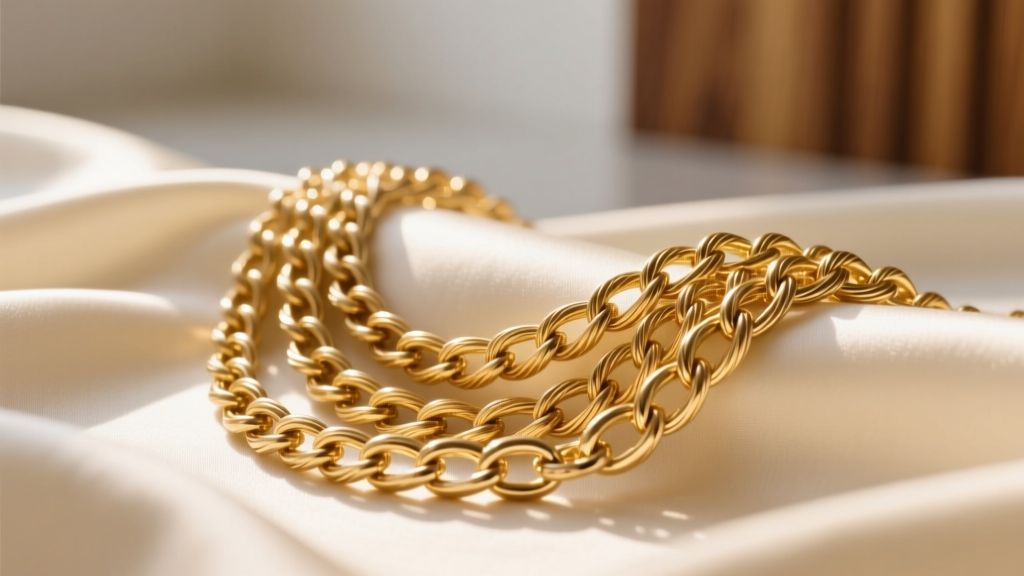
When navigating the modern jewelry market, the most common question we encounter from style-conscious buyers is: is gold filled jewelry real? The short answer is yes, but with critical caveats regarding its construction. Unlike gold-plated pieces that rely on a microscopic flash of gold applied via electroplating, gold filled jewelry consists of a thick, outer layer of solid gold that is mechanically bonded to a base metal core (usually jeweler's brass) using extreme heat and pressure.
According to the Federal Trade Commission (FTC), for an item to be legally stamped and sold as 'gold filled' in the United States, the gold layer must constitute at least 1/20th (or 5%) of the total weight of the item. This means a gold filled piece contains roughly 100 times more gold than a standard gold-plated piece. It is real gold on the exterior, offering the exact same color, luster, and hypoallergenic properties as solid gold, but at a fraction of the cost due to the brass interior.
The 2026 Style Shift: Why Gold Filled is Dominating
In 2026, the jewelry industry has fully embraced the 'demi-fine' category, bridging the gap between disposable fast-fashion accessories and high-end luxury. Gold filled jewelry is at the epicenter of this movement. As consumers pivot toward sustainable, long-lasting wardrobe staples, the 'quiet luxury' aesthetic demands pieces that look and feel substantial without the $3,000 price tag of a solid 14k gold chain.
Stylists are heavily favoring gold filled pieces for everyday layering. The 2026 'neck mess' trend relies on mixing varying chain textures—such as 2.5mm paperclip chains, 4mm rope chains, and 3mm herringbone styles—in lengths ranging from 16 to 22 inches. Because gold filled chains are significantly more affordable than their solid counterparts, collectors can build a robust, multi-layered capsule collection for under $400, whereas the same setup in solid 14k gold would easily exceed $2,500.
The Mixed-Metal and Two-Tone Movement
Another major 2026 trend is the intentional mixing of gold filled pieces with sterling silver. The contrast between warm 14k gold filled links and cool oxidized silver creates a vintage, curated look. Because gold filled components do not flake or rub off onto adjacent metals, they are perfectly suited for mixed-metal charm bracelets and multi-chain layering sets.

14K vs. 18K Gold Filled: A Trend Forecaster’s Breakdown
When shopping, you will typically encounter 14k and 18k gold filled options. The choice between the two impacts both the visual aesthetic and the structural longevity of the piece. Below is a detailed comparison to help you align your purchase with current style trends and durability needs.
| Feature | 14K Gold Filled | 18K Gold Filled |
|---|---|---|
| Gold Purity | 58.3% Pure Gold | 75% Pure Gold |
| Color Profile | Subtle, slightly paler yellow; highly versatile | Rich, deep, buttery yellow; luxurious 'high-karat' look |
| Durability | Excellent; the alloy mix makes the outer layer highly scratch-resistant | Very Good; slightly softer due to higher pure gold content |
| 2026 Trend Use | Everyday essentials, chunky chains, minimalist studs | Statement hoops, signet rings, vintage-inspired lockets |
| Price Range (Chain) | $45 - $120 | $70 - $180 |
For everyday wearers who never take their jewelry off, 14k gold filled remains the industry standard for durability. However, for those chasing the opulent, deep-yellow hue popularized by Middle Eastern and South Asian jewelry aesthetics, 18k gold filled is the superior stylistic choice.
Spotting the Fakes: Gold Filled vs. Plated vs. Vermeil
Understanding the terminology is crucial for making informed purchasing decisions. Many brands use misleading marketing terms to inflate the perceived value of their products. Here is how to troubleshoot and identify what you are actually buying:
- Gold Filled (GF): Must be stamped '1/20 14K GF' or similar. The gold is mechanically bonded. Lifespan: 10 to 30 years with proper care. It will not flake.
- Gold Vermeil: A thick layer of gold (minimum 2.5 microns) electroplated over a sterling silver base. Lifespan: 3 to 5 years. If it wears through, the silver beneath is valuable and hypoallergenic.
- Gold Plated: A microscopic layer of gold (often less than 0.5 microns) over brass or copper. Lifespan: 6 months to 2 years. Prone to rapid tarnishing and 'green skin' reactions.
- Gold PVD Coated: Titanium nitride is used to create a gold color via physical vapor deposition. Extremely durable and waterproof, but it is not real gold and lacks the authentic luster and warmth of the real metal.
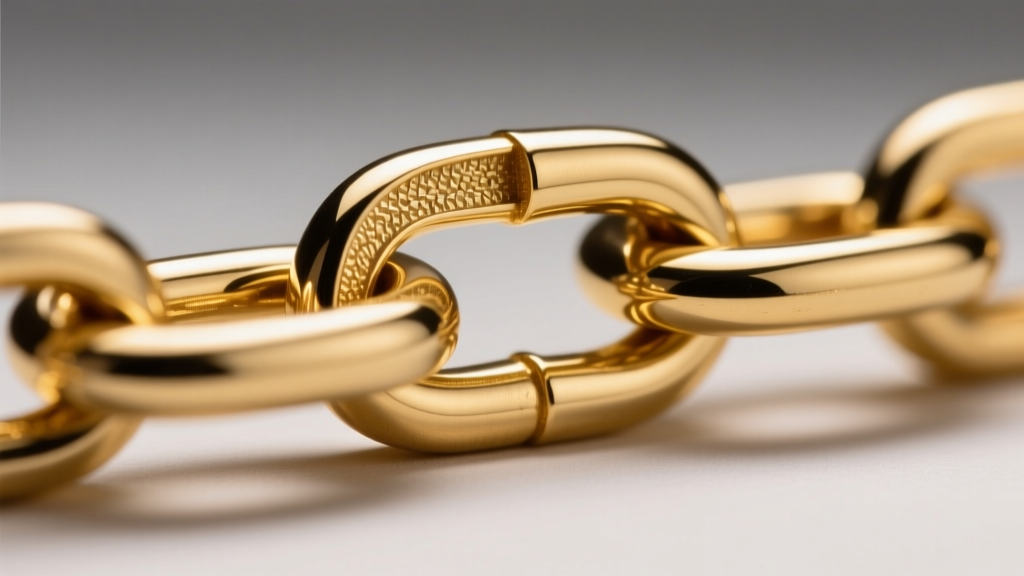
Always inspect the clasp or the inside of a ring band for the '1/20' hallmark. If a piece is simply stamped '14K' without the 'GF' or '1/20' designation, but is priced under $100 for a heavy chain, it is likely gold plated or PVD coated, not gold filled. For a deeper understanding of gold purity and alloy compositions, the Gemological Institute of America (GIA) provides comprehensive educational resources on how karatage affects both color and structural integrity.
Care Protocols to Maximize Your 2026 Investment
While gold filled jewelry is highly durable, the brass core is its Achilles heel. If the outer gold layer is deeply scratched or compromised, the exposed brass can oxidize. To ensure your demi-fine pieces last for decades, adhere to these strict care protocols:
- Avoid Chlorine and Saltwater: Chlorine (found in pools and hot tubs) causes a chemical reaction that can permanently darken the gold layer and degrade the mechanical bond. Never wear gold filled jewelry while swimming.
- Skip the Ultrasonic Cleaners: The high-frequency vibrations of ultrasonic jewelry cleaners can cause the gold layer to delaminate or peel away from the brass core, especially on older or lower-quality pieces.
- Use pH-Neutral Cleansers: Clean your pieces using warm water and a few drops of mild, phosphate-free dish soap (like Dawn). Gently scrub with a baby-soft toothbrush to remove sebum and lotion buildup from the chain links.
- Store in Anti-Tarnish Pouches: Even though the gold exterior doesn't tarnish, storing your pieces in airtight, anti-tarnish cloth bags prevents moisture from reaching the microscopic seams at the clasps and jump rings where the brass core might be exposed.
By understanding the mechanical reality of gold filled jewelry, you can confidently invest in pieces that align with 2026's sustainable, high-style trends without compromising on quality or authenticity.


