Is Gold Plated Jewelry Good? Expert Care & Cleaning Guide
Is gold plated jewelry good? Discover expert cleaning, maintenance, and care tips to prevent fading and extend the lifespan of your plated pieces.

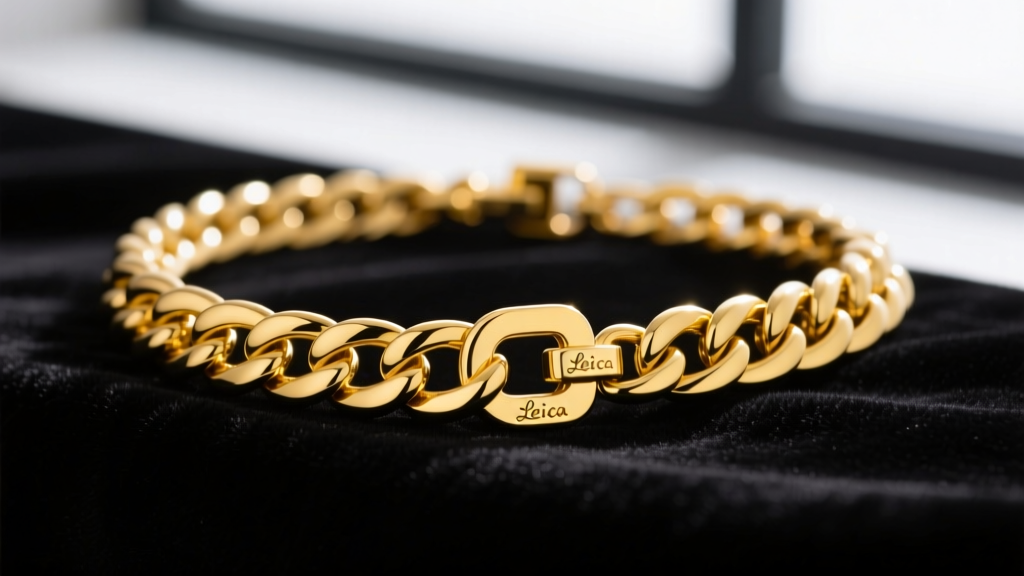
The Truth About Gold Plating: Is Gold Plated Jewelry Good?
When browsing affordable luxury accessories, a common question inevitably arises: is gold plated jewelry good? The honest answer is that its quality and longevity are entirely dependent on two factors—the manufacturing specifications and your personal maintenance habits. Unlike solid 14k or 18k gold, which is an alloy mixed throughout, gold-plated jewelry consists of a base metal coated with a microscopically thin layer of real gold via an electrochemical process.
If you treat gold-plated pieces exactly like solid gold, you will be disappointed when the finish inevitably rubs off, revealing the base metal beneath. However, if you understand the material science behind the plating and adopt a meticulous care routine, gold-plated jewelry can remain vibrant, beautiful, and highly wearable for years. In this comprehensive guide, we break down the exact micron standards, the chemical enemies of gold plating, and the professional cleaning protocols required to protect your investment.
Understanding Micron Thickness and Base Metals
To determine if a specific piece of gold-plated jewelry is 'good,' you must first look at its micron thickness and its base metal. The Gemological Institute of America (GIA) notes that the durability of plated jewelry is directly proportional to the thickness of the gold layer applied during electroplating.
Furthermore, the base metal dictates how the piece reacts to your skin's natural chemistry. Brass and copper bases are inexpensive but highly reactive; when the gold layer wears thin, the copper oxidizes and turns your skin green. Stainless steel and sterling silver (known as gold vermeil) are vastly superior, hypoallergenic base metals that provide a stable foundation for the gold layer.
| Plating Classification | Micron Thickness | Estimated Lifespan (With Care) | Best Base Metal Pairing |
|---|---|---|---|
| Flash Plated / Gold Washed | 0.175 microns or less | 3 to 6 months | Stainless Steel |
| Standard Gold Plated | 0.5 to 1.0 microns | 1 to 2 years | Brass or Nickel-Free Alloy |
| Heavy Gold Electroplate | 2.5+ microns | 3 to 5+ years | Sterling Silver (Vermeil) |
According to the Federal Trade Commission (FTC) Jewelry Guides, an item must have a minimum thickness of 0.175 microns (7/1,000,000th of an inch) to be legally marketed as 'gold plated.' Anything less must be labeled as 'gold flashed' or 'gold washed.' For everyday wear, always seek out heavy gold electroplate (2.5 microns or higher) over a sterling silver base.
The Daily Wear Rules: What Destroys Gold Plating?
Gold itself is a noble metal and does not tarnish. Therefore, when your gold-plated jewelry loses its luster or changes color, you are actually witnessing the degradation of the plating layer or the oxidation of the exposed base metal. To preserve the gold layer, you must avoid the following environmental and chemical hazards:
- Friction and Abrasion: Rings and bracelets endure constant friction against desks, keyboards, and clothing. Over time, this mechanical wear physically sands away the micron-thin gold layer. Remove plated rings before typing, lifting weights, or doing manual labor.
- Skin Acids and Sweat: Human sweat has a pH level ranging from 4 to 6, making it mildly acidic. Prolonged exposure to sweat accelerates the breakdown of the electrochemical bond between the gold and the base metal. Always remove plated jewelry before exercising.
- Cosmetics and Fragrances: Lotions, perfumes, and hairsprays contain alcohols and emulsifiers that can strip the gold finish. The golden rule of jewelry wear is 'last on, first off'—put your jewelry on after your cosmetics have fully dried, and take it off immediately upon returning home.
- Chlorine and Sulfur: Swimming pools (chlorine) and hot springs (sulfur) are highly corrosive. Chlorine can cause the base metals to become brittle and the gold layer to flake off entirely.
Step-by-Step Cleaning Protocol for Plated Jewelry
Cleaning gold-plated jewelry requires a delicate touch. You must remove oils and dirt without abrading the fragile gold surface. Never use ultrasonic cleaners; the cavitation bubbles created by high-frequency sound waves will violently strip the plating from the base metal.
What You Need
- Lukewarm distilled water (tap water contains trace minerals that can leave hard water spots)
- pH-neutral liquid dish soap (avoid soaps with added moisturizers or harsh degreasers)
- Ultra-soft baby toothbrush or a 100% cotton swab
- Untreated microfiber or 100% cotton flannel cloth
The Gentle Wash Method
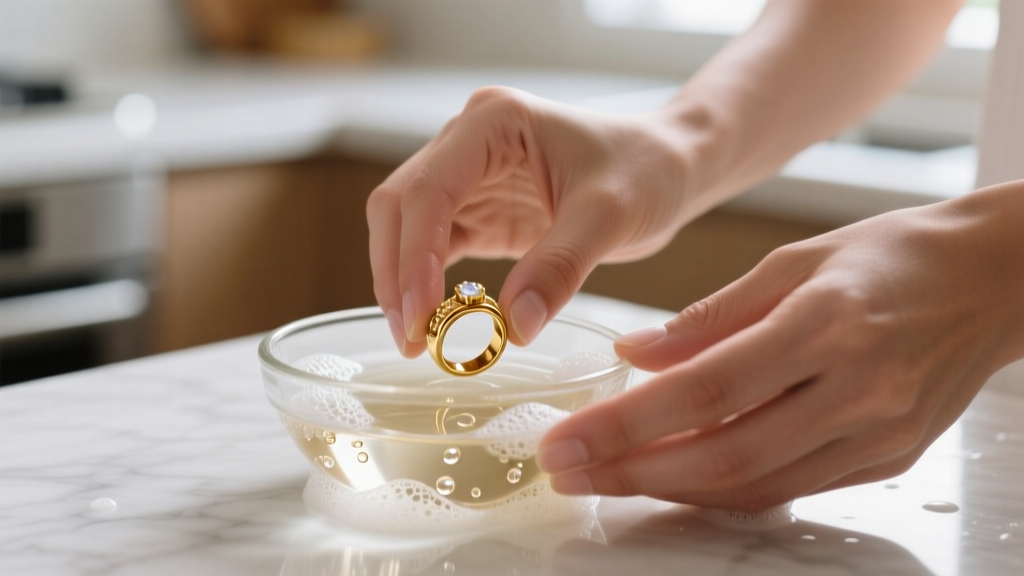
- Prepare the Solution: Mix two drops of pH-neutral dish soap into a small glass bowl of lukewarm distilled water. Avoid hot water, as extreme temperature shifts can cause the base metal to expand and contract, cracking the gold layer.
- Soak Briefly: Submerge the jewelry for no more than 3 to 5 minutes. This loosens body oils and cosmetic residue without giving water time to seep into microscopic pores in the plating.
- Agitate Gently: Use the ultra-soft baby toothbrush to lightly sweep away dirt from crevices and gemstone settings. Do not scrub the flat surfaces of the gold; let the soapy water do the lifting.
- Rinse: Rinse the piece under a gentle stream of lukewarm distilled water to remove all soap residue.
Drying and Polishing
Never air-dry gold-plated jewelry, as water spots can etch into the finish over time. Immediately pat the piece dry with an untreated microfiber cloth. Crucially, never use commercial silver polishing cloths on gold-plated items. These cloths are impregnated with micro-abrasives like jeweler's rouge or silica, which are designed to remove tarnish from solid silver but will act like sandpaper on a 1-micron gold layer, scrubbing it away instantly.
Advanced Maintenance: Storage and Replating
How you store your jewelry when it is not on your body is just as critical as how you clean it. Exposure to ambient humidity and airborne sulfur compounds will cause the base metals to oxidize, which can push through the gold layer and cause discoloration.
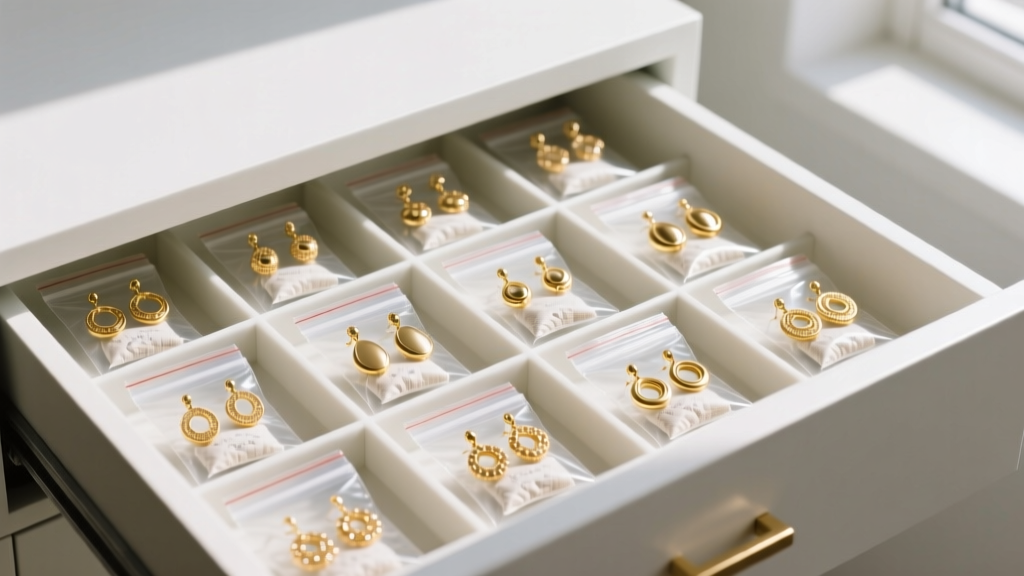
Store each piece individually in a small, airtight ziplock bag to prevent pieces from scratching one another. Drop a small silica gel desiccant packet into each bag to control moisture levels. For an extra layer of protection, place 3M Anti-Tarnish strips in your jewelry drawer or safe; these strips absorb corrosive sulfur gases from the air before they can reach your metals.
When to Consider Replating
Even with immaculate care, high-friction items like gold-plated rings and bracelets will eventually wear down to the base metal. When this happens, you do not need to throw the piece away. Most local jewelers offer electroplating services. Replating a standard ring or pendant typically costs between $50 and $150, depending on the complexity of the piece and the karat of gold used for the new layer. This is a highly cost-effective way to restore vintage or sentimental plated jewelry to its original glory.
Final Verdict: Making Plated Jewelry Worth Your Investment
So, is gold plated jewelry good? Yes, provided you manage your expectations and commit to a strict maintenance routine. It is an excellent, budget-friendly alternative to solid gold, allowing you to wear trendy, statement-making designs without the massive financial outlay. By understanding micron thickness, avoiding harsh chemicals, utilizing the gentle wash method, and storing your pieces in anti-tarnish environments, you can easily extend the life of your gold-plated collection from a few fleeting months to several brilliant years.


