How to Choose and Use the Best Jewelry Gold Cleaner Safely
Learn how to safely use a jewelry gold cleaner on 14k, 18k, and plated pieces. Step-by-step guide to restoring shine without damaging soft metals or gems.

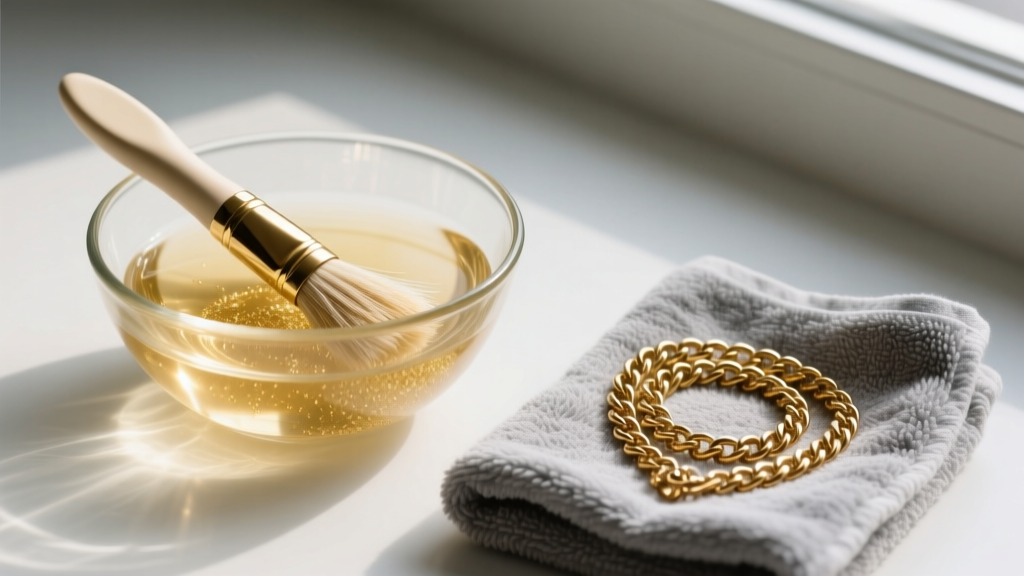
As vintage and mixed-metal gold pieces continue to dominate the market in 2026, maintaining their luster requires more than a quick wipe with a shirt tail. Whether you are caring for an heirloom 18k yellow gold signet ring or a modern 14k gold vermeil chain, selecting the correct jewelry gold cleaner is critical to preserving both the metal's integrity and the structural security of any set gemstones. This comprehensive guide breaks down the chemistry of gold tarnish, provides a step-by-step cleaning protocol, and outlines the exact scenarios where commercial cleaners can cause irreversible damage.
The Chemistry of Gold Tarnish and Why Cleaners Matter
Pure 24k gold is a noble metal, meaning it does not react with oxygen or sulfur in the environment and will never tarnish. However, because 24k gold is too soft for daily wear, it is alloyed with metals like copper, silver, zinc, and nickel to create 10k, 14k, and 18k gold. It is these secondary alloys that oxidize and react with environmental sulfur, lotions, and human sebum, creating the dull, dark film we recognize as tarnish.
A high-quality jewelry gold cleaner is specifically formulated to break down these sulfur bonds and lift organic oils without stripping the underlying metal. Harsh, abrasive, or highly acidic cleaners can cause microscopic pitting in the alloy metals, leading to a porous surface that actually attracts dirt faster over time. According to the Gemological Institute of America (GIA), understanding your gold's karat and alloy composition is the first step in selecting a safe chemical agent.
Matching Your Jewelry Gold Cleaner to the Metal Type
Not all gold jewelry is created equal. The thickness of the gold layer and the base metal beneath it dictate which cleaning solutions are safe. Refer to the table below before submerging any piece in a commercial or DIY jewelry gold cleaner.
| Gold Type | Composition | Safe Cleaner Type | Max Soak Time |
|---|---|---|---|
| Solid Gold (10k-24k) | Gold alloyed throughout | Ammonia-based or mild surfactant | 15-20 minutes |
| Gold Filled | Thick outer layer of gold (5%+ by weight) bonded to brass | Mild non-ionic surfactant | 5-10 minutes |
| Gold Vermeil | Minimum 2.5 microns of gold over sterling silver | Mild non-ionic surfactant (Ammonia-free) | 1-2 minutes |
| Gold Plated (Flash) | Microscopic layer of gold over base metal (brass/copper) | Damp cloth only; no soaking | 0 minutes (No soaking) |
Step-by-Step: Cleaning Solid Gold (14k and 18k)
For solid gold pieces without porous gemstones, a systematic approach ensures the removal of trapped grime in prongs and undergallery settings without bending delicate metalwork.
Step 1: Preparation and Solution Mixing
While commercial liquid cleaners (like those from Hagerty or Connoisseurs) are effective, a DIY mild surfactant is often safer for frequent use. Mix two drops of phosphate-free, non-ultra dish soap (which lacks harsh degreasers that can dry out certain stone treatments) into one cup of distilled water heated to exactly 90°F (32°C). Distilled water prevents hard water mineral deposits from spotting the gold.
Step 2: The Soak and Agitation
Place your jewelry in a small glass strainer and submerge it in the solution. Allow it to soak for 10 to 15 minutes. This loosens the sebum and dead skin cells trapped beneath the gemstone settings. Remove the strainer and use a soft, natural horsehair brush to gently agitate the metal. Avoid synthetic bristles or hard toothbrushes, which can leave micro-scratches on high-polish 18k gold surfaces.
Step 3: Rinsing and Drying Protocols
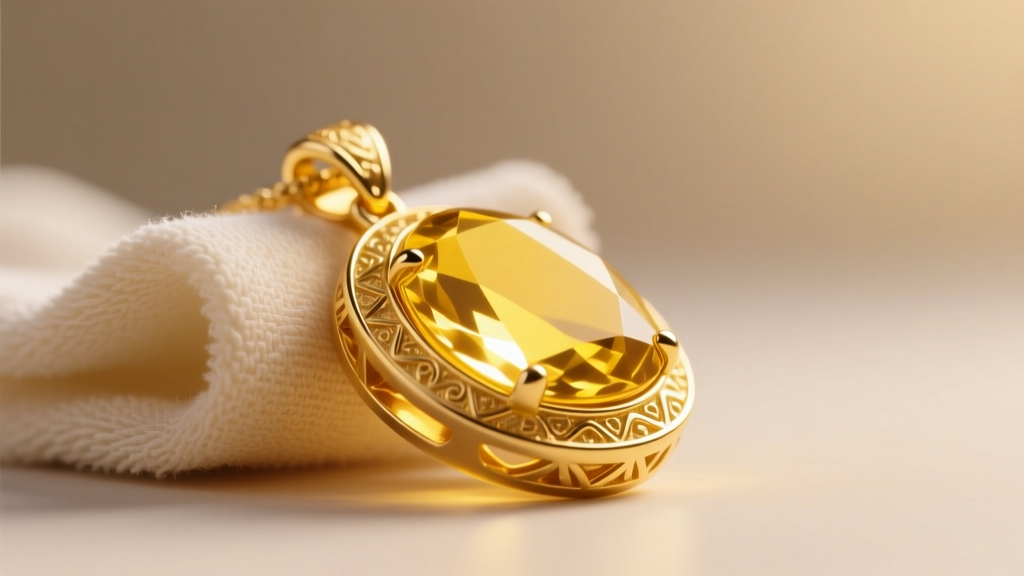
Rinse the jewelry under a gentle stream of lukewarm distilled water. Do not use the sink drain directly; always use a strainer basket to prevent accidental loss. Pat dry with a lint-free microfiber cloth. Avoid paper towels or tissues, as their wood-pulp fibers can cause microscopic abrasions on soft, high-karat gold.
Critical Warnings: When to Avoid Liquid Cleaners
The most common mistake consumers make is treating a jewelry gold cleaner as a universal solvent. The presence of certain gemstones or specific metal plating techniques requires an immediate pivot to dry-cleaning methods.
Porous and Treated Gemstones
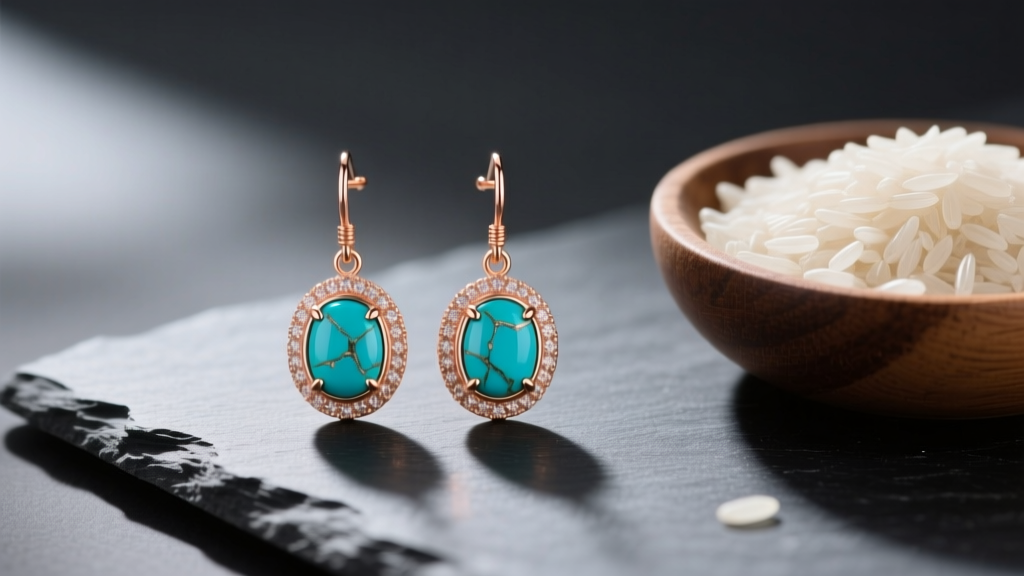
If your gold jewelry features pearls, opals, turquoise, lapis lazuli, or emeralds, never use a liquid jewelry gold cleaner. These stones are highly porous or heavily fractured and are often treated with oils or resins. Ammonia and harsh surfactants will strip these treatments, causing emeralds to cloud and pearls to lose their nacre luster. The GIA's pearl care guidelines explicitly warn against ultrasonic and chemical cleaning, recommending only a damp, soft cloth for maintenance.
Gold Vermeil and Flash Plating
While gold vermeil features a substantial layer of gold over sterling silver, the electrochemical bond can be compromised by prolonged exposure to the thiourea or ammonia compounds found in many commercial dip cleaners. Flash-plated gold (often found in fast-fashion jewelry) will strip entirely if submerged. For these pieces, use a barely damp microfiber cloth and a specialized, non-abrasive polishing cloth designed for plated metals.
Ultrasonic Cleaners: A Risky Alternative
Ultrasonic jewelry cleaners use high-frequency sound waves to create microscopic cavitation bubbles that blast dirt from crevices. While highly effective for solid gold and diamond pieces, they are catastrophic for plated jewelry, hollow gold constructs, and any stone with a Mohs hardness below 7. The intense vibrations can shake gemstones loose from their prongs and cause the microscopic layers of gold plating to flake and peel away from the base metal. Reserve ultrasonic cleaning for solid, pave-free gold bands and robust solitaire diamonds.
Expert Maintenance Schedule for Gold Jewelry
To minimize the need for deep chemical cleaning, adopt this professional maintenance schedule:
- Daily: Remove gold jewelry before swimming (chlorine destroys gold alloys), applying lotions, or using household cleaning chemicals. Wipe with a dry microfiber cloth before storing.
- Monthly: Perform the mild surfactant soak and horsehair brush agitation described above for solid gold pieces worn daily, such as wedding bands and signet rings.
- Bi-Annually: Inspect prongs and clasps under a 10x jeweler's loupe. Tarnish often builds up in micro-fractures where the metal is beginning to fatigue and bend.
- Annually: Take high-value solid gold and gemstone pieces to a professional jeweler for a steam clean and structural integrity check.
By understanding the specific metallurgy of your pieces and matching them with the appropriate jewelry gold cleaner, you ensure that your collection remains vibrant, structurally sound, and ready to be passed down through generations.


