What Is Vermeil Gold Jewelry? A Step-by-Step Buying & Care Guide
Learn exactly what is vermeil gold jewelry with our step-by-step guide. Discover FTC standards, verification tips, and expert care routines.

If you have ever shopped for fine jewelry, you have likely encountered the term "vermeil" and wondered how it differs from standard gold plating or solid gold. Understanding what is vermeil gold jewelry is the first step toward building a durable, luxurious collection without the solid-gold price tag. In 2026, the market is saturated with misleading marketing terms, making it crucial to know exactly what you are paying for. This step-by-step guide will walk you through the strict legal definitions of vermeil, how to verify its authenticity, and the exact maintenance routines required to make your pieces last a lifetime.
Decoding the Standard: What Is Vermeil Gold Jewelry Exactly?
Vermeil (pronounced ver-may) is not just a fancy word for gold-plated jewelry. It is a highly regulated standard of quality. According to the Federal Trade Commission (FTC), for a piece of jewelry to be legally marketed as vermeil in the United States, it must meet three strict criteria:
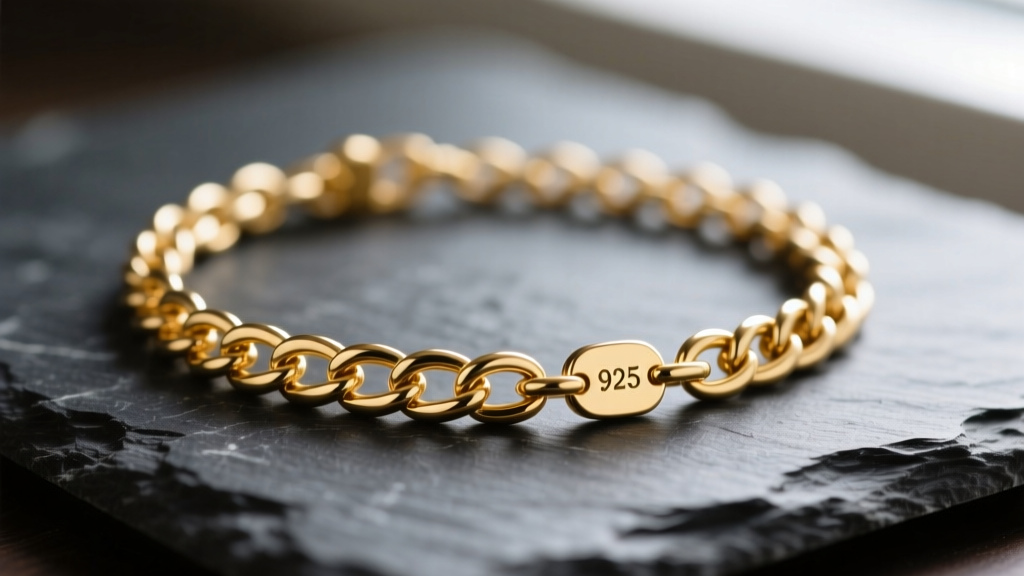
- The Base Metal: It must be made of 925 sterling silver. Brass, copper, or stainless steel bases automatically disqualify a piece from being vermeil.
- The Gold Purity: The gold layer must be at least 10 karats, though high-end jewelers typically use 14k or 18k gold for a richer color and better tarnish resistance.
- The Thickness: The gold layer must be a minimum of 2.5 microns thick. Standard flash plating is often less than 0.5 microns, meaning vermeil contains at least five times more gold than standard plated jewelry.
This combination of a precious metal base and a thick precious metal coating makes vermeil the ultimate bridge between fashion jewelry and fine jewelry. Because the base is sterling silver, vermeil is inherently hypoallergenic, making it a safe choice for sensitive skin, unlike brass-based plated alternatives that often cause contact dermatitis.
Material Comparison: Vermeil vs. Plated vs. Gold Filled
| Jewelry Type | Base Metal | Gold Thickness | Expected Lifespan | Avg. Price Range |
|---|---|---|---|---|
| Gold Vermeil | 925 Sterling Silver | Minimum 2.5 microns | 5 to 15+ years | $75 - $350 |
| Gold Plated | Brass, Copper, or Alloy | 0.05 to 0.5 microns | 6 months to 2 years | $20 - $80 |
| Gold Filled | Brass or Copper | 5% of total weight (approx 10-25 microns) | 10 to 30 years | $50 - $200 |
| Solid Gold | None (Solid Alloy) | N/A (Solid throughout) | Lifetime / Heirloom | $400 - $5,000+ |
Step-by-Step Guide to Verifying Authentic Vermeil
Because vermeil commands a higher price point than standard plated jewelry, unscrupulous sellers sometimes mislabel brass-based items as vermeil. Here is your step-by-step verification framework to ensure you are getting genuine sterling silver-based gold.
Step 1: Locate the 925 Hallmark
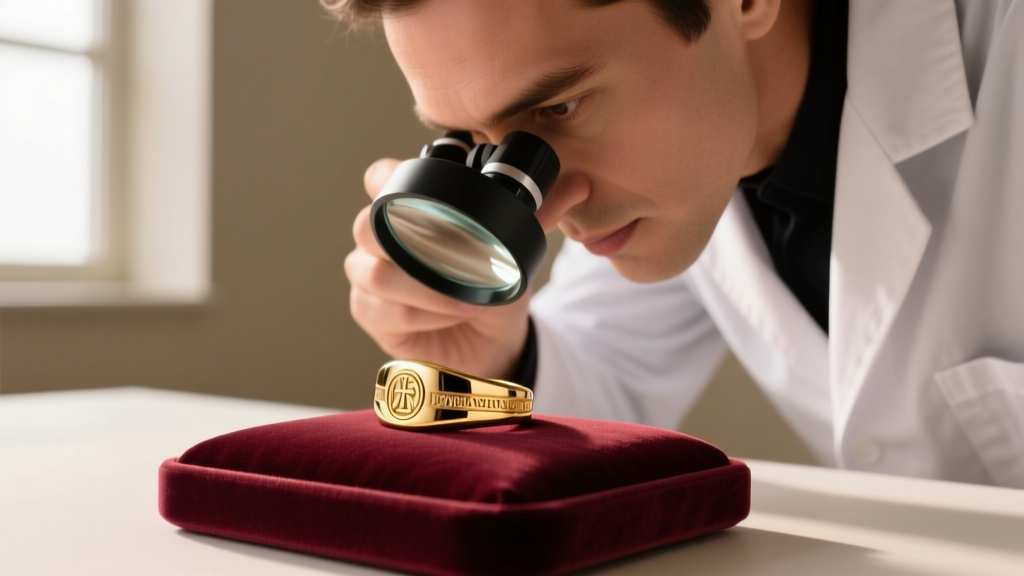
Turn the piece over and inspect the clasp, the inside of the band, or the back of the pendant for a hallmark. Authentic vermeil will almost always be stamped with "925" or "Sterling" to denote the silver base. If you see a stamp that says "14k" or "18k" without a 925 stamp, it is likely either solid gold or gold-plated brass. Some modern brands stamp "925" alongside "18k" to indicate both the base and the coating.
Step 2: Perform the Magnet Test
Sterling silver is paramagnetic, meaning it exhibits practically zero attraction to a standard neodymium magnet. Hold a strong magnet near the chain or clasp. If the jewelry snaps to the magnet, the base metal contains iron or steel, meaning it is absolutely not vermeil. Note: The clasp itself may contain a tiny steel spring for tension, so test the main body of the chain or ring.
Step 3: Request XRF Testing Data (For High-Value Pieces)
If you are buying a high-end vermeil piece from an independent artisan or a secondary market, ask for XRF (X-ray Fluorescence) testing results. According to the Gemological Institute of America (GIA), XRF is a non-destructive method that precisely measures the elemental composition and micron thickness of the gold layer. A legitimate seller dealing in luxury vermeil will have this data readily available.
How to Clean and Maintain Vermeil (Without Stripping the Gold)
The most common mistake jewelry owners make is treating vermeil like solid gold. Because the gold layer is a coating over silver, harsh chemicals and abrasive polishing will strip the gold away, revealing the silver beneath. Follow this exact step-by-step cleaning protocol to maintain the 2.5-micron gold layer.
The Safe Cleaning Routine
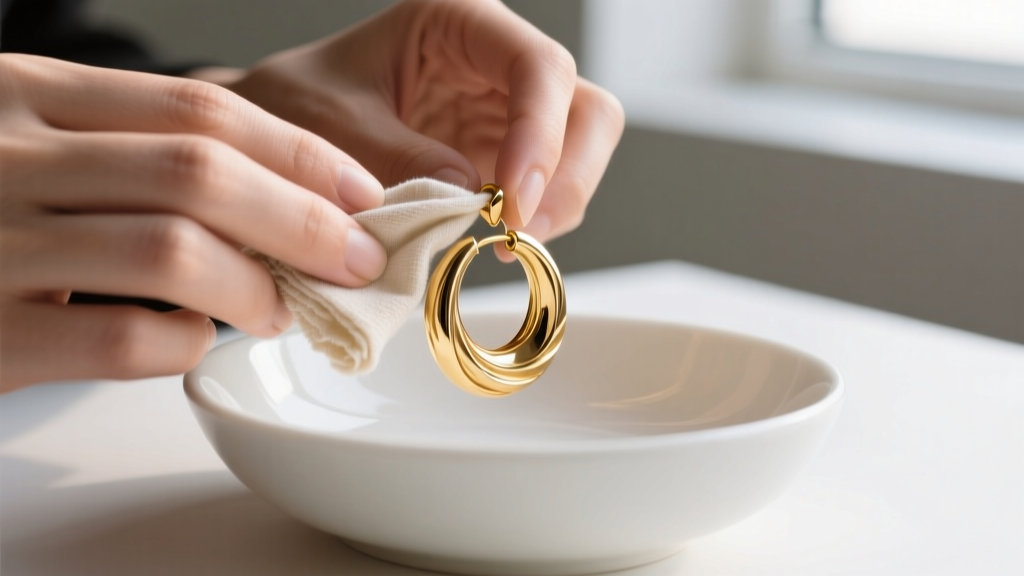
- Dry Polish First: 90% of the time, all your vermeil needs is a gentle buffing. Use a clean, dry, lint-free microfiber cloth. Gently rub the surface in circular motions to remove skin oils and restore the shine.
- The Mild Soap Bath (Only When Necessary): If the piece has accumulated lotion or grime, mix a few drops of phosphate-free dish soap into a bowl of lukewarm (never hot) water.
- Soft Agitation: Submerge the jewelry for no more than 3 minutes. Use a baby-soft toothbrush to gently sweep away dirt from crevices. Do not scrub the flat surfaces.
- Immediate Drying: Rinse briefly under cool water and immediately pat dry with a microfiber cloth. Leaving vermeil to air-dry can cause water spots and accelerate the oxidation of the underlying silver if there are micro-pores in the gold.
Chemicals to Strictly Avoid
Silver is highly reactive to sulfur and chlorine. To prevent the silver base from oxidizing and causing the gold to look dull or dark, keep your vermeil away from:
- Chlorinated pool water and hot tubs
- Household bleach and ammonia-based cleaners
- Perfumes, hairsprays, and lotions (always put jewelry on after applying cosmetics)
- Rubber bands and latex (which contain sulfur that triggers silver tarnish)
Troubleshooting Common Vermeil Issues
Even with meticulous care, vermeil can experience issues over its lifespan. Here is how to diagnose and fix the two most common problems.
Issue 1: The Jewelry is Turning Black or Dull
Diagnosis: This is not the gold tarnishing; gold does not tarnish. This is the underlying sterling silver oxidizing (creating silver sulfide) and the dark color bleeding through microscopic pores in the gold layer.
The Fix: Do not use liquid silver dip or harsh silver polishing cloths, as these contain abrasives and chemicals that will strip the gold layer. Instead, use a specialized, non-abrasive gold polishing cloth. If the tarnish is severe, take it to a professional jeweler for a gentle ultrasonic cleaning (only if the gold layer is verified to be over 2.5 microns and the piece has no soft gemstones).
Issue 2: The Jewelry is Turning Copper or Pink
Diagnosis: If your jewelry turns copper, brass, or pinkish, the gold has completely worn off, and the base metal is exposed. If this happens, you were sold a fake. Genuine vermeil has a sterling silver base, which is white/grey. If you see copper, the piece was gold-plated brass, not vermeil.
The Fix: Unfortunately, there is no DIY fix for this. You must take the piece to a professional electroplater to have it re-plated, though they will likely need to strip the piece entirely and plate it over the brass base.
The 2026 Buyer’s Checklist for Vermeil Investment
When shopping for vermeil this year, use this quick checklist to ensure you are making a smart investment:
1. Does the description explicitly state "925 sterling silver base"?
2. Is the gold thickness listed as 2.5 microns or higher? (Some premium brands now offer 3.0 or 4.0 microns for rings and bracelets that endure high friction).
3. Is the brand transparent about their manufacturing location and ethical sourcing?
4. Does the price make sense? A heavy vermeil chain necklace should cost between $120 and $300. If it is $35, it is almost certainly flash-plated brass.
Understanding what is vermeil gold jewelry empowers you to shop with confidence. By prioritizing the 925 hallmark, demanding proper micron thickness, and adhering to a gentle, chemical-free cleaning routine, your vermeil pieces will remain a staple of your jewelry rotation for years to come.


