How to Find Real Gold Jewelry Under $100 in 2026
Discover expert strategies to source authentic real gold jewelry under $100. Learn karat differences, vermeil vs. filled, and smart shopping tactics.

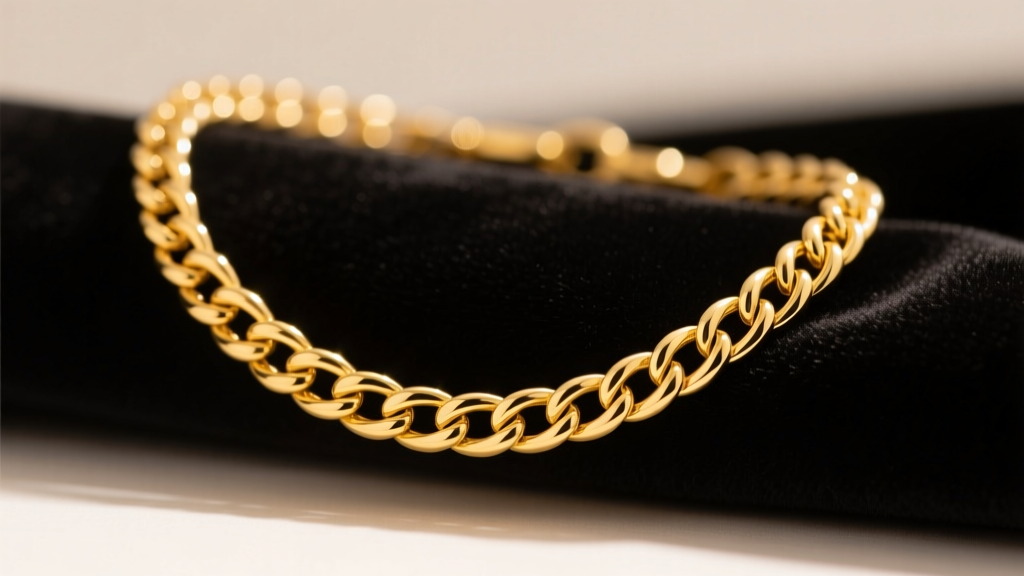
The Reality of Budget Gold: What $100 Actually Buys You
Navigating the jewelry market in 2026 requires a sharp eye and a solid understanding of metallurgy. With global gold spot prices consistently hovering at historic highs, the sub-$100 market has become a minefield of deceptive marketing tactics. Terms like 'gold tone,' 'gold dipped,' and '18k HGE' are frequently used to mask base metals beneath microscopic layers of gold. However, finding authentic, real gold jewelry under $100 is entirely possible if you abandon the pursuit of heavy, statement-making pieces and instead focus on precision, karat strategy, and secondary market sourcing.
When we say 'real gold,' we are referring to items that possess intrinsic melt value and structural gold integrity. This means solid gold alloys (10k or 14k), heavy gold-filled pieces, and high-quality gold vermeil. To build a collection of genuine gold on a strict budget, you must treat jewelry shopping not as a passive retail experience, but as an active treasure hunt governed by weight calculations and material science.
Step 1: Decode the Gold Hierarchy
Before you spend a single dollar, you must understand the legal and practical distinctions between gold jewelry types. The Federal Trade Commission (FTC) strictly regulates how jewelers can label gold content. Misunderstanding these terms is the primary reason budget shoppers end up with green skin and tarnished chains.
| Gold Type | Composition & FTC Standards | Durability & Lifespan | Sub-$100 Availability |
|---|---|---|---|
| Solid 10k / 14k | 10k is 41.7% pure gold; 14k is 58.3% pure gold. Alloyed with copper, silver, or zinc for strength. | Lifetime. Will not flake or wear away. Can be polished indefinitely. | Small items: studs, thin chains (under 1.5g), and small hoops. |
| Gold Filled (GF) | Must contain at least 5% gold by weight (usually 14k). Mechanically bonded to a brass core. | 10-30 years. Highly durable, but will eventually wear down to the brass core at friction points. | Excellent. You can buy thick, substantial chains and large hoops under $100. |
| Gold Vermeil | Sterling silver (.925) base plated with at least 2.5 microns of 10k+ gold. | 2-5 years. The silver base prevents green skin, but the gold layer will wear off with daily use. | High. Common for trendy, chunky rings and pendants in the $40-$80 range. |
| Gold Plated | Brass or copper base with a 'flash' plating of gold (less than 0.5 microns). | Weeks to months. Prone to rapid tarnishing, flaking, and skin discoloration. | Avoid entirely. This is the primary trap in the budget jewelry market. |
Step 2: Target the Right Karat and Weight
If your goal is to own solid real gold jewelry under $100, you must become fluent in gram weights and melt values. According to data tracked by Kitco, the spot price of gold dictates the absolute floor for retail pricing. In 2026, the raw material cost for a single gram of 14k gold (which is 58.3% pure) hovers around $40 to $45, depending on market fluctuations. When you factor in manufacturing, labor, and retail markup, a $100 budget caps your solid gold purchase at roughly 1.2 to 1.8 grams.
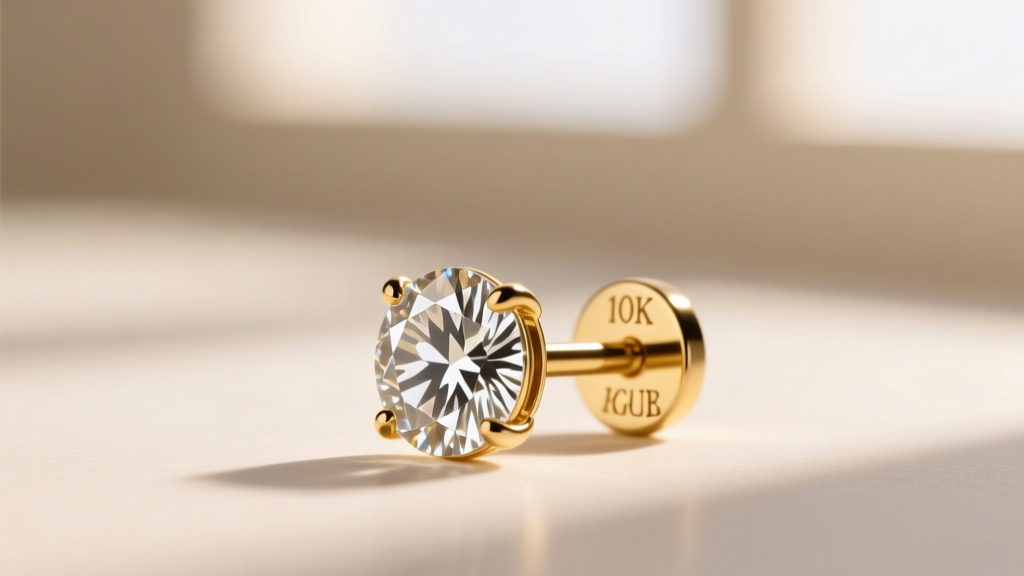
What 1.5 Grams of Solid Gold Looks Like:
- Chains: A 16-inch, 1mm solid 14k yellow gold cable or box chain typically weighs between 1.1g and 1.4g. These are delicate, perfect for layering, and easily fit the budget.
- Earrings: Small 4mm to 6mm solid 10k or 14k gold hoop earrings, or simple bezel-set diamond/sapphire studs (where the gemstone is under 0.10 carats).
- Rings: Ultra-thin 1mm stacking bands in 10k gold. (Note: 10k gold is significantly cheaper than 14k because it contains less pure gold and more alloy metals like copper and nickel, making it harder and more affordable).
Pro Tip: Never buy solid gold by visual volume. A hollowed-out 14k gold tube hoop might look massive but weigh only 0.8 grams, making it highly prone to denting. Always ask the seller for the exact gram weight before purchasing.
Step 3: Master the Secondary Market and Estate Sales
Retail markups on new gold jewelry range from 100% to 400%. To find substantial, high-quality real gold jewelry under $100, you must bypass traditional retail and enter the secondary market. Platforms like eBay, Etsy, and local pawn shops are goldmines for buyers who know how to filter out the noise.
Strategic Search Strings for Online Hunting
Sellers often use deceptive keywords to inflate search visibility. Use boolean search strings to strip away the fakes. Copy and paste these exact strings into eBay's search bar:
14k gold chain -plated -filled -GP -HGE -HGP -dipped10k gold hoop earrings -plated -overlay -filled -GPsolid 14k gold ring -plated -filled -GP -silver -vermeil
Once you find a listing, immediately check the item's weight and cross-reference it with the daily scrap gold price. If a seller is offering a heavy, 5-gram '14k solid gold' chain for $85, it is mathematically impossible for it to be real. The melt value alone would exceed $200. If the deal defies the spot market, it is a counterfeit.
Step 4: Verify Authenticity Before You Buy
When shopping in person at estate sales, antique malls, or pawn shops, you must carry a basic verification toolkit. The Gemological Institute of America (GIA) notes that visual inspection of hallmarks is the first line of defense, but it is not foolproof, as stamps can be easily forged on base metals.
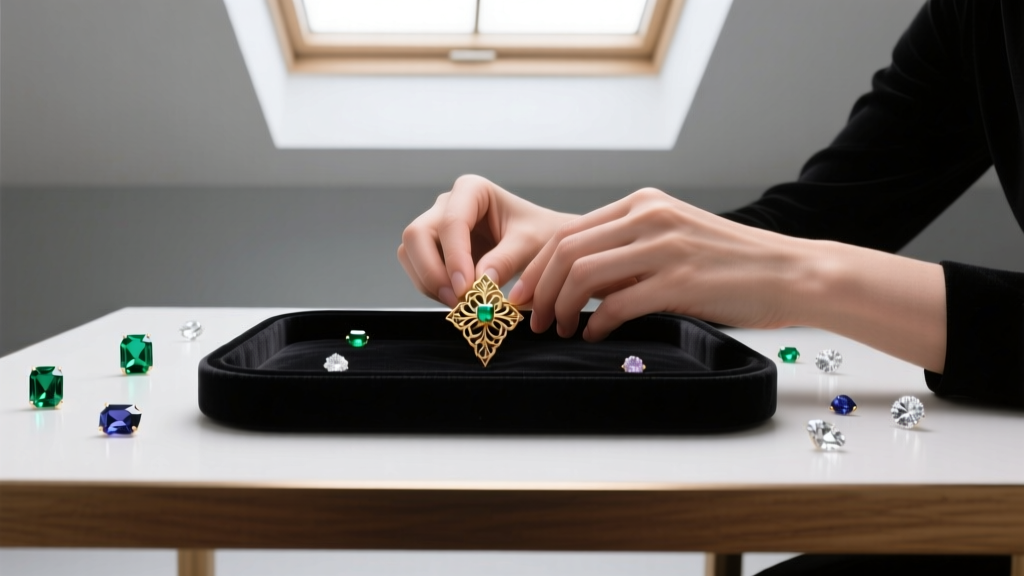
The 3-Point Field Test
- The Hallmark Check: Use a 10x jeweler's loupe to inspect the clasp or inner band. Look for crisp, deep stamps: '10k', '14k', '417' (European 10k), or '585' (European 14k). Beware of stamps like '14k HGE' (Heavy Gold Electroplate) or '14k GP' (Gold Plated), which indicate a fake.
- The Magnet Test: Pure gold and its standard alloys (copper, silver, zinc) are diamagnetic, meaning they will not stick to a magnet. Carry a strong neodymium magnet. If the chain or clasp snaps to the magnet, it contains iron or steel and is not solid gold. (Note: The tiny internal spring inside a lobster clasp is usually steel and will be magnetic; test the chain links themselves).
- The Ping Test: Gently strike the piece with another metal object. Solid gold produces a high-pitched, long-lasting, resonant 'ping.' Base metals or plated brass produce a dull, short 'clink' that dies instantly.
Step 5: Care and Maintenance for Budget Gold
Once you have successfully sourced your real gold jewelry under $100, proper maintenance is critical to preserving its value and appearance. Solid 10k and 14k gold are highly resilient, but the alloy metals mixed with the gold can still react to harsh chemicals.
- Chlorine is the Enemy: Never wear your gold jewelry in swimming pools or hot tubs. Chlorine reacts with the copper and silver alloys in 14k and 10k gold, causing 'stress corrosion cracking,' which can literally cause prongs and chain links to snap.
- Ultrasonic Cleaners: For solid gold chains and plain bands, a cheap $30 ultrasonic cleaner with a few drops of mild dish soap will restore factory-level shine in three minutes. However, never use ultrasonic cleaners on gold-filled or vermeil pieces, as the vibrations can strip the outer gold layers.
- Polishing Cloths: Invest in a treated jeweler's polishing cloth (like a Sunshine cloth). Rubbing your solid gold pieces down once a month removes the microscopic layer of skin oils and lotions that dull the metal's refractive properties.
By combining a strict understanding of metallurgy, precise weight calculations, and aggressive secondary market search strategies, you can build a collection of authentic, enduring gold jewelry without ever breaking the $100 barrier.


