What Is 14k Gold Filled Jewelry? A Troubleshooting Guide
Discover what is 14k gold filled jewelry, how it differs from plated, and troubleshoot common issues like tarnishing, peeling, and green skin.

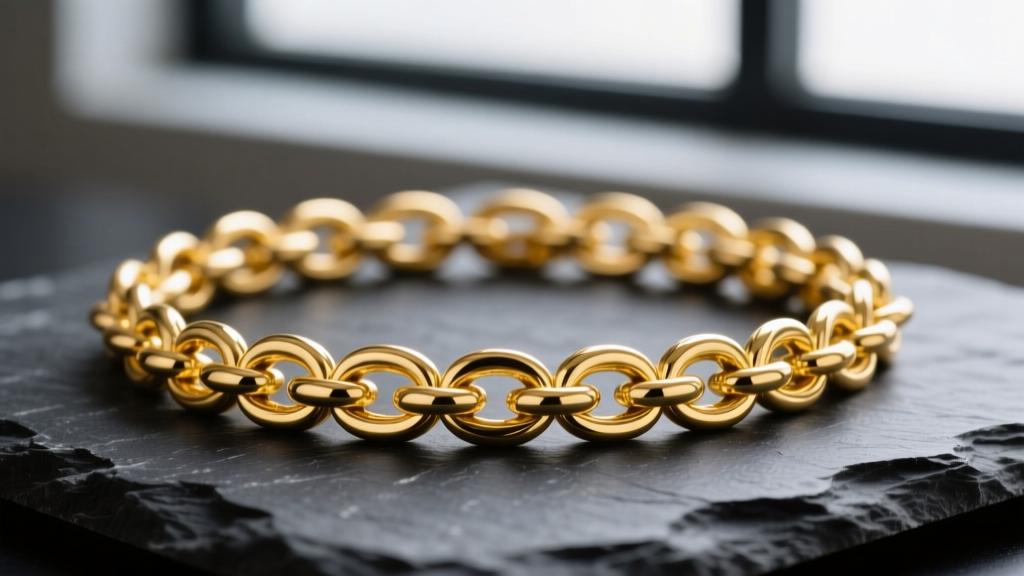
The Core Question: What Is 14k Gold Filled Jewelry?
If you have ever browsed an online jewelry boutique, you have likely encountered the term 'gold filled' and wondered how it compares to solid gold or cheap plating. To effectively troubleshoot issues with your jewelry, you first need to understand its anatomy. So, what is 14k gold filled jewelry? It is a highly regulated, mechanically bonded material consisting of a thick outer layer of 14-karat gold permanently fused to a core of jeweler's brass (or occasionally sterling silver) using extreme heat and pressure.
Unlike electroplating, which uses an electrical current to deposit a microscopic film of gold, the gold layer in gold-filled items must legally constitute at least 1/20th (or 5%) of the total weight of the item, according to the Federal Trade Commission (FTC) Jewelry Guides. This massive difference in gold volume is why 14k gold filled pieces can last for decades, whereas gold-plated items often degrade within months. However, because the core is not solid gold, it introduces unique vulnerabilities that require specific troubleshooting and care.
Troubleshooting Issue #1: 'My Gold Filled Chain Turned Black'
One of the most common complaints we see is surface tarnishing. Because the outer layer is genuine 14k gold, it should theoretically be highly resistant to tarnish. So why does it happen?
The Root Causes of Tarnish
- Surface Contamination: Lotions, perfumes, sweat, and environmental sulfur can build up on the surface, creating a dull, dark film that mimics tarnish.
- Micro-Abrasions: Over time, friction can wear down the gold layer at high-contact points (like clasp connections), exposing the brass core, which oxidizes rapidly and turns black.
- Chemical Exposure: Chlorine in swimming pools and harsh household cleaners can cause microscopic pitting in the gold alloy, trapping dirt and causing dark spots.
The Actionable Fix
Do not use silver dip, ultrasonic cleaners, or polishing cloths infused with harsh rouge. These can strip the gold layer or scratch the alloy. Instead, use a few drops of mild, phosphate-free dish soap in warm water. Let the piece soak for three minutes, then gently agitate it with an ultra-soft baby toothbrush. Rinse thoroughly and pat dry with a microfiber cloth. If the dark spot persists after cleaning, you have likely hit a 'brass bleed'—meaning the gold layer has worn through, exposing the core.
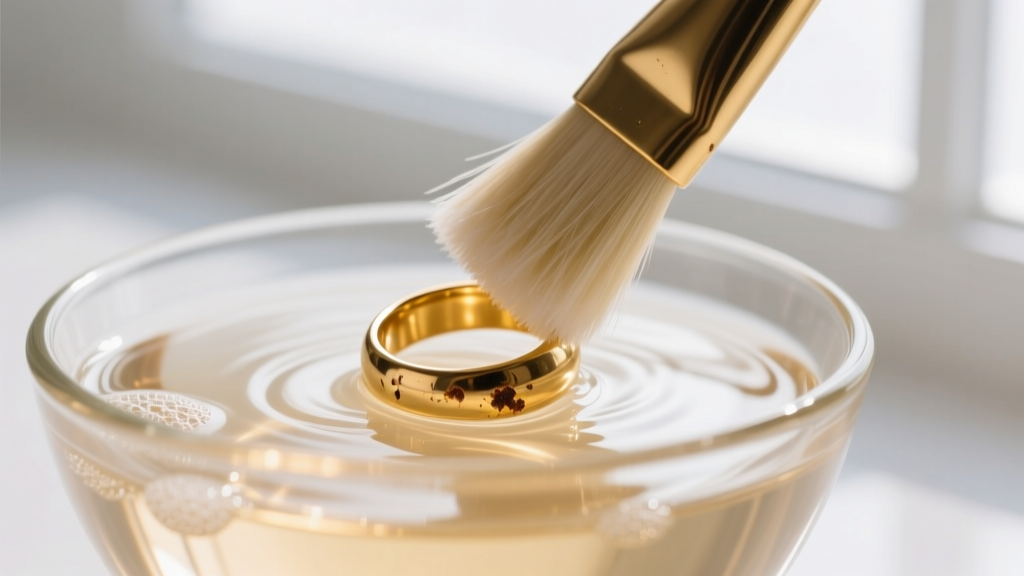
Troubleshooting Issue #2: Peeling, Flaking, and the Brass Bleed
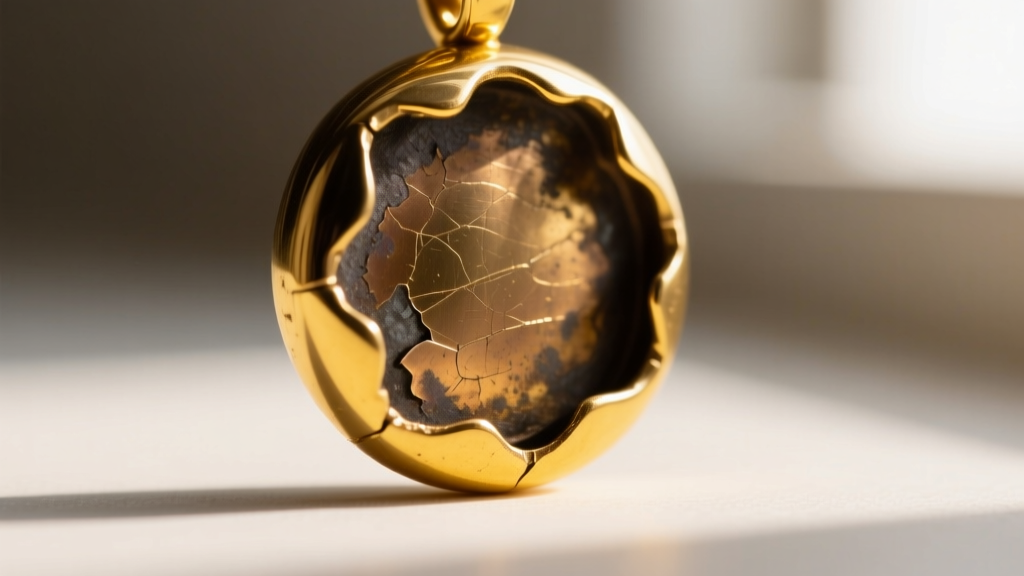
Gold filled jewelry does not 'peel' like gold-plated jewelry because the bond is mechanical, not chemical. If your jewelry is flaking, it is almost certainly not true gold filled. It is likely heavy gold electroplate (HGE) mislabeled by a disreputable seller. However, if the gold layer is physically cracking or separating, it indicates a severe manufacturing defect where the heat and pressure bonding process failed at the factory level.
Material Comparison: Lifespan and Vulnerabilities
Understanding where your piece sits on the spectrum helps set realistic expectations for troubleshooting and longevity.
| Metric | 14k Gold Filled (GF) | Gold Vermeil | Gold Plated (GP) |
|---|---|---|---|
| Core Material | Jeweler's Brass (85% Cu, 15% Zn) | Sterling Silver (925) | Brass, Copper, or Steel |
| Gold Thickness | 5% to 10% of total weight | Minimum 2.5 microns | 0.5 microns or less |
| Bonding Method | Heat and Pressure | Electroplating | Electroplating |
| Expected Lifespan | 10 to 30+ years | 2 to 5 years | 6 months to 1 year |
| Primary Failure Mode | Friction wear at joints | Silver tarnish & gold rub-off | Rapid flaking & skin discoloration |
Expert Insight: When shopping, look for stamps like '14/20 GF' or '14k GF'. If a piece is simply stamped '14k' but the price is suspiciously low, it is likely plated. The Gemological Institute of America (GIA) notes that accurate stamping is critical for consumer protection, as misrepresentation is rampant in the imported jewelry market.
Troubleshooting Issue #3: Green Skin and Allergic Reactions
There is nothing more frustrating than taking off your favorite gold filled hoop earrings or necklace to find a green or black ring stained onto your skin. This is not a sign that the gold is 'fake'; it is a chemical reaction involving the core material.
Why Does It Happen?
The core of gold filled jewelry is usually jeweler's brass, which contains a high percentage of copper. When the gold layer wears thin at friction points (like the inside of a ring band or the post of an earring), the copper is exposed. When copper mixes with the acids in your sweat, your skin's natural oils, or the chemicals in your sunscreen, it creates copper chloride—a green salt that stains the skin.
Solutions and Workarounds
- The Clear Polish Hack (Temporary): For rings or earring posts, applying a thin coat of clear, hypoallergenic nail polish to the inside of the band or the post can create a barrier between the exposed brass and your skin. Reapply every few weeks.
- Upgrade the Post: If you have gold filled earrings with brass posts that irritate your ears, a jeweler can often snip the post and laser-weld a solid 14k gold or titanium post in its place.
- Keep It Dry: Never wear gold filled rings while washing dishes, swimming, or applying lotion. Moisture accelerates the copper-acid reaction exponentially.
Repair Limitations: Why Jewelers Refuse to Resize Gold Filled
A frequent troubleshooting dead-end occurs when a customer tries to get a gold filled ring resized or a broken chain soldered. Most traditional jewelers will flat-out refuse the job. Why?
The Soldering Problem
Soldering requires a jeweler's torch to heat the metal to high temperatures. Because gold filled jewelry is a layered composite, the intense heat of a torch will instantly burn away the outer gold layer at the solder joint, leaving a permanent, dark brass scar that cannot be polished out. Furthermore, the heat can cause the brass core to expand at a different rate than the gold shell, leading to delamination (bubbling and peeling) around the repair site.
Are There Alternatives?
While traditional torch soldering is out, some advanced repair shops use laser welders. A laser welder focuses a microscopic beam of light to fuse metal in a fraction of a second, generating so little ambient heat that the surrounding gold layer remains intact. However, this is expensive and not always structurally viable for heavy chains or thick ring shanks. If a gold filled chain snaps, your most cost-effective troubleshooting step is usually replacement rather than repair.
Preventative Maintenance Framework
To avoid these troubleshooting scenarios entirely, implement a strict maintenance routine for your 14k gold filled inventory:
- Storage: Store pieces individually in airtight ziplock bags with anti-tarnish silica strips. Humidity is the enemy of the brass core.
- The 'Last On, First Off' Rule: Put your jewelry on after applying makeup, perfume, and hairspray. Take it off immediately upon returning home.
- Polishing: Use only a soft, untreated microfiber cloth to buff away fingerprints. Avoid all abrasive polishing pastes.
By understanding the mechanical realities of what is 14k gold filled jewelry, you can set realistic expectations, troubleshoot surface issues effectively, and enjoy the rich luster of gold without the solid-gold price tag.


