Silver vs Gold Jewelry Skin Tone: The Ultimate Matching Guide
Discover how to master the silver vs gold jewelry skin tone debate. Learn undertone testing, karat differences, and buying tips for your perfect match.

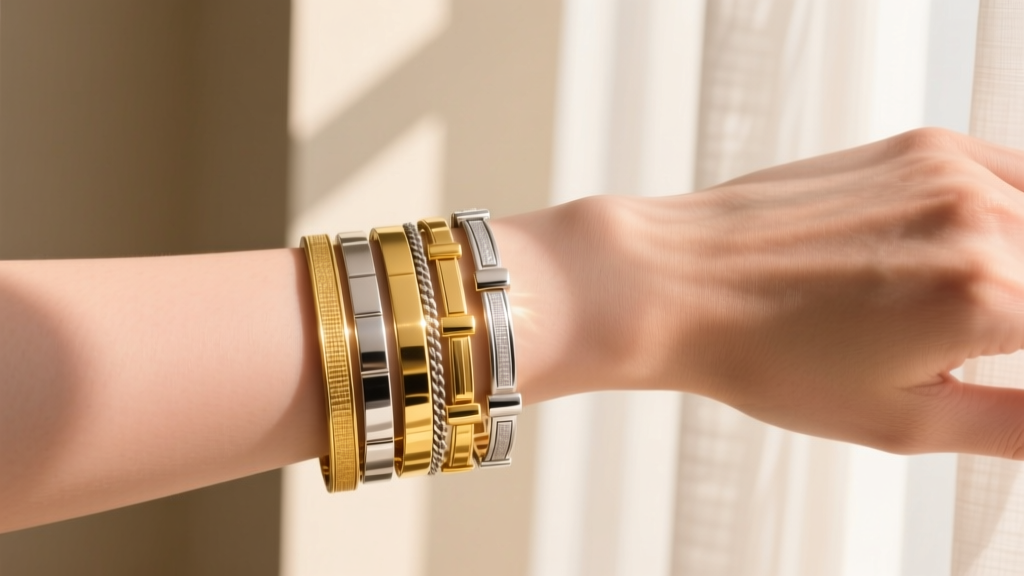
Choosing the right metal for your jewelry is about far more than just personal preference or current trends; it is a precise interplay of color theory, metallurgy, and your unique biological canvas. When navigating the silver vs gold jewelry skin tone debate, many buyers make costly mistakes by confusing their surface skin color with their underlying undertone. As a buyer in 2026, you have access to a wider array of gold alloys and silver finishes than ever before, making it crucial to understand how these metals interact with light and melanin. This comprehensive buying guide will decode the science of skin undertones, compare the metallurgical realities of silver and gold, and provide actionable frameworks for selecting pieces that elevate your natural complexion.
The Science of Skin Undertones: Beyond Surface Color
Surface skin tone (fair, medium, deep) can change with sun exposure, skincare routines, and seasons. Your undertone, however, is permanent. It is determined by the ratio of eumelanin (brown/black pigment) to pheomelanin (red/yellow pigment) in your skin. To accurately determine your undertone before purchasing precious metals, utilize this three-point diagnostic framework:
- The Vascularity Test: Examine the veins on the underside of your wrist in natural daylight. If they appear distinctly blue or purple, you have cool undertones. If they look green or olive, you have warm undertones. If you cannot decisively tell, or they appear blue-green, you are likely neutral.
- The Solar Reaction Test: How does your skin react to unprotected sun exposure? If you burn easily and rarely tan, you likely lean cool. If you tan easily and rarely burn, you lean warm.
- The Foil Test: Hold a piece of crumpled silver aluminum foil near your bare face, then swap it for gold-colored wrapping paper. The metal that makes your skin look vibrant and awake (rather than washed out or sallow) indicates your dominant undertone.
Silver vs Gold Jewelry Skin Tone: The Core Comparison
When evaluating silver vs gold jewelry skin tone compatibility, we must look at the optical properties of the metals. Sterling silver (92.5% pure silver, 7.5% copper) possesses a naturally cool, bright, and slightly grayish reflectivity. It acts as a mirror for cool undertones, enhancing the pinks and blues in the skin. Conversely, traditional yellow gold reflects warm light, harmonizing with the golden and peachy hues in warm skin.
However, the modern jewelry market complicates this binary. White gold and rose gold bridge the gap, offering the prestige and durability of gold with alternative color profiles. Below is a structural comparison to guide your buying decision:
| Metal Type | Ideal Undertone | Alloy Composition (Typical 14k) | Maintenance Level | Avg. Price (Simple Band) |
|---|---|---|---|---|
| Sterling Silver (925) | Cool, Neutral | 92.5% Silver, 7.5% Copper | High (Tarnishes) | $40 - $120 |
| 14k Yellow Gold | Warm, Olive | 58.3% Gold, Silver, Copper, Zinc | Low | $300 - $600 |
| 14k White Gold | Cool, Neutral | 58.3% Gold, Nickel/Palladium | Medium (Rhodium Plating) | $350 - $750 |
| 14k Rose Gold | Warm, Olive, Neutral | 58.3% Gold, High Copper, Silver | Low | $320 - $650 |
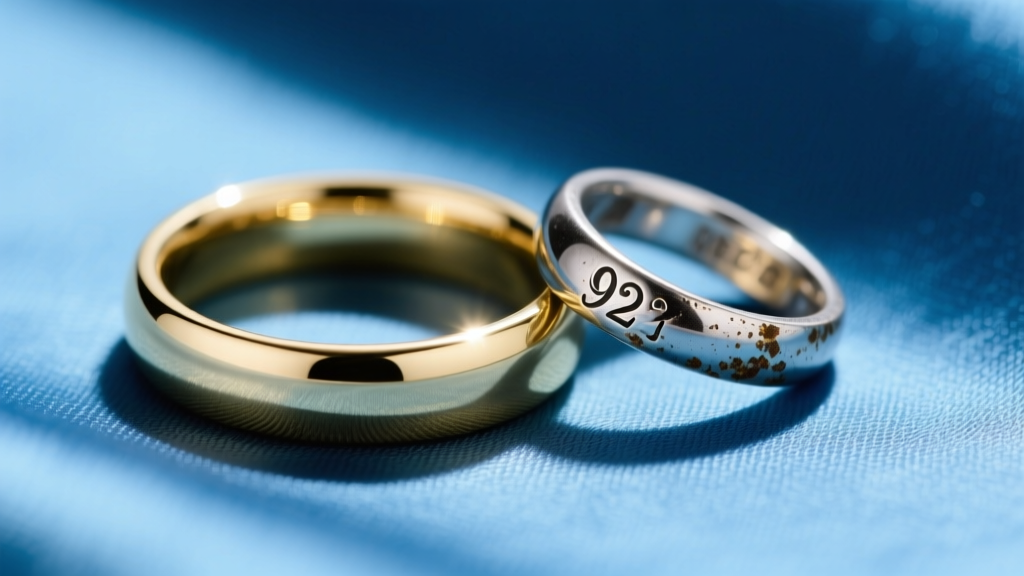
Decoding Gold Colors: Yellow, White, and Rose
To truly master metal selection, you must understand that pure 24k gold is too soft for daily wear and is naturally a deep, saturated yellow. According to the Gemological Institute of America (GIA), the color of gold jewelry is entirely dictated by its alloy metals. Here is how different gold colors interact with your skin compared to silver:
White Gold vs. Sterling Silver
Many buyers with cool undertones default to sterling silver because it is affordable and matches their skin. However, silver is prone to oxidation and tarnishing due to its copper content. 14k or 18k white gold offers a superior, brighter alternative. White gold is alloyed with nickel or palladium and plated with rhodium, a platinum-group metal that provides a brilliant, cool-white finish. While silver can look muddy against very fair, cool skin if tarnished, rhodium-plated white gold maintains a crisp, icy reflectivity that makes cool undertones pop. Be aware that nickel-alloyed white gold can cause contact dermatitis in roughly 10-15% of the population, as noted by the American Academy of Dermatology. If you have sensitive skin, specifically request palladium-alloyed white gold.
Yellow Gold: The Warmth Amplifier
Yellow gold (alloyed with copper and silver) is the undisputed champion for warm undertones. The yellow light reflected by the metal neutralizes redness and enhances the golden glow of warm skin. If you have deep skin with warm undertones, 18k yellow gold (which has a richer, more buttery yellow hue than 14k) creates a stunning, high-contrast luxury effect that sterling silver simply cannot achieve.
Rose Gold: The Universal Flatterer
Rose gold gets its pinkish hue from a high copper content. Because human skin naturally has red and pink undertones beneath the surface, rose gold often acts as a universal flatterer, particularly for those who find yellow gold too brassy and silver too harsh.
The Olive and Neutral Dilemma: What Actually Works?
Olive and neutral skin tones often struggle the most with the silver vs gold jewelry skin tone debate. Olive skin has a distinct greenish-gray cast that can clash with the stark brightness of polished sterling silver, making the skin look sallow or washed out. Similarly, highly saturated 24k or 18k yellow gold can sometimes overwhelm the subtle green notes in olive skin.

The Expert Solution: If you have olive or neutral skin, pivot toward 14k rose gold or matte-finished yellow gold. The copper in rose gold perfectly complements the green in olive skin (as red and green are complementary colors on the color wheel, they balance each other out beautifully). Alternatively, a brushed or satin-finish 14k yellow gold reduces the harsh glare of polished metal, providing a softer warmth that harmonizes with neutral complexions without overpowering them. Avoid high-polish rhodium-plated white metals, as they can cast unflattering gray shadows on olive skin.
Buying Guide: Karat Weight, Plating, and Longevity
When transitioning from fashion jewelry to fine jewelry, your buying criteria must shift from purely aesthetic to structural longevity. Here is what to look for on the specification sheet:
- Karat Weight (10k vs 14k vs 18k): 10k gold (41.7% pure) is highly durable but has a paler color and a higher risk of skin irritation due to base metals. 14k (58.3%) is the sweet spot for daily-wear rings and bracelets, offering excellent scratch resistance and rich color. 18k (75%) is softer, more expensive, and best reserved for earrings, necklaces, or special-occasion pieces where impact is minimal.
- Hallmark Verification: Always look for stamped hallmarks. Silver should be marked '925' or 'Sterling'. Gold should be marked '14k', '18k', '585', or '750'. According to the World Gold Council, reputable manufacturers will also include a maker's mark or trademark to guarantee the alloy's authenticity.
- The Rhodium Factor: If buying white gold, factor in the cost of rhodium replating. Depending on your skin's pH and how often you wear the piece, the rhodium layer will wear off in 1 to 3 years, revealing the slightly yellowish white gold beneath. Replating typically costs between $50 and $120 per session.
Pro-Tip for Buyers: If you love the look of silver/white metals but hate the maintenance of rhodium replating and the tarnish of sterling silver, consider Platinum. While it sits outside the strict gold vs silver debate, platinum is a naturally white, hypoallergenic metal that requires zero plating and develops a desirable 'patina' rather than tarnishing.
Real-World Testing: How to Try Before You Buy
Never buy fine jewelry based solely on how it looks on a model or in a brightly lit display case. Jewelry stores use high-intensity halogen or LED lighting that artificially boosts the sparkle and warmth of metals. To accurately test silver vs gold jewelry skin tone compatibility:
- Take it to the window: Ask the jeweler to let you view the piece near a window with natural, indirect sunlight.
- The Drape Test: Hold the piece directly against your collarbone or the inside of your wrist. Do not look at the jewelry; look at your skin. Does your skin look brighter, more even, and healthier? Or do you suddenly notice dark circles, redness, or a grayish cast? The right metal will act like a subtle ring light for your skin.
- Wear it for 10 minutes: Metal temperatures change how they reflect light. Let the piece warm to your body temperature and observe the color shift before making a final purchasing decision.
By understanding the metallurgical realities of gold alloys and the optical physics of skin undertones, you can confidently navigate the jewelry counter. Whether you opt for the icy brilliance of white gold, the warm embrace of 18k yellow, or the romantic hue of rose gold, your choice will be rooted in science, style, and enduring quality.


