Collectors Coins, Jewelry, Watches & Gold Buy & Sell: A 2026 Guide
Learn how to evaluate, authenticate, and trade precious metals with our step-by-step collectors coins, jewelry, watches, and gold buy & sell guide.

The 2026 Precious Metals Landscape
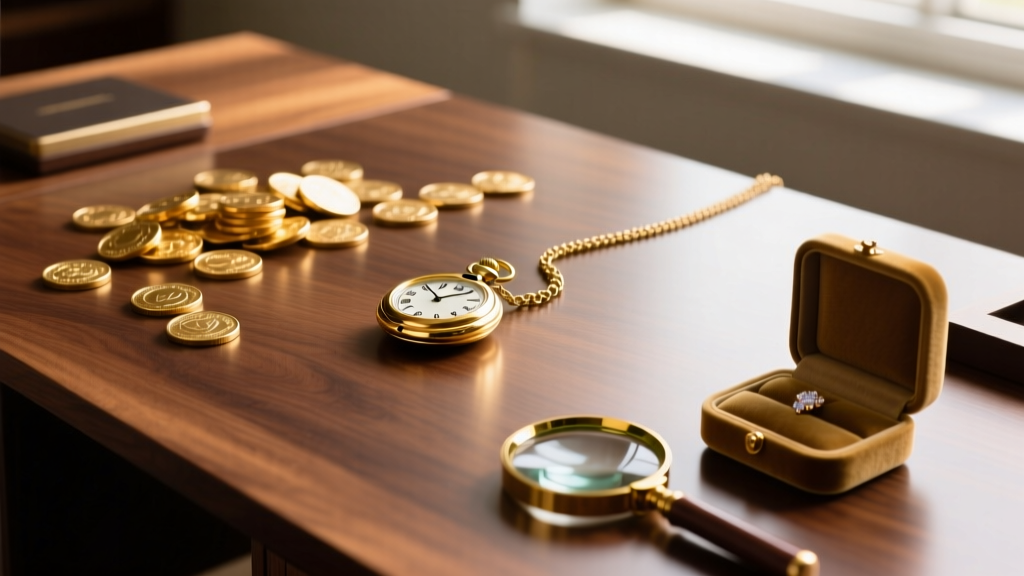
Navigating the secondary market for precious metals requires a nuanced understanding of material science, numismatics, and horology. With gold spot prices stabilizing above $2,350 per troy ounce in 2026, the margin for error when evaluating assets has never been slimmer. Whether you are liquidating an inherited estate or actively flipping undervalued pieces, mastering the intersection of these markets is essential. This step-by-step guide provides the exact frameworks professional dealers use to authenticate, value, and negotiate across diverse gold asset classes.
Step 1: Authenticating Gold Across Asset Classes
Authentication is the bedrock of the buy and sell process. However, the testing methodology must be adapted to the specific asset to avoid damaging its collector premium.
Jewelry: Acid Tests and XRF Scanners
Gold jewelry is typically alloyed for durability, resulting in common purities like 10k (41.7%), 14k (58.5%), and 18k (75%). For a non-destructive baseline, professional buyers use X-ray Fluorescence (XRF) scanners, which identify the exact elemental composition without scratching the piece. For manual verification, the traditional touchstone and nitric acid test remains the industry standard. By rubbing the item on a black basalt stone and applying varying acid concentrations (e.g., 14k vs. 18k solutions), you can visually confirm the karatage based on the dissolution rate of the gold streak.
Coins: Specific Gravity and Ping Tests
Numismatic gold coins, such as the 22k American Eagle (91.67% pure) or the 24k Canadian Maple Leaf (99.99% pure), should never be acid-tested, as this destroys their numismatic value. Instead, rely on the Specific Gravity (SG) test. According to the Professional Coin Grading Service (PCGS), pure gold has an SG of 19.3, while 22k gold sits at approximately 17.7. By weighing the coin in air and then suspended in distilled water, you can calculate its exact density. Additionally, the acoustic 'ping' test—striking the coin with a soft wooden dowel—produces a high-pitched, long-sustaining ring unique to gold alloys, easily exposing tungsten-core counterfeits.
Watches: Hallmarks and Case Construction
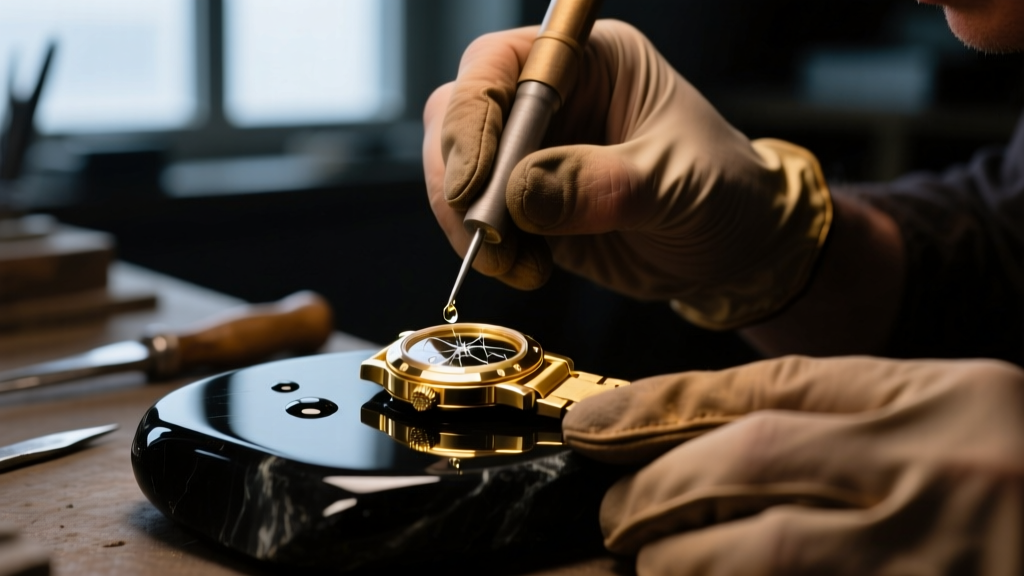
Gold watches present a unique challenge due to complex case constructions and historical hallmarking systems. Modern Swiss 18k gold watches (stamped 750) will feature the St. Bernard dog head hallmark, while 14k pieces (stamped 585) display a squirrel. Pre-1995 Swiss watches may feature the Helvetia head. Always inspect the inside of the case back and the lugs, as counterfeiters often plate base-metal cases and only stamp the visible outer surfaces. Use a 10x triplet loupe to ensure the stampings are crisp, deep, and perfectly aligned; soft or blurred hallmarks indicate a later, fraudulent application.
Step 2: Calculating Melt Value vs. Collector Premium
Once authenticated, you must separate the intrinsic melt value from the collector premium. According to daily spot metrics tracked by Kitco, melt value is calculated by multiplying the troy weight by the purity percentage, then by the current spot price. However, stopping at melt value will cost you thousands on rare pieces.
| Asset Class | Typical Purity | Melt Multiplier | Collector Premium Range |
|---|---|---|---|
| Scrap Jewelry | 10k - 18k | 0.70x - 0.85x Melt | 0% - 10% (Designer exception) |
| Bullion Coins | 22k - 24k | 1.0x Melt | 3% - 15% (Brand/Liquidity) |
| Numismatic Coins | 90% - 24k | Varies | 50% - 10,000%+ (Rarity/Grade) |
| Vintage Watches | 14k - 18k | 1.2x Melt (Minimum) | 100% - 5,000%+ (Brand/Movement) |
Step 3: Preparation and Presentation
How you prepare your items before a buy and sell negotiation drastically impacts the final offer. The golden rule of preparation is highly category-dependent:
- Jewelry: Clean with warm water, mild dish soap, and a soft brush. Ultrasonic cleaners are excellent for plain gold bands but can fracture porous gems like emeralds or opals.
- Coins: Never clean or polish. Removing mint luster or altering the natural patina will instantly downgrade a coin from 'Mint State' to 'Cleaned', destroying up to 90% of its numismatic premium.
- Watches: Wipe the crystal and case with a microfiber cloth. Do not attempt to polish out scratches on the gold lugs, as this softens the edges and ruins the original case geometry, a major red flag for horological collectors.
Step 4: Executing the Buy & Sell Transaction
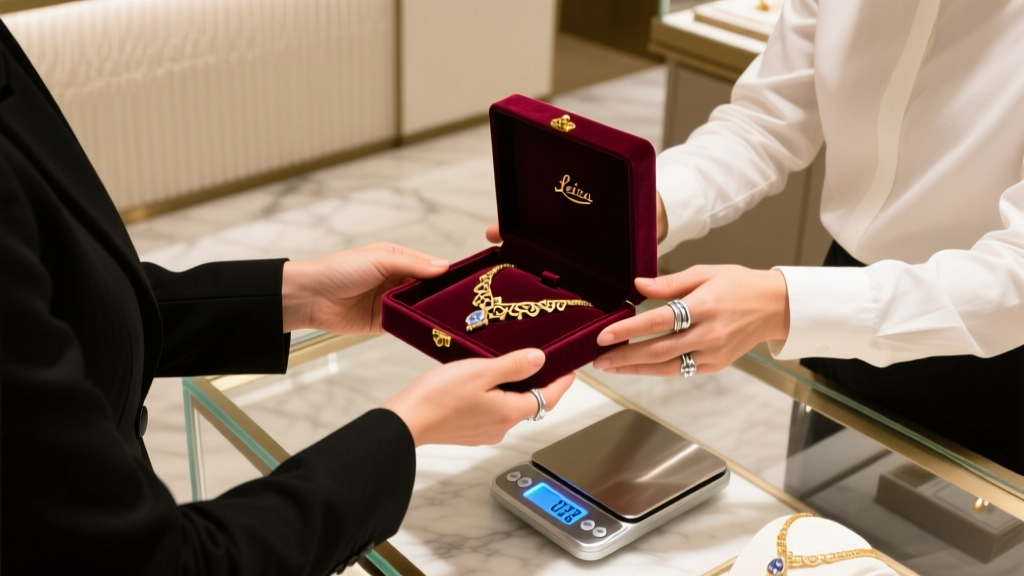
Choosing the right venue for your transaction is the final critical step. Local Coin Shops (LCS) and dedicated jewelry buyers offer immediate liquidity but typically pay 75% to 85% of melt value for scrap jewelry to cover their overhead and refining costs. For high-premium items like graded numismatic coins or signed vintage watches (e.g., Patek Philippe or Vacheron Constantin), auction houses like Heritage or Sotheby's will extract maximum market value, albeit with a 4 to 8-week wait and seller commissions ranging from 10% to 15%.
Negotiation Tactics for 2026
When selling to private dealers, always know the exact spot price on the day of the transaction. Weigh your items at home using a calibrated digital scale that measures in troy ounces or grams (1 troy ounce = 31.1035 grams). If a dealer attempts to use the 'pennyweight' system to obscure the math, politely ask them to provide the final offer in grams based on the daily Kitco spot price. Transparency is the hallmark of a reputable buyer.
Red Flags and Scam Prevention
The secondary market is rife with sophisticated counterfeits. Beware of 'gold-filled' or 'rolled gold plate' jewelry misrepresented as solid; these items contain less than 5% gold by weight and hold virtually zero melt value. For watches, watch out for 'vermeil' (gold-plated sterling silver) cases being sold as solid gold. Finally, when buying or selling high-value bullion, always request a Sigma Metalytics verification scan, which uses electromagnetic waves to detect sub-surface tungsten or lead cores that traditional XRF scanners might miss.
By applying these rigorous authentication, valuation, and negotiation frameworks, you can confidently navigate the complex collectors coins, jewelry, watches, and gold buy & sell markets, ensuring you capture the true value of your precious assets.


