Can You Mix Silver and Gold Jewelry? The Ultimate Buying Guide
Discover how to flawlessly mix silver and gold jewelry. Our buying guide covers two-tone pieces, alloy matching, and expert styling frameworks.

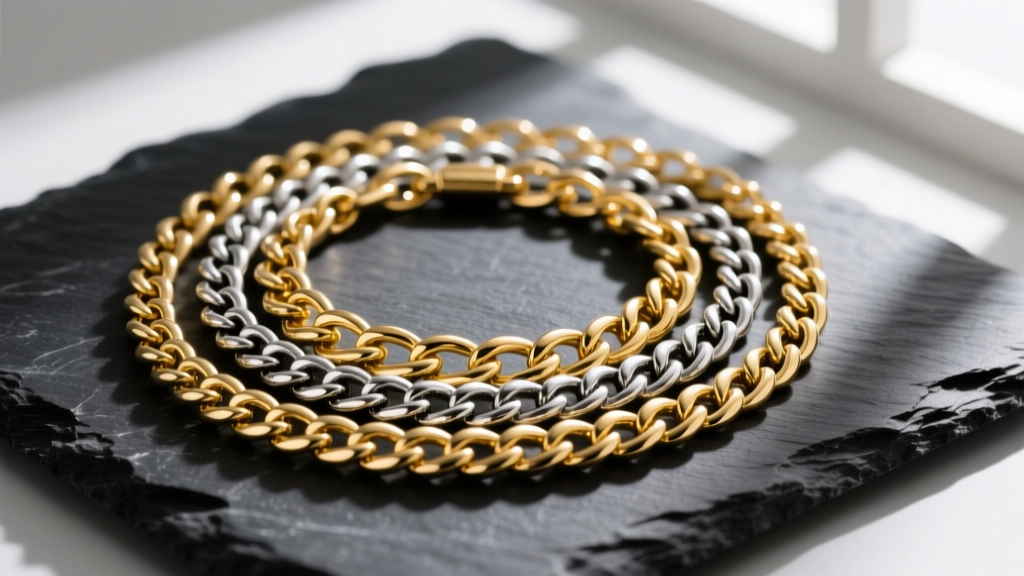
The Short Answer: Yes, But Strategy Matters
For decades, traditional fashion etiquette dictated a strict separation of precious metals. But if you are asking, can you mix silver and gold jewelry, the definitive answer from modern jewelers and stylists is a resounding yes. The old rules have been entirely dismantled, replaced by a demand for dynamic, personalized, and texturally rich jewelry stacks. However, successfully mixing these metals is not just about throwing a gold chain and a silver ring together; it requires an understanding of metallurgy, plating thickness, and visual balance.
As a buyer, mixing silver and gold introduces specific challenges regarding wear rates, tarnish transfer, and alloy compatibility. This buying guide will walk you through exactly what to look for when investing in mixed-metal jewelry, ensuring your collection remains durable, cohesive, and visually striking.
What to Look For When Buying Mixed-Metal Jewelry
When shopping for pieces that combine gold and silver, you will generally encounter two categories: manufactured two-tone pieces and curated separate pieces layered together. Both require a discerning eye for material quality.
Two-Tone Manufacturing vs. Layering
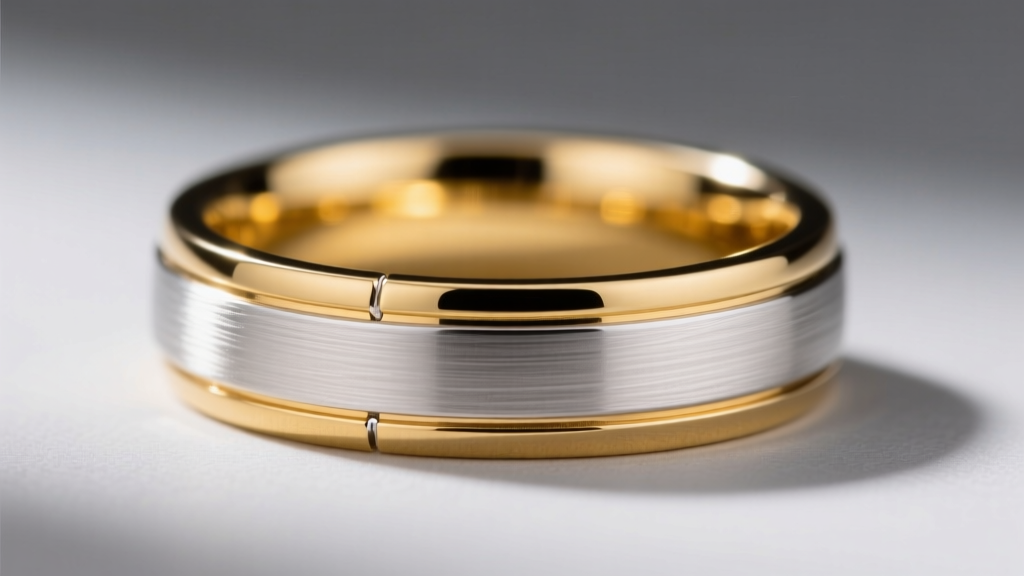
Two-tone jewelry is manufactured by soldering or casting gold and silver together in a single piece. When buying two-tone rings or bracelets, inspect the solder joints. High-quality two-tone pieces use laser welding or precise induction soldering to create a seamless bridge between the metals. If you see pitting, discoloration, or a visible seam line that catches on fabric, the piece was poorly assembled and may separate over time.
The Truth About Gold Vermeil and Plating
If you are buying a piece that appears to be mixed metal but is actually silver plated with gold, you must understand the terminology. According to the Federal Trade Commission (FTC) Jewelry Guides, for an item to be legally classified as "Gold Vermeil," it must have a base of .925 sterling silver and be plated with at least 10k gold that is a minimum of 2.5 microns thick. Standard "gold-plated" jewelry often uses a brass or copper base with a plating thickness of less than 0.5 microns. When mixing metals in your stack, always prioritize solid gold and solid sterling silver over plated alternatives to prevent the base metals from corroding and transferring green or black oxidation to your solid silver pieces.
The Buying Matrix: Gold Karats vs. Silver Grades
To mix metals successfully, you need to understand how their alloys interact. Pure 24k gold and pure silver are both too soft for daily wear jewelry. Therefore, they are alloyed with other metals to increase durability. According to the Gemological Institute of America (GIA), the specific alloy mix dictates the color, hardness, and tarnish resistance of the final piece.
| Metal Grade | Composition | Hardness & Wearability | Mixing Considerations |
|---|---|---|---|
| 14k Yellow Gold | 58.5% Gold, alloyed with copper, silver, and zinc. | Highly durable; excellent for daily wear rings and chains. | The warm, slightly muted tone contrasts beautifully with bright white silver. |
| 18k Yellow Gold | 75% Gold, alloyed with copper and silver. | Softer than 14k; richer, deeper yellow color. | Prone to scratching if rubbed constantly against harder silver alloys. |
| Sterling Silver (.925) | 92.5% Silver, 7.5% Copper. | Durable but prone to tarnish due to the copper content. | Can transfer tarnish to porous gold alloys if stored together while damp. |
| Argentium Silver | 93.5%+ Silver, alloyed with copper and germanium. | Highly tarnish-resistant; harder than traditional sterling. | The Silver Institute notes its superior brightness, making it the ultimate pairing for white or rose gold. |
Hardware, Clasps, and Galvanic Corrosion
One of the most overlooked aspects of buying mixed-metal jewelry is the hardware. If you are buying a chain that features both gold and silver links, or a charm bracelet with mixed-metal elements, you must consider galvanic corrosion. When two dissimilar metals are in direct physical contact in the presence of an electrolyte (like saltwater or acidic sweat), the less noble metal will corrode faster.
While pure gold and pure silver are relatively stable, the alloys used in 14k gold (like copper and zinc) and sterling silver (copper) can trigger mild galvanic reactions if constantly submerged in water. When buying mixed-metal chains, look for pieces where the gold and silver links are separated by a non-reactive jump ring, or ensure the piece is intended for occasional wear rather than 24/7 exposure to moisture. Furthermore, check the clasps. A solid 14k gold lobster clasp on a sterling silver chain is perfectly fine, but a gold-plated brass clasp on a silver chain will eventually peel, exposing the brass and ruining the aesthetic.
Styling Frameworks for Mixed Metals
Knowing what to buy is only half the battle; knowing how to wear it is the other. To avoid looking like you accidentally put on jewelry in the dark, utilize these professional styling frameworks when mixing silver and gold:
- The Bridge Piece: Start with a single "bridge" item that inherently contains both gold and silver. A two-tone watch, a ring with a gold band and silver setting, or a chain with alternating gold and silver links serves as the visual anchor. Once the bridge piece is established, you can layer solid gold on one side and solid silver on the other without it looking disjointed.
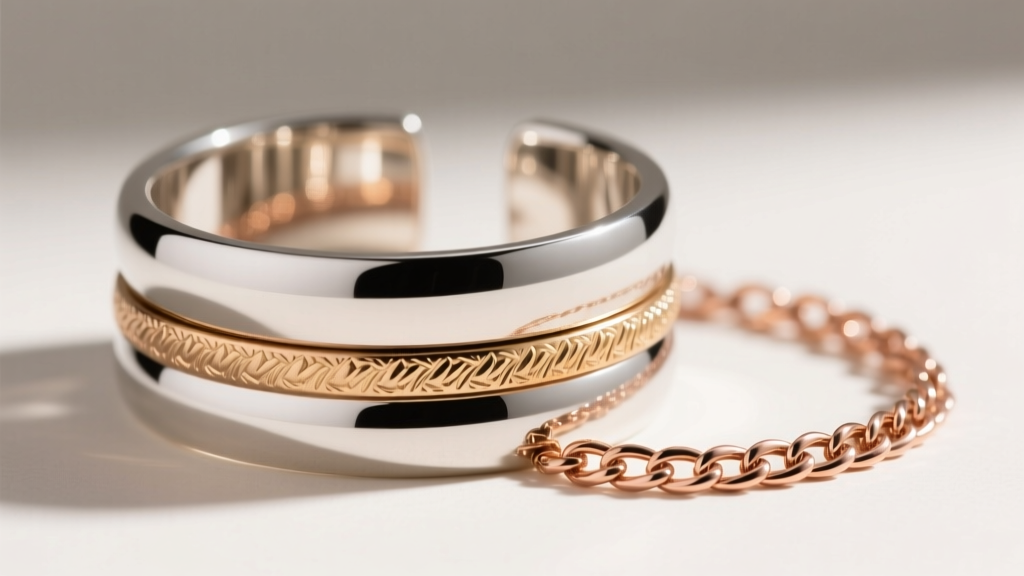
- The Rule of Odds: When stacking rings or bracelets, mix metals in odd numbers (3, 5, or 7). For example, stack two 14k yellow gold rings with one thick oxidized sterling silver band. The asymmetry creates deliberate, curated tension rather than a 50/50 split, which can look visually unbalanced.
- Texture Contrast: If you are mixing metals, vary the finishes. Pair a high-polish 18k gold chain with a brushed or hammered sterling silver pendant. The contrast in texture justifies the contrast in color, signaling to the observer that the mix was a deliberate design choice.
Care and Maintenance for Mixed-Metal Collections
Mixed-metal jewelry requires a slightly more nuanced approach to cleaning and storage than single-metal pieces. Because sterling silver tarnishes (due to its copper content reacting with sulfur in the air) and gold does not, you must be careful not to use harsh chemical dips that might strip the finish from specific gold alloys or damage gemstone settings bridging the two metals.
For daily maintenance, use a dual-sided microfiber polishing cloth. These cloths often feature a slightly abrasive side treated with jeweler's rouge to remove silver tarnish, and a soft side to buff gold to a high shine. When storing your mixed-metal collection, never toss silver and gold pieces loosely into the same velvet pouch. The harder gold alloys can micro-scratch the softer silver, and silver sulfide (tarnish) can transfer to the porous surfaces of certain gold alloys. Store them in separate anti-tarnish ziplock bags, or use a jewelry box with individual, fabric-lined compartments to preserve the distinct integrity of both metals.


