The Science of Plated Gold Jewelry: Microns, Base Metals, and Wear
Discover the technical science behind plated gold jewelry. We analyze micron thickness, base metal compatibility, and electroplating failure modes.
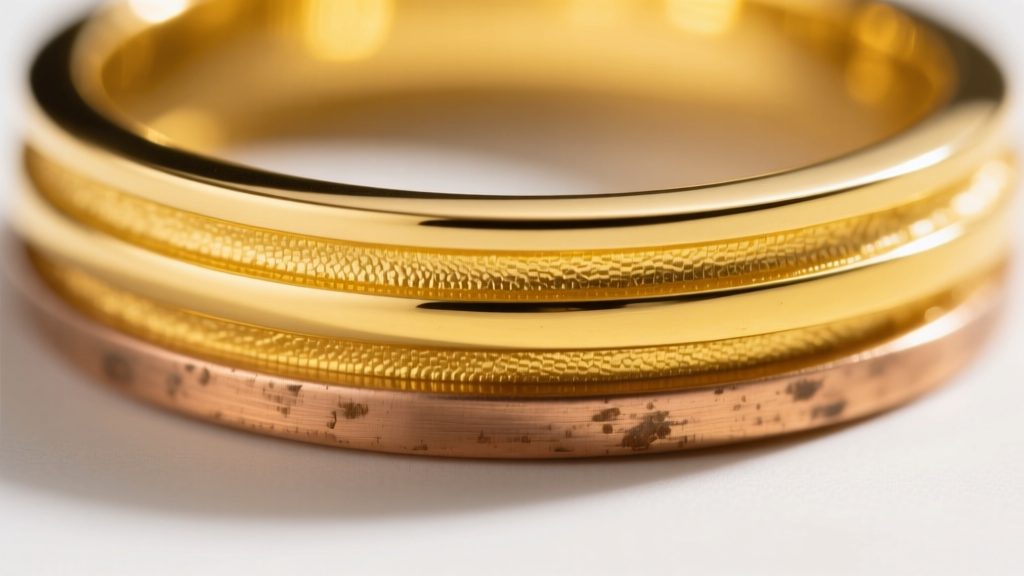
The Electrochemistry of Gold Plating
To truly understand plated gold jewelry, we must look past the showroom display and into the electroplating bath. Gold plating is not a simple coating; it is an electrochemical deposition process where gold ions are reduced onto a conductive substrate. In professional jewelry manufacturing, this is achieved using either gold cyanide or gold sulfite electrolyte solutions. Gold cyanide baths are the industry standard for high-wear items because they allow for the co-deposition of hardening agents like cobalt or nickel. This alloying can increase the Knoop hardness of the gold deposit from a soft 30 HK (pure 24k) to a highly durable 150 HK, drastically improving the scratch resistance of the final piece.
The Critical Role of the Strike Layer
You cannot simply plate gold directly onto raw brass or copper. Without an intermediary barrier, the base metal atoms will diffuse into the gold layer over time, causing severe discoloration. Expert manufacturers apply a "strike" layer—typically a microscopic flash of palladium or nickel—before the gold bath. This strike layer acts as a diffusion barrier and improves the adhesive bond between the substrate and the gold. If your plated gold jewelry is flaking off in sheets rather than wearing away gradually, it is almost always due to the omission of this crucial strike layer or improper voltage regulation during the rectification process.
Micron Thickness: The True Measure of Longevity
The single most important metric determining the lifespan of plated gold jewelry is the thickness of the gold layer, measured in microns (µm). Marketing terms like "dipped" or "washed" are technically meaningless. According to the Federal Trade Commission Jewelry Guides, a piece can only be legally marketed as "gold electroplate" if the plating is at least 0.175 microns (7 millionths of an inch) thick. Anything less is classified as "gold flash" or "gold wash," which will wear through to the base metal within weeks of daily wear.
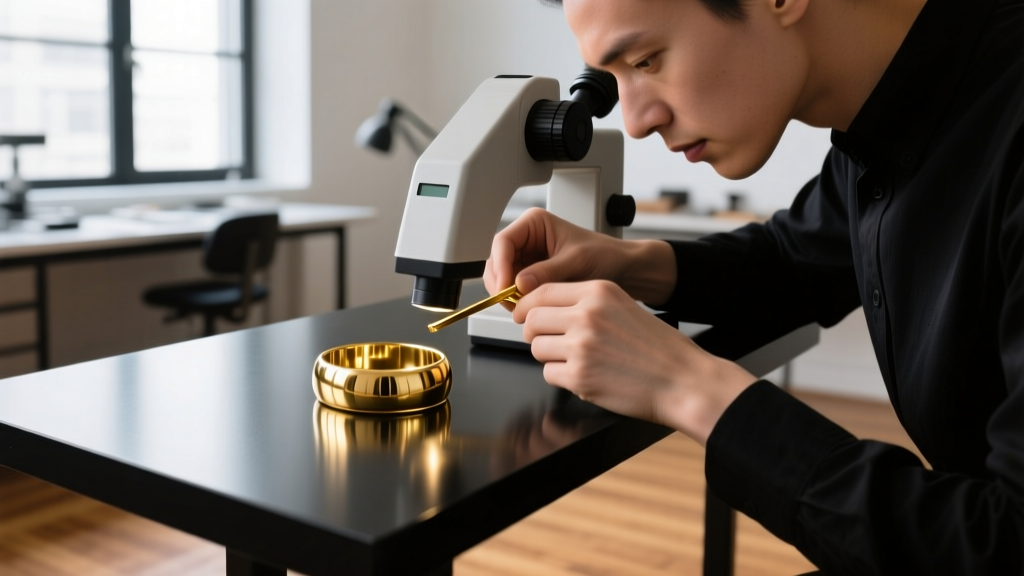
For consumers seeking longevity, understanding the regulatory and practical tiers of plating thickness is essential. The Gemological Institute of America (GIA) emphasizes that thickness, combined with the karatage of the plating, dictates the wear profile of the jewelry.
| Classification | Minimum Thickness | Typical Karat Range | Expected Lifespan (Daily Wear) |
|---|---|---|---|
| Gold Flash / Wash | < 0.175 µm | 18k - 24k | 1 - 3 Months |
| Standard Electroplate | 0.175 µm - 0.5 µm | 14k - 22k | 6 - 12 Months |
| Heavy Gold Electroplate (HGE) | 2.5+ µm | 10k - 18k | 2 - 5 Years |
| Gold Vermeil (Silver Base) | 2.5+ µm | 10k - 24k | 3 - 7 Years |
Base Metal Substrates: Compatibility and Galvanic Risks
The metal hiding beneath the gold dictates the structural integrity and allergy profile of the jewelry. While gold itself is hypoallergenic and inert, the substrate is not.
- Brass (Copper/Zinc Alloy): The most common substrate for fashion jewelry. It is inexpensive and easy to cast, but highly reactive. If the gold layer is breached, brass will rapidly oxidize, leaving a green copper carbonate residue on the skin.
- Sterling Silver (925): The required substrate for "Gold Vermeil." Silver is a noble metal, meaning it corrodes much slower than brass. If the gold wears through, the underlying silver tarnishes rather than turning the skin green, making it a vastly superior choice for sensitive skin.
- Stainless Steel (316L): Increasingly popular in modern plated gold jewelry due to its immense tensile strength and rigidity. However, steel requires specialized alkaline electroplating processes to ensure the gold adheres properly without peeling.
Failure Analysis: Why Plated Gold Jewelry Degrades
When plated gold jewelry fails, it rarely does so uniformly. Degradation is usually localized and driven by specific environmental or mechanical triggers.
"The most common point of failure in plated rings is the interior shank, where friction, sweat, and continuous skin contact create a perfect storm for galvanic corrosion and mechanical abrasion."
Galvanic Corrosion vs. Fretting
Human perspiration contains chlorides, urea, and lactic acid. When these electrolytes penetrate a micro-pore or scratch in the gold layer, they create a microscopic galvanic cell. The noble gold acts as the cathode, while the reactive brass substrate acts as the anode. This electrochemical reaction accelerates the oxidation of the base metal, causing it to literally dissolve and bleed through the gold as dark or green spots.
Conversely, fretting corrosion occurs in areas with micro-movements, such as the clasps of necklaces or the hinges of bracelets. The continuous friction physically wears away the micron layer, bypassing chemical reactions entirely. This is why heavy gold electroplate (HGE) or solid gold is strongly recommended for high-friction components like clasps and jump rings.
Expert Maintenance Protocols to Maximize Plating Lifespan
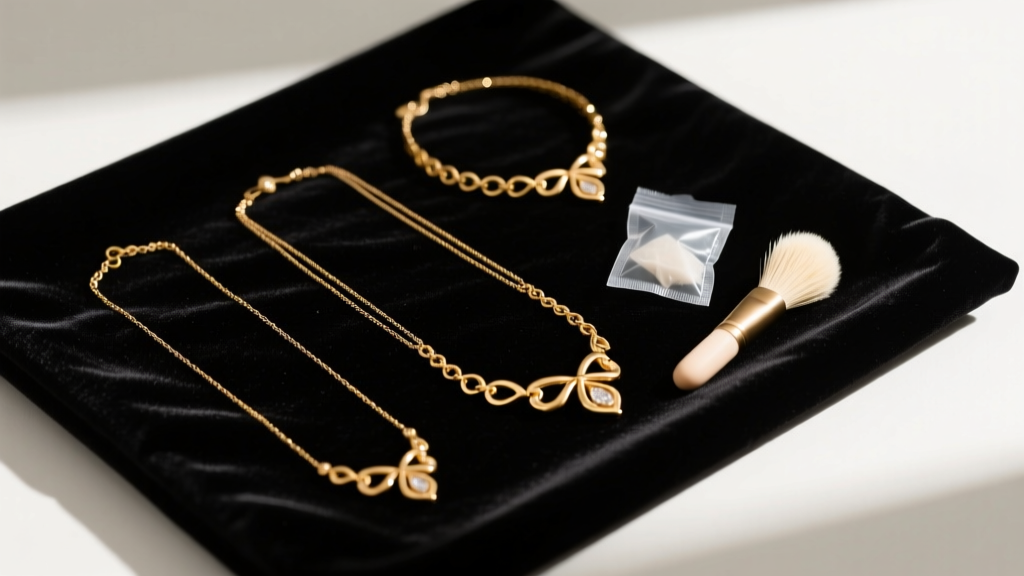
Standard jewelry cleaning advice can actually destroy plated gold jewelry. To preserve the micron layer and delay substrate exposure, follow these strict metallurgical care protocols:
- Avoid Ultrasonic Cleaners: The high-frequency cavitation bubbles generated by ultrasonic machines create microscopic shockwaves. If the gold plating has poor adhesion or micro-fractures, these shockwaves will delaminate the gold from the substrate, causing it to peel.
- Ban Thiourea-Based Dips: Commercial "instant tarnish removers" rely on thiourea, a chemical that strips oxidation by forming soluble coordination complexes. While safe for solid gold, thiourea will aggressively strip thin layers of gold plating right off the base metal.
- Use Non-Ionic Surfactants: Clean your pieces using a few drops of mild, non-ionic surfactant (like diluted baby shampoo) and lukewarm water. Gently agitate with a soft-bristled infant toothbrush, rinse in distilled water to avoid hard water mineral deposits, and pat dry with a lint-free microfiber cloth.
- Control Storage Humidity: Store plated gold jewelry in an airtight environment with silica gel desiccant packets. By keeping the relative humidity below 40%, you effectively starve the galvanic corrosion process of the moisture it needs to occur.
By understanding the electrochemical realities of plated gold jewelry, you can make informed purchasing decisions based on micron thickness and substrate quality, rather than misleading marketing terminology. Treat the plating as a precision-engineered surface, and it will reward you with years of brilliant wear.