Red Dress Gold Jewelry: Budget and Value Assessment
Discover how to style red dress gold jewelry on a budget. We assess the value of vermeil, gold-filled, and solid karats for occasion wear.

The Economics of Occasion Wear: Why Karat Matters
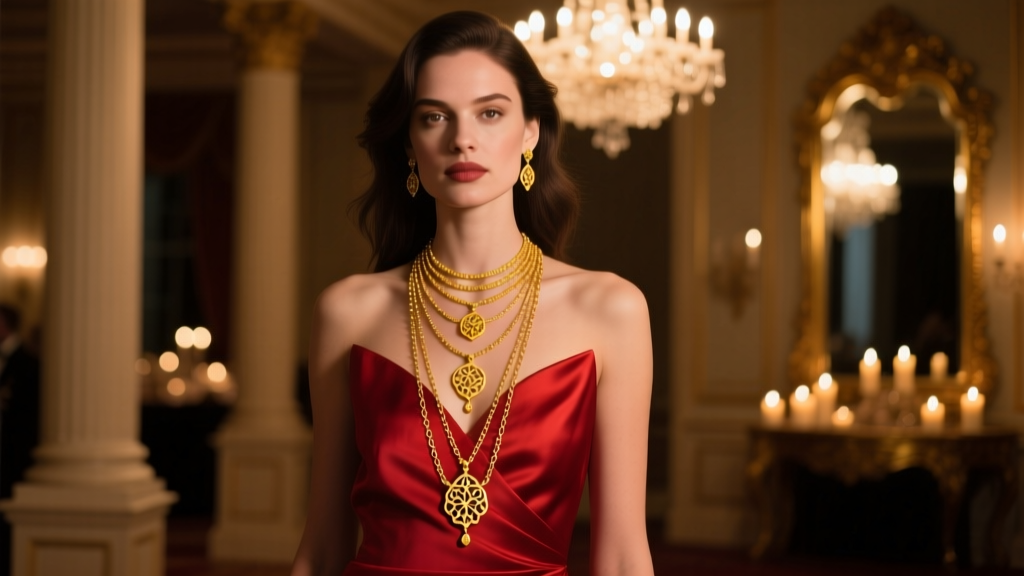
Pairing gold jewelry with a red dress is a timeless styling choice that commands attention. However, when building an occasion-wear collection, the line between a smart investment and an overpriced accessory blurs quickly. The striking contrast between warm gold and deep crimson fabric means your jewelry will be the focal point of your ensemble. This high visibility demands a strategic approach to budget and value assessment. Do you need solid 18k gold for a gala you will attend once, or will high-grade vermeil suffice? Understanding the metallurgical realities and market pricing of gold types is essential for maximizing your style budget without sacrificing the luxurious aesthetic that a red dress demands.
According to the Gemological Institute of America (GIA), pure 24k gold is too soft for intricate occasion-wear designs, making 14k and 18k the standard for fine jewelry. Yet, the price premium for solid gold is steep. A solid 14k gold statement cuff can easily retail between $600 and $1,200, whereas a visually identical high-quality vermeil piece might cost $120 to $180. The key to budget assessment lies in evaluating the 'cost-per-wear' and understanding the specific failure modes of alternative gold finishes when subjected to the friction and environmental factors of an evening event.
Value Matrix: Solid Gold vs. Vermeil vs. Gold-Filled
To make an informed purchasing decision, we must look past the marketing terminology and examine the actual material composition. The Federal Trade Commission (FTC) strictly regulates how gold jewelry can be labeled, providing a reliable framework for value assessment. Below is a comparative matrix tailored specifically for occasion wear with a red dress.
| Material Type | Composition & Specs | Price Range (Statement Piece) | Red Dress Suitability | Longevity & Failure Mode |
|---|---|---|---|---|
| Solid 14k Gold | 58.5% pure gold, alloyed with silver/copper | $450 - $900 | Excellent (heirloom quality, high prestige) | Lifetime. Fails only via severe physical bending or loss. |
| Solid 18k Gold | 75% pure gold, richer yellow hue | $700 - $1,500+ | Superior (deepest color contrast against red) | Lifetime. Softer than 14k; prongs may bend if snagged on silk. |
| Gold Vermeil | Sterling silver base, min 2.5 microns of 10k+ gold | $90 - $250 | Very Good (ideal for trend-driven event pieces) | 3-5 years. Fails via friction wear at clasps and high-contact edges. |
| Gold-Filled | Brass base, 1/20th 14k gold by weight (mechanically bonded) | $60 - $150 | Good (great for layered bracelets) | 5-10 years. Fails if the outer layer is cut or deeply scratched. |
| Gold Plated | Brass/copper base, <0.5 microns of gold | $20 - $60 | Poor (looks cheap under event lighting) | <1 year. Fails rapidly via skin pH reactions and sweat. |
For a budget-conscious stylist, Gold Vermeil offers the highest return on investment for red dress occasions. Because the base is sterling silver, it is hypoallergenic—a critical factor for heavy statement earrings worn for 8+ hours. Avoid standard gold-plated brass, as the copper content can react with your skin's pH and the perfume you wear to the event, leaving a greenish residue on your neck or earlobes.
Strategic Allocation: Where to Spend and Where to Save
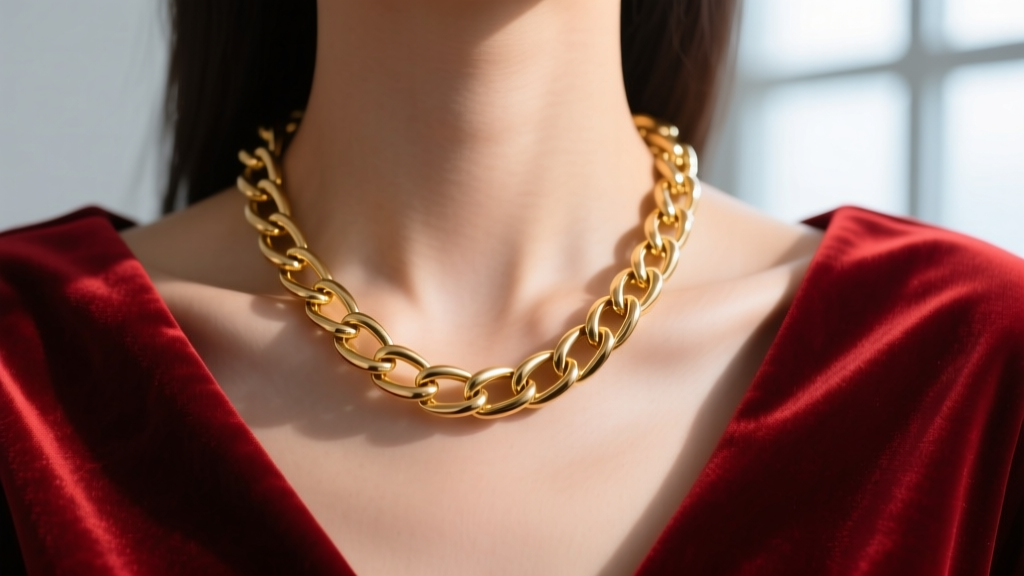
When styling red dress gold jewelry, not all pieces carry the same visual weight. A smart budget strategy involves allocating your funds based on visibility and structural stress.
Invest in Statement Earrings and Rings
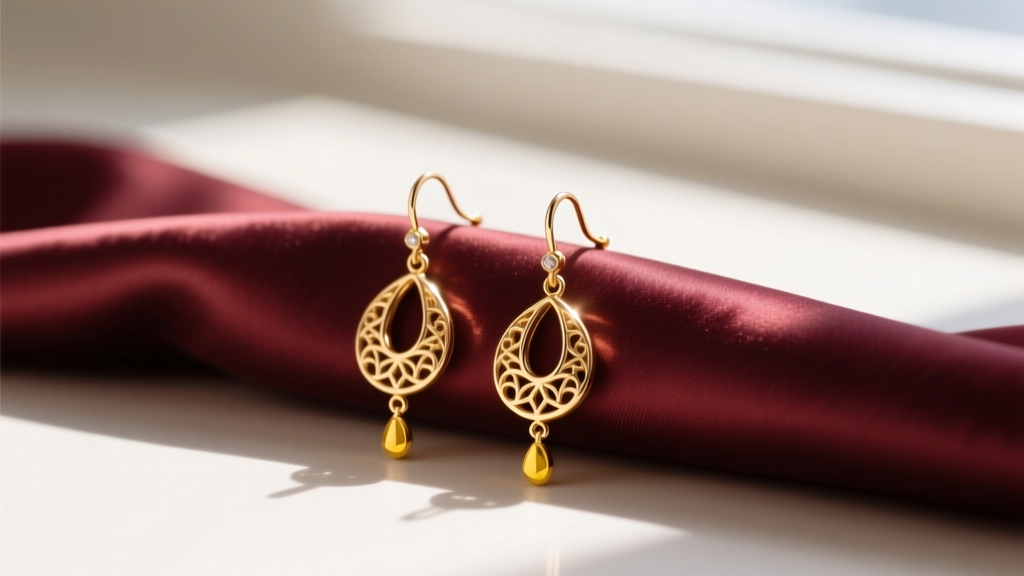
Earrings and cocktail rings are positioned directly in the line of sight during conversations and photographs. The lighting at evening events (often warm, dim, and directional) will catch the facets and polished surfaces of your gold. Here, investing in solid 14k or 18k gold is justified. A pair of solid 14k gold textured hoop earrings (approx. 4-6 grams) will cost around $250-$350 but will retain their brilliance and structural integrity indefinitely. Furthermore, rings endure the highest amount of physical abuse—bumping against glassware, tables, and handbags. Solid gold will not chip or reveal a base metal underneath when scratched.
Save on Layered Necklaces and Bracelets
Bracelets are frequently hidden by long sleeves or obscured when your arms are resting on a dining table. Similarly, complex layered necklaces can clash with the neckline of a red dress, particularly if it features a halter or detailed bodice. For these secondary pieces, high-quality gold-filled chains or thick vermeil pendants are the optimal budget choice. A 1/20 14k gold-filled paperclip chain provides the exact same visual luster as a solid chain but at roughly 15% of the cost, allowing you to achieve a luxurious, layered look without financial strain.
Color Theory: Matching Gold Alloys to Red Undertones
Red is not a monolith; the specific shade of your dress dictates which gold alloy will provide the best value in terms of aesthetic impact. The GIA notes that the alloys mixed with pure gold not only dictate durability but also the final color of the metal.
- Yellow Gold (14k/18k): Best for true, blue-based reds (like crimson or ruby). The warm, buttery tones of yellow gold create a classic, regal contrast. 18k yellow gold has a higher copper and pure gold content, yielding a richer hue that stands out brilliantly against cool reds.
- Rose Gold (14k): Best for warm, orange-based reds (like terracotta, rust, or tomato red). Rose gold contains a higher percentage of copper, which harmonizes with the warm undertones of the fabric, creating a cohesive, romantic aesthetic.
- White Gold (14k/18k): Best for deep, dark reds like burgundy or oxblood. Rhodium-plated white gold offers a modern, icy contrast that mimics platinum but at a lower price point, giving the outfit a contemporary, high-fashion edge.
Red Flags: Avoiding Overpriced 'Event' Collections
Many fast-fashion and mid-tier brands release specific 'Holiday' or 'Gala' collections featuring gold-toned jewelry priced at a 300% markup simply because it is marketed for occasion wear. To protect your budget, always check the hallmarks. Legitimate gold jewelry will bear a stamp indicating its purity (e.g., 14K, 18K, 585, 750) or its vermeil status (often stamped with '925' for the sterling silver base, sometimes accompanied by a maker's mark). If a brand is selling a heavy, chunky gold chain for $85 and it lacks a '925' or karat stamp, you are purchasing flash-plated brass. Under the harsh flash of event photography, cheap plating often reflects light with a harsh, brassy glare, instantly cheapening the look of an expensive red dress.
Post-Gala Care: Preserving Your Investment
The value of your jewelry is directly tied to how it is maintained after the event. Red dress occasions often involve perfume, hairspray, and champagne—all of which can degrade gold finishes. For solid gold pieces, a simple wash with warm water, a drop of mild dish soap, and a soft-bristled baby toothbrush will remove oils and restore brilliance. For vermeil and gold-filled pieces, avoid soaking them. Instead, wipe them gently with a damp microfiber cloth and dry them immediately. Store your occasion-wear pieces in individual anti-tarnish pouches to prevent the sterling silver bases from oxidizing, ensuring your red dress gold jewelry remains a valuable asset in your wardrobe arsenal for years to come.


