Repaint Gold Jewelry: Material Guide to Replating & Coatings
Learn how to repaint gold jewelry via electroplating, PVD, and liquid coatings. Compare material properties, durability, and restoration costs.
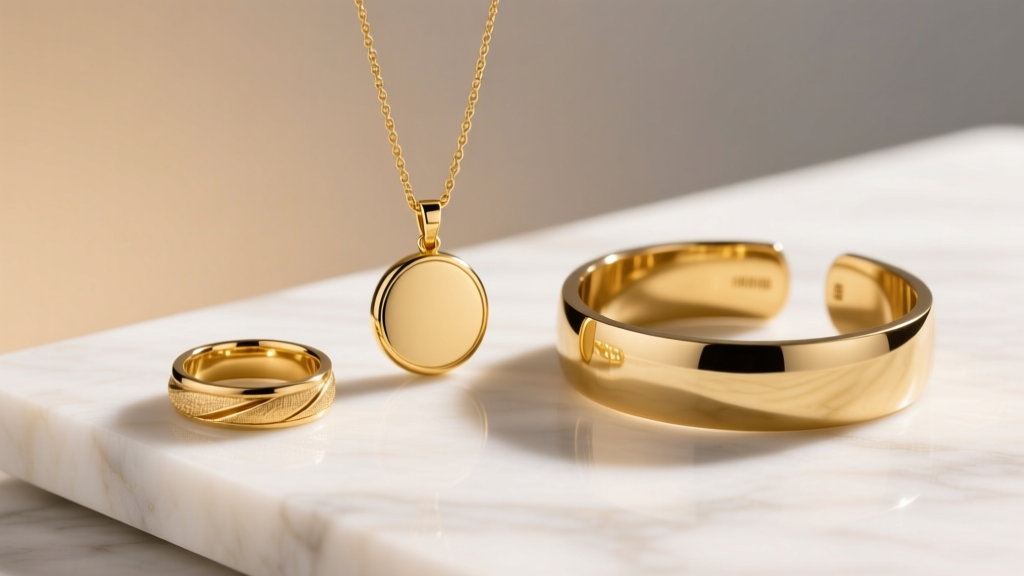
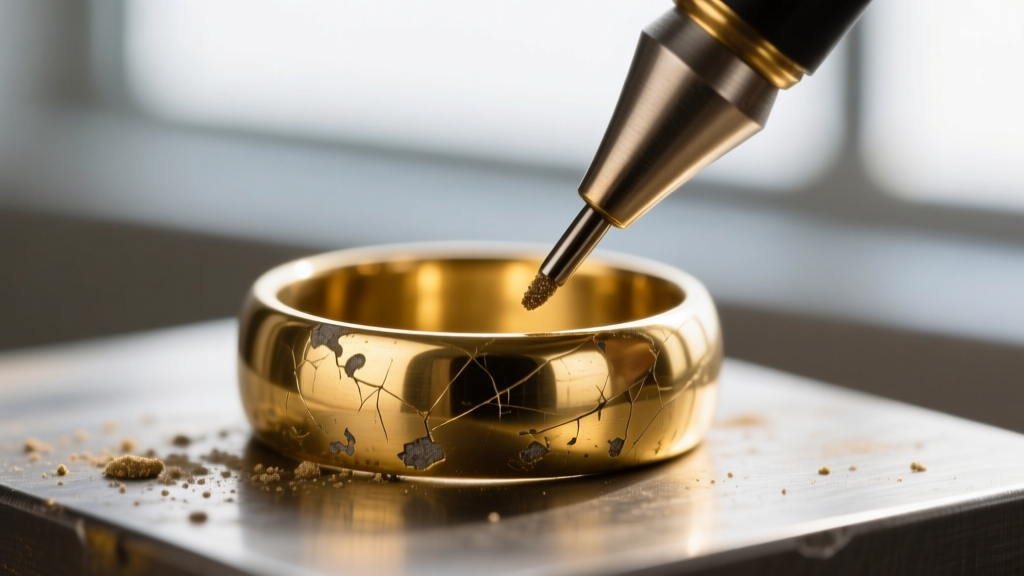
Decoding the Term: What Does it Mean to Repaint Gold Jewelry?
In the realm of fine jewelry, the phrase "repaint gold jewelry" is a colloquial misnomer that actually encompasses three distinct metallurgical and chemical restoration processes: electroplating, Physical Vapor Deposition (PVD), and the application of liquid gold paints or colloidal suspensions. Solid gold (10k, 14k, 18k, 24k) does not require repainting because its color and material properties are homogeneous throughout. However, gold-plated, gold-filled, and vermeil pieces eventually experience surface wear, exposing the base metal beneath.
When consumers search for ways to repaint gold jewelry, they are typically looking to restore the luster of a worn gold layer. To achieve a factory-quality finish, jewelers rely on material science, analyzing the hardness, thickness, and galvanic compatibility of the new gold layer against the substrate. According to the Ganoksin Project, the premier educational resource for jewelers, successful restoration requires understanding the exact micron thickness and alloy composition needed to withstand daily friction.
The Material Science of Gold Wear and Substrate Bleed
Before applying a new gold layer, one must understand why the original layer failed. Gold plating wears away due to mechanical abrasion and chemical degradation from skin pH and cosmetics. More critically, substrate bleed occurs when atoms from the base metal (usually brass, copper, or silver) migrate upward through the microscopic pores of the gold layer. This diffusion causes the gold to tarnish or take on a reddish/greenish hue.
To prevent this during the "repainting" process, a barrier layer—often a microscopic flash of nickel, palladium, or a high-cyanide gold strike—must be applied first. This barrier alters the galvanic potential between the base metal and the final gold layer, ensuring long-term color stability and adhesion.
Method 1: Electroplating (The Industry Standard for Replating)
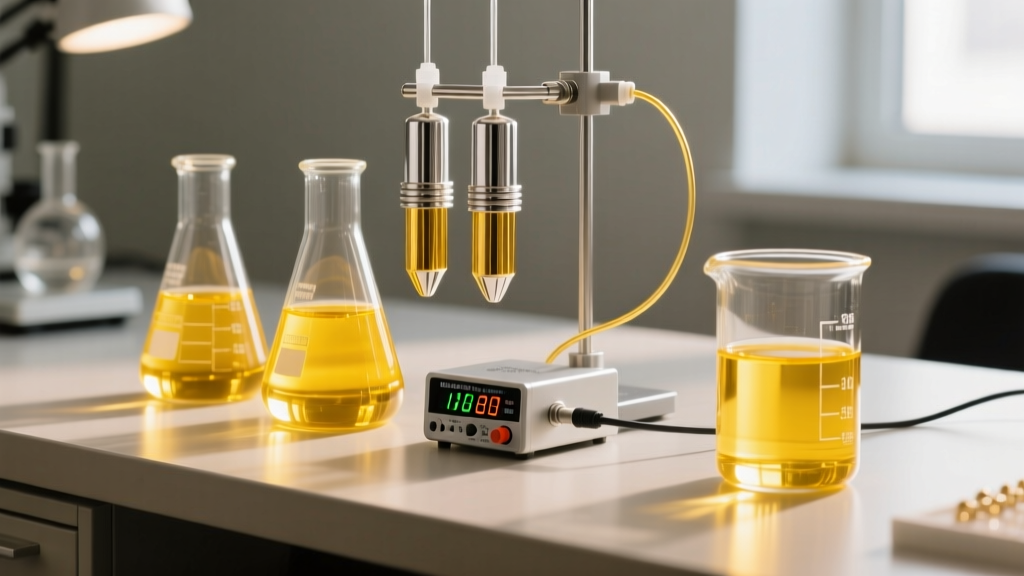
Electroplating is the most authentic way to repaint gold jewelry, utilizing an electrolytic bath to deposit a precise layer of gold onto the conductive surface of the piece. The material properties of the plated layer depend entirely on the chemical makeup of the plating solution and the electrical current applied.
Hard Gold vs. Soft Gold Alloys
Pure 24k gold is exceptionally soft, registering a mere 25 to 90 on the Knoop hardness scale (HK). If a ring is plated in pure 24k gold, the friction of daily wear will strip the gold within months. To combat this, jewelers use hard gold solutions, which alloy the gold with trace amounts (typically 0.1% to 0.5%) of cobalt or nickel. This increases the Knoop hardness to between 130 and 200 HK, making the replated surface highly resistant to scratching and wear.
- Flash Plating: 0.1 to 0.5 microns. Used for cheap costume jewelry; wears off in weeks.
- Standard Electroplate: 0.5 to 1.0 microns. Suitable for pendants and earrings with low friction.
- Heavy Gold Electroplate (HGE): 2.5 microns or greater. The Federal Trade Commission (FTC) mandates this minimum thickness for specific labeling. Essential for rings and bracelets.
Method 2: PVD (Physical Vapor Deposition) Coatings
For modern and alternative jewelry, PVD has emerged as a superior method to "repaint" or coat pieces in gold. Unlike electroplating, which uses liquid chemical baths, PVD is a vacuum-based process where solid gold (or gold-colored titanium nitride) is vaporized at the atomic level and bonded to the jewelry substrate.
The material properties of PVD coatings are vastly different from traditional electroplated gold. PVD layers are incredibly dense, non-porous, and boast a hardness that can exceed 2000 HK when using titanium nitride (TiN) base layers. While PVD is highly hypoallergenic and resistant to sweat and chlorine, it is notoriously difficult to strip or repair if scratched, meaning a damaged PVD coating often requires complete industrial stripping rather than a simple touch-up.
Method 3: Liquid Gold Paints and Colloidal Suspensions
When literal "paint" is required—such as restoring gold detailing on antique enamel pieces, repairing smart jewelry circuitry, or touching up inaccessible crevices where electroplating anodes cannot reach—jewelers turn to liquid gold paints. These are not standard craft paints; they are complex chemical suspensions.
Material Composition of Gold Paints
Professional liquid golds (often called "liquid bright gold" or LBG) consist of gold resinate dissolved in organic solvents and essential oils like rosemary or lavender oil to control viscosity. When applied with a fine sable brush and fired in a kiln at relatively low temperatures (around 700°C to 800°C for ceramics, or air-cured for specialized conductive pastes), the organic binders burn away, leaving behind a pure, albeit microscopically thin, layer of 22k to 24k gold.
Limitations: Because these paints leave a pure, unalloyed gold layer that is only a fraction of a micron thick, they possess virtually no structural hardness. They are strictly for decorative, low-friction applications and will rub off instantly if used to repaint the shank of a ring or the clasp of a bracelet.
Material Comparison Chart: Replating vs. PVD vs. Gold Paint
| Property | Electroplating (Hard Gold) | PVD Coating (TiN/Gold) | Liquid Gold Paint (LBG) |
|---|---|---|---|
| Composition | Gold alloyed with Cobalt/Nickel | Titanium Nitride + Gold vapor | Gold resinate in organic solvents |
| Knoop Hardness | 130 - 200 HK | 1500 - 2500 HK | 25 - 90 HK (Pure Gold) |
| Average Thickness | 1.0 - 3.0 microns | 0.5 - 2.0 microns | 0.1 - 0.3 microns |
| Adhesion Method | Galvanic / Electrolytic bond | Atomic / Vacuum bond | Thermal / Mechanical bond |
| Best Use Case | Rings, bracelets, daily wear | Watch cases, modern steel jewelry | Antique enamel, circuitry, crevices |
Preparation: The Hidden Material Challenge
The most common reason a "repainted" gold finish fails prematurely is improper surface preparation. You cannot simply plate over old, oxidized, or contaminated metal. The piece must undergo a rigorous multi-step stripping and electrocleaning process.
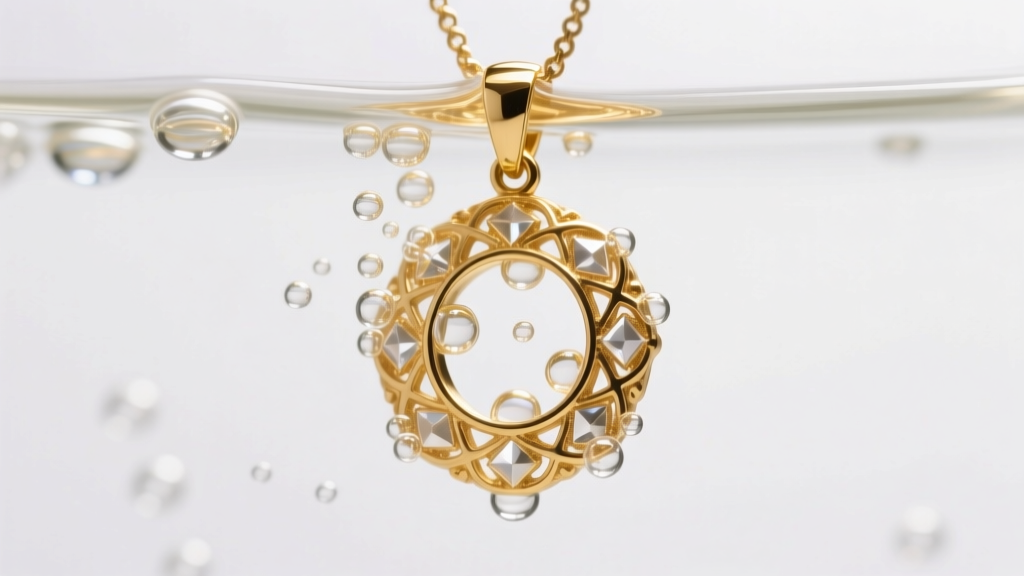
Jewelers use alkaline electrocleaning baths, where the jewelry is subjected to a reverse electrical current. This creates microscopic hydrogen bubbles directly on the surface of the metal, physically lifting away oils, dead skin cells, and polishing compounds that chemical solvents alone cannot remove. If a piece is plated without this step, the new gold layer will blister and flake off within days due to poor molecular adhesion.
Cost Analysis and Longevity Framework
Understanding the economics of restoring gold jewelry helps in deciding whether to replated or replace. As of current market rates, the cost to professionally electroplate a standard ring in 2.5 microns of 18k hard gold ranges from $45 to $85, depending on the complexity of the setting and the need for gemstone removal (as some plating chemicals can etch porous stones like turquoise or opals).
PVD coating is generally outsourced to specialized industrial labs and can cost upwards of $150 per piece due to the vacuum chamber batch requirements. Liquid gold paints are inexpensive per ounce but require high-level artisan skill to apply, making labor the primary cost driver. For heirloom pieces or high-quality vermeil (sterling silver base), investing in heavy electroplating offers the best material longevity, effectively resetting the lifecycle of the jewelry for another 3 to 5 years of active wear.