Can You Shower With Gold Plated Jewelry? A Stylist's Wear Test
Wondering if you can shower with gold plated jewelry? We break down plating science, 2026 trends, and exactly when to take your pieces off.

The Short Answer: Water, Soap, and the Plating Barrier
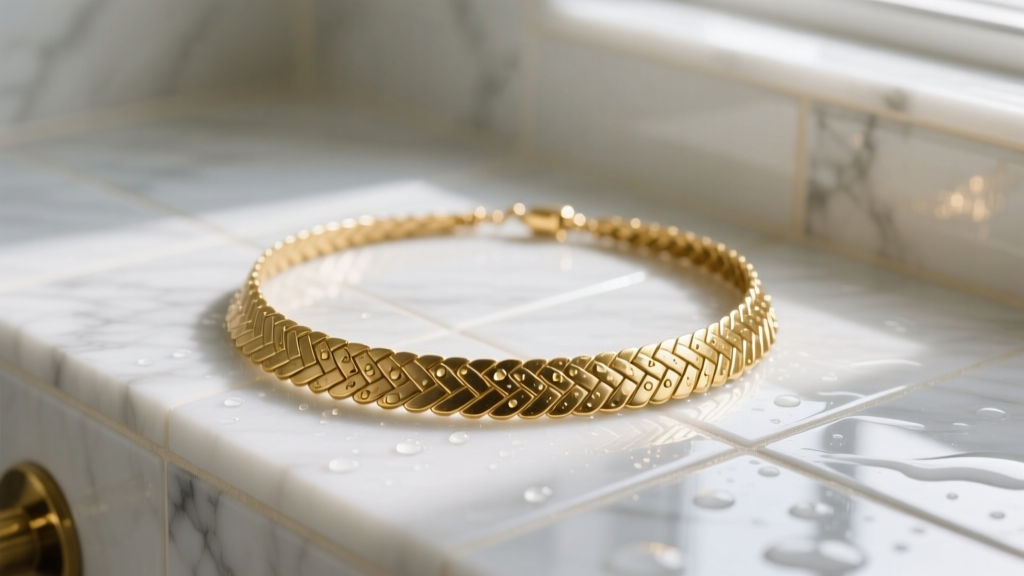
When clients ask me, can you shower with gold plated jewelry, the immediate answer is a cautious no—but the stylist's reality is far more nuanced. Gold plating is not a solid block of precious metal; it is a microscopic veneer. To understand how showering affects your favorite pieces, we have to look at the exact thickness of the gold layer and the chemical environment of your bathroom. According to the Federal Trade Commission (FTC) Jewelry Guides, standard gold plating must be at least 0.5 microns thick, while 'heavy gold plated' items reach around 2.5 microns. For context, a human hair is roughly 70 microns thick. When you step into a hot shower, you are exposing a sub-micron layer of gold to thermal expansion, abrasive surfactants, and chemically treated water.
The heat from a standard 105°F shower causes the base metal (usually brass or copper) to expand at a different rate than the gold layer above it. This thermal shock creates microscopic fissures. Once those fissures form, the sulfates and chlorides in your body wash seep in, triggering galvanic corrosion. The result? The dreaded green skin and the rapid flaking of the gold finish. However, not all plated jewelry is created equal, and the 2026 style landscape has introduced new technologies that completely change this old rule.
The 2026 Aesthetic Shift: Pristine PVD vs. 'Lived-In' Vermeil
In the current style cycle, we are seeing a massive bifurcation in how consumers treat their gold-toned accessories. On one side, the 'Clean Girl' aesthetic has evolved into a demand for hyper-durable, waterproof metals. This has driven the explosion of PVD (Physical Vapor Deposition) gold coatings. PVD is not a traditional electroplated liquid bath; it is a vaporized molecular bonding process usually applied to stainless steel. If your 'gold plated' piece is actually PVD-coated surgical steel, you can absolutely shower with it daily. It will survive years of hot water and soap without fading.
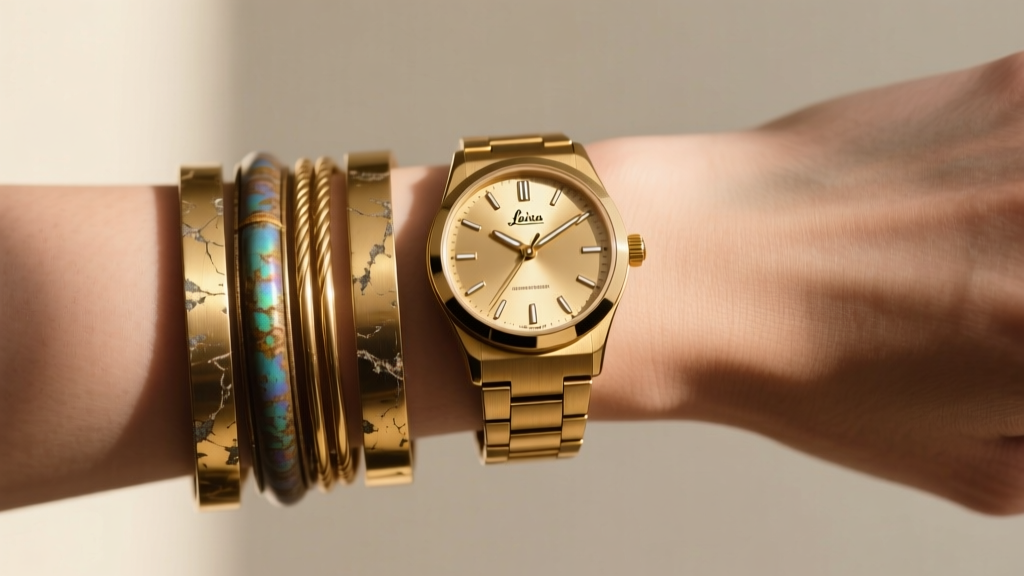
On the opposite end of the trend spectrum is the 'Wabi-Sabi' or vintage revival movement. Many high-end boutique designers are intentionally using traditional, thinner gold plating over brass or copper cores to achieve a specific aesthetic. In 2026, slightly oxidized, 'lived-in' gold that shows hints of the dark base metal at the high-friction edges is highly sought after for bohemian and heritage-inspired looks. If you are wearing a piece meant to develop a patina, showering with it will accelerate that aging process. The key is knowing which category your jewelry falls into before you step under the showerhead.
Material Breakdown: Standard Plating vs. Vermeil vs. PVD
To make informed decisions about your daily wear, you need to know exactly what you are buying. Here is how the three main categories of gold-toned jewelry survive the shower environment:
| Plating Type | Thickness / Process | Base Metal | Shower Survival Rate | 2026 Trend Status |
|---|---|---|---|---|
| Flash Plated | < 0.5 microns | Brass / Zinc Alloy | 1 to 3 months | Fast Fashion / Declining |
| Standard Gold Plated | 0.5 - 1.5 microns | Brass / Copper | 3 to 6 months | Vintage / Heritage Aesthetics |
| Gold Vermeil | 2.5+ microns | Sterling Silver (925) | 1 to 2 years | Accessible Luxury / Staple |
| PVD Gold Coating | Molecular Vapor Bond | 316L Stainless Steel | 5+ years | Waterproof / Active Lifestyle |
"The shift in 2026 isn't just about avoiding water; it's about understanding your base metal. A brass core will turn your skin green through microscopic plating fractures long before the gold itself fades."
The Hard Data: How City Water Degrades Plated Pieces
Let's look at the actual chemistry of your shower water. The Gemological Institute of America (GIA) notes that gold is highly resistant to corrosion, but the alloys mixed into the gold plating bath (like copper and silver to create 14k or 18k colors) are not. Furthermore, municipal water supplies are treated with chloramines to kill bacteria. Chloramines are highly reactive with copper and zinc. When chloramine-rich water sits in the crevices of a 1.2mm herringbone chain, it eats away at the brass core from the inside out.
Hard water presents a different threat. Water high in calcium and magnesium leaves behind microscopic mineral deposits (scale) when it evaporates. If you wipe your jewelry dry with a towel after a shower, you are essentially rubbing hard, jagged calcium crystals across a 1-micron layer of soft gold. This causes micro-abrasions that dull the mirror finish, turning a brilliant 18k yellow gold into a cloudy, matte surface over just a few weeks. This is why air-drying or gently patting with a microfiber cloth is critical if you accidentally get your pieces wet.
The Stylist's Decision Matrix: When to Keep It On vs. Take It Off
As a stylist, I don't expect my clients to live in a bubble. Here is my practical framework for deciding when to remove your gold plated jewelry before bathing:
- Always Remove: Delicate chains (under 1.5mm gauge), rings with porous gemstones (opal, pearl, turquoise) set in plated brass, and any piece with a 'flash plated' price tag (under $40). The crevices in chains trap soap scum, and porous stones will absorb the chemicals, destroying both the stone and the plating adhesive.
- Conditional (Vermeil): Heavy gold vermeil (2.5+ microns over sterling silver) can survive an occasional quick rinse. Sterling silver does not contain copper or zinc, so it won't trigger the green-skin galvanic reaction if the plating wears thin. However, daily exposure to hot water will still degrade the gold layer 3x faster than dry wear.
- Safe to Shower (PVD): If your piece is marketed as 'waterproof gold' or 'tarnish-free,' it is likely PVD-coated stainless steel. You can shower, swim in the ocean, and sweat in these pieces without any structural or aesthetic degradation to the gold color.
Reviving and Re-plating Water-Damaged Jewelry
If you have already showered with your gold plated jewelry and noticed fading, rubbing alcohol or harsh chemical dips will only strip the remaining gold. Instead, use a specialized jewelry polishing cloth (like a Sunshine cloth) that contains micro-abrasives and anti-tarnish agents. Gently buff the piece to remove hard water scale and oxidized base metal seepage.
For high-sentiment pieces that have completely lost their gold layer, professional re-plating is a highly viable option. In 2026, local jewelers and mail-in services charge between $45 and $85 to re-plate a simple ring or pair of hoops in 2.5 microns of 14k or 18k gold. Complex, multi-strand chains or pieces with intricate filigree can cost upwards of $150 due to the labor involved in masking off gemstones and ensuring an even electrical current during the electroplating bath. Ultimately, understanding the limits of your jewelry's metallurgy allows you to style with confidence, knowing exactly which pieces can handle the steam and which belong safely in your vanity drawer.


