Troubleshooting Tarnish: The Best Gold Plated Jewelry Brands in 2026
Stop green skin and fading finishes. We troubleshoot tarnish and reveal the best gold plated jewelry brands using thick micron and PVD coatings.

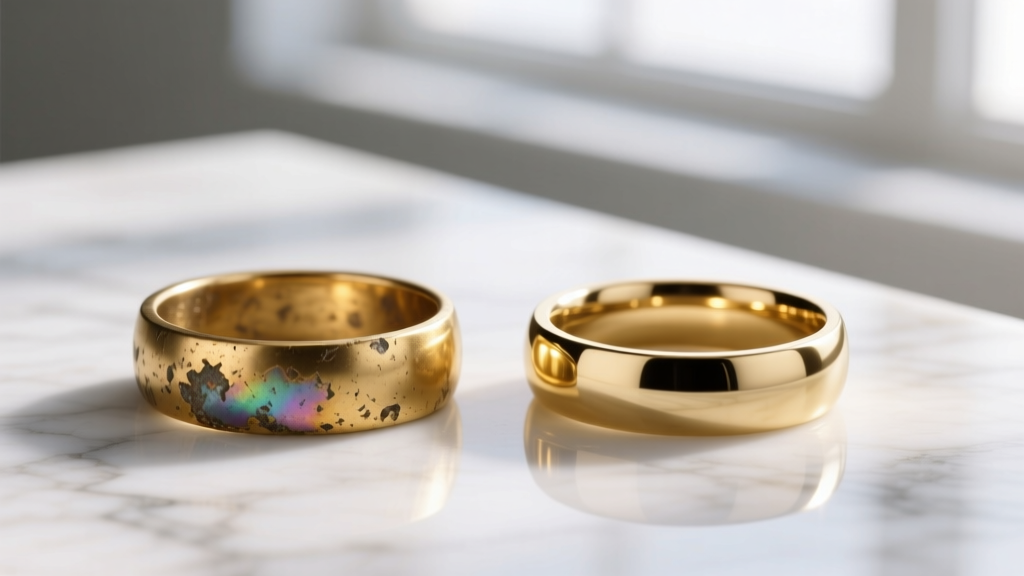
The Anatomy of Plating Failure: Why Your Jewelry Turns Green
There is a specific, sinking feeling that comes with taking off your favorite gold-plated chain only to find a ring of green oxidation on your skin and a dull, brassy undertone emerging on the metal. As a jewelry metallurgist and style analyst, I field countless complaints about plated jewelry failing within weeks of purchase. The root cause is rarely bad luck; it is almost always a mismatch between the jewelry's manufacturing technique and the wearer's biological and environmental exposure.
To solve this, we must first understand galvanic corrosion. Most budget-friendly gold-plated jewelry uses a brass or copper alloy base. When the microscopic pores in a thin layer of electroplated gold are exposed to human sweat (which acts as a saline electrolyte), a micro-battery effect occurs. The base metal oxidizes rapidly, migrating through the gold layer and depositing copper chloride onto your skin. Furthermore, according to the Federal Trade Commission Jewelry Guides, a piece can only be legally marketed as 'gold plated' if the electroplated layer is at least 0.175 microns thick. Anything less is considered 'flash plated' and will wear through from simple friction against clothing in a matter of days.
Troubleshooting this issue requires abandoning flash-plated brass entirely and identifying the best gold plated jewelry brands that utilize advanced base metals and superior deposition technologies. In 2026, the market has bifurcated into two distinct camps: heavy-micron vermeil and PVD-coated stainless steel. Choosing the right one depends entirely on your specific wear habits.
Decoding Plating Tech: Electrolytic Vermeil vs. PVD Coating
Before we diagnose which brand will solve your tarnishing woes, you must understand the two dominant technologies currently battling for market supremacy. The Gemological Institute of America (GIA) outlines traditional karatage and plating standards, but modern material science has pushed beyond basic electrolysis.
Traditional Electroplating and Gold Vermeil
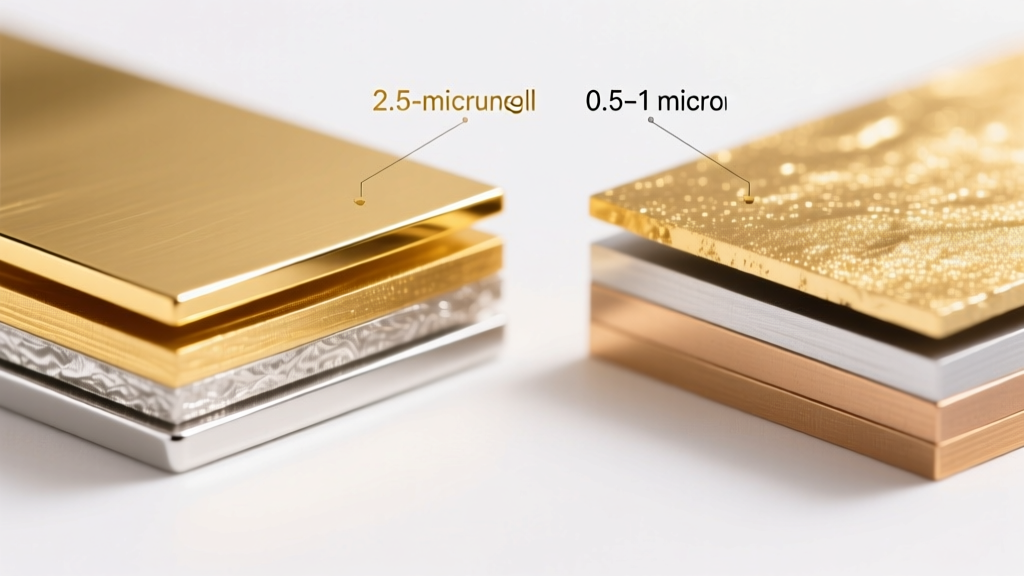
Electroplating uses an electrical current to dissolve gold ions and bond them to a base metal. When this process is applied to a sterling silver base with a minimum thickness of 2.5 microns, it is classified as gold vermeil. Vermeil is the gold standard for sensitive skin because sterling silver is inherently hypoallergenic and does not contain the nickel or copper that triggers contact dermatitis. However, gold is a soft metal. Even a 2.5-micron layer will eventually scratch and wear away if subjected to heavy friction or acidic sweat.
Physical Vapor Deposition (PVD)
PVD is a vacuum-chamber process where gold (often bonded with titanium nitride for structural integrity) is vaporized and condensed onto a base metal at a molecular level. PVD coatings are typically applied to 316L surgical stainless steel. While the actual gold layer might be thinner than vermeil (often around 0.5 to 1 micron), the molecular bond and ceramic-like hardness of the PVD layer make it up to 10 times more resistant to friction, sweat, and water exposure than traditional electroplating. If your primary problem is jewelry tarnishing at the gym or in the shower, PVD is your required solution.
Troubleshooting Guide: Matching the Brand to Your Wear Habit
The phrase 'best gold plated jewelry brands' is subjective because a brand that excels in delicate, hypoallergenic vermeil will fail a user who wants to wear their chains in the ocean. Here is how to troubleshoot your specific lifestyle needs and select the correct manufacturer.
Scenario A: The Heavy Sweater and Daily Wearer
The Problem: Your necklaces turn brassy at the clasp, and rings leave green marks after gym sessions or summer commutes. The Fix: You need 316L stainless steel with PVD coating. Avoid sterling silver bases, as the softness of silver accelerates friction wear. Top Brand Picks:
- Hey Harper: Pioneers in the 'waterproof' jewelry space. They use a proprietary PVD coating over stainless steel that genuinely withstands chlorinated pools and heavy perspiration without flaking.
- Cider: Offers highly trend-driven, chunky stainless steel pieces with thick PVD gold layers. Excellent for heavy, everyday rings and chains that take a beating against desks and weights.
- Jaxxon: While famous for solid gold, their Italian-made PVD stainless steel chains (like the Cuban links) offer incredible tensile strength and color retention for men's daily wear.
Scenario B: The Sensitive Skin and Occasional Wearer
The Problem: Stainless steel or brass bases cause your ears to itch, or your skin breaks out in contact dermatitis, but solid 14k gold is outside your budget. The Fix: You need strict 2.5+ micron gold vermeil over nickel-free sterling silver, ideally sealed with an anti-tarnish e-coating. Top Brand Picks:
- Mejuri: The industry benchmark for accessible vermeil. Their 14k and 18k gold vermeil over sterling silver is meticulously finished. To prevent tarnish, store their pieces in the provided anti-tarnish pouches when not in use.
- Monica Vinader: A luxury-tier brand that utilizes 100% recycled sterling silver and thick 18k gold vermeil, finished with a proprietary anti-tarnish lacquer that extends the life of the plating by years.
- Gorjana: Best for delicate, layered aesthetics. Their plating is thinner than Mejuri's, making it unsuitable for heavy friction, but perfect for lightweight earrings and fine chains worn in climate-controlled environments.
Comparative Data: 2026 Brand Performance Matrix
To help you make an evidence-based purchasing decision, I have compiled a performance matrix comparing the top contenders based on metallurgical data and real-world wear testing.
| Brand | Base Metal | Plating Method | Thickness / Tech | Price Range | Best Troubleshooting Fit |
|---|---|---|---|---|---|
| Hey Harper | 316L Stainless Steel | PVD Coating | Molecular Bond | $50 - $150 | Gym-goers, swimmers, heavy sweaters |
| Mejuri | Sterling Silver (925) | Electrolytic | 2.5+ Microns (Vermeil) | $60 - $250 | Sensitive skin, office wear, fine jewelry lovers |
| Cider | Recycled Stainless Steel | PVD Coating | Heavy PVD Layer | $20 - $80 | Trend-driven daily wear, chunky rings |
| Monica Vinader | Sterling Silver (925) | Electrolytic + E-Coat | 2.5+ Microns + Lacquer | $100 - $400 | Heirloom aesthetics, occasional luxury wear |
| Gorjana | Brass / Silver Blend | Electrolytic | Standard Plating | $40 - $120 | Delicate layering, low-friction environments |
The 3-Step Maintenance Protocol: Extending Plating Life by 300%
Even the best gold plated jewelry brands cannot defy the laws of chemistry if the pieces are abused. Implementing a strict maintenance protocol will drastically reduce the rate of galvanic corrosion and mechanical wear.
Step 1: Neutralize the Electrolyte
Sweat, perfume, and lotion act as electrolytes that accelerate the breakdown of both PVD and vermeil layers. You must create a barrier. Apply all perfumes, hairsprays, and lotions at least 10 minutes before putting on your jewelry. If you sweat heavily, rinse your PVD stainless steel jewelry in distilled water immediately after your workout and pat it completely dry. Do not let sweat air-dry on the metal.
Step 2: Eliminate Mechanical Friction
Gold is rated at 2.5 to 3 on the Mohs hardness scale, making it softer than a copper penny. Never sleep in gold-plated chains or rings. The friction against cotton sheets and the pressure against your mattress will micro-abrasion the plating down to the base metal in weeks. Store pieces individually in soft microfiber pouches to prevent them from scratching each other in your jewelry box.
Step 3: Use pH-Neutral Cleaning Agents Only
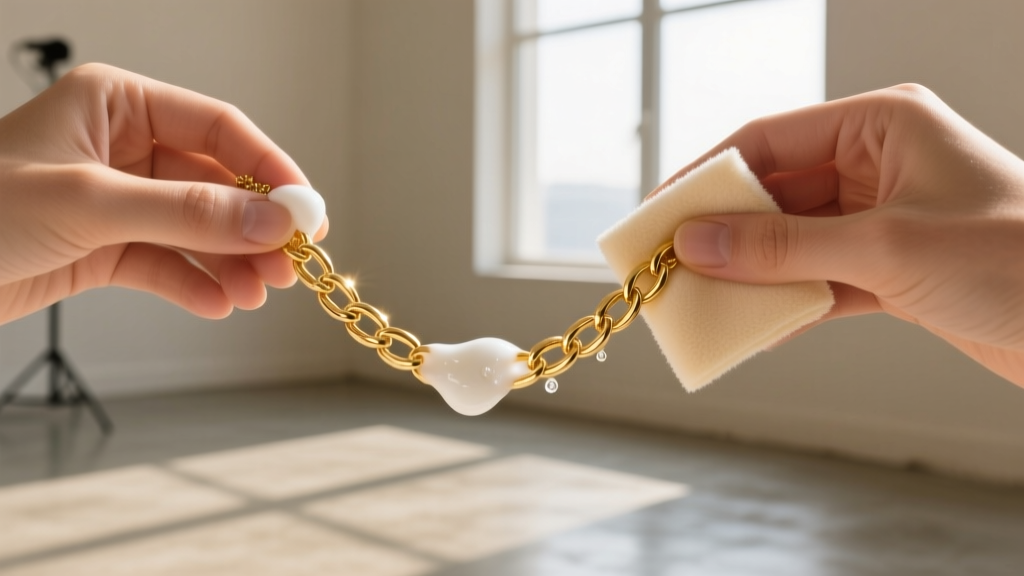
Discard any commercial 'jewelry dips' or ultrasonic cleaners. These rely on harsh ammonia or thiourea-based chemicals that will strip electroplated gold instantly and degrade PVD coatings over time. Instead, use a few drops of pH-neutral, phosphate-free dish soap (like Dawn) in lukewarm water. Gently agitate the piece with a baby-soft toothbrush, rinse thoroughly, and dry immediately with a lint-free microfiber cloth.
Final Verdict: Stop Settling for Flash-Plated Brass
The era of accepting green skin and flaking gold as an unavoidable consequence of affordable jewelry is over. By understanding the metallurgical differences between PVD-coated stainless steel and heavy-micron gold vermeil, you can strategically select the best gold plated jewelry brands that align with your biological chemistry and daily routines. If you live an active, high-sweat lifestyle, invest heavily in PVD pioneers like Hey Harper. If your priority is hypoallergenic luxury for sensitive skin, stick to the rigorous vermeil standards set by Mejuri and Monica Vinader. Diagnose your wear habits, respect the material science, and your gold finishes will maintain their brilliance for years, not weeks.


