Best Jewelry Cleaner for Gold Plated Jewelry: A Budget Value Guide
Discover the true cost of maintaining gold-plated pieces. We compare DIY vs commercial jewelry cleaner for gold plated jewelry to maximize your budget.

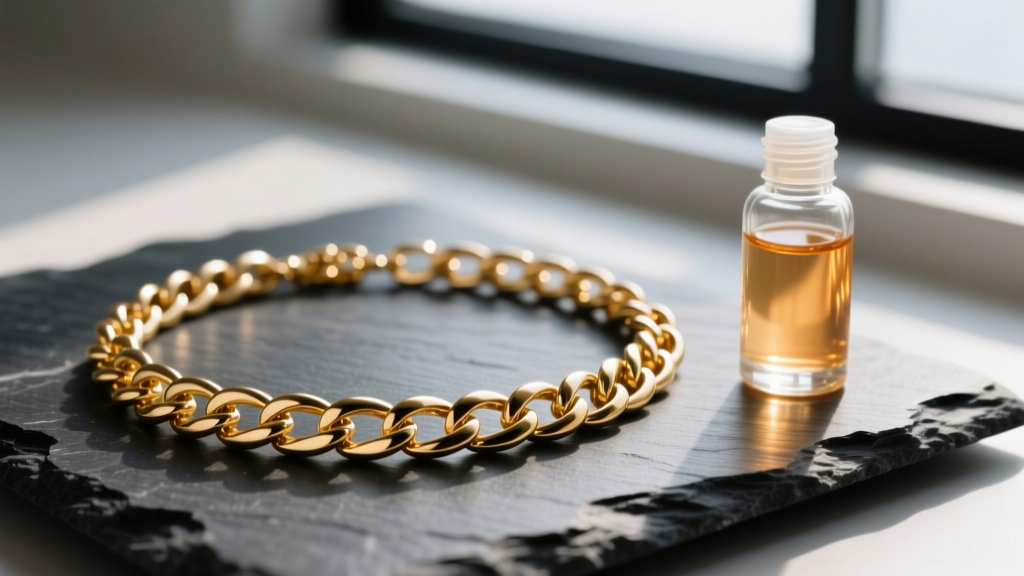
When you invest in gold-plated jewelry, you are paying for the luxurious aesthetic of solid gold at a fraction of the cost. However, the budget-friendly nature of these pieces comes with a hidden maintenance trap. Choosing the wrong jewelry cleaner for gold plated jewelry can strip the delicate micron-layer of gold in seconds, transforming a $60 statement piece into unwearable base metal. From a budget and value assessment perspective, the cost of the cleaner is negligible compared to the cost of replating or replacing the item. In 2026, with professional replating costs averaging between $75 and $150 per item, preserving your jewelry's plating is a critical financial decision.
The Financial Reality of Gold Plating and Micron Thickness
To understand why specialized care is non-negotiable, you must understand the physical anatomy of gold-plated jewelry. Unlike solid 14k or 18k gold, plated jewelry consists of a base metal (usually brass, copper, or sterling silver) coated with a microscopic layer of gold. According to the Federal Trade Commission (FTC) Jewelry Guides, the thickness of this layer dictates its durability and value.
- Flash Plating (0.175 microns): Often found in ultra-budget fast-fashion jewelry. This layer is practically a dusting and can wear off in weeks.
- Standard Gold Plated (0.5 microns): The industry standard for mid-range fashion jewelry. It offers a lifespan of 1 to 2 years with daily wear and proper care.
- Heavy Gold Electroplate / Vermeil (2.5+ microns): High-value plated jewelry. When applied over sterling silver, this is legally classified as gold vermeil, offering a lifespan of 3 to 5+ years.
When you use an abrasive or highly alkaline cleaner, you are actively dissolving these microns. Once the gold is gone, the base metal is exposed to oxygen and moisture, leading to rapid oxidation. You are no longer cleaning the jewelry; you are accelerating its depreciation.
Commercial vs. DIY: A Cost-Benefit Analysis
Walk down the aisle of any department store, and you will see commercial jewelry dips priced between $8 and $15. But are they safe for plated items? We evaluated the top cleaning methods based on cost per use, chemical safety, and long-term value preservation.
| Cleaning Method | Cost Per Use | pH Level | Risk to Plating | Best Use Case |
|---|---|---|---|---|
| Commercial Liquid Dips (e.g., Connoisseurs) | $0.15 - $0.25 | High (9.0 - 11.0) | Severe | Solid gold and platinum only |
| Specialized Plating Sprays | $0.40 - $0.60 | Neutral (7.0) | Low | Light dust and fingerprint removal |
| Ultrasonic Cleaners | $0.05 (water only) | Neutral (7.0) | Moderate to High | Solid metals; causes micro-fractures in plating |
| Dish Soap & Lukewarm Water (DIY) | $0.02 | Mild (7.5 - 8.5) | Very Low | Safe daily/weekly cleaning for all plated items |
| Baking Soda & Aluminum Foil | $0.05 | Alkaline (8.3 - 9.0) | High | Silver only; causes galvanic stripping on gold plate |
As the data illustrates, the most expensive commercial dips are actually the most dangerous for your budget. The high alkalinity required to strip heavy tarnish from solid silver will simultaneously strip the gold alloy from plated brass. The Gemological Institute of America (GIA) consistently advises against harsh chemical dips for any treated or plated surfaces, recommending mild surfactants instead.
The Chemistry of Ruin: Ingredients to Strictly Avoid
When evaluating a jewelry cleaner for gold plated jewelry, turn the bottle around and read the ingredient list. If you spot any of the following, put it back on the shelf. Using these chemicals will instantly void the value of your piece.
1. Ammonia
Ammonia is a staple in commercial jewelry dips because it aggressively cuts through grease and tarnish. However, it also reacts with the copper and zinc alloys often mixed into the gold plating layer to give it color and hardness. Ammonia causes 'stress corrosion cracking' in these alloys, leading to microscopic flaking of the gold layer.
2. Chlorine and Bleach
Chlorine is the ultimate enemy of gold. Even in low concentrations (like swimming pool water), chlorine attacks the base metal beneath the plating. If there is a microscopic pinhole in the plating, chlorine will seep in, corrode the brass or copper core, and create a blistering effect that pushes the gold layer off from the inside out.
3. Alcohol and Acetone
While alcohol won't dissolve gold, it is highly detrimental to the structural integrity of the piece. Many gold-plated items feature resin-set gemstones or glued components. Alcohol and acetone degrade these adhesives, causing stones to fall out and rendering the piece unwearable.
"The most common mistake consumers make is treating gold-plated jewelry like solid 14k gold. Plating is a surface treatment, not a structural material. Harsh chemicals don't just clean; they dissolve the investment."
— Master Jeweler & Metallurgist
The $5 Value-Preserving Cleaning Protocol
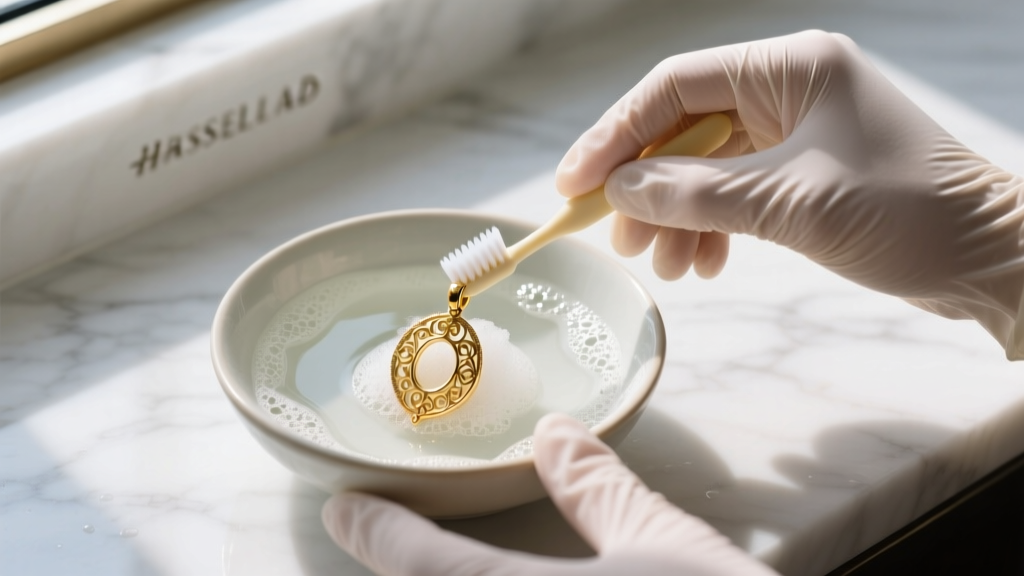
You do not need to spend $20 on a boutique-branded spray to maintain your gold-plated collection. A standard bottle of pH-neutral, lotion-free dish soap (like original Dawn) costs less than $5 and will last you years. Here is the exact, step-by-step protocol used by jewelry conservators to clean plated items without degrading the micron layer.
Step 1: The Temperature Check
Fill a glass bowl with lukewarm water. The ideal temperature is around 90°F to 95°F (32°C to 35°C). Hot water expands the base metal at a different rate than the gold plating, which can cause micro-cracking and peeling over time. Never use boiling water.
Step 2: The Surfactant Mix
Add exactly two drops of mild, phosphate-free dish soap to the water. Swirl gently to create a light lather. Avoid soaps with added moisturizers or citrus extracts, as citric acid can etch the gold surface over prolonged exposure.
Step 3: The Agitation Technique
Submerge the jewelry for no more than 3 to 5 minutes. This is enough time to loosen skin oils, lotions, and environmental dust. Using a baby toothbrush (which has ultra-soft nylon bristles), gently sweep the bristles over the metal. Do not scrub in circles; use light, directional strokes to push debris out of crevices.
Step 4: The Rinse and Dry
Rinse the piece under a gentle stream of lukewarm distilled water. Tap water contains minerals and trace chlorine that can leave water spots or cause long-term oxidation. Immediately pat the jewelry dry with a lint-free microfiber cloth. Never air-dry gold-plated jewelry, as water spots will bake onto the surface and require aggressive polishing to remove.
Triage: When to Stop Cleaning and Start Replating
Part of a sound budget assessment is knowing when a piece has crossed the point of no return. If your gold-plated jewelry is looking dull, you must determine if it is suffering from surface tarnish or plating loss.
- Surface Tarnish (Cleanable): The piece looks cloudy, brown, or slightly greenish, but the surface is smooth. This is oxidized oils and environmental sulfur. The DIY soap protocol above will restore the shine.
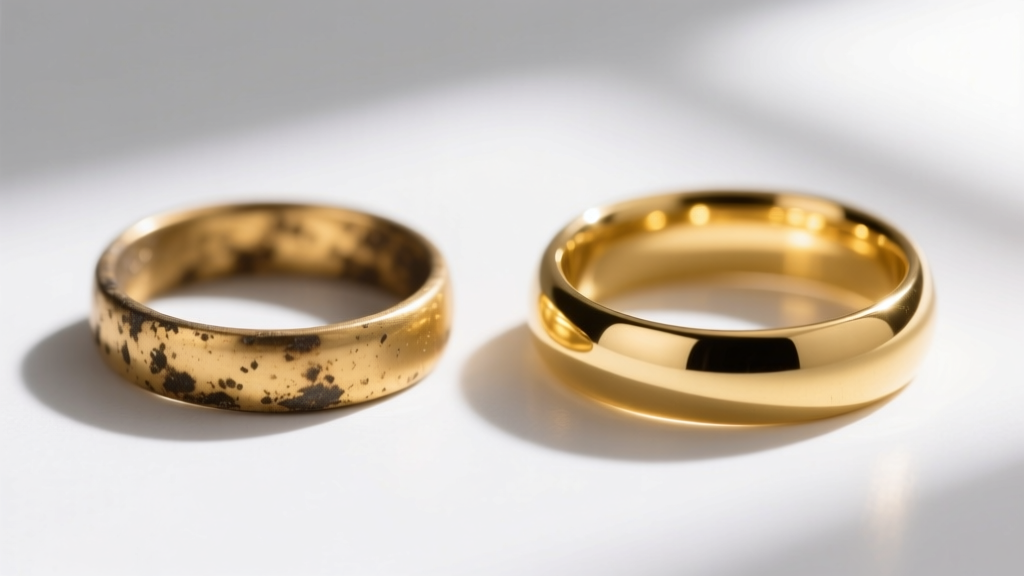
- Plating Loss (Not Cleanable): You see distinct patches of yellow (brass), reddish-brown (copper), or grey (nickel/silver) showing through. The metal feels rough or pitted. No cleaner will fix this.
If you have reached the plating loss stage, your budget options are twofold. You can take the item to a local electroplater to have it stripped and replated (costing $75 to $150), which is only financially viable if the piece holds high sentimental value or was originally an expensive designer item. Otherwise, the most budget-conscious decision is to retire the piece and reinvest in a higher-quality item, perhaps stepping up to gold vermeil or solid 10k gold, which requires far less meticulous maintenance.
Ultimately, the best jewelry cleaner for gold plated jewelry is one that respects the delicate chemistry of the micron layer. By abandoning harsh commercial dips in favor of gentle, pH-balanced surfactants, you protect your initial investment and ensure your favorite pieces continue to shine for years to come.


