Classic Gold and Rose Gold Jewelry: Alloy Properties Compared
Compare classic gold and rose gold jewelry alloys. Discover copper ratios, durability, tarnish resistance, and pricing for 14k and 18k pieces.

When selecting fine jewelry, the choice between traditional yellow gold and rose gold jewelry is often treated as a purely aesthetic decision. However, as any master jeweler or metallurgist will tell you, the visual difference is merely a byproduct of vastly different crystalline structures, alloy compositions, and physical properties. Understanding the metallurgical reality behind these two precious metals is critical for making informed decisions regarding durability, maintenance, and long-term wearability.
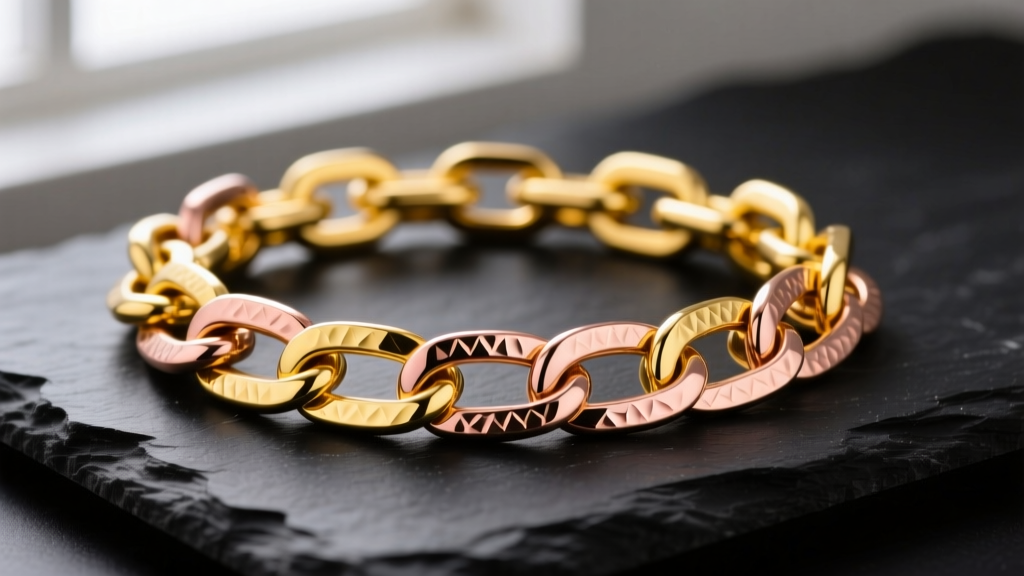
In this comprehensive guide, we move beyond surface-level color preferences to analyze the exact alloy ratios, tensile strengths, oxidation behaviors, and market dynamics that define classic gold and rose gold jewelry in 2026. Whether you are designing an everyday engagement ring or a delicate heirloom necklace, the atomic composition of your metal matters.
The Metallurgy of Color: How Alloys Dictate Hue and Strength
Pure 24k gold is inherently too soft for functional jewelry, possessing a Vickers hardness (HV) of merely 25-30. To achieve structural integrity, gold must be alloyed with base metals. The specific ratio of these base metals is what creates the divergence between yellow and rose gold.
Standard 14k Yellow Gold Composition
Traditional 14k yellow gold consists of 58.3% pure gold. The remaining 41.7% is typically a balanced mixture of silver and copper, often with trace amounts of zinc. A standard formulation includes approximately 25% silver and 16.7% copper. The silver preserves the warm, buttery yellow hue of the pure gold while providing moderate hardening.
Standard 14k Rose Gold Composition
Rose gold achieves its signature pinkish-red hue through a massive increase in copper content. A standard 14k rose gold alloy contains 58.3% pure gold, but the remaining matrix is heavily skewed toward copper—often comprising 31% to 33% copper, with the remainder being silver or zinc. According to the Gemological Institute of America (GIA), it is this high copper concentration that not only alters the light absorption properties of the metal but fundamentally changes its mechanical behavior.
Hardness, Tensile Strength, and Wearability Matrix
Because copper is a harder and more tensile base metal than silver, rose gold alloys generally exhibit superior structural rigidity compared to their yellow gold counterparts of the same karat weight. This makes the choice of alloy highly dependent on the jewelry's intended application.
| Alloy Type | Karat | Approx. Vickers Hardness (HV) | Tensile Strength | Best Application |
|---|---|---|---|---|
| Yellow Gold | 14k | 130 - 145 HV | Moderate | Necklaces, Earrings, Light Wear Rings |
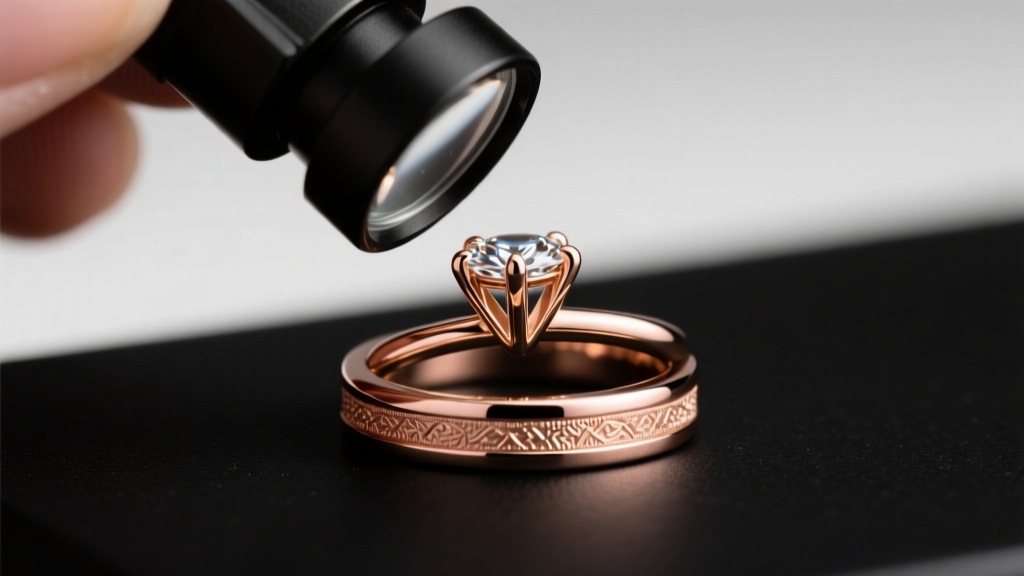
| Rose Gold | 14k | 155 - 170 HV | High | Engagement Rings, Bracelets, Prong Settings |
| Yellow Gold | 18k | 110 - 125 HV | Low-Moderate | Pendants, High-End Occasional Wear |
| Rose Gold | 18k | 135 - 150 HV | Moderate-High | Wedding Bands, Signet Rings |
As the data illustrates, a 14k rose gold ring will naturally resist scratching and deformation better than an 18k yellow gold ring. For high-impact areas like the shank of a ring or the clasp of a heavy bracelet, the higher copper content in rose gold provides a distinct mechanical advantage.
Tarnish, Oxidation, and Patina Development
A common misconception is that gold jewelry does not tarnish. While the pure gold content is entirely immune to oxidation, the alloyed base metals are not. The long-term surface chemistry of yellow and rose gold differs significantly.
Silver Sulfide vs. Copper Oxide
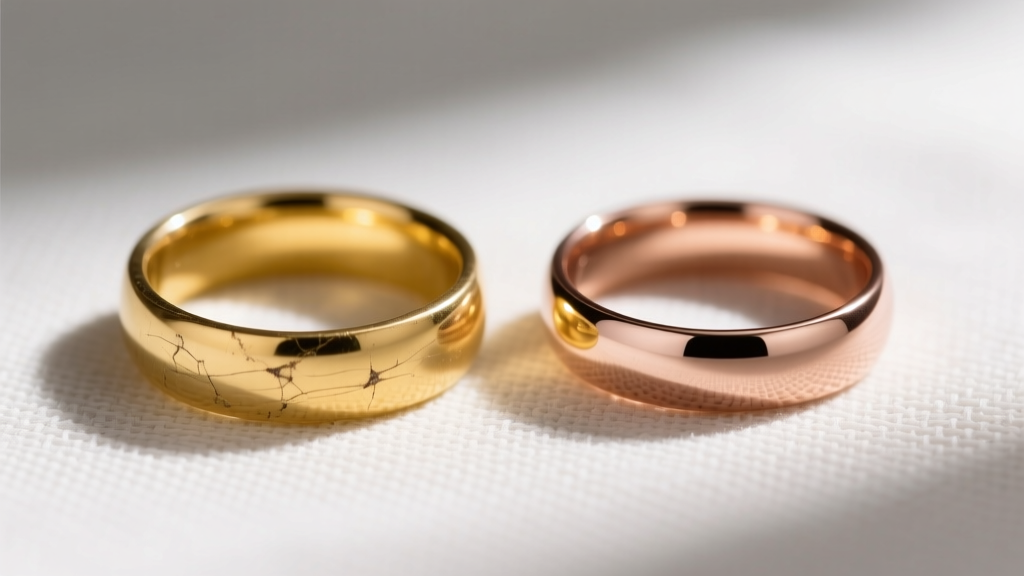
In yellow gold, the high silver content makes the alloy susceptible to silver sulfide tarnish when exposed to sulfur compounds in the environment (such as those found in certain cosmetics, rubber, or polluted air). This manifests as a dull, dark film that requires professional polishing or chemical dipping to remove.
Conversely, the high copper content in rose gold jewelry makes it prone to copper oxidation. However, unlike the harsh black tarnish of silver, copper oxidation on rose gold often develops into a rich, darkened patina. Many vintage jewelry collectors actively seek out this 'antique' rose gold look. If you prefer the bright, modern pink hue, a simple polishing cloth will easily remove the superficial copper oxide layer without removing significant metal mass.
Hypoallergenic Profiles and Contact Dermatitis Risks
When discussing material properties, biocompatibility is a critical factor. While pure gold is entirely hypoallergenic, the alloying metals can trigger contact dermatitis in sensitive individuals.
- Yellow Gold Risks: Some lower-quality yellow gold alloys (particularly 10k or poorly formulated 14k) may contain nickel as a cheap hardening agent. Nickel is the leading cause of metal allergies. Always verify that your yellow gold is strictly nickel-free.
- Rose Gold Risks: True rose gold relies on copper, which is generally well-tolerated by human skin. However, a very small percentage of the population possesses a specific copper or zinc sensitivity. Furthermore, some manufacturers add zinc to rose gold to lighten the color and improve casting fluidity, which can occasionally cause localized skin discoloration (a harmless but alarming greenish tint) in highly acidic sweat environments.
Expert Insight: If you have a known nickel allergy, high-quality 14k or 18k rose gold is often a safer bet than yellow gold, as the color requirement inherently demands high copper and low-to-zero nickel content to achieve the correct hue.
2026 Market Pricing and Resale Dynamics
From a raw material standpoint, copper is significantly cheaper than silver. Historically, this meant that the intrinsic melt value of rose gold was slightly lower than that of yellow gold of the exact same karat weight. However, the retail jewelry market does not operate solely on melt value.
According to market analyses by the World Gold Council, the premium placed on rose gold jewelry has fluctuated based on fashion cycles. In 2026, the pricing gap has largely closed due to two factors: rising global copper prices and the specialized casting equipment required to handle high-copper alloys, which have higher melting points and are more prone to oxidation during the manufacturing process. When reselling scrap gold, refineries will pay based strictly on the pure gold content (the 58.3% or 75%), rendering the color of the alloy financially irrelevant at the scrap level.
Expert Verdict: Matching the Alloy to the Application
Choosing between classic gold and rose gold jewelry should be a synthesis of aesthetic preference and metallurgical pragmatism. Use the following decision framework for your next purchase:
Choose 14k Rose Gold When:
- Designing an engagement ring with delicate micro-pave prongs that require maximum tensile strength.
- Creating a bracelet or bangle that will endure frequent physical impact and friction.
- You desire a low-maintenance metal that hides micro-scratches well within its warm, reddish tones.
Choose 14k or 18k Yellow Gold When:
- Crafting intricate, high-relief pendants or earrings where metal malleability is required for detailed artisan work.
- Designing a piece intended to hold a deep, rich patina over decades of wear.
- Pairing the metal with warm-toned gemstones like citrine, yellow sapphire, or imperial topaz, where the silver-rich yellow alloy provides superior color harmony.
By respecting the underlying chemistry of these alloys, you ensure that your jewelry not only looks exceptional on the day of purchase but performs flawlessly over a lifetime of wear.


