Mastering Pearl Jewelry Care Through Material & Nacre Comparison
Discover advanced pearl jewelry care techniques based on nacre thickness, porosity, and material properties of Akoya, Tahitian, and South Sea pearls.

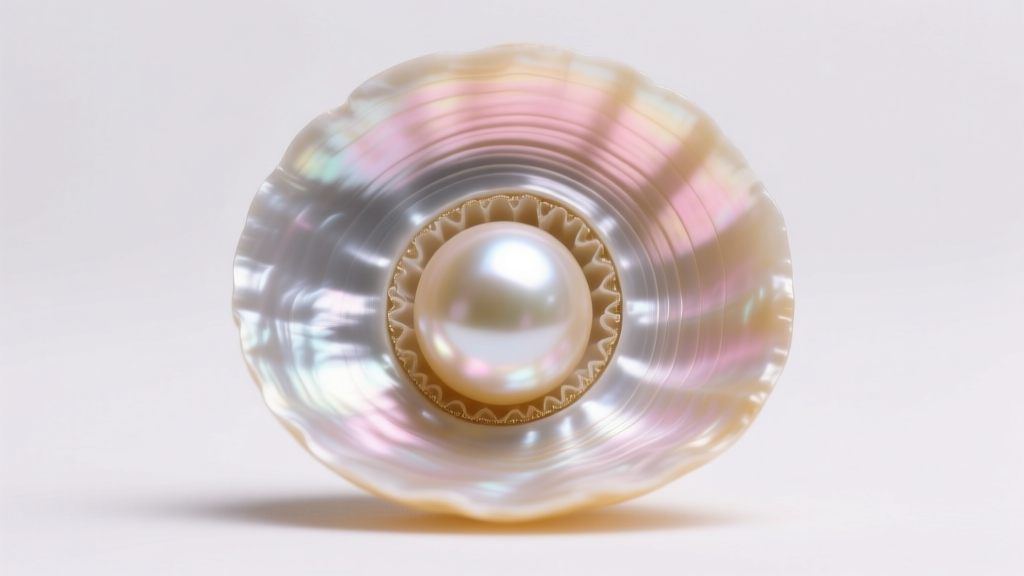
The Science of Nacre: Why One Care Routine Fails All
Most generic guides reduce pearl jewelry care to a single, overly simplified directive: wipe with a soft cloth. However, as any gemologist will tell you, treating a delicate, thin-nacre Akoya pearl exactly like a dense, tissue-nucleated freshwater pearl is a recipe for irreversible material degradation. To truly master pearl jewelry care, we must look at the microscopic material properties of nacre—the iridescent substance that forms the pearl.
Nacre is a composite material consisting of 92% to 96% calcium carbonate (in the form of aragonite platelets) bound together by 4% to 8% conchiolin, an organic protein matrix, along with trace amounts of water. This unique crystalline-organic structure gives pearls their legendary luster but also dictates their specific vulnerabilities. With a Mohs hardness ranging from 2.5 to 4.5, pearls are highly susceptible to micro-abrasions. More importantly, the calcium carbonate is highly reactive to acids, while the conchiolin is vulnerable to dehydration and chemical solvents. According to the Gemological Institute of America (GIA), understanding these structural differences is the foundation of preserving a pearl's orient and luster over decades.
Material Vulnerability Matrix: Pearl Types Compared
Before applying any cleaning or storage protocol, identify your pearl type. The nucleation method and growth environment fundamentally alter the material density and porosity of the nacre.
| Pearl Type | Avg. Nacre Thickness | Porosity & Density | Primary Material Vulnerability | Specific Care Protocol Focus |
|---|---|---|---|---|
| Akoya (Saltwater) | 0.1mm - 0.5mm | Low porosity, high crystalline alignment | Nacre delamination (peeling) from bead nucleus | Avoid ultrasonic cleaners; prevent thermal shock |
| Tahitian (Saltwater) | 0.8mm - 2.0mm | Medium porosity, dense organic matrix | Conchiolin degradation from acidic sweat | Immediate pH-neutral wiping post-wear |
| South Sea (Saltwater) | 1.0mm - 4.0mm+ | High density, thick aragonite layers | Surface etching from chemical aerosols | Strict isolation from cosmetics and perfumes |
| Freshwater | Solid (100% Nacre) | High porosity, varied crystalline structure | Micro-abrasions and chemical dulling | Gentle polishing; avoid harsh liquid cleaners |
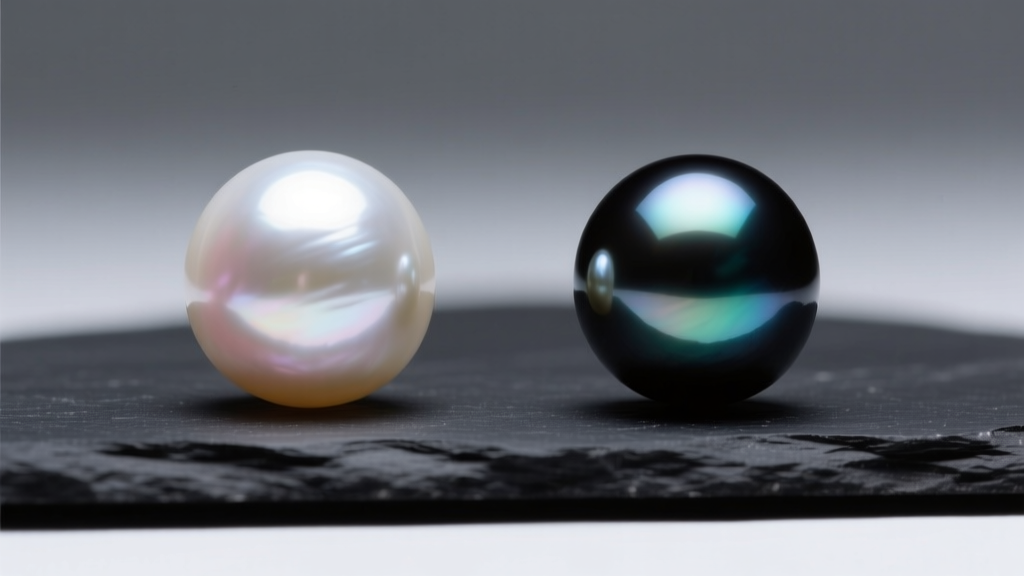
Akoya Pearls: Thin Nacre & High Luster Risks
Akoya pearls are bead-nucleated, meaning a mother-of-pearl shell bead is implanted into the oyster, and the nacre is secreted over it. Because the nacre layer is exceptionally thin (often under 0.5mm), the primary risk in pearl jewelry care for Akoyas is delamination. If subjected to ultrasonic cleaners, the high-frequency vibrations can shatter the brittle aragonite platelets or cause the thin nacre to separate from the nucleus. Furthermore, sudden temperature changes (thermal shock) can cause the nucleus and the nacre to expand and contract at different rates, leading to internal cracking.
Tahitian & South Sea: Thick Nacre but Organic Sensitivity
Tahitian and South Sea pearls boast impressively thick nacre, making them virtually immune to the peeling issues that plague Akoyas. However, their thick nacre contains a higher volume of conchiolin. Human sweat has a pH ranging from 4.5 to 7.0. When acidic sweat (pH below 5.5) rests on the surface of a Tahitian pearl, it slowly dissolves the calcium carbonate and breaks down the conchiolin proteins. This results in a permanent loss of luster and a chalky surface texture. The American Gem Society emphasizes that wiping these pearls with a damp, soft microfiber cloth immediately after wearing is non-negotiable to neutralize surface acids.
Freshwater Pearls: Solid Nacre & Durability Myths
Modern freshwater pearls are tissue-nucleated, resulting in a pearl that is solid nacre all the way through. While this makes them incredibly durable against chipping and peeling, their crystalline structure is often less perfectly aligned than saltwater varieties, leading to higher surface porosity. This porosity makes them act like microscopic sponges. If exposed to hairspray, lotions, or household cleaners, the chemicals are absorbed deep into the nacre layers, causing internal clouding that no amount of surface polishing can fix.
Chemical Interactions: What Actually Destroys Pearl Surfaces
To elevate your pearl jewelry care routine, you must understand the specific chemical reactions that destroy nacre. It is not just about "keeping them clean"; it is about preventing molecular alteration.
- Alcohol and Essential Oils (Perfumes): Alcohol acts as a solvent that strips the natural moisture from the conchiolin matrix. Essential oils can penetrate the porous surface and oxidize, leaving permanent yellow or brown stains within the nacre layers.
- Chlorine (Swimming Pools & Tap Water): Chlorine reacts with calcium carbonate to form calcium chloride, a highly soluble salt. This literally dissolves the surface of the pearl, leaving it pitted and dull. Never wear pearls in a chlorinated pool or clean them with tap water that has high chlorine content.
- Acetic Acid (Vinegar/Citrus): Even mild dietary acids will cause a rapid effervescent reaction with the aragonite, releasing carbon dioxide and permanently etching the surface.
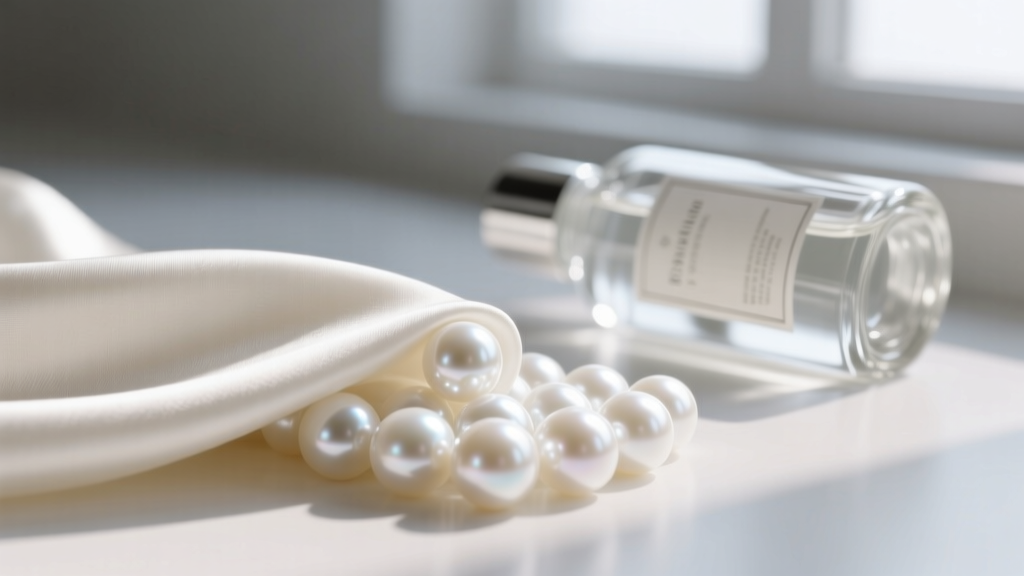
Advanced Storage & Micro-Climate Control
Proper storage is a critical, often overlooked pillar of pearl jewelry care. Pearls contain roughly 2% to 4% water by weight. If stored in an environment with low relative humidity (below 40%), this water slowly evaporates, causing the conchiolin to shrink and the aragonite platelets to crack—a phenomenon known as "crazing."
Conversely, storing pearls in airtight plastic bags or PVC-lined jewelry boxes is equally destructive. PVC plastics emit volatile organic compounds (VOCs) and plasticizers as they age. These off-gassed chemicals settle on the pearl surface and chemically bond with the conchiolin, causing irreversible yellowing. Always store pearls in a breathable, natural fiber pouch (like untreated silk or cotton) in a room where the relative humidity is maintained between 45% and 55%. If you live in an arid climate, placing a small, damp (not wet) cotton ball in the corner of the jewelry box—not touching the pearls—can help maintain the necessary micro-climate.
Expert Troubleshooting: Reversing Early Material Degradation
If your pearls have already suffered minor material degradation, specific interventions can sometimes halt or reverse the damage, depending on the pearl type.
Surface Etching (Chalky Spots): If a South Sea or Tahitian pearl has minor surface etching from acidic sweat, a professional jeweler can sometimes use a very fine, specialized pearl polishing compound to buff away the damaged microscopic layer of aragonite. This is only possible due to their thick nacre. Never attempt this on an Akoya pearl, as you will buff straight through the nacre to the bead nucleus.
Dehydration (Crazing): If you notice fine, hairline cracks on the surface of freshwater pearls, they are severely dehydrated. While you cannot "heal" the cracks, you can prevent them from worsening by immediately moving the pearls to a humidity-controlled environment (50% RH) and lightly wiping them with a cloth barely dampened with distilled water and a drop of mineral oil to seal the surface pores.
"True pearl jewelry care is not a chore; it is an ongoing practice of material preservation. By respecting the unique crystalline and organic properties of your specific pearls, you ensure their luster outlives you."


