The Platinum Stamp on Jewelry: Decoding Hallmarks & Style Trends
Discover what the platinum stamp on jewelry means. We analyze hallmark trends, vintage authentication, and purity grades for modern collectors.

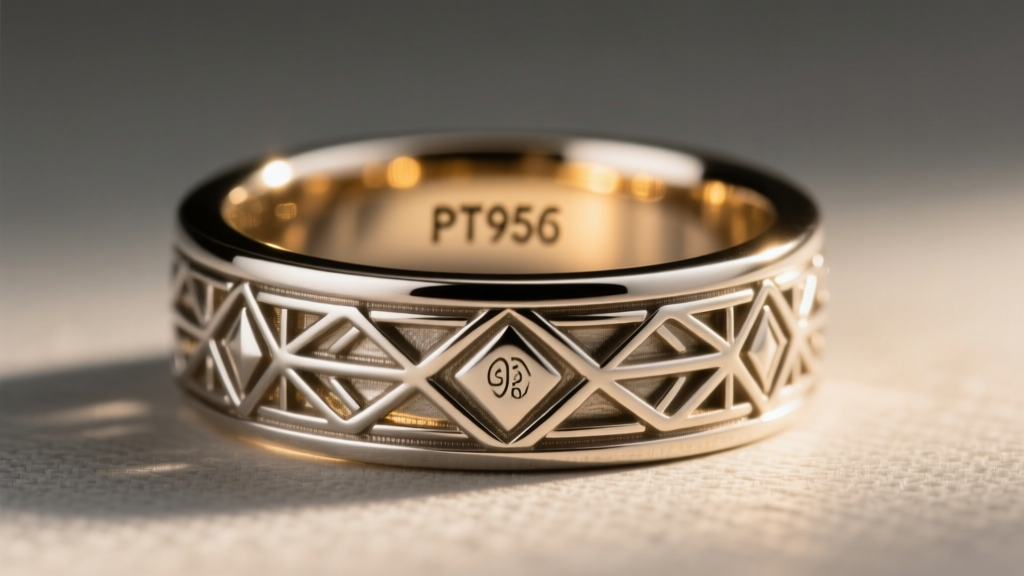
The Evolution and Importance of the Platinum Stamp on Jewelry
In the high-stakes world of fine jewelry curation and secondary market collecting, the platinum stamp on jewelry serves as much more than a mere legal requirement; it is a historical fingerprint and a guarantee of metallurgical integrity. As we navigate the 2026 landscape of vintage revival and bespoke craftsmanship, understanding the nuances of these hallmarks has become a critical skill for collectors, appraisers, and style enthusiasts alike. Unlike gold, which has been stamped and regulated for centuries, platinum's hallmarking history is relatively modern, largely evolving in the early 20th century alongside the Art Deco movement.
When you examine a piece of fine jewelry, you are typically looking for two distinct types of markings: the purity stamp and the maker's mark. The purity stamp dictates the exact metallurgical composition of the alloy, while the maker's mark (or hallmark) identifies the atelier, designer, or manufacturing house. According to the Federal Trade Commission Jewelry Guides, a piece must contain at least 950 parts per thousand of pure platinum to be stamped simply as "Platinum", "Pt", or "Plat" without further qualification. This strict regulatory framework ensures that the platinum stamp on jewelry remains a trusted beacon of quality in an increasingly complex global market.
Decoding Purity Grades: The Metallurgical Breakdown
Platinum is rarely used in its pure, 100% form for jewelry because it is too malleable and prone to scratching. Instead, it is alloyed with other platinum group metals (PGMs) to enhance durability, casting flow, and color. The specific numbers accompanying the platinum stamp on jewelry reveal the exact recipe used by the jeweler, which in turn dictates how the piece will wear, age, and respond to resizing over decades.
| Stamp Designation | Purity Percentage | Common Alloying Metals | Metallurgical Traits & Best Uses |
|---|---|---|---|
| Pt950 or 950Pt | 95% Platinum | Ruthenium (Ru) or Cobalt (Co) | Standard for modern casting. Ru offers high hardness; Co provides excellent flow but is slightly magnetic. |
| Pt900 or 900Pt | 90% Platinum | Iridium (Ir) or Palladium (Pd) | Highly malleable. The historic standard for die-striking and vintage Japanese market pieces. |
| Pt850 or 850Pt | 85% Platinum | Iridium (Ir) or Copper (Cu) | Less common in the US. Often found in vintage chains or findings where extreme tensile strength is required. |
The Ruthenium vs. Cobalt Debate in Modern Bench Jewelry
For contemporary jewelers, the choice between Pt950/Ru and Pt950/Co is a matter of intense debate. Ruthenium-alloyed platinum is exceptionally hard, making it ideal for holding large, high-value diamonds securely in delicate pavé settings. However, its hardness makes it notoriously difficult to resize. Cobalt-alloyed platinum, on the other hand, casts beautifully with minimal porosity, but it can oxidize during the high-heat soldering process required for sizing. A knowledgeable collector will use a rare-earth magnet to test for cobalt; if the platinum stamp on jewelry indicates 950 purity and the piece exhibits a slight magnetic pull, it is almost certainly a cobalt alloy.
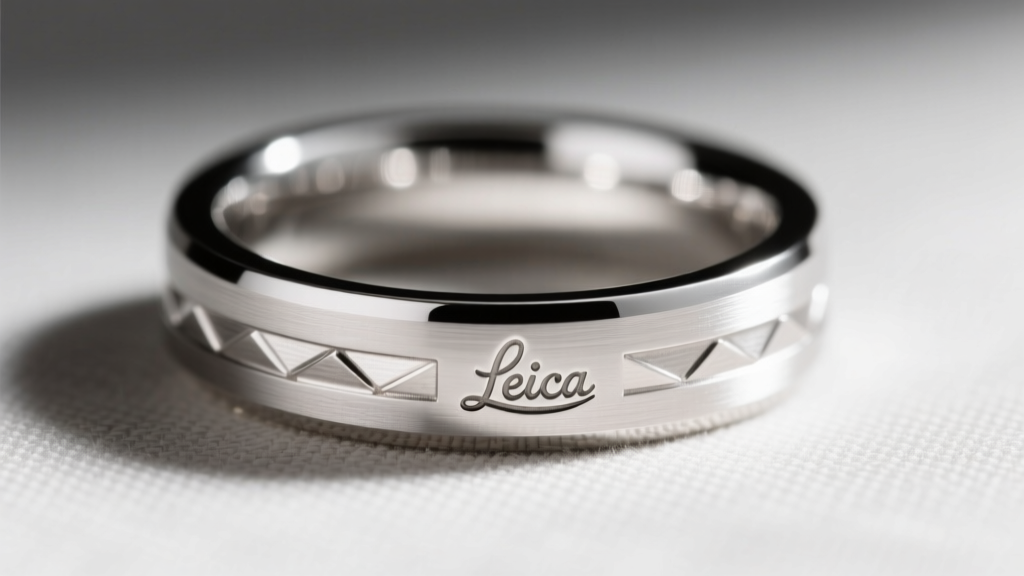
Style & Trend Analysis: Hallmarks as Design Elements
Historically, jewelers hid the platinum stamp on jewelry inside the shank of a ring or the clasp of a necklace, treating it as a purely utilitarian mark. However, a fascinating shift has occurred in the bespoke and artisanal jewelry sectors. Driven by a desire for transparency, raw industrial aesthetics, and verifiable provenance, modern designers are bringing hallmarks to the forefront.
The Art Deco Revival and Provenance Hunting
In the vintage sector, the maker's mark is often more valuable than the purity stamp. Collectors hunting for 1920s and 1930s Art Deco pieces actively seek out the faint, hand-struck hallmarks of legendary houses like Cartier, Boucheron, or Tiffany & Co. The Lang Antiques University notes that authenticating these vintage pieces requires a deep understanding of how hallmark fonts and depths have evolved. A genuine 1925 Cartier stamp will feature a specific, slightly worn serif font that is nearly impossible for modern laser engravers to replicate perfectly, providing a crucial data point for authentication.
2026 Trend: The "Exposed Hallmark" Movement
In contemporary design, the "exposed hallmark" trend has gained significant traction among Millennial and Gen Z collectors. Bespoke jewelers are now stamping the outer edges of wedding bands or the visible sides of pendant bales. This trend aligns with the broader "quiet luxury" and brutalist design movements, where the structural and legal realities of the metal are celebrated as part of the aesthetic. It transforms the platinum stamp on jewelry from a hidden secret into a bold statement of authenticity and material pride.
"We are seeing a massive shift where clients specifically request that our atelier's maker mark and the Pt950 stamp be placed on the exterior of the band. They want the provenance to be visible, treating the hallmark as a secondary design motif that guarantees the piece's heritage." — Master Bench Jeweler, Independent Atelier, 2026.
Authentication Framework: Spotting Fakes and Forgeries
As the price of platinum fluctuates and the secondary market for vintage jewelry expands, counterfeiters have become increasingly sophisticated. Spotting a fake platinum stamp on jewelry requires a trained eye and an understanding of manufacturing techniques. Here is a practical framework for authentication:
- Struck vs. Laser Etched: Genuine vintage and high-end modern hallmarks are physically struck into the metal using a steel punch and a mallet. Under 10x magnification, a struck stamp will show displacement of the metal, with slightly raised edges around the letters. Laser-etched stamps, often used in counterfeit pieces, will appear perfectly flat, with microscopic burn marks or a lack of depth.
- Font Consistency and Kerning: Counterfeiters often use generic digital fonts for their stamps. Authentic hallmarks from major houses have proprietary, custom-cut punches. Look for inconsistencies in the kerning (spacing between letters) or slight misalignments that are characteristic of hand-striking versus machine-perfect laser engraving.
- Wear Pattern Alignment: A genuine vintage piece will show wear patterns that align with the age of the stamp. If a ring shank is heavily worn, paper-thin, and heavily scratched, but the platinum stamp on jewelry looks crisp, sharp, and brand new, it is highly likely the piece was recently re-stamped or is an outright forgery.
- The Acid and Electronic Tests: While visual inspection is paramount, the Gemological Institute of America (GIA) recommends utilizing electronic platinum testers or specific platinum testing acids for definitive verification, especially when dealing with unbranded pieces that only carry a generic "Pt900" stamp.

Conclusion: The Mark of True Luxury
The platinum stamp on jewelry is the ultimate bridge between art, science, and commerce. It is a promise of permanence, a nod to the master goldsmiths who alloyed the metal, and a crucial tool for authentication in a market flooded with imitations. Whether you are evaluating a heavy, die-struck Pt900 Art Deco bracelet or commissioning a bespoke Pt950/Ruthenium engagement ring with an exposed exterior hallmark, understanding these microscopic engravings elevates you from a mere consumer to a true connoisseur. As trends continue to favor transparency and verifiable provenance, the humble hallmark will only grow in importance, cementing its status as the ultimate signature of luxury.


