Platinum Jewelry Care: The Beginner's Maintenance Guide
Learn essential platinum jewelry care tips for beginners. Discover how to clean, polish, and store your 950 platinum pieces to maintain their lasting luster.


When you invest in fine jewelry, understanding the metallurgy of your pieces is just as important as appreciating their design. Platinum jewelry care often confuses beginners because this precious metal behaves entirely differently than 14k or 18k white gold. As a dense, heavy, and remarkably durable metal, 950 platinum (which consists of 95% pure platinum and 5% alloy metals like ruthenium or cobalt) is prized for its longevity. However, its unique physical properties mean that maintaining its pristine, mirror-like finish requires a specific approach. If you have recently acquired your first platinum ring, bracelet, or necklace, this beginner-friendly guide will demystify the maintenance process and help you preserve your investment for generations.
The Science of Patina: Displacement vs. Metal Loss
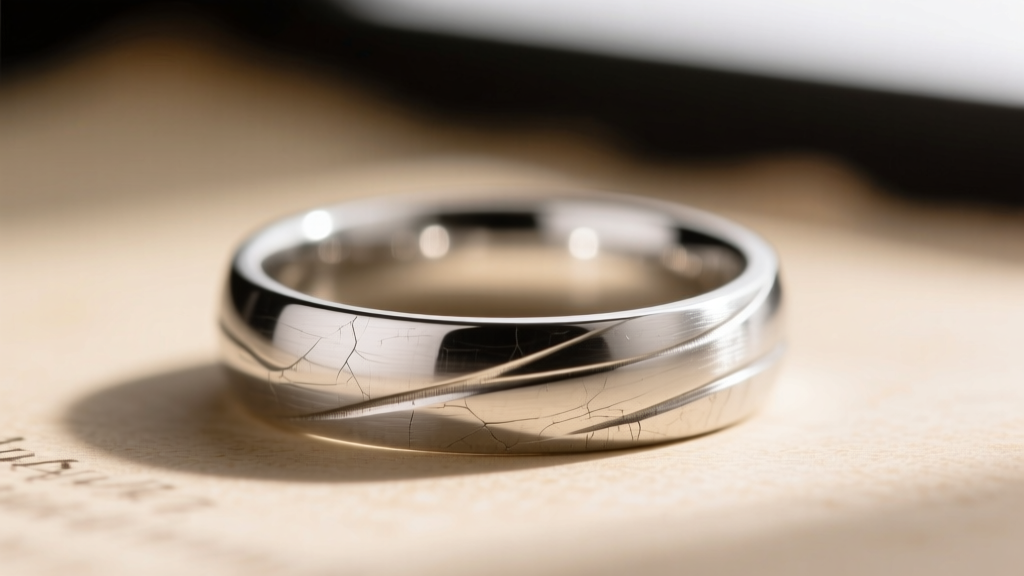
The most common concern among new platinum owners is the sudden appearance of a dull, satin-like finish after a few months of daily wear. This is known as a patina. To master platinum jewelry care, you must first understand that platinum does not wear away like gold. When white gold is scratched, microscopic particles of the metal are actually lost, thinning the band over time. Platinum, conversely, is highly malleable and dense. When it is scratched, the metal is merely displaced—it moves from one side of the scratch to the other, much like clay.
According to the Gemological Institute of America (GIA), this displacement creates the antique-looking patina that many vintage jewelry lovers actively seek out. However, if you prefer a high-polish, mirror-like shine, this natural texturing will require periodic professional intervention. The patina does not compromise the structural integrity of your jewelry; it is merely a cosmetic surface change.
Daily Wear: Navigating Chemicals and Hardness
While platinum is incredibly resilient, it is not invincible. On the Mohs scale of mineral hardness, platinum sits around a 4 to 4.5. This means it can be scratched by harder materials, including diamonds, sapphires, and even common household dust (which often contains microscopic quartz particles). Proper platinum jewelry care involves knowing when to take your pieces off.
- Chlorine and Bleach: While pure platinum is highly resistant to chemical corrosion, the 5% alloy metals (like cobalt or copper) can react to harsh chemicals. Prolonged exposure to chlorinated pool water or household bleach can cause microscopic pitting or discoloration in the alloy.
- Heavy Impact: Because platinum is malleable, a severe impact against a hard surface (like a steel gym weight or a granite countertop) can bend a platinum band out of shape more easily than a rigid tungsten or titanium ring.
- Cosmetics and Lotions: Hairsprays, perfumes, and heavy moisturizers will not damage the metal, but they will create a filmy buildup that traps dirt and dulls the brilliance of any center gemstones.
The Ultimate At-Home Cleaning Routine
You do not need expensive, specialized chemical dips to maintain your jewelry. In fact, harsh commercial silver dips or ultrasonic cleaners can sometimes loosen the settings of softer gemstones or damage the alloyed metals in your platinum piece. A gentle, consistent home cleaning routine is the cornerstone of effective platinum jewelry care.
What You Will Need
- A small glass or ceramic bowl (avoid metal bowls that could cause secondary scratching)
- Mild, phosphate-free liquid dish soap (Dawn or a similar gentle degreaser works best)
- Lukewarm distilled water (tap water can leave hard water calcium spots)
- A baby hairbrush or an extra-soft bristled toothbrush
- A lint-free microfiber cloth
The 3-Step Washing Process
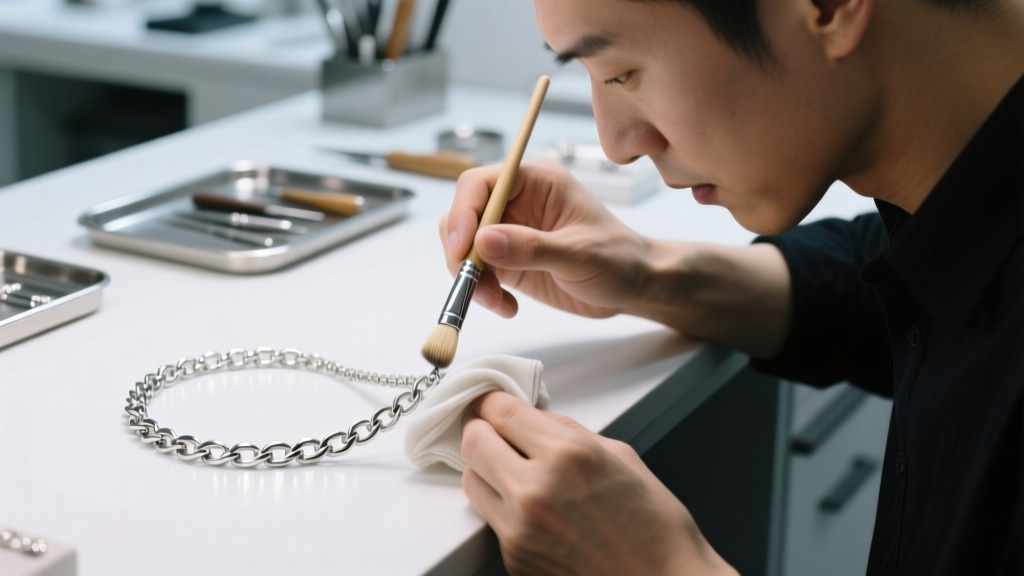
- The Soak: Mix a few drops of mild dish soap into a bowl of lukewarm distilled water. Submerge your platinum jewelry and let it soak for 15 to 20 minutes. This breaks down the invisible layer of sebum, lotion, and environmental oils that cling to the metal and gemstones.
- The Agitation: Gently brush the piece with your extra-soft toothbrush. Pay special attention to the underside of the setting (the pavilion) and the gallery wire, where dead skin cells and soap scum accumulate. Never scrub aggressively; let the bristles do the work.
- The Rinse and Dry: Rinse the jewelry thoroughly under a gentle stream of lukewarm distilled water. Ensure the drain is securely plugged! Pat the piece dry with a microfiber cloth, avoiding paper towels, which contain wood pulp fibers that can leave micro-scratches on high-polish platinum.
Professional Maintenance: Polishing and Prong Checking
Because home cleaning only removes dirt and oils, it cannot remove the patina or physical scratches. To restore a mirror finish, you must take your piece to a professional jeweler. According to Jewelers of America, professional polishing involves using a high-speed buffing wheel with specialized rouge compounds that actually smooth out the displaced metal, returning the surface to a flawless shine.
While platinum prongs are incredibly secure and rarely break, they can still lift if snagged on heavy clothing. You should have a jeweler inspect the prongs and structural integrity of your platinum settings every 12 to 18 months. Unlike white gold, which requires rhodium plating every few years to maintain its bright white color, platinum is naturally white and will never require replating. This makes the long-term cost of platinum jewelry care significantly lower than that of white gold, despite the higher initial purchase price.
Proper Storage to Prevent Micro-Scratches
How you store your jewelry is just as critical as how you clean it. Because platinum is dense and heavy, a platinum ring tossed into a communal jewelry box will easily scratch softer pieces, such as 18k yellow gold or sterling silver. Conversely, diamonds and sapphires (which rank 9 and 10 on the Mohs scale) will easily scratch your platinum.
Always store platinum pieces individually in soft, anti-tarnish flannel pouches or fabric-lined compartments. While platinum itself does not tarnish or oxidize like silver, keeping it separated prevents the friction that accelerates the development of a heavy patina. When traveling, use a hard-shell jewelry roll with dedicated, individual slots to prevent your pieces from colliding in transit.
Quick Reference: Platinum Care Do's and Don'ts
| Action | Recommendation | Why? |
|---|---|---|
| Wear in Pools | Don't | Chlorine can pit the 5% alloy metals (cobalt/ruthenium). |
| Use Ultrasonic Cleaners | Do with caution | Safe for plain platinum and diamonds, but can shatter included gems like emeralds. |
| Store with Diamonds | Don't | Diamonds (Mohs 10) will aggressively scratch platinum (Mohs 4.5). |
| Professional Polish | Do (Annually) | Removes displaced metal and restores the original mirror finish. |
| Rhodium Plating | Never needed | Platinum is naturally white and does not require plating. |
Conclusion
Mastering platinum jewelry care is less about rigorous daily scrubbing and more about understanding the metal's unique physical behavior. By embracing or professionally removing the patina, avoiding harsh chemicals, and utilizing a gentle at-home washing routine, your platinum pieces will remain secure and beautiful for a lifetime. Platinum is a metal of endurance; treat it with informed respect, and it will easily outlast you, becoming a true generational heirloom.


