How to Sell Platinum Jewelry: Purity, Weight, and Value Guide
Learn how to sell platinum jewelry by understanding metal purity, density, and alloy hallmarks to maximize your scrap and resale value.

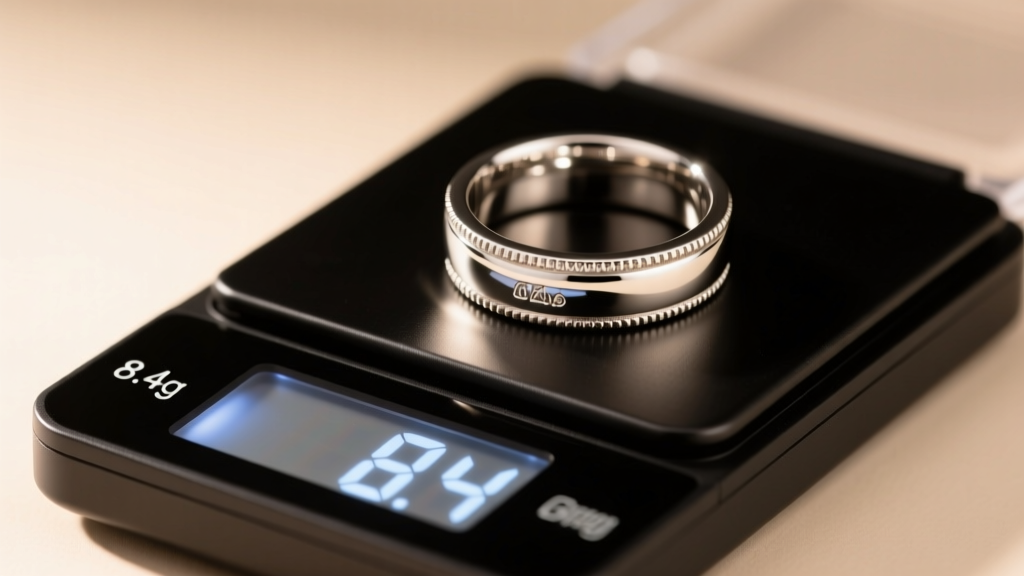
When you decide to part with a precious metal piece, understanding the metallurgy behind it is the difference between a lowball offer and a fair market payout. If you are looking to sell platinum jewelry, you are holding one of the densest, most durable, and historically significant metals on earth. However, platinum’s unique physical properties—specifically its extreme melting point and alloy compositions—dictate how refiners and jewelers evaluate its scrap and resale value.
Unlike gold, which is easily melted and recast, platinum requires specialized equipment to process. This guide breaks down the exact material properties, hallmark identifications, and market realities you need to know to maximize your return when selling platinum.
The Intrinsic Properties That Drive Platinum's Resale Value
To negotiate effectively with buyers, you must understand why platinum is priced and processed differently than other precious metals. The value of your jewelry is rooted in three physical characteristics:
- Extreme Density: Platinum has a specific gravity of 21.45 g/cm³. This means a platinum ring will weigh approximately 60% more than an identically sized 14k white gold ring. Since scrap buyers pay by the gram, this inherent density immediately boosts your baseline weight and payout.
- High Melting Point: Platinum melts at 1,768°C (3,214°F), compared to gold’s 1,064°C. According to the Gemological Institute of America (GIA), this extreme heat requirement means refiners incur higher energy and equipment costs, which is why the 'refining penalty' or melt fee on platinum scrap is often higher than gold.
- Hypoallergenic Purity: Most platinum jewelry is 90% to 95% pure. Because it does not require rhodium plating to maintain its white color (unlike white gold), its surface wear does not degrade its intrinsic metal value.
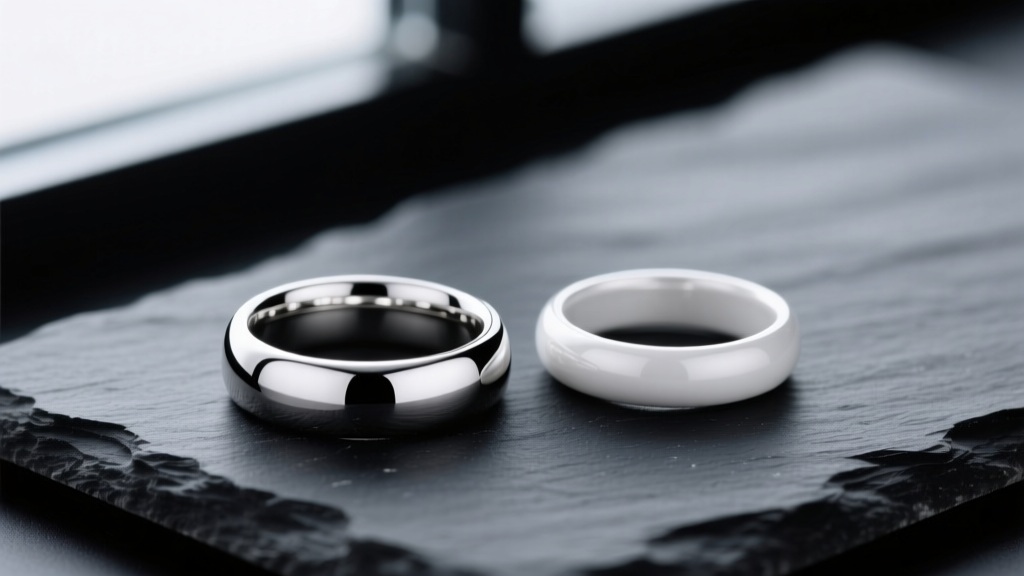
Decoding Hallmarks: Pt950 vs. Pt900 vs. Pt850
Pure platinum (Pt1000) is too soft for daily jewelry wear. Therefore, it is alloyed with other platinum group metals (PGMs) like ruthenium, iridium, or cobalt to increase hardness. When you sell platinum jewelry, the buyer will immediately look for the hallmark to determine the exact yield of pure metal.
| Hallmark | Purity | Common Alloy Metals | Resale Value Impact |
|---|---|---|---|
| Pt950 / 950PT | 95% | Ruthenium, Cobalt | Highest yield; the global standard for modern fine jewelry. Highly liquid in all markets. |
| Pt900 | 90% | Iridium, Palladium | Slightly lower yield; the historical standard in Japan and vintage pieces. Still commands strong resale. |
| Pt850 | 85% | Copper, Cobalt | Lower yield; often requires custom refining batches, which may result in a slightly higher buyer discount. |
Pro Tip: If your piece is stamped simply 'PLAT' or 'IRIDPLAT', it is almost certainly Pt900 or Pt950 alloyed with iridium, a hallmark common in mid-century American jewelry.
Platinum vs. White Gold vs. Silver: A Resale Comparison
Many sellers confuse white gold with platinum due to their visual similarities. However, when you look at the live spot prices on Kitco, the market dynamics between these metals reveal vastly different resale strategies.
The Scrap Value Reality Check
- Platinum (Pt950): You are selling 95% pure metal. The payout is directly tied to the platinum spot price minus the refiner's margin (typically 10-15%).
- White Gold (14k/18k): You are selling only 58.5% or 75% pure gold. The remaining 25-41.5% consists of base metals (nickel, zinc, copper) that hold zero scrap value. Furthermore, buyers must account for the cost of chemically stripping the rhodium plating before melting.
- Sterling Silver (925): While 92.5% pure, silver's spot price is a fraction of platinum's. The refining costs often outweigh the metal's value unless you are selling in bulk (multiple ounces).
Market Insight: Historically, gold has traded at a higher spot price than platinum. However, because platinum jewelry is 95% pure and gold jewelry is usually 58% to 75% pure, a heavy platinum chain can sometimes yield a higher total cash payout than a similarly sized 14k white gold chain, even when the gold spot price is higher per troy ounce.
How to Authenticate and Test Before You Sell
Never walk into a pawn shop or jeweler without knowing exactly what you have. Unscrupulous buyers may attempt to buy platinum at white gold prices by claiming they 'cannot verify the metal.' Arm yourself with these two testing methodologies:
1. The Specific Gravity (Hydrostatic) Test
Because platinum is so dense, a simple water displacement test can prove its authenticity without damaging the piece. A Pt950 ring will have a specific gravity (SG) of roughly 20.6. By comparison, 18k white gold has an SG of about 15.5, and sterling silver is around 10.3. Any reputable jeweler can perform this test in five minutes using a precision scale and a beaker of water.

2. XRF Spectrometry
Traditional acid tests are notoriously unreliable for distinguishing between Pt900, Pt950, and high-grade palladium or white gold. X-Ray Fluorescence (XRF) spectrometry is the industry standard. An XRF gun shoots harmless X-rays into the metal and reads the exact elemental breakdown (e.g., 94.8% Platinum, 5.2% Ruthenium). Only sell to a buyer who uses XRF technology to ensure you are being paid for the exact alloy grade of your jewelry.
Strategic Steps to Maximize Your Payout
Where you sell is just as important as what you sell. The jewelry liquidation market is tiered, and your payout percentage will vary wildly depending on the buyer's business model.
- Pawn Shops (40% - 60% of Melt Value): Avoid them for platinum. Most pawn shops lack XRF testers and the specialized melting crucibles required for platinum. They will price-in a massive risk margin, offering you pennies on the dollar.
- Local Retail Jewelers (70% - 85% of Melt Value): A good option for single pieces. Jewelers often buy platinum scrap to send to large refining houses in bulk. They take a cut, but offer a safe, face-to-face transaction.
- Direct-to-Refiner (85% - 95% of Melt Value): If you are selling multiple pieces, heavy chains, or estate lots, bypass the middleman. Mail-in precious metal refineries (like Hoover & Strong or Arch Enterprises) will use XRF and fire assay techniques to give you a near-spot-price payout. Note that minimum weight requirements usually apply (e.g., 5+ troy ounces).
Before finalizing any sale, check the daily platinum spot price, calculate the exact gram weight of your Pt950 or Pt900 items, and multiply it by the current spot price per gram. This gives you your 'Maximum Melt Value.' Use this number as your anchor during negotiations, and never accept an offer that doesn't account for the sheer density and high purity of the metal in your hands.


