Is Professional Platinum Jewelry Polish Worth the Cost?
We break down the true cost of platinum jewelry polish, comparing professional refinishing to DIY kits to protect your investment.

The Economics of Platinum Maintenance
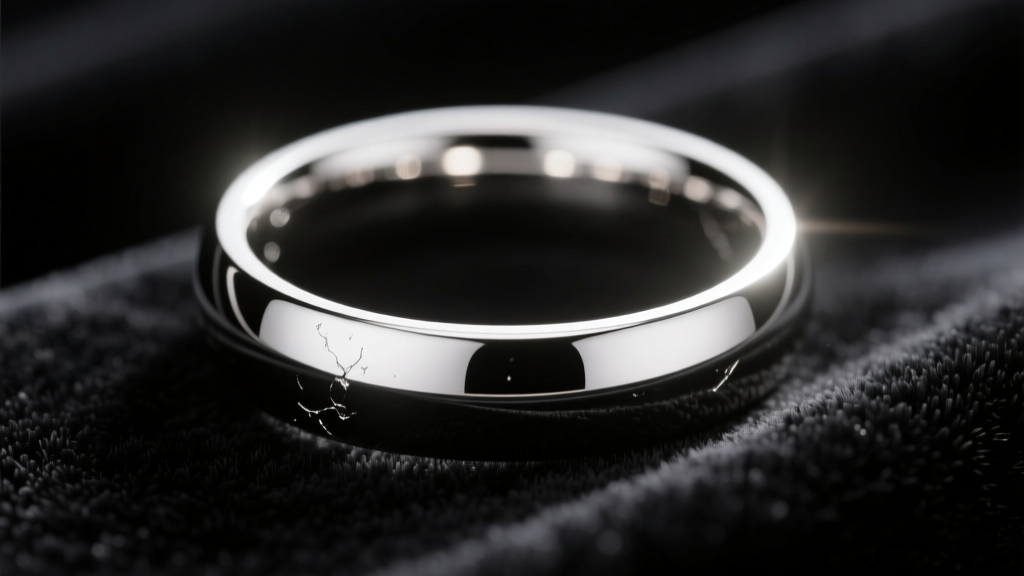
When consumers invest in 950 platinum, they are paying a premium for density, purity, and prestige. However, the ongoing cost of maintaining that pristine, mirror-like finish is rarely factored into the initial purchase budget. Unlike gold, which wears away over time, platinum is a dense, malleable metal with a specific gravity of 21.45 g/cm³. When scratched, the metal is displaced rather than lost, creating what jewelers call a 'patina.' While some collectors covet this satin-like patina, the majority of buyers want to restore the original high-polish finish. This raises a critical financial question: Is paying for a professional platinum jewelry polish a sound investment, or are at-home DIY kits a viable budget alternative?
To assess the true ROI of platinum maintenance, we must look beyond the upfront price tag and evaluate metal loss, alloy composition, and the long-term structural integrity of your jewelry. According to the Gemological Institute of America (GIA), platinum's durability makes it ideal for securing diamonds, but its surface requires specialized care to maintain its optical reflectivity.
Professional vs. DIY Platinum Jewelry Polish: A Cost Breakdown
The market is flooded with at-home polishing solutions, but platinum requires specific abrasive compounds and techniques. Below is a comprehensive cost and risk analysis of the most common polishing methods available to consumers in 2026.
| Polishing Method | Upfront Cost | Cost Per Application | Risk Level | Metal Loss / Impact |
|---|---|---|---|---|
| Professional Refinishing | $65 - $150 | $65 - $150 | Very Low | Minimal (0.01g - 0.05g) |
| DIY Liquid Polish | $15 - $35 | $2 - $5 | High | Moderate (Uneven abrasion) |
| Treated Polishing Cloths | $8 - $15 | $1 - $2 | Medium | Negligible |
| Ultrasonic Cleaning | $40 - $120 | $0 (Electricity) | Low (Stone dependent) | Zero (Cleans, does not polish) |
While DIY liquid polishes appear to save you $50+ per session, they often contain abrasives calibrated for silver or white gold. Using these on platinum can result in micro-gouges that trap dirt, ultimately requiring a $90 professional correction to sand out the damage.
The Alloy Factor: How Composition Dictates Your Budget
Most buyers do not realize that 'pure' platinum jewelry is actually an alloy, and the specific 5% alloying metal drastically alters your long-term polishing budget. The two most common standards are Pt950/Ir (Iridium) and Pt950/Ru (Ruthenium).
- Pt950/Ir (Iridium): This alloy is softer, highly malleable, and excellent for intricate hand-engraving. However, it develops a patina rapidly. You will likely need a professional polish every 12 to 18 months to maintain a mirror finish.
- Pt950/Ru (Ruthenium): Ruthenium makes the platinum significantly harder and more scratch-resistant. While it is more brittle to cast, it holds a high polish up to three times longer than Iridium alloys.
'If you are budgeting for lifetime maintenance, choosing a Ruthenium-alloyed platinum piece will save you roughly $300 to $500 in professional refinishing fees over a 30-year marriage compared to an Iridium alloy.'
— Master Bench Jeweler Assessment
Hidden Costs and Failure Modes of At-Home Polishing
Attempting to bypass professional fees often leads to catastrophic aesthetic failures. When evaluating the budget for platinum care, you must account for the financial risks of improper DIY methods.
Common DIY Failure Modes
- The Silver Dip Mistake: Chemical tarnish removers are designed to strip silver sulfide. Platinum does not tarnish or oxidize. Dipping platinum in these solutions leaves a filmy chemical residue that dulls the metal and degrades the rhodium plating on any white gold accents.
- Abrasive Toothpaste & Baking Soda: The Mohs hardness of household abrasives is unpredictable. Scrubbing platinum with these materials creates chaotic, cross-hatched micro-scratches that cannot be buffed out with a cloth; they must be sanded down with emery paper by a professional.
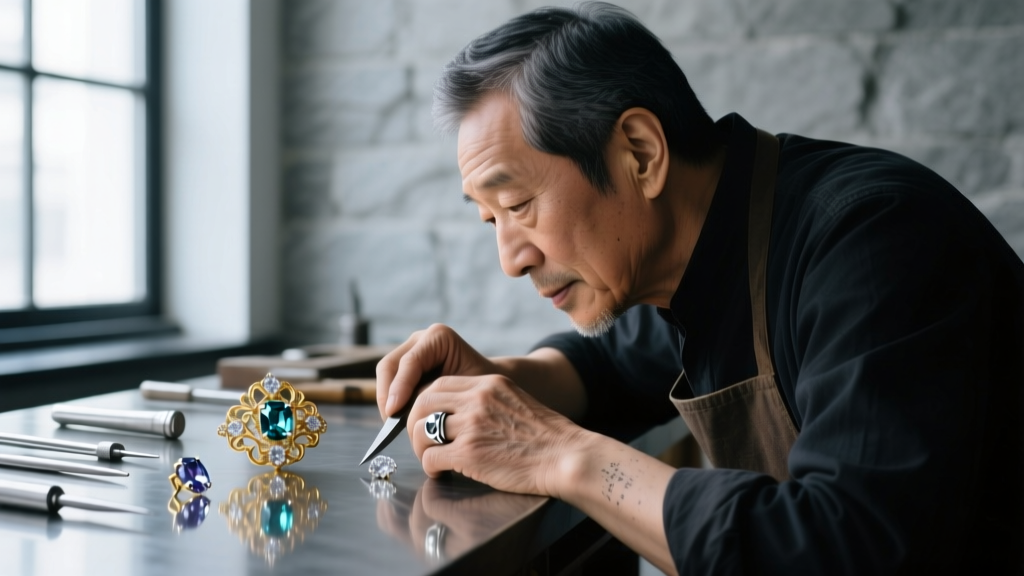
- Rotary Tool Heat Damage: Some hobbyists use Dremel tools with felt wheels and rouge. Platinum has a high melting point (1,768°C), but the localized friction heat can easily shatter tension-set diamonds or warp the prongs holding your center stone, turning a $20 DIY polish into a $500 stone-replacement disaster.
The Patina Debate: Value Retention vs. Aesthetic Preference
From a strict financial perspective, does polishing platinum increase its resale value? The short answer is no. Platinum is traded and valued based on its precious metal weight and the quality of the gemstones it holds. In fact, aggressive, frequent polishing removes microscopic layers of metal. Over 20 years, polishing a 10-gram ring a dozen times could reduce its weight by 0.2 to 0.5 grams. While the monetary loss of that metal is negligible at current spot prices, the structural thinning of prongs and shanks is a real concern.
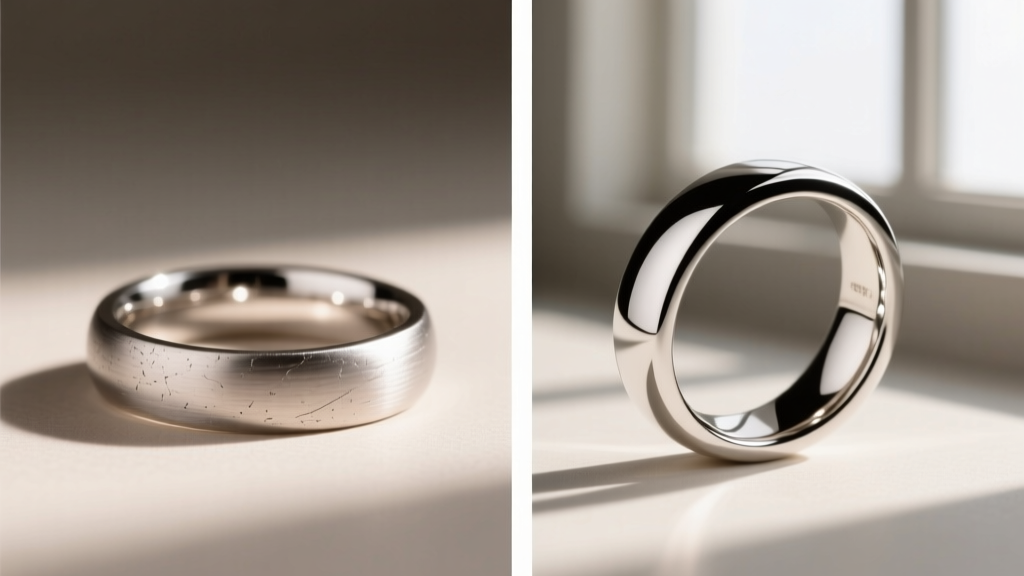
Many high-end collectors and vintage buyers actually prefer the 'patina'—the soft, matte finish that develops as the metal displaces. By choosing to embrace the patina and only utilizing a professional platinum jewelry polish once every five to ten years (or before a major life event), you preserve the maximum mass and structural integrity of the piece. The Jewelers of America recommends professional inspection and cleaning at least annually, but notes that polishing is purely an aesthetic choice rather than a structural necessity.
Strategic Maintenance Schedule for Maximum ROI
To balance aesthetic brilliance with budget conservation, we recommend a tiered maintenance schedule based on wear-and-tear patterns.
- Weekly (Cost: $0): Soak the jewelry in warm water with a few drops of mild, ammonia-free dish soap. Use a soft-bristled baby toothbrush to dislodge lotions and dead skin cells from behind the gallery. This restores optical brilliance by removing surface grime, which is often mistaken for a loss of polish.
- Monthly (Cost: $1): Wipe the band gently with a specialized platinum-treated microfiber cloth. This removes light surface oils and mildly buffs the highest points of the metal without scratching.
- Annually (Cost: $0 - $25): Take the piece to a jeweler for an ultrasonic cleaning and steam blast. This is often complimentary if you purchased the piece from them, or costs a nominal bench fee. This does not remove scratches but restores maximum light return.
- Every 3-5 Years (Cost: $85 - $150): Commission a professional laser welding check (to inspect prongs) followed by a full sanding and high-polish refinishing. This restores the piece to factory-new condition while minimizing cumulative metal loss.
Final Verdict: Budgeting for Platinum Care
Is professional platinum jewelry polish worth the cost? Absolutely, but only when executed strategically. The upfront cost of $65 to $150 for a professional bench jeweler to sand, pre-polish, and high-polish your platinum is an investment in the structural longevity of the piece. At-home liquid polishes and abrasive pastes offer a false economy, introducing chaotic scratches that degrade the metal's surface tension and optical properties.
By understanding your specific platinum alloy (Ruthenium vs. Iridium), embracing the natural patina between professional servicing, and avoiding destructive DIY chemical dips, you can maintain the heirloom quality of your platinum jewelry while keeping lifetime maintenance costs firmly under control.


