Buying Platinum: Finishes, Patina, and Polishing Platinum Jewelry
Discover what to look for when buying platinum. Learn about factory finishes, natural patina, and the realities of polishing platinum jewelry for daily wear.

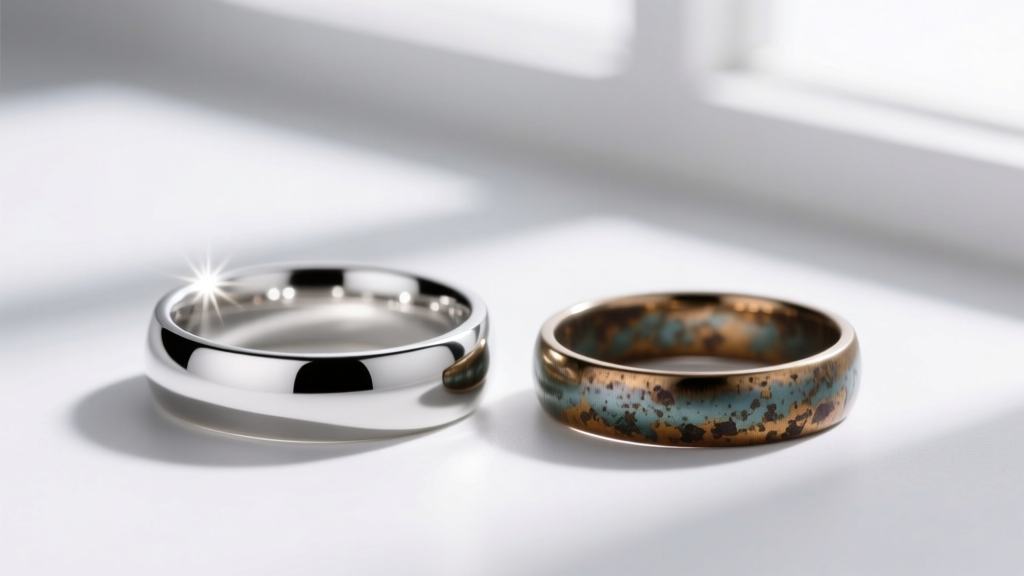
When you first examine a platinum ring in a luxury showroom, it gleams with an unmatched, icy brilliance. However, many buyers are caught off guard when that mirror-like finish inevitably softens into a satin sheen after a few months of daily wear. This transformation is not a defect; it is a fundamental characteristic of the metal. If you are in the market for fine jewelry, understanding the relationship between factory finishes, natural patina, and the realities of polishing platinum jewelry is critical to making a purchase you will love for a lifetime.
This buying guide moves beyond generic metal comparisons. We will explore the specific metallurgical alloys used in modern platinum jewelry, how different surface finishes age over time, and the structural design elements that dictate how easily your piece can be restored by a master jeweler.
The Platinum Paradox: Metal Displacement vs. Metal Loss
To make an informed buying decision, you must first understand how platinum reacts to friction. According to the Gemological Institute of America (GIA), platinum is exceptionally dense and durable, but it is not the hardest metal on the Mohs scale. When white gold or silver is scratched, microscopic flakes of metal are gouged out and lost forever. Platinum behaves entirely differently.
When platinum is scratched, the metal is merely displaced. It shifts from one side of the scratch to the other, creating microscopic ridges. Over time, this accumulation of displaced metal creates a soft, frosted appearance known as a patina. Many collectors and jewelers prize this antique-like finish, as it proves the metal's authenticity and gives the piece a lived-in character. However, if you prefer a perpetual high-shine aesthetic, you must factor the frequency and method of polishing into your purchasing decision.
Factory Finishes: What to Look For on the Showroom Floor
The initial finish applied to platinum at the factory dictates how noticeable the eventual patina will be. When evaluating pieces in a display case, look closely at the surface texture and ask the jeweler which technique was used.
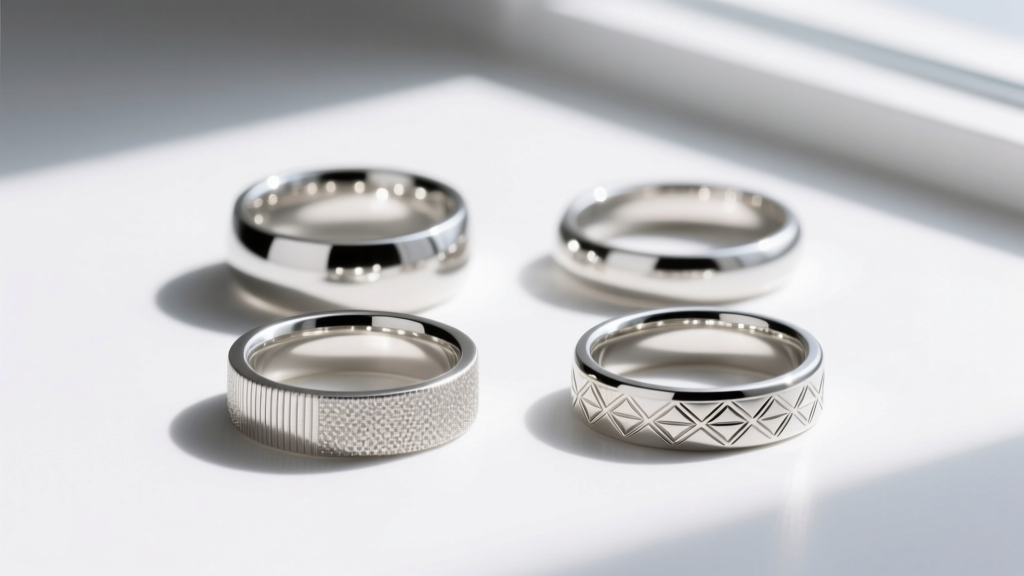
- High Polish (Mirror Finish): Achieved using fine rouge compounds on a buffing wheel. This finish offers maximum brilliance but shows scratches and patina development faster than any other finish. It requires the most frequent professional maintenance to keep it looking brand new.
- Satin / Brushed Finish: Created by dragging a fine abrasive pad or wire brush across the metal in a single direction. Because the finish is already intentionally textured, the development of a natural patina blends in seamlessly. This is an excellent choice for buyers who want low-maintenance elegance.
- Sandblasted Finish: A highly textured, matte surface created by blasting the metal with fine glass beads or aluminum oxide. This finish completely hides daily wear and tear, making it ideal for active lifestyles, though it cannot be easily polished back to a high shine without completely refinishing the piece.
- Florentine Finish: A decorative cross-hatch pattern engraved into the metal. This intricate texture masks scratches brilliantly and adds a vintage, artisanal character to the jewelry.
The Alloy Factor: How Pt950 Blends Dictate Future Polishing
Pure platinum (Pt1000) is too soft for secure gemstone settings. Therefore, it is alloyed with other metals from the platinum group. The specific alloy used drastically affects how the jewelry wears and how it responds to polishing. Platinum Guild International notes that the two most common alloys in the US and European markets are Ruthenium and Iridium.
| Alloy Composition | Hardness (Vickers) | Patina Speed | Polishing Ease | Best Buyer Use-Case |
|---|---|---|---|---|
| Pt950 / 5% Ruthenium | ~135 HV | Slow | Difficult (Requires high heat and expertise) | High-polish bands, geometric designs, tension settings |
| Pt950 / 5% Iridium | ~80 HV | Fast | Easy (Highly malleable, easy to burnish) | Intricate prong settings, vintage-style milgrain, pavé |
| Pt900 / 10% Iridium | ~110 HV | Moderate | Moderate | Traditional Japanese market pieces, heavy cast rings |
Buyer Takeaway: If you are buying a ring with intricate diamond pavé or delicate milgrain edges, look for Pt950/Iridium. Its malleability allows jewelers to safely burnish and polish the metal without snapping the delicate prongs. If you are buying a thick, high-polish wedding band and want it to resist patina for as long as possible, seek out Pt950/Ruthenium.
The Realities of Polishing Platinum Jewelry
Not all polishing is created equal. When you buy platinum, you are investing in a metal that requires specialized bench skills to maintain. General retail jewelers often treat platinum exactly like white gold, which can lead to disastrous results, including rounded edges and lost metal weight.
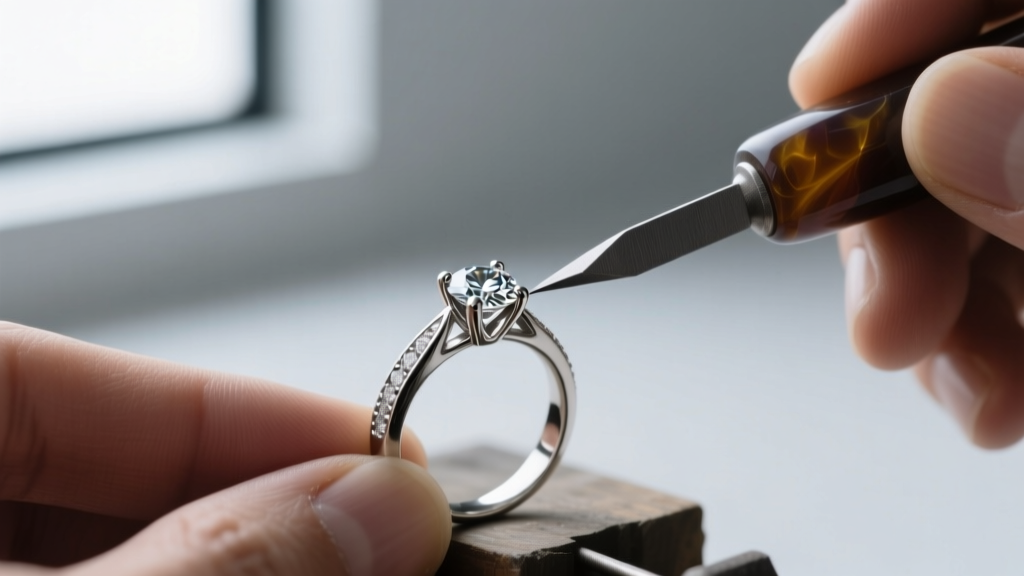
There are two primary methods a master jeweler will use when polishing platinum jewelry:
- Burnishing (The Preferred Method): Instead of using abrasive compounds that strip away metal, a skilled jeweler will use a hardened steel or polished agate burnishing tool to physically compress the displaced platinum back into the scratches. This technique restores a brilliant shine while retaining 100% of the ring's original metal weight and keeping sharp edges crisp.
- Abrasive Buffing (The Corrective Method): If the ring has suffered deep gouges or structural damage, the jeweler must use a buffing wheel with specialized platinum compounds (like Tripoli followed by Platinum Rouge). This removes a microscopic layer of metal to level the surface. While effective, doing this more than once or twice a decade will eventually soften the ring's architectural lines and reduce its weight.
Design Features That Complicate Maintenance
Before finalizing your purchase, inspect the jewelry for design elements that will make future polishing difficult, expensive, or impossible without altering the piece's original intent.
- Mixed Metal Inlays: If a platinum ring features an inlay of 18k yellow gold, wood, or carbon fiber, a jeweler cannot simply throw it on a buffing wheel. The abrasive compounds will ruin the softer inlay materials. These rings must be polished meticulously by hand with a laser or flexible shaft tool, increasing labor costs.
- Heavy Engraving and Milgrain: Aggressive machine polishing will literally erase hand-engraved patterns and melt away the tiny beaded edges of milgrain detailing. If you buy a vintage-inspired piece with these features, you must commit to gentle, hand-burnishing only.
- Frost-Set or Tension-Set Diamonds: Polishing a tension setting requires extreme caution. Removing even a fraction of a millimeter of platinum from the tension groove can compromise the structural integrity holding the diamond in place.
The Buyer’s Maintenance Decision Framework
Ultimately, buying platinum is an exercise in aligning your aesthetic preferences with your willingness to perform maintenance. Use this quick framework before handing over your credit card:
- Choose High-Polish Pt950/Ruthenium if: You demand a mirror shine, work with your hands only occasionally, and have the budget to visit a master jeweler for professional burnishing once a year.
- Choose Brushed/Satin Pt950/Iridium if: You have an active lifestyle, work in healthcare or manual trades, and prefer a piece of jewelry that evolves gracefully without requiring annual bench time.
- Avoid High-Polish if: You are purchasing a ring with extensive hand-engraving, delicate filigree, or mixed-material inlays, unless you are fully prepared to pay premium restoration fees.
Platinum remains the undisputed king of fine jewelry metals due to its hypoallergenic nature, brilliant white luster, and unmatched longevity. By understanding how factory finishes interact with natural patina, and by asking the right questions about alloys and polishing techniques, you ensure that the platinum piece you buy today will remain a stunning heirloom for generations to come.


