What Does 925 Italy Mean on Jewelry? A Gifting Guide
Discover what does 925 Italy mean on jewelry. Our expert gifting guide covers authenticity, Italian craftsmanship, and perfect occasion matching.

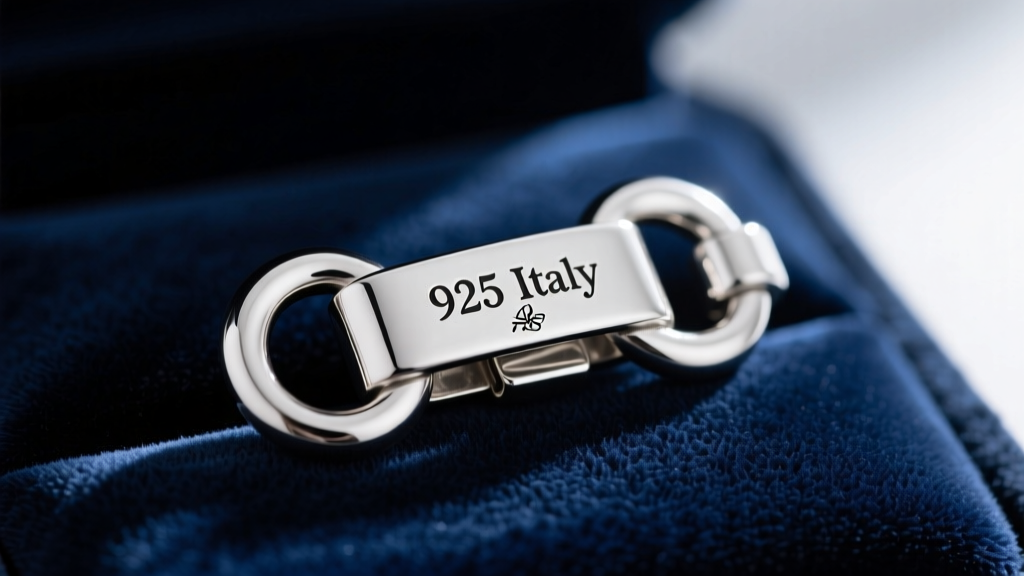
Few things elevate a gift quite like fine jewelry, but navigating the myriad of stamps, hallmarks, and origin marks can turn a joyful purchase into a confusing chore. If you have ever flipped over a beautifully crafted silver pendant or chain and asked yourself, 'what does 925 italy mean on jewelry?' you are not alone. For gift-givers, understanding this specific hallmark is the difference between presenting a mass-produced trinket and a timeless heirloom. Italian sterling silver is globally revered for its superior metallurgy, advanced finishing techniques, and strict regulatory oversight. This comprehensive guide will decode the '925 Italy' stamp, compare it to standard silver, and provide a strategic framework for matching these exquisite pieces to life's most important occasions.
Decoding the Stamp: Metallurgy and Italian Law
To understand the mark, we must break it into two distinct components: the purity standard and the country of origin. The '925' indicates that the piece is composed of 92.5% pure silver and 7.5% alloy metals, typically copper. Pure silver (99.9%) is too soft for functional jewelry; it would bend, scratch, and lose its shape within days. The 7.5% copper addition provides the necessary tensile strength for daily wear while retaining the brilliant white luster of precious silver.
The 'Italy' stamp signifies that the piece was manufactured within Italian borders, subjecting it to some of the strictest precious metal laws in the world. According to Italian Legislative Decree 251/1999, it is not enough to simply stamp '925'. Authentic Italian jewelry must also bear a registered maker's mark. This mark is typically a small polygon containing a unique identification number and a two-letter province code. For example, '123 AR' indicates the piece was crafted in Arezzo, a city historically renowned as a global capital of precious metal manufacturing, while 'VI' denotes Vicenza, another legendary hub for silver and goldsmithing.
When you gift a piece with a legitimate Italian assay mark, you are giving an item that has passed rigorous third-party quality controls, a fact backed by the Federal Trade Commission's guidelines on precious metal marketing, which heavily penalize fraudulent origin stamping.
The Italian Silver Advantage: Craftsmanship vs. Mass Production
Why do jewelers and collectors specifically seek out Italian sterling silver for gifts? The answer lies in the finishing techniques that Italian foundries have perfected over centuries. While standard imported silver is often cast or stamped and given a basic polish, Italian silver chains and bangles frequently undergo taglio a diamante (diamond-cutting). This process uses precision diamond-tipped tools to carve microscopic facets into the links of a chain, allowing the metal to catch and refract light brilliantly without the need for gemstones.
| Feature | Authentic Italian 925 | Standard Imported 925 |
|---|---|---|
| Clasp Mechanism | Heavy-duty lobster or concealed box with safety catches | Flimsy spring-ring, prone to snapping |
| Surface Finish | Diamond-cut facets, often rhodium-flashed for anti-tarnish | Standard high-polish, bare silver |
| Price per Gram (Retail) | $4.00 - $12.00+ | $1.50 - $3.50 |
| Tarnish Resistance | High (due to rhodium plating and superior alloy mixing) | Low to Moderate |
| Link Soldering | Laser-soldered, seamless links | Visible solder joints, weak points |
Because of these elevated manufacturing standards, an 18-inch, 5mm Italian Figaro chain typically retails between $180 and $350. A visually similar but structurally inferior imported chain might sell for $60 to $90. When gifting, the Italian piece communicates a deliberate investment in quality.
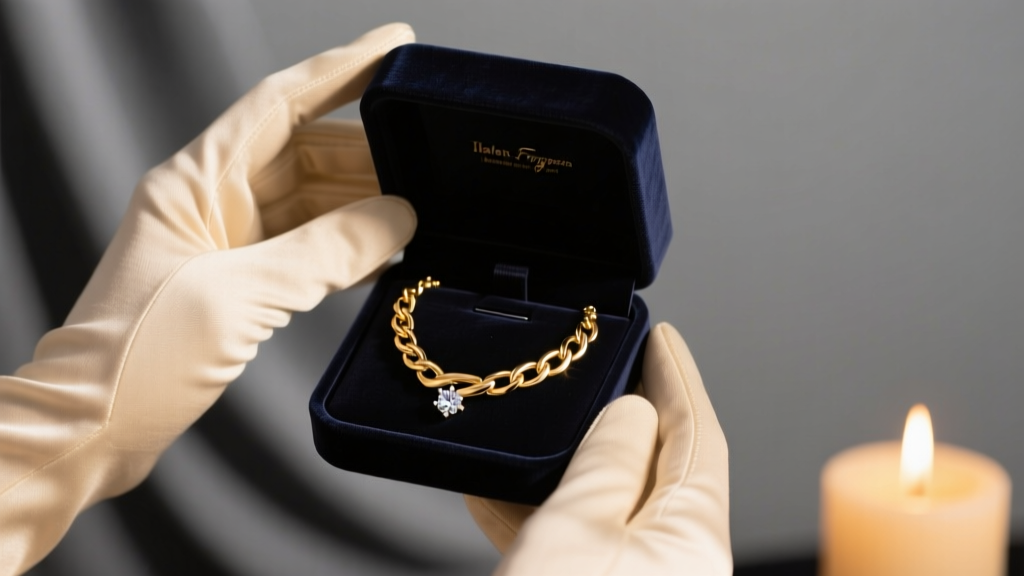
Occasion Matching: When to Gift Italian Sterling Silver
Italian silver is remarkably versatile, bridging the gap between everyday elegance and formal luxury. Here is how to match specific Italian silver styles to milestone occasions.
The 25th Silver Anniversary
The 25th wedding anniversary is traditionally the 'Silver Anniversary.' Gifting generic silver-plated items here is a misstep; this milestone demands solid, enduring metal. Opt for a substantial Italian chain, such as a 6mm to 8mm Cuban Curb or a heavy Mariner (Anchor) link. These styles are robust, masculine or feminine depending on the width, and carry a physical weight that symbolizes a quarter-century of commitment. Budget for $400 to $800 for a high-quality, solid-link Italian piece that will last another 25 years.
Milestone Graduations and Confirmations
For high school or college graduations, as well as religious milestones like Confirmations, jewelry should be timeless yet youthful. Italian charm bracelets or sleek, rhodium-plated snake chains are ideal. A 2mm to 3mm Italian snake chain paired with a single, meaningful Venetian glass or enamel charm offers a personalized touch. The rhodium plating ensures the graduate won't have to worry about heavy tarnishing during their busy transitional years. Expect to spend $120 to $250 for a complete, high-quality starter set.
Romantic Occasions (Valentine's Day and Anniversaries)
For romantic gifting, lean into the intricate capabilities of Italian silversmiths. Look for 'Catena Fantasia' (fantasy chains), which feature complex, woven geometric patterns that look incredibly luxurious. Alternatively, Italian filigree pendants—featuring delicate, lace-like silver wire work—make breathtaking Valentine's Day gifts. These pieces highlight the artisan nature of the metal, proving that the Gemological Institute of America (GIA) notes about silver's workability are fully realized in Italian workshops.
Authenticating Your Gift: Spotting Fake '925 Italy' Marks
Because the '925 Italy' stamp commands a premium price, it is frequently counterfeited by overseas mass-producers. Before wrapping your gift, perform these non-destructive authentication checks to ensure you are getting what you paid for.
The Maker's Mark Rule: A true Italian piece will almost always have more than just '925 Italy'. Look closely at the clasp or the inner band of a ring with a jeweler's loupe for the tiny polygonal maker's mark (e.g., a star, a number, and two letters). If it only says '925 Italy' in a perfectly uniform, deep laser font with no other marks, proceed with caution.
- The Magnet Test: Silver is paramagnetic, meaning it is not attracted to magnets. If your 'Italian' chain sticks firmly to a neodymium magnet, the core is likely brass or steel, and the piece is merely heavily plated.
- The Thermal Conductivity Test: Silver has the highest thermal conductivity of any common metal. Place an ice cube on the silver bangle or chain. It should begin melting almost instantly, and the metal should become freezing cold to the touch within seconds. Plated base metals will not transfer the cold this rapidly.
- The Cloth Rub Test: Rub the piece vigorously with a soft, white microfiber cloth. If you see black residue on the cloth, it is likely real sterling silver oxidizing (tarnishing). If the cloth remains perfectly clean or shows green/brass dust, the item is plated.

Care Instructions to Include with Your Gift
A thoughtful gift-giver doesn't just hand over a box; they provide the knowledge to maintain the treasure. When gifting Italian sterling silver, include a small, handwritten care card. Italian silver, especially when diamond-cut, relies on its pristine facets for its sparkle. Tarnish (silver sulfide) will fill those microscopic facets, dulling the piece.
Advise the recipient to store the jewelry in an airtight anti-tarnish bag with a 3M anti-tarnish strip, which absorbs ambient sulfur and hydrogen sulfide. Remind them that Italian rhodium-plated silver should never be cleaned with harsh silver dip solutions, as the chemicals can strip the rhodium flash and leave the underlying copper alloy exposed to rapid oxidation. Instead, a simple wash with warm water, a drop of mild dish soap, and a gentle brush with a baby-hair toothbrush will keep Italian silver looking as brilliant as the day it left the workshop in Arezzo.
Ultimately, understanding what the '925 Italy' stamp represents transforms a simple jewelry purchase into an investment in heritage, artistry, and enduring quality. By selecting authentic Italian pieces and matching them thoughtfully to life's milestones, your gift will be cherished for generations.


