What Does 925 Mean on Jewelry? A Beginner's Guide
Discover what 925 means on jewelry, how sterling silver alloys work, and how to spot fake hallmarks with our beginner-friendly testing guide.

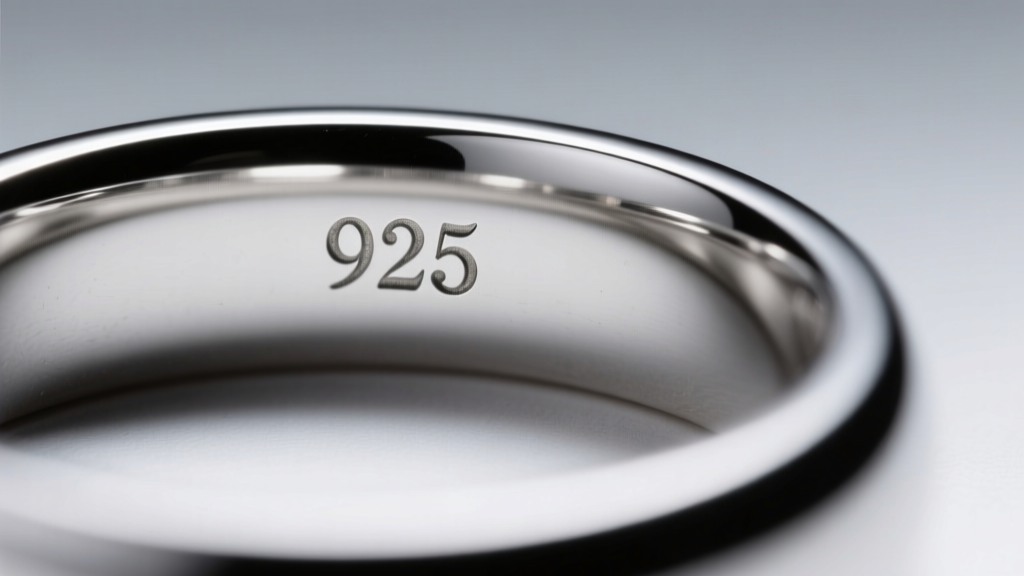
The Short Answer: Decoding the 925 Stamp
When you first start collecting or inheriting vintage pieces, you might find yourself asking: what does 925 mean on jewelry? The short answer is that "925" is the universal hallmark for sterling silver. It indicates that the piece is composed of 92.5% pure silver and 7.5% alloy metals—most commonly copper. This specific ratio is the global standard for high-quality, durable silver jewelry.
Pure silver, also known as fine silver, is exceptionally beautiful but far too soft for everyday wear. If a jeweler were to craft a ring out of 99.9% pure silver, it would bend, scratch, and lose its shape within days of regular use. By alloying the silver with 7.5% copper (or occasionally zinc and platinum), the metal gains the structural integrity required to hold gemstones, maintain intricate engravings, and withstand the rigors of daily life without sacrificing its brilliant luster.
The Metallurgy of Silver: Why Purity Grades Matter
Understanding the metallurgy behind the stamp is crucial for any jewelry buyer. While 925 is the most common stamp you will encounter, it is part of a broader spectrum of silver purity grades. Modern innovations have also introduced alloys like Argentium silver, which replaces some of the copper with germanium to drastically increase tarnish resistance while maintaining the 925 or 935 purity thresholds.
| Silver Grade | Purity | Composition | Best Use Case |
|---|---|---|---|
| 999 Fine Silver | 99.9% | Pure Silver | Investment coins, bezel wire, metal clay |
| 925 Sterling | 92.5% | 92.5% Ag, 7.5% Cu | Everyday rings, chains, pendants, earrings |
| 900 Coin Silver | 90.0% | 90% Ag, 10% Cu | Vintage US flatware, antique pocket watches |
| 800 Continental | 80.0% | 80% Ag, 20% Alloy | Vintage European hollowware, antique teapots |
According to the Gemological Institute of America (GIA), the 925 standard was popularized in the 12th century by King Henry II of England, who established the "Easterling" standard for coinage, which eventually evolved into the term "sterling." Today, it remains the benchmark for luxury and commercial silver jewelry alike.
Hallmarking Laws: Is the Stamp Legally Binding?
One of the most critical concepts for beginners to grasp is that the presence of a 925 stamp does not universally guarantee authenticity. The legal weight of the hallmark depends entirely on where the jewelry was manufactured and sold.
Expert Insight: In the United Kingdom, the Hallmarking Act of 1973 makes it illegal to sell any item over 7.78 grams as silver unless it has been tested and stamped by an official Assay Office. In contrast, the United States relies on the Federal Trade Commission (FTC) Jewelry Guides, which mandate that if a quality mark (like 925) is applied, it must be accurate and accompanied by a registered trademark, but the US does not have a government-run assay testing system.
Because of this regulatory disparity, buying unbranded "925" jewelry from unregulated overseas e-commerce platforms carries a high risk of receiving silver-plated base metals stamped with a fraudulent 925 mark. Always look for a maker's mark or brand trademark next to the 925 stamp, as this provides a layer of legal accountability for the manufacturer.
How to Verify Your 925 Silver at Home
You do not need expensive X-ray fluorescence (XRF) scanners to perform preliminary authenticity checks. By relying on the unique physical and chemical properties of silver, you can conduct highly effective at-home tests.
1. The Neodymium Magnet Test
Silver is paramagnetic, meaning it exhibits only a negligible, practically unnoticeable attraction to magnetic fields. If you slide a strong neodymium magnet down a 925 silver chain or hold it against a ring, the magnet should not stick. If the jewelry snaps to the magnet or resists the magnet's slide with noticeable friction, the piece is likely made of a ferromagnetic core metal like steel or iron, and merely plated with a microscopic layer of silver.
2. The Thermal Conductivity (Ice) Test
Silver possesses the highest thermal conductivity of any common metal. It transfers heat rapidly away from its surface.
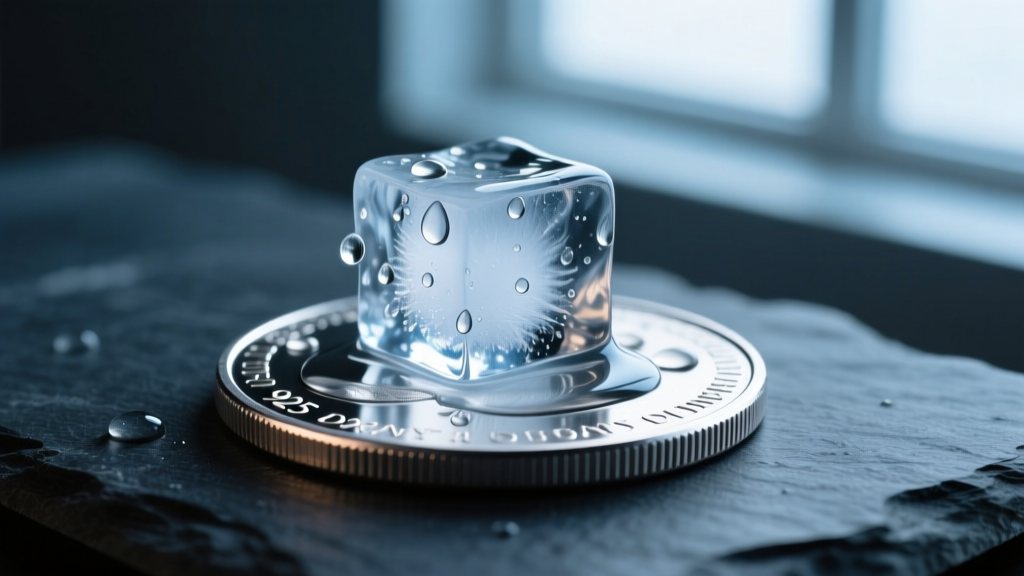
To perform this test, place an ice cube directly onto the silver item in a room-temperature environment. A genuine 925 piece will draw the ambient heat from the air and the surface it rests on, transferring it into the ice so efficiently that the ice will begin to melt almost instantly, as if it were placed on a hot stove. Base metals like stainless steel or brass will melt the ice at a standard, much slower rate.
3. The Odor Test
Pure silver and properly alloyed sterling silver are virtually odorless. However, the copper and brass used in counterfeit or heavily plated items react with the oils and acids on human skin to produce a distinct, sharp metallic smell—similar to the scent of old pennies. Rub the jewelry vigorously between your palms to generate slight heat, then smell it. If you detect a metallic or sulfurous odor, the piece is likely not solid 925 silver.
Common 925 Silver Scams to Avoid
The secondary market and fast-fashion jewelry sectors are rife with misleading terminology designed to confuse beginners. Be highly skeptical of the following terms:
- "Tibetan Silver" or "Nepalese Silver": These are almost never actual silver. They are typically base metal alloys (often containing zinc, copper, and sometimes dangerous levels of nickel or lead) given an antiqued, darkened finish to mimic aged silver.
- "Silver Plated" with a 925 Stamp: It is illegal in most regulated markets to stamp a silver-plated item with "925." Plated items should be marked "EPNS" (Electroplated Nickel Silver) or "Silver on Copper." If you see a 925 stamp on a piece that is flaking or revealing a yellow/green core, it is a counterfeit stamp.
- "Nickel Silver": Despite the name, this alloy contains absolutely zero elemental silver. It is a mixture of copper, nickel, and zinc, and is a common trigger for severe contact dermatitis and metal allergies.
Caring for Your 925 Sterling Silver
Even genuine 925 silver requires proper maintenance. The 7.5% copper in the alloy is highly reactive to sulfur compounds in the environment. When copper reacts with hydrogen sulfide (H2S) in the air, it forms silver sulfide, which manifests as the blackish-yellow layer we call tarnish.
To preserve your sterling silver collection, implement the following storage and care protocols:
- Use Anti-Tarnish Strips: Store your jewelry in airtight ziplock bags alongside 3M anti-tarnish tabs, which absorb ambient sulfur gases before they can reach the metal.
- Avoid Humidity and Chemicals: Never wear 925 silver in hot tubs, swimming pools, or while applying lotions and perfumes. Chlorine and sulfur-based chemicals will cause rapid, severe tarnishing and can permanently pit the metal's surface.
- Polish Correctly: Use a dedicated microfiber silver polishing cloth impregnated with jeweler's rouge. Avoid liquid silver dips for pieces with porous gemstones like turquoise, opals, or pearls, as the harsh thiourea chemicals in the dips will destroy the stones.
By understanding the science, history, and legalities behind the 925 stamp, you can confidently navigate the jewelry market, build a lasting collection, and avoid the costly mistakes that often trap beginner collectors.


