How to Clean and Restore Silver Filigree Jewelry Safely
Learn the exact step-by-step process to clean, polish, and restore delicate silver filigree jewelry without damaging the intricate wirework.

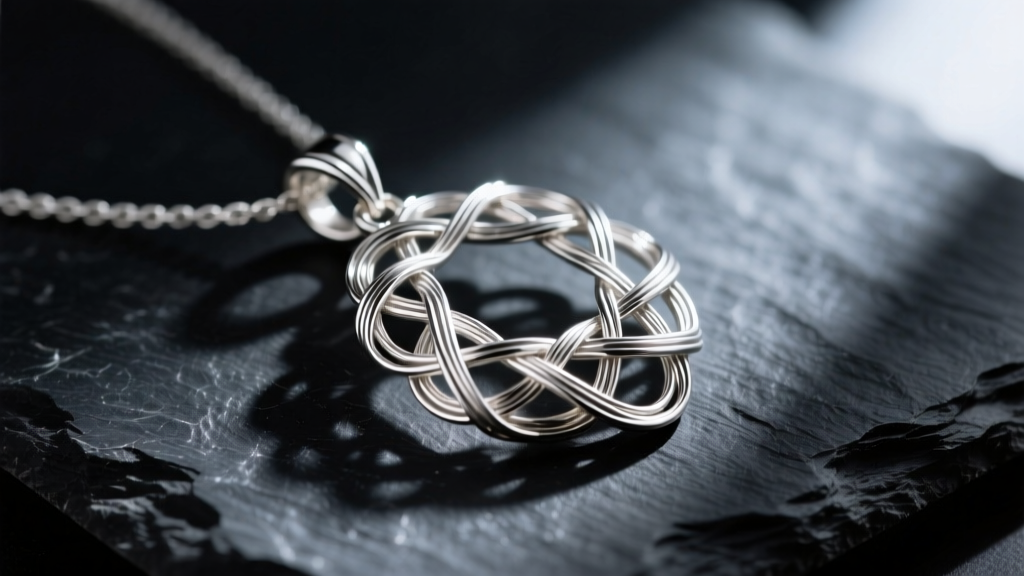
The Unique Anatomy of Silver Filigree Jewelry
Silver filigree jewelry represents one of the most demanding and exquisite techniques in metalsmithing. Unlike standard cast or stamped silver pieces, true hand-woven filigree is constructed from incredibly fine sterling silver wires—typically ranging from 24 to 28 AWG (American Wire Gauge)—that are curled, twisted, and soldered into delicate, lace-like patterns. Because of this intricate architecture, standard silver cleaning methods are not just ineffective; they are actively destructive.
The most common mistake collectors and everyday wearers make is treating silver filigree jewelry like a solid silver band. Commercial silver dips, which rely on thiourea-based chemicals to strip tarnish, will instantly remove the intentional oxidation (antiquing) that sits in the recessed negative spaces of the filigree. This leaves the piece looking flat, gray, and devoid of the three-dimensional contrast that gives filigree its visual depth. Furthermore, the popular 'baking soda and aluminum foil' galvanic bath can weaken the microscopic solder joints holding the 26-gauge wires together if the solution is too hot or the piece is submerged for too long.
To properly maintain these heirloom-quality pieces, you must adopt a conservation-grade approach. This guide outlines a meticulous, step-by-step framework for cleaning, polishing, and preserving the structural and aesthetic integrity of your silver filigree jewelry.
Essential Tools for Filigree Conservation
Before beginning the restoration process, gather the following specialized tools. Avoid any abrasive materials, stiff-bristled brushes, or harsh chemical polishes.
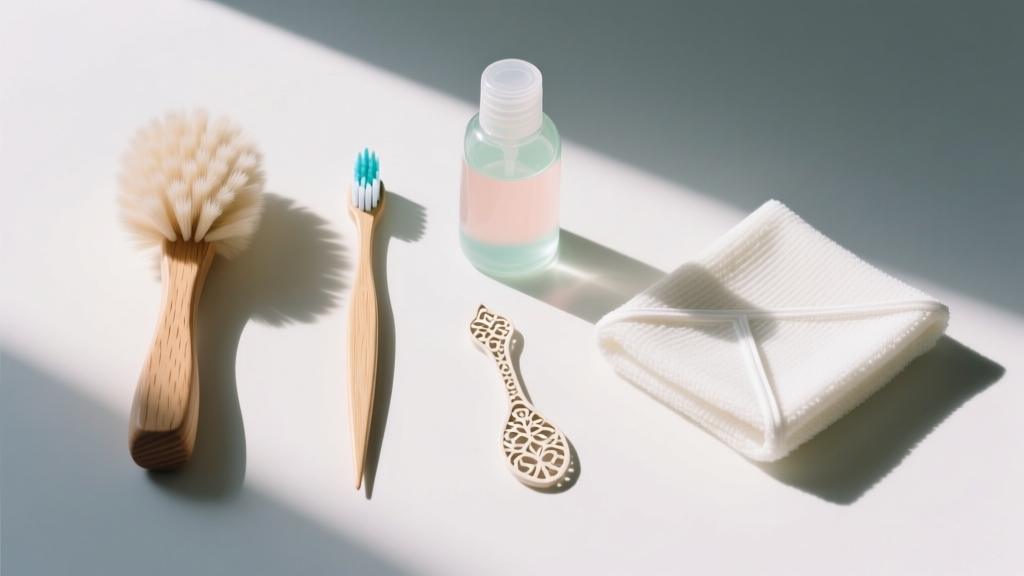
- Ultra-Soft Baby Toothbrush: The bristles must be pliable enough to bend into the wire crevices without applying lateral pressure that could warp 28-gauge loops.
- Wooden Skewers or Toothpicks: Used for mechanical agitation and targeted polishing. Wood is softer than silver and will not scratch the metal or dislodge solder joints.
- pH-Neutral Surfactant: A mild, phosphate-free dish soap (like original Dawn) diluted in distilled water. Tap water contains chlorine and minerals that can accelerate future tarnishing.
- 99% Isopropyl Alcohol (IPA): Crucial for the dehydration phase to prevent hard water spots from forming inside the microscopic wire overlaps.
- Jeweler's Rouge Polishing Cloth: A treated microfiber cloth (such as a Sunshine cloth) impregnated with fine jeweler's rouge for selective high-point polishing.
Step-by-Step Guide to Cleaning Silver Filigree
Step 1: The Dry Dusting Phase
Filigree acts as a magnet for dust, skin cells, and cosmetic powders, which become impacted in the tiny wire junctions. Before introducing any moisture, use a clean, dry, soft-bristled brush to gently sweep the surface. Hold the piece over a dark cloth so you can see the debris falling away. Never use compressed air, as the sudden temperature drop from the expanding gas can cause thermal shock, potentially cracking any gemstones set within the filigree framework.
Step 2: The Mild Surfactant Bath
Mix three drops of pH-neutral dish soap into a bowl of lukewarm distilled water. Submerge the silver filigree jewelry and let it soak for exactly three to five minutes. This allows the surfactant to break down the surface tension of oils and lotions trapped in the wirework. Do not exceed five minutes, as prolonged water exposure can promote localized oxidation if the sterling alloy has a high copper content (standard 925 sterling is 7.5% copper).
Step 3: Targeted Mechanical Agitation
Remove the piece from the bath. Using the ultra-soft baby toothbrush, gently tap—do not scrub—the bristles against the wirework. For heavily soiled junctions where wires cross, use the tip of a wooden toothpick to gently dislodge the grime. Always push the toothpick parallel to the wire, never perpendicular, to avoid bending the delicate loops. According to conservation guidelines from the Gemological Institute of America (GIA), gentle mechanical action with soft implements is always preferred over chemical stripping for textured or intricate silver items.
Step 4: Rinsing and Dehydration
Rinse the jewelry thoroughly under a gentle stream of lukewarm distilled water. Immediately after rinsing, submerge the piece in a small cup of 99% isopropyl alcohol for 30 seconds. The IPA will rapidly displace the trapped water from the tightest crevices. Remove the piece and let it air dry on a lint-free towel. Because the alcohol evaporates almost instantly, it eliminates the risk of mineral deposits or water spots ruining the finish.
How to Re-Oxide and Polish the High Points
Once the silver filigree jewelry is completely clean and dry, you will likely notice that the high points of the wires are tarnished, while the recessed areas may still hold their dark patina (or lack it, if the piece was previously over-cleaned). Restoring the contrast is what brings filigree back to life.
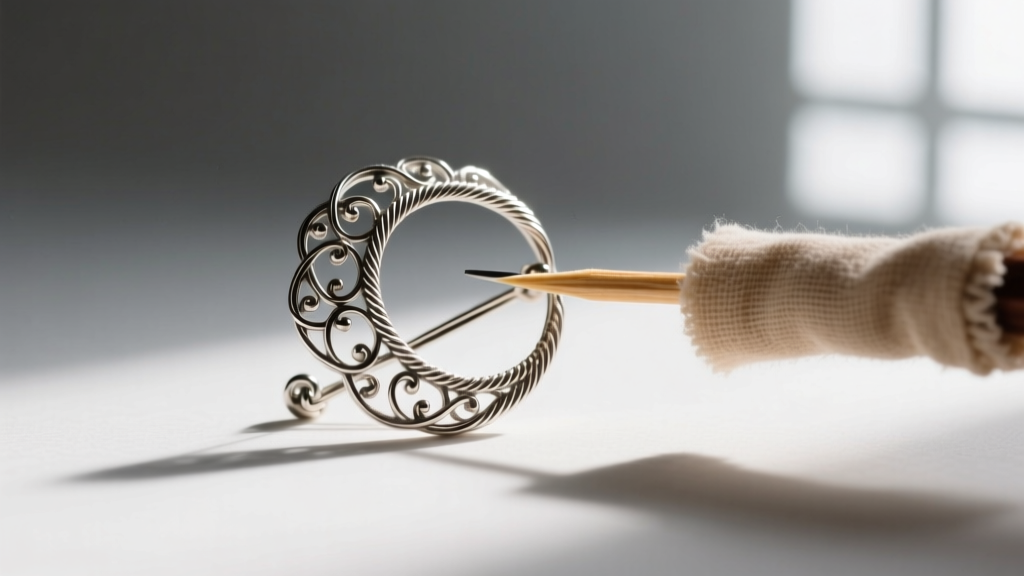
Selective Polishing Technique
Wrap a small corner of your jeweler's rouge polishing cloth tightly around the flat end of a wooden skewer. Gently glide this improvised tool over the highest, most prominent wires of the filigree. The wood provides a firm backing, allowing you to polish the raised silver to a brilliant shine without the cloth dipping into the recessed areas and removing the dark antiquing. This selective polishing creates the striking visual contrast that defines high-end filigree.
Re-Antiquing with Liver of Sulfur
If your piece has lost its dark background entirely, you can re-apply the patina using a liver of sulfur (LOS) solution. Dissolve a pea-sized amount of LOS gel in a cup of warm water. Dip a cotton swab into the solution and carefully paint it only into the recessed negative spaces of the filigree. The silver will turn black within seconds. Rinse immediately with water to stop the chemical reaction. Once dry, repeat the selective polishing technique to shine the high wires, leaving the background pitch-black.
Filigree Care and Storage Framework
Proper storage is the final pillar of silver filigree maintenance. Because filigree features a massive surface-area-to-volume ratio, it is highly susceptible to airborne sulfur compounds that cause tarnish. Furthermore, the delicate wires can easily snag on fabrics or become crushed by heavier jewelry.
| Storage Method | Tarnish Prevention Efficacy | Physical Protection Level | Expert Recommendation |
|---|---|---|---|
| Open Jewelry Box | Poor | Low | Never use for filigree; guarantees rapid tarnishing and snagging. |
| Standard Ziploc Bag | Moderate | Moderate | Acceptable for short-term, but PVC in some plastics can trap moisture. |
| Anti-Tarnish Flannel Pouch | High | High | Ideal for daily storage; treated flannel absorbs sulfur gases. |
| Airtight Container with Silica | Very High | Very High | Best for long-term archival storage of heirloom filigree pieces. |
For long-term preservation, the Smithsonian Museum Conservation Institute recommends storing silver in airtight environments with desiccants to control relative humidity. Place your silver filigree jewelry inside an anti-tarnish flannel pouch, then seal that pouch inside an airtight acrylic box with a fresh packet of silica gel. This dual-barrier approach neutralizes both the chemical (sulfur) and environmental (humidity) catalysts for tarnish, ensuring your intricate wirework remains pristine for decades.
Final Thoughts on Filigree Maintenance
Caring for silver filigree jewelry requires a shift in mindset from 'cleaning' to 'conserving.' By understanding the delicate gauge of the wires, the chemistry of intentional oxidation, and the mechanics of selective polishing, you can maintain the breathtaking depth and brilliance of these wearable works of art. Avoid the temptation of quick-fix chemical dips, and instead rely on the meticulous, step-by-step methods outlined above to protect your investment and preserve the artisan's original vision.


