Best Silver Jewelry Polish: Material Properties & Comparison Guide
Compare the chemical properties and abrasiveness of top silver jewelry polish types to safely restore 925 sterling, fine, and oxidized silver.

The Chemistry of Tarnish and the Role of Silver Jewelry Polish
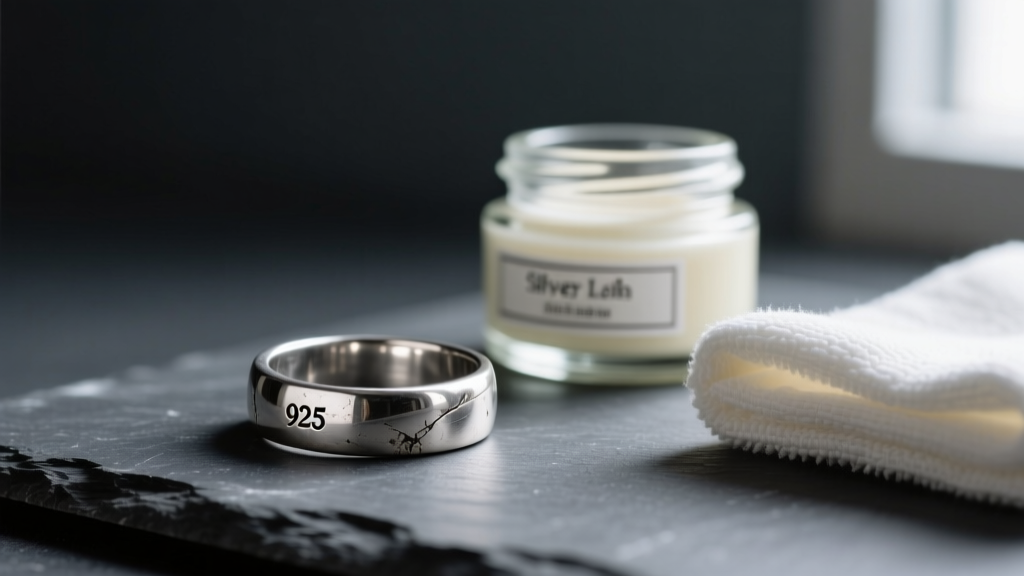
To select the correct silver jewelry polish, one must first understand the metallurgical reality of tarnish. Pure silver (Ag) is relatively stable, but when exposed to hydrogen sulfide (H2S) in the atmosphere, it undergoes a chemical reaction to form silver sulfide (Ag2S). This manifests as the dull, yellowish-brown, or black film we recognize as tarnish. According to The Silver Institute, this reaction is accelerated by humidity, airborne pollutants, and even the natural sulfur compounds found in human sweat and cosmetics.
The role of a silver jewelry polish is either to chemically reduce the silver sulfide back into elemental silver, or to mechanically abrade the sulfide layer away from the surface. However, because sterling silver (925) contains 7.5% copper to increase hardness, the copper component also oxidizes. This creates microscopic galvanic cells on the metal's surface, meaning that harsh polishing can inadvertently expose fresh copper, leading to accelerated re-tarnishing if the piece is not properly sealed or maintained post-polish.
Material Comparison: Liquid Dips vs. Cream Polishes vs. Treated Cloths
Not all polishes are created equal. The market is dominated by three distinct material categories, each with unique chemical properties, abrasiveness levels, and use-case limitations. Below is a structured comparison of these material properties.
| Polish Type | Active Ingredients | Abrasiveness | Best Application | Critical Warnings |
|---|---|---|---|---|
| Liquid Dips | Thiourea, Hydrochloric Acid | None (Chemical) | Heavily tarnished chains, intricate filigree | Strips oxidized finishes; damages porous gems |
| Cream Polishes | Precipitated Silica, Calcium Carbonate | Low to Medium | Flat surfaces, high-polish bangles, rings | Can strip flash-plated silver; leaves residue in crevices |
| Treated Cloths | Iron Oxide (Jeweler's Rouge), Benzotriazole | Ultra-Low | Maintenance, light tarnish, matte finishes | Ineffective on heavy, blackened silver sulfide |
Thiourea-Based Liquid Dips (The Heavy Duty Option)
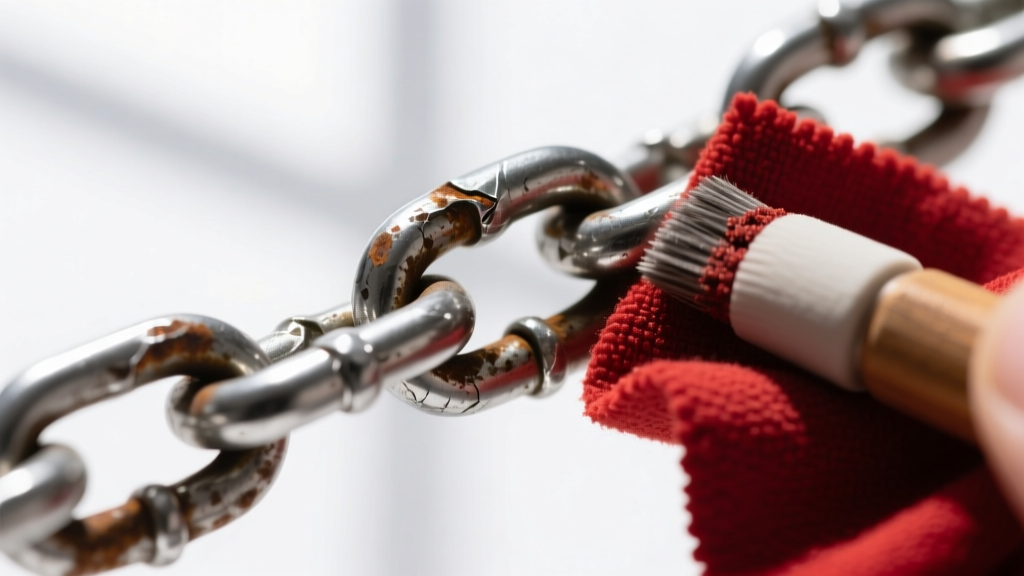
Liquid silver dips rely on a chemical reduction process. The active agent, thiourea, binds with the silver ions in the tarnish layer, while a mild acid (often hydrochloric or sulfuric) facilitates the reaction. This strips tarnish in seconds without any mechanical rubbing. However, from a materials science perspective, this rapid stripping leaves the silver surface microscopically pitted and highly reactive. Without immediate neutralization and thorough rinsing, the residual acid will cause 'etching,' a permanent dullness that requires professional machine polishing to fix. Furthermore, liquid dips will instantly destroy intentional oxidized (blackened) finishes and will severely damage porous gemstones like turquoise, opal, and lapis lazuli.
Mild Abrasive Creams (The Precision Option)
Cream polishes utilize suspended micro-abrasives, most commonly precipitated silica (hydrated silicon dioxide) or calcium carbonate. These particles are typically sized between 5 and 15 microns. When applied with friction, they mechanically sheer the silver sulfide layer off the metal. High-quality creams also contain surfactants and mild tarnish inhibitors like benzotriazole (BTA), which form a temporary molecular barrier over the silver, slowing future oxidation. Creams offer the most control, allowing the user to target specific areas without risking the structural integrity of intricate settings or gemstone adhesives.
Impregnated Microfiber & Flannel Cloths (The Maintenance Option)
Treated polishing cloths are impregnated with ultra-fine jeweler's rouge (iron oxide, Fe2O3) and anti-tarnish chemical agents. The abrasive particle size is sub-micron, meaning it removes only the absolute top layer of early-stage tarnish (the yellowish hue) without altering the underlying metal geometry. These cloths are the gold standard for maintaining brushed or matte finishes, as they will not inadvertently polish a matte surface into a high-gloss shine.
Matching Polish to Silver Grade and Finish
Selecting a silver jewelry polish requires a precise understanding of the piece's metallurgical grade and surface finish. Applying the wrong polish can cause irreversible cosmetic damage.
- 925 Sterling Silver (High Polish): Can tolerate cream polishes and liquid dips. However, frequent use of liquid dips will eventually cause surface pitting. Cream polishes are optimal for restoring mirror finishes.
- .999 Fine Silver: Contains no copper, meaning it tarnishes much slower and forms a lighter, yellowish sulfide layer. Fine silver is also significantly softer than sterling. Avoid abrasive creams entirely; use only treated cloths or chemical dips to prevent scratching the soft metal.
- Oxidized / Blackened Silver: The dark patina is intentionally created using liver of sulfur (potassium sulfide). Never use liquid dips or abrasive creams on oxidized silver. Maintenance should only involve gently rubbing the high points with a dry, untreated microfiber cloth to create contrast while leaving the recesses dark.
- Silver-Plated Jewelry: Plated items feature a microscopic layer of silver over a base metal (usually brass or copper). 'Flash' plating is a mere 0.1 to 0.5 microns thick, while heavy electroplate is 2.5+ microns. Using abrasive cream polishes on flash-plated items will quickly rub through the silver layer, exposing the base metal. Treated cloths are the only safe option for routine cleaning of plated silver.
Real-World Troubleshooting: When Polish Fails
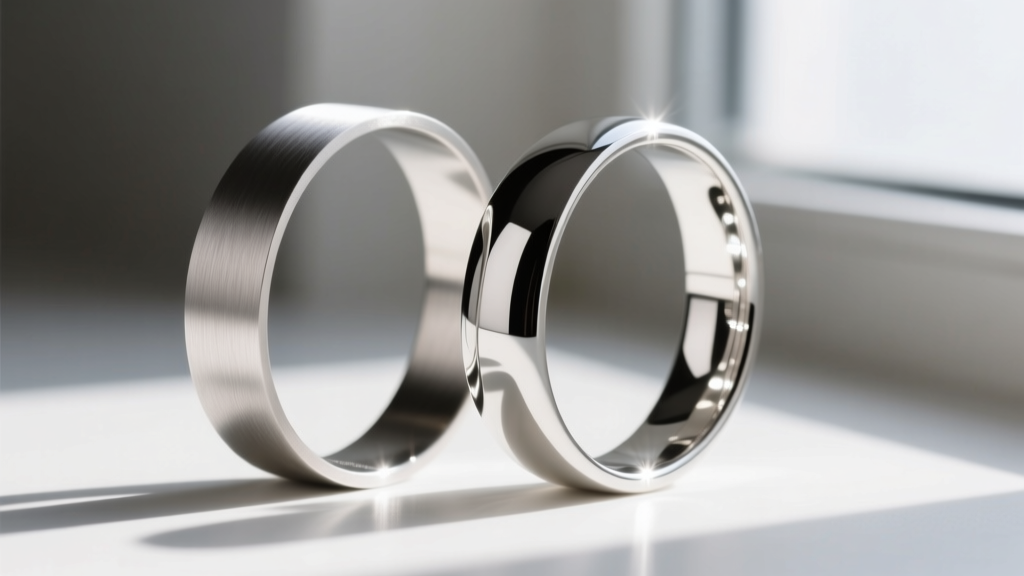
Even with the correct silver jewelry polish, jewelers and collectors frequently encounter anomalies where tarnish refuses to lift, or the metal appears damaged post-polishing. Understanding these material failure modes is critical for proper care.
Firescale (Cuprite Staining)
If a silver piece has been soldered or heated without proper flux or a reducing atmosphere, the copper within the 925 alloy oxidizes deep beneath the surface, forming cuprite. This manifests as a stubborn purple or grey shadow that standard silver polishes cannot remove. Firescale requires mechanical removal via abrasive blasting, aggressive sanding, or chemical pickling in a warm citric acid bath—none of which are achievable with consumer-grade polishes.
The Rhodium Plating Confusion
Many modern sterling silver pieces are electroplated with rhodium (a platinum group metal) to provide a bright, white-gold-like appearance and total tarnish resistance. If a rhodium-plated silver ring begins to look dull, it is not tarnished silver; it is scratched rhodium or wearing plating. Applying silver jewelry polish to rhodium will not restore its shine and may accelerate the wear of the plating layer. According to conservation guidelines from the Victoria and Albert Museum, identifying surface treatments is a mandatory first step before applying any chemical or abrasive cleaner to historical or high-value metals.
Galvanic Corrosion in Multi-Metal Pieces
Jewelry that combines sterling silver with base metals (like copper or brass accents) can suffer from galvanic corrosion when exposed to the electrolytes in liquid silver dips. The acid in the dip creates a battery effect, causing the less noble base metal to rapidly corrode and pit. For multi-metal jewelry, always bypass liquid dips in favor of targeted cream polishing or specialized ultrasonic cleaning with neutral pH solutions, adhering to the care standards outlined by the Gemological Institute of America (GIA).
Final Best Practices for Longevity
The most effective approach to silver care is preventative. Store 925 sterling and fine silver in anti-tarnish bags infused with activated carbon or zinc carbonate, which absorb atmospheric H2S before it can reach the metal. When polishing is required, always start with the least aggressive method—a dry treated cloth—before escalating to mild abrasive creams. Reserve chemical liquid dips strictly for heavily tarnished, solid sterling chains devoid of gemstones or intentional patinas. By respecting the material properties of both the silver alloy and the polish chemistry, you can preserve the structural integrity and luster of your jewelry for generations.


