How to Read Jewelry Markings for Silver: A Beginner Guide
Learn how to read jewelry markings for silver. Discover what 925, 999, and maker's marks mean to verify authenticity and avoid fakes.

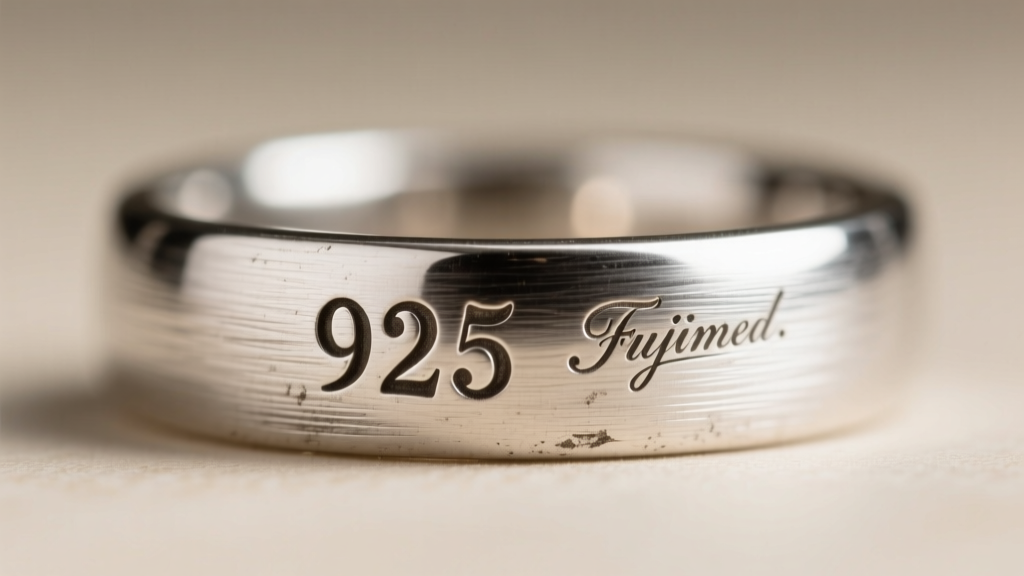
Whether you are browsing estate sales, shopping online, or inheriting family heirlooms, understanding jewelry markings for silver is the single most important skill you can develop. The silver market is flooded with convincing replicas, silver-plated base metals, and outright counterfeits. While a bright polish can trick the naked eye, the microscopic stamps hidden on clasps, ring shanks, and pendant bails tell the true story of a piece's origin, purity, and value.
This beginner-friendly explainer will decode the complex world of silver hallmarks. We will move beyond the basic "925" stamp and explore international assay standards, deceptive marketing terms, and actionable verification methods used by professional jewelers.
The Core Purity Stamps: What the Numbers Actually Mean
Pure silver is too soft for everyday jewelry; it would bend, scratch, and lose its shape within days. To create durable pieces, metallurgists alloy pure silver with other metals, usually copper. The numerical stamps you see represent the millesimal fineness—the parts per thousand of pure silver in the alloy.
| Stamp | Purity | Alloy Composition | Best Use Case | Tarnish Rate |
|---|---|---|---|---|
| 999 | 99.9% | Nearly pure silver | Wire wrapping, bezels, investment bullion | Very Low |
| 958 | 95.8% | 4.2% copper | Britannia silver (UK vintage/hallmarked) | Low |
| 925 | 92.5% | 7.5% copper/other | Sterling silver (global industry standard) | Moderate |
| 900 | 90.0% | 10% copper | Coin silver (vintage US flatware/jewelry) | Moderate-High |
| 800 | 80.0% | 20% copper | Continental silver (European antiques) | High |
Why 925 Sterling is the Sweet Spot
The 925 stamp denotes Sterling Silver. The 7.5% alloy (usually copper) provides the exact tensile strength needed for prongs to hold gemstones securely and for chains to resist snapping under moderate tension. However, that same copper is what causes sterling silver to oxidize and tarnish when exposed to sulfur in the air. If you see a "999" stamp on a heavy, everyday-wear ring with thin prongs, be highly suspicious; it is likely a fake stamp, as fine silver would fail structurally in that application.

Beyond Purity: Maker's Marks and Assay Symbols
In the United States, the Federal Trade Commission (FTC) requires that if a piece is stamped with a quality mark (like 925), it must also bear a registered maker's mark. However, enforcement is notoriously lax, and a simple "925" stamp can easily be faked by overseas manufacturers.
Conversely, the UK and many European nations utilize a strict, legally enforced hallmarking system. A full British hallmark provides an ironclad guarantee of authenticity and consists of three to four distinct symbols:
- The Sponsor's Mark (Maker's Mark): Usually two to four initials inside a unique shield or oval shape. This identifies the company or artisan who submitted the piece for testing.
- The Standard Mark: Confirms the purity (e.g., a lion passant for 925 sterling, or a figure of Britannia for 958).
- The Assay Office Mark: Identifies where the metal was tested. Common symbols include a leopard's head (London), an anchor (Birmingham), a castle (Edinburgh), and a rose (Sheffield). You can verify these symbols via The Assay Office archives.
- The Date Letter (Optional but common): A specific letter in a specific font and shield shape that corresponds to the exact year the piece was assayed.
Expert Insight: If you are buying a piece marketed as "British Antique Silver" but it only has a single "925" stamp with no lion passant or assay office symbol, it was likely made for the export market or is a modern reproduction, not a true vintage British hallmark.
Red Flags: Markings That Mean "Not Solid Silver"
Sellers often use confusing terminology or deceptive stamps to make base metals sound like precious silver. If you spot any of the following jewelry markings for silver, walk away or adjust your expectations (and your budget) accordingly:
1. EPNS and Silver Plate
EPNS stands for Electroplated Nickel Silver. SP, A1, or XXX Plate also indicate silver plating. These pieces feature a microscopic layer of silver over a base metal core. Once that thin layer wears off on high-friction areas (like the back of a ring or the clasp of a bracelet), the piece cannot be polished back to its original state without professional replating.
2. Nickel Silver, Alpaca, and German Silver
These terms are notorious misnomers. They contain 0% actual silver. They are copper-nickel-zinc alloys that mimic the color of silver. Not only do they lack intrinsic precious metal value, but the high nickel content frequently causes severe contact dermatitis and allergic reactions in sensitive wearers.
3. Tibetan Silver and Tribal Silver
Often sold in bohemian or artisan markets, "Tibetan Silver" is typically a base metal alloy (copper, zinc, and sometimes lead or cadmium). These pieces can actually be toxic and should never be used for new piercings or children's jewelry.
How to Verify Silver When Markings Are Missing or Worn
Decades of polishing can wear away hallmarks, and many vintage artisan pieces were never stamped to begin with. When you cannot rely on jewelry markings for silver, use these physical tests:
- The Magnet Test: Silver is paramagnetic, meaning it exhibits very weak magnetic properties. If a strong neodymium magnet snaps firmly to the jewelry, it has a ferromagnetic core (like iron or steel) and is definitively not solid silver.
- The Ice Test: Silver has the highest thermal conductivity of any common metal. Place an ice cube on a silver coin or heavy silver pendant. The ice should begin melting almost instantly, and the silver will become painfully cold to the touch within seconds as it rapidly draws heat from the ice.
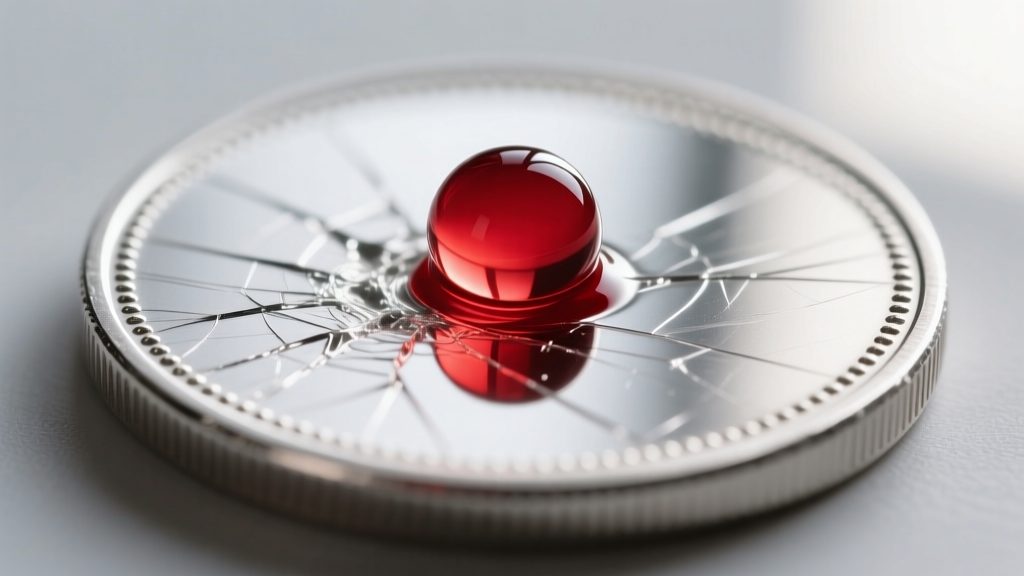
- The Acid Test (Schwerter's Solution): This is the professional standard. File a tiny, discreet notch into the metal (to bypass any plating) and apply a drop of silver testing acid.
- Blood Red: 925 Sterling Silver
- Dark Red/Brown: 800 Silver or lower purity
- Green: Copper or base metal (Silver plated or fake)
Expert Tips for Buying Vintage and Antique Silver
When shopping for vintage silver, your eyes and fingers are just as important as a loupe. Examine the high-wear areas of the piece: the edges of a pendant, the back of a ring band, and the links nearest the clasp. If you see a yellowish or reddish hue bleeding through the silver, you are looking at brass or copper beneath a worn silver plate.
Furthermore, utilize community databases. The 925-1000 Silver Encyclopedia is an invaluable, free resource where you can upload photos of obscure maker's marks and cross-reference them with thousands of documented silversmiths from the 18th century to the modern era. Taking the time to identify a maker's mark can turn a $20 thrift store find into a $500 collectible artifact.
Ultimately, learning to read jewelry markings for silver transforms you from a vulnerable consumer into an informed collector. Always demand clear, macro-level photos of hallmarks before purchasing online, and never hesitate to walk away if a seller cannot verify the origins of their stamps.


