Gifting Guide & Expert Tips for Cleaning Silver Plated Jewelry
Discover the perfect silver-plated gifts for any occasion and learn the expert secrets for cleaning silver plated jewelry safely.

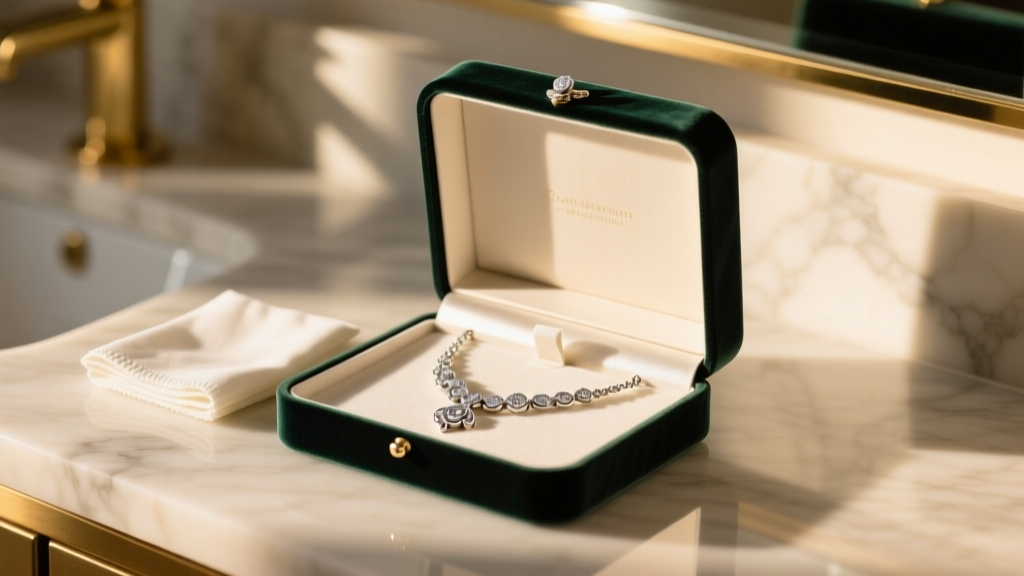
The Art of Gifting Silver-Plated Jewelry in 2026
Gifting jewelry is a timeless gesture, but navigating the balance between luxury, budget, and longevity requires a discerning eye. As we move through 2026, sustainable and budget-conscious gifting has taken center stage, making high-quality silver-plated jewelry an incredibly popular choice for bridesmaids, graduation gifts, and holiday exchanges. Unlike solid sterling silver, silver-plated pieces offer the brilliant, reflective luster of precious metal at a fraction of the cost, allowing gifters to opt for bold, intricate, or trend-forward designs without the guilt of a massive price tag.
However, the beauty of silver plating comes with a unique set of maintenance requirements. The most common mistake recipients make is treating plated pieces exactly like solid 925 sterling silver, leading to ruined finishes and exposed base metals. If you are gifting silver-plated accessories, you must also gift the knowledge of proper care. In this comprehensive guide, we will explore how to match silver-plated styles to specific occasions and provide a masterclass on cleaning silver plated jewelry to ensure your thoughtful gift stands the test of time.
The Anatomy of Silver Plating: What You Are Actually Gifting
Before selecting a piece, it is vital to understand what "silver-plated" actually means. Silver plating is an electrochemical process where a microscopic layer of pure silver is bonded to a base metal—usually brass, copper, or a copper-nickel alloy. The longevity of the piece depends entirely on the thickness of this silver layer, measured in microns.
- Flash Plating (0.1 to 0.5 microns): Extremely thin. Often found in fast-fashion jewelry. It will tarnish quickly and wear off within months of daily use. Best for single-use event gifts.
- Standard Plating (1.0 to 2.0 microns): The industry standard for quality fashion jewelry. With proper care and rotation, these pieces can last several years.
- Heavy Plating / Vermeil-Style (2.5 to 3.0+ microns): Highly durable and often used by premium demi-fine brands. This is the ideal tier for sentimental gifts meant to be worn frequently.
When shopping, look for hallmarks or descriptions indicating the base metal. Brass and copper are excellent, hypoallergenic bases. However, be cautious of vintage or unbranded items marked EPNS (Electroplated Nickel Silver). Despite the name, EPNS contains no actual silver in its base metal; it is a copper-nickel-zinc alloy that can trigger severe contact dermatitis in recipients with nickel allergies.
Occasion Matching: Selecting the Perfect Silver-Plated Piece
Matching the jewelry style to the occasion ensures your gift feels deeply personal. Below is a strategic framework for selecting silver-plated jewelry based on the event and the expected wear-and-tear.
| Occasion | Style Recommendation | Recommended Plating Grade | Base Metal to Seek |
|---|---|---|---|
| Bridesmaids | Delicate pearl drop earrings or minimalist pendant necklaces. | Standard (1.5+ microns) | Brass (Hypoallergenic) |
| Graduation | Geometric cuff bracelets or signet rings with subtle engraving. | Heavy (2.5+ microns) | Sterling Silver Core |
| Holiday / Secret Santa | Trend-driven pieces: chunky chains, herringbone chokers, or ear cuffs. | Flash to Standard (0.5 - 1.0) | Copper or Brass |
| Anniversary (Early Years) | Intricate filigree bands or vintage-inspired cocktail rings. | Heavy (3.0 microns) | Brass with Rhodium Flash |
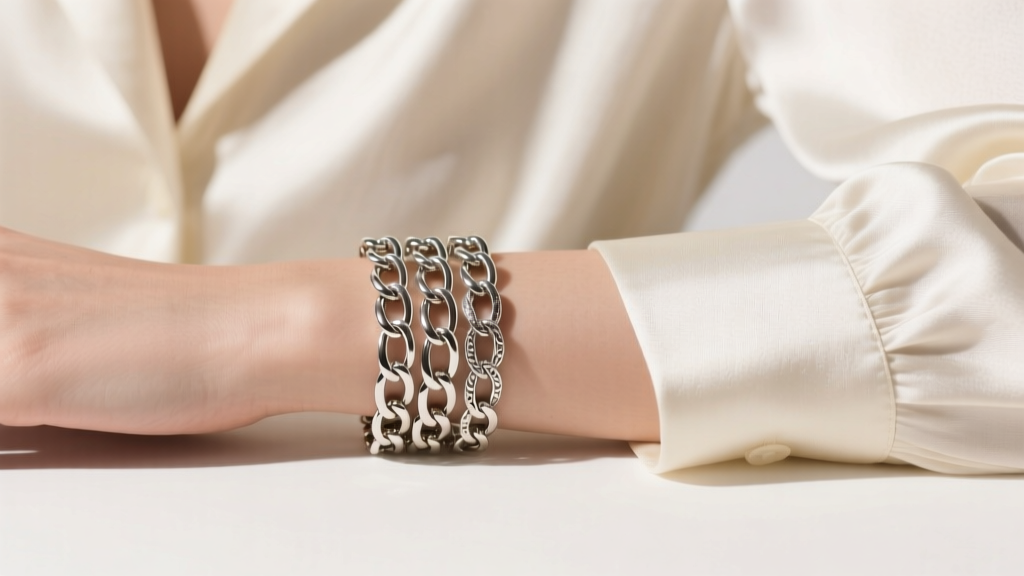
The Chemistry of Tarnish: Why Plated Jewelry is Different
To master the art of cleaning silver plated jewelry, one must first understand why it tarnishes. Pure silver does not tarnish; it is the alloy metals (like copper) mixed into sterling silver that react with sulfur compounds in the air to create silver sulfide—the blackish film we call tarnish. In silver-plated jewelry, the pure silver outer layer can still tarnish, but the primary risk is porosity and wear.
Because the silver layer is microscopic, aggressive polishing doesn't just remove tarnish; it physically strips the silver off the piece, exposing the dull, yellowish, or pinkish base metal underneath. Once the base metal is exposed, the piece cannot be polished back to life; it must be professionally re-plated.
The Danger of the "Aluminum Foil Hack"
If you search online for silver cleaning hacks, you will inevitably find the "boiling water, baking soda, and aluminum foil" trick. While this galvanic reaction is a miracle worker for solid, heavily tarnished sterling silver flatware, it is catastrophic for silver-plated jewelry.
"The rapid electrochemical transfer of sulfur ions in a hot, highly alkaline solution can cause microscopic blistering and delamination of thin silver electroplating. Conservation of plated objects requires the gentlest mechanical or chemical intervention possible." — Victoria and Albert Museum Conservation Guidelines
The heat weakens the electrochemical bond of the plating, and the aggressive reaction can cause the silver to pit or flake off entirely. Never use this method on plated gifts.
Step-by-Step Guide: Cleaning Silver Plated Jewelry Safely
When instructing your gift recipient on how to maintain their new accessory, share this gentle, Gemological Institute of America (GIA)-aligned methodology for cleaning silver plated jewelry. This process lifts oils and light oxidation without abrading the micron-thin surface.
What You Will Need:
- Distilled water (tap water contains chlorine and minerals that accelerate tarnishing)
- pH-neutral liquid dish soap (e.g., original Dawn)
- A brand-new, ultra-soft baby toothbrush
- Lint-free microfiber cloths (never paper towels, which contain wood pulp that scratches silver)
The Cleaning Process:
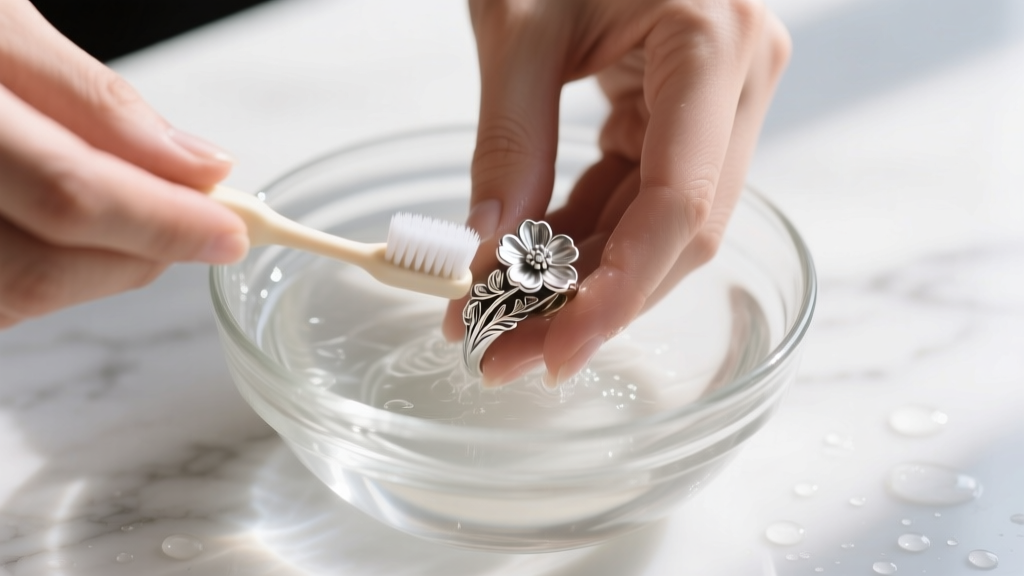
- Prepare the Solution: Mix a few drops of pH-neutral dish soap into a glass bowl of lukewarm (never hot) distilled water.
- Soak Briefly: Submerge the jewelry for no more than 3 to 5 minutes. This loosens sebum, lotions, and environmental dust.
- Gentle Agitation: Using the baby toothbrush, very lightly sweep across the surface of the metal and into any crevices or gemstone settings. Do not scrub; let the bristles do the micro-lifting.
- Rinse Thoroughly: Rinse the piece under a gentle stream of cool distilled water to remove all soap residue.
- Pat Dry: Immediately pat the jewelry completely dry with a microfiber cloth. Air-drying leaves water spots that can etch into the plating over time.
What to Avoid at All Costs
To protect the integrity of the electroplated layer, ensure your recipient knows to avoid the following common jewelry care mistakes:
- Silver Dip Solutions: Commercial liquid dips contain harsh thiourea-based acids that strip plating instantly and leave a porous, matte finish that re-tarnishes twice as fast.
- Ultrasonic Cleaners: The high-frequency cavitation bubbles created by ultrasonic machines will literally shake the thin silver plating right off the base metal.
- Toothpaste: Toothpaste contains silica and baking soda, which act like sandpaper on a microscopic level, leaving permanent swirl marks in the silver.
- Polishing Dips for Gemstones: If the silver-plated piece features pearls, opals, or turquoise, never submerge it. These porous stones will absorb the soapy water and crack or lose their luster. Spot-clean around the settings with a damp Q-tip instead.
The Ultimate Gifting Strategy: The "Care Kit" Add-On
If you want to elevate your gifting game in 2026, don't just hand over a jewelry box; curate a "Jewelry Care Kit" to accompany your silver-plated gift. This shows an incredible level of forethought and ensures the recipient has the exact tools needed to preserve the item.
What to include in the kit:
- A high-quality, anti-tarnish storage pouch (look for Pacific cloth or treated flannel, which absorbs sulfur compounds from the air).
- A dedicated, clean microfiber polishing cloth specifically meant for jewelry (free of any embedded jeweler's rouge or abrasive compounds).
- A small silica gel desiccant packet to place in their jewelry box, which controls ambient humidity and drastically slows the oxidation process.
- A beautifully printed, heavy-stock card detailing the step-by-step cleaning guide outlined above.
Final Thoughts on Silver-Plated Gifting
Silver-plated jewelry occupies a unique and valuable space in the modern jewelry market. It allows for bold, artistic, and occasion-specific gifting without the prohibitive costs of solid precious metals. By understanding the metallurgy of plating, matching the piece to the wearer's lifestyle, and educating them on the precise science of cleaning silver plated jewelry, you transform a simple accessory into a cherished, long-lasting heirloom. The true value of a gift lies not just in its initial presentation, but in the care and knowledge that ensures it continues to shine for years to come.


