How to Clean Jewelry Silver: Remove Heavy Tarnish Safely
Learn how to clean jewelry silver safely at home. Discover expert troubleshooting tips for heavy tarnish, gemstone-safe methods, and prevention.

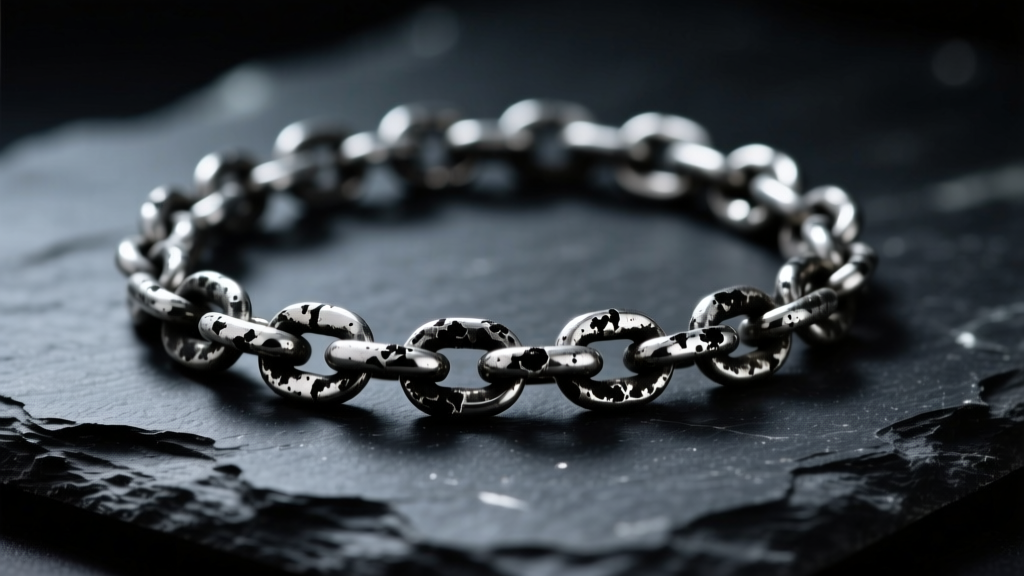
Silver jewelry is a timeless staple, but its tendency to darken over time frustrates many collectors and everyday wearers. If you are searching for how to clean jewelry silver without scratching the metal or ruining delicate gemstones, you must first understand what you are actually cleaning. Tarnish is not dirt; it is a chemical alteration of the metal's surface. Applying the wrong cleaning method can permanently strip plating, pit the surface, or destroy porous gemstones.
This comprehensive troubleshooting guide moves beyond generic internet hacks. We will explore the exact chemistry of silver tarnish, the electrochemical reduction method for heavy oxidation, and a strict safety matrix for gemstone-set pieces.
The Chemistry of Silver Tarnish: Why It Happens
Before you reach for a polishing cloth, you must identify the enemy. Pure silver (999 fine silver) is highly resistant to oxidation. However, most jewelry is crafted from 925 sterling silver, an alloy containing 92.5% silver and 7.5% copper. The copper is added for structural integrity, but it is also the primary catalyst for tarnish.
When silver and copper are exposed to hydrogen sulfide ($H_2S$) in the atmosphere—which is emitted by everything from industrial pollution to everyday foods like eggs and onions—a chemical reaction occurs. This creates silver sulfide ($Ag_2S$), the black, gray, or yellowish film you see on your jewelry. Humidity, sweat, and cosmetics accelerate this reaction exponentially.
"Abrasive polishing physically removes a microscopic layer of the metal along with the tarnish. Over decades, aggressive polishing will wear down hallmarks, soften intricate engravings, and alter the structural integrity of delicate chains." — Conservation principles outlined by the Jewelers of America.
How to Clean Jewelry Silver: The Electrochemical Method
For solid 925 sterling silver and 999 fine silver chains, bangles, and ungemmed rings, the most effective and non-destructive method is electrochemical reduction. Unlike polishing pastes that scratch the metal, this method reverses the chemical reaction, converting the silver sulfide back into elemental silver.
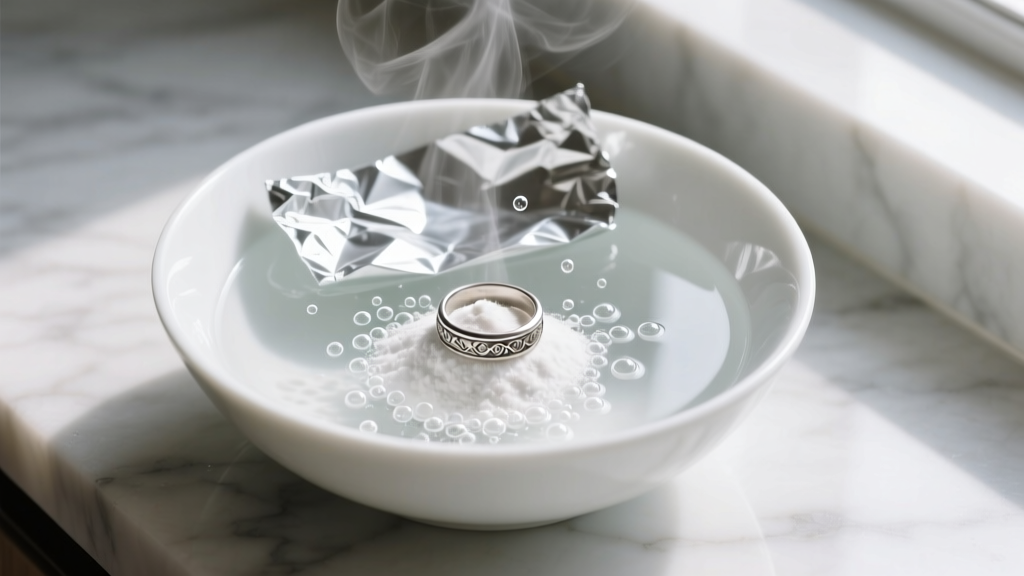
Step-by-Step Aluminum Foil Reduction
This process creates a galvanic cell where aluminum acts as the anode (sacrificial metal) and silver acts as the cathode.
- Prepare the Vessel: Line a heat-safe glass or ceramic bowl with aluminum foil, shiny side facing up. (The shiny side has slightly higher reflectivity and thermal conductivity, though both sides work).
- Create the Electrolyte: Add 1 tablespoon of baking soda (sodium bicarbonate) and 1 tablespoon of non-iodized salt per cup of water. The salt increases the ionic conductivity of the water.
- Apply Heat: Pour boiling water into the bowl to dissolve the powders and activate the chemical reaction.
- Submerge the Silver: Using plastic or wooden tongs (never metal, which will disrupt the circuit), place your silver jewelry into the solution. Ensure every piece is physically touching the aluminum foil or touching another piece of silver that is touching the foil.
- Wait and Monitor: Leave the jewelry submerged for 3 to 5 minutes. You will smell a distinct "rotten egg" odor—this is the sulfur releasing from the silver and bonding with the aluminum.
- Rinse and Dry: Remove the jewelry, rinse thoroughly under warm distilled water, and pat completely dry with a lint-free microfiber cloth.
Troubleshooting Stubborn Tarnish, Pitting, and Plating
The electrochemical method is highly effective, but it is not a universal cure-all. Here is how to troubleshoot specific failure modes and material variations.
Silver-Plated and Rhodium-Plated Pieces
If your jewelry is silver-plated (a thin layer of silver over brass or copper) or rhodium-plated (a bright white, anti-tarnish barrier over sterling), do not use the boiling aluminum foil method. The intense heat and alkaline environment can cause the thin plating to blister, peel, or strip entirely. For plated items, use a mild, phosphate-free dish soap, lukewarm water, and a baby-soft toothbrush.
Severe Pitting and "Red Tarnish"
If your sterling silver has a reddish hue, the copper in the alloy has heavily oxidized. If the surface feels rough or pitted, the tarnish has eaten deeply into the metal's crystalline structure. Electrochemical reduction will not smooth out pitting. You will need to use a professional jeweler's rouge on a rotary tool, or take the piece to a bench jeweler for a mechanical polish to remove the damaged layer.
Gemstone Safety Matrix: What to Avoid
Knowing how to clean jewelry silver becomes infinitely more complex when gemstones are introduced. Many popular DIY cleaners will permanently destroy porous or treated stones. Always consult the Gemological Institute of America (GIA) guidelines before submerging set jewelry.
| Gemstone Type | Porosity / Treatment | Safe Cleaning Method | Destructive Methods (Avoid) |
|---|---|---|---|
| Opal | Highly porous, water-sensitive | Dry microfiber cloth only | Water submersion, ultrasonic, heat |
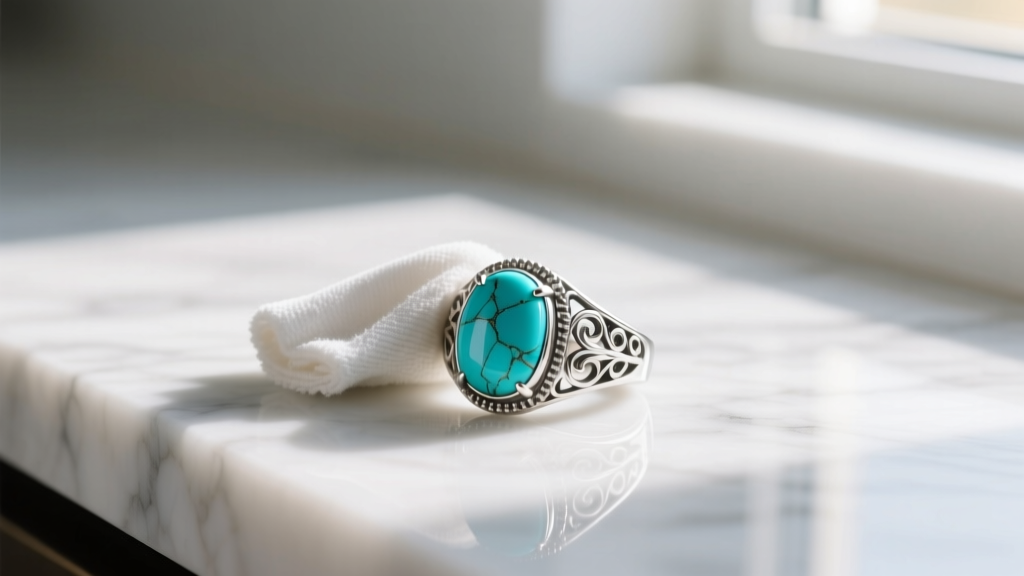
| Turquoise | Porous, easily stained | Damp cloth, mild soap (wipe quickly) | Chemical dips, baking soda, ultrasonic |
| Pearl | Organic, sensitive to alkali | Damp cloth, specialized pearl cleaner | Baking soda, vinegar, ultrasonic |
| Emerald | Fracture-filled with oils/resins | Lukewarm water, soft brush | Hot water, ultrasonic, steam cleaners |
| Diamond / CZ | Non-porous, highly durable | Ammonia-based cleaners, ultrasonic | None (safe for most methods) |
Destructive Cleaning Mistakes to Ban from Your Routine
In the quest to restore shine, many well-intentioned owners permanently damage their jewelry. Eliminate these three practices immediately:
- Using Toothpaste: Toothpaste contains hydrated silica and calcium carbonate, which are abrasive compounds. While they will remove tarnish, they will also leave thousands of microscopic scratches in the silver, creating a dull, matte finish that attracts more tarnish in the future due to increased surface area.
- Commercial Liquid "Dips": Instant silver dips (usually containing thiourea and strong acids) strip tarnish in seconds. However, they leave behind a microscopic residue that accelerates future tarnishing and can cause severe allergic skin reactions if not neutralized and rinsed perfectly.
- Ultrasonic Cleaners on Antique Silver: High-frequency sound waves are excellent for diamonds, but they can shatter fragile stones, loosen the glue in pave settings, and cause "oxidation bleed" where tarnish is driven deeper into the crevices of antique engravings.
Proactive Anti-Tarnish Storage Frameworks
The most effective way to clean silver is to prevent it from tarnishing in the first place. Proper storage disrupts the chemical reaction before it begins.
The 3M Anti-Tarnish Strip Method
3M produces specialized anti-tarnish strips that absorb hydrogen sulfide gas from the surrounding air. Place one strip inside your jewelry box or ziplock bag. A single 1-inch strip will protect a 1-cubic-foot enclosed space for up to 12 months.
Pacific Silvercloth
For high-value heirlooms, wrap pieces in Pacific Silvercloth. This specialized cotton flannel is embedded with microscopic silver particles. These particles act as a sacrificial anode, tarnishing in place of your jewelry. Never wash this cloth, as doing so will strip the embedded silver particles and ruin its efficacy.
Environmental Controls
Store silver in a low-humidity environment. Include silica gel desiccant packets in your storage drawers to keep relative humidity below 50%. Avoid storing silver in bathrooms, where steam and aerosol cosmetics create a highly corrosive environment.
By understanding the metallurgy of your pieces and respecting the chemical nature of tarnish, you can maintain the brilliant luster of your silver collection for generations without relying on destructive shortcuts.


