Silver Rush Jewelry: A Beginner's Guide to Authentic Pieces
Discover everything about the silver rush jewelry trend. Learn how to identify authentic 925 sterling, avoid fakes, and build a timeless collection.

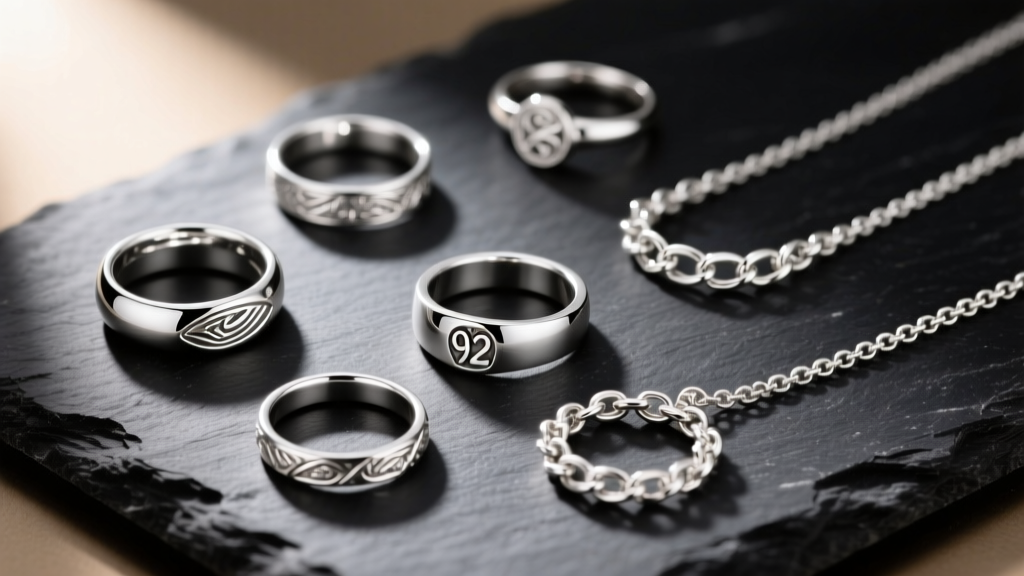
The contemporary jewelry market is undergoing a seismic shift. As gold prices stabilize at historic highs and the 'quiet luxury' aesthetic dominates global fashion, consumers and designers alike are participating in a modern silver rush. This surge in demand has flooded the market with breathtaking artisan pieces, but it has also attracted counterfeiters and low-quality dropshippers. For beginners, navigating the silver rush jewelry landscape requires more than just an eye for design; it demands a fundamental understanding of metallurgy, authentication, and proper care.
Whether you are looking to invest in vintage Navajo pieces from the historical silver boom or purchasing modern, minimalist sterling silver chains, this comprehensive guide will equip you with the exact technical specifications and practical frameworks needed to build an authentic, lasting collection.
The Metallurgy of the Silver Rush: Decoding Purity Grades
Not all silver is created equal. The term 'silver' is frequently misused in fast fashion, making it critical to understand the exact alloy compositions you are purchasing. According to the Gemological Institute of America (GIA), silver used in jewelry generally falls into three distinct metallurgical categories, each with specific physical properties.
Fine Silver (.999)
Fine silver is 99.9% pure silver. While it possesses a brilliant, unmatched luster and is highly resistant to tarnish, it is far too soft for daily wear. On the Vickers hardness scale, fine silver sits at a mere 25 HV. This means a .999 silver ring will easily bend out of shape, and prongs holding gemstones will quickly fail. Fine silver is best reserved for bezel settings, intricate wire-wrapping, or pendant components that do not endure high impact.
Sterling Silver (.925)
The undisputed king of the silver rush jewelry market is .925 sterling. By alloying 92.5% pure silver with 7.5% copper (or occasionally zinc), metallurgists increase the Vickers hardness to approximately 65 HV. This provides the perfect equilibrium between ductility for crafting and durability for daily wear. However, the copper content is exactly what makes sterling silver susceptible to oxidation and tarnish when exposed to sulfur compounds in the air.
Argentium and Advanced Alloys
For those frustrated by tarnish, Argentium silver is a modern marvel. Available in .935 and .960 purities, Argentium replaces some of the copper with germanium. This addition creates a transparent layer of germanium oxide on the surface, effectively blocking sulfur from reaching the silver atoms. It is highly fire-stain resistant and significantly brighter than traditional sterling, though it commands a 20% to 30% price premium.
Chain Gauges and Clasp Mechanics: Avoiding Beginner Mistakes
A common pitfall for beginners diving into the silver rush jewelry trend is purchasing delicate, ultra-thin chains that snap under the weight of a pendant or the friction of daily wear. When selecting silver chains, pay strict attention to the millimeter (mm) gauge and the clasp mechanism.
- 0.8mm - 1.0mm (Delicate): Suitable only for lightweight, micro-pendants (under 5 grams). Prone to kinking and snapping if pulled.
- 1.2mm - 1.5mm (Standard Daily Wear): The ideal sweet spot for most pendants. A 1.5mm sterling silver rope or cable chain offers excellent tensile strength while maintaining a refined profile.
- 2.0mm+ (Statement/Heavy): Best for heavy cast pendants or wearing solo as a statement piece. Often utilizes reinforced links like Figaro or thick Cuban chains.
Equally important is the clasp. Avoid spring-ring clasps on any chain thicker than 1.2mm; the internal springs are notoriously weak and fail frequently. Opt for solid lobster clasps for security, or heavy-duty toggle clasps for thick, heavy chains where the weight of the chain itself keeps the toggle locked in place.
Authentication: Separating Sterling from Steel and Plate
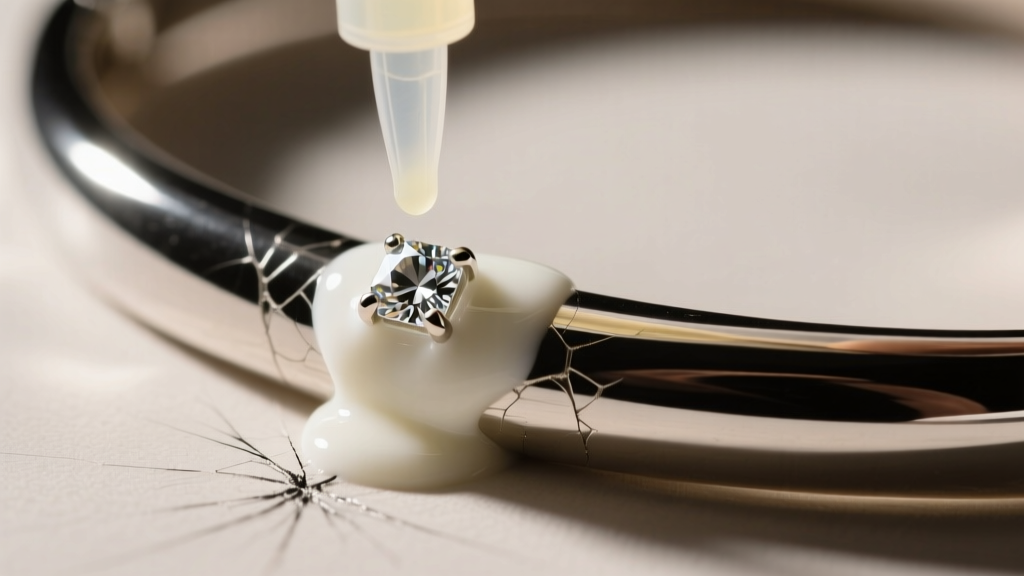
As the popularity of silver rush jewelry grows, so does the volume of silver-plated brass and stainless steel masquerading as sterling. While hallmarks like '925', 'STER', or 'SS' are a good first step, they are easily stamped onto base metals by fraudulent manufacturers. To truly verify your pieces, you must employ physical and chemical testing methods.
| Test Method | Procedure | Sterling Silver Result | Fake/Plated Result |
|---|---|---|---|
| Neodymium Magnet | Hold a strong rare-earth magnet near the piece. | No attraction (Silver is diamagnetic). | Strong pull (Indicates steel or iron core). |
| Ice Cube Test | Place an ice cube directly on the metal. | Ice melts almost instantly (Silver has the highest thermal conductivity of any metal). | Ice melts at a normal, slower rate. |
| Nitric Acid Test | File a discreet notch and apply a drop of testing acid. | Acid turns a creamy, milky white. | Acid turns bright green (Base metal/Brass). |
| Ping / Acoustic | Gently strike with a wooden dowel or another coin. | Produces a high-pitched, sustained bell-like ring. | Dull, short 'clink' with no resonance. |
Pro Tip: When using the nitric acid test, always perform it on an inconspicuous area, such as the inside of a ring band or the back of a clasp, as the acid will leave a permanent mark that requires polishing to remove.
The Chemistry of Tarnish and Prevention Strategies
Tarnish is not a sign of fake silver; rather, it is a chemical certainty for authentic .925 sterling. Tarnish is silver sulfide (Ag2S), which forms when the copper and silver in the alloy react with hydrogen sulfide in the atmosphere. This reaction is accelerated by high humidity, wool, rubber bands, and even the sulfur compounds found in eggs and onions.
The Electrochemical Reversal Method
If your silver rush jewelry pieces have developed heavy, black oxidation, skip the abrasive pastes that strip away microscopic layers of silver. Instead, use an electrochemical bath. Line a glass bowl with aluminum foil (shiny side up). Add boiling water, a tablespoon of baking soda, and a pinch of salt. Submerge your silver so it touches the foil. The sulfur atoms will physically migrate from the silver to the aluminum, leaving your piece perfectly clean in minutes without removing any base metal.
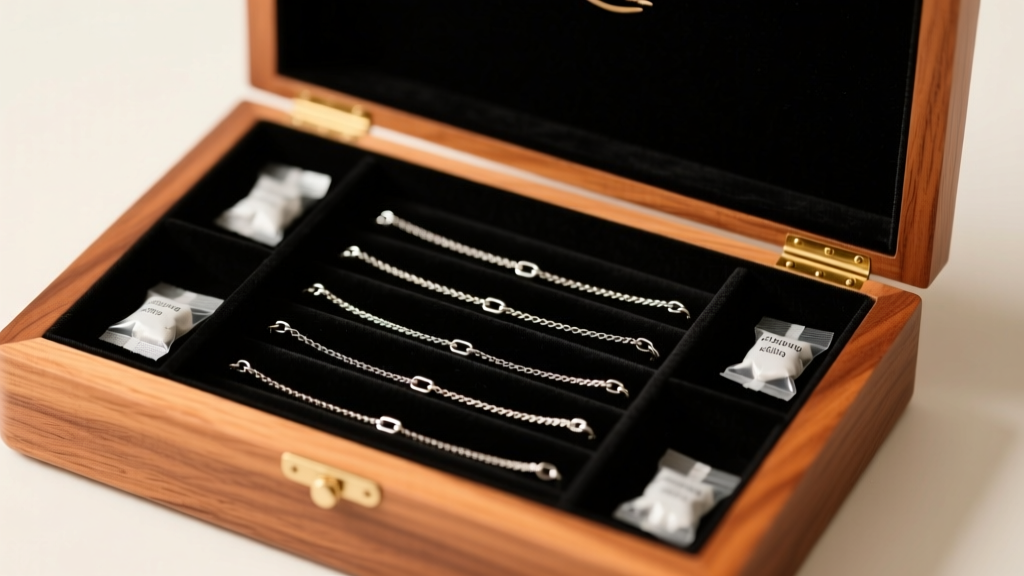
Long-Term Storage Framework
Prevention is vastly superior to curing. To protect your investment, store your silver in an airtight environment. The Federal Trade Commission (FTC) advises consumers to be wary of 'anti-tarnish' claims that lack scientific backing. For genuine protection, utilize 3M anti-tarnish strips, which absorb ambient sulfur gases, and store pieces in zip-lock bags with silica gel desiccant packets to eliminate moisture. Never store silver in cardboard boxes or wrap it in newspaper, as the acids and inks will rapidly accelerate corrosion.
Navigating the Market: Where to Buy Authentic Pieces
The silver rush jewelry trend has spawned thousands of new micro-brands and online storefronts. When shopping, be highly skeptical of terms like 'Tibetan Silver', 'Alpaca Silver', or 'Nickel Silver'. Despite the name, these contain zero elemental silver and are often toxic zinc-copper-nickel alloys that can cause severe contact dermatitis.
Stick to established artisans, certified jewelers, and brands that provide a clear metallurgical breakdown of their products. Look for sellers who specify the origin of their silver (e.g., recycled .925 or ethically mined) and who offer a lifetime guarantee against manufacturing defects. By combining a rigorous understanding of silver alloys, precise gauge selections, and proper chemical maintenance, you can confidently curate a sterling silver collection that will endure long after the current market rush has settled.


