Ultimate Care for Sterling Silver or Stainless Steel Jewelry
Learn the exact chemical cleaning protocols and storage rules for sterling silver or stainless steel jewelry to prevent tarnish and corrosion.

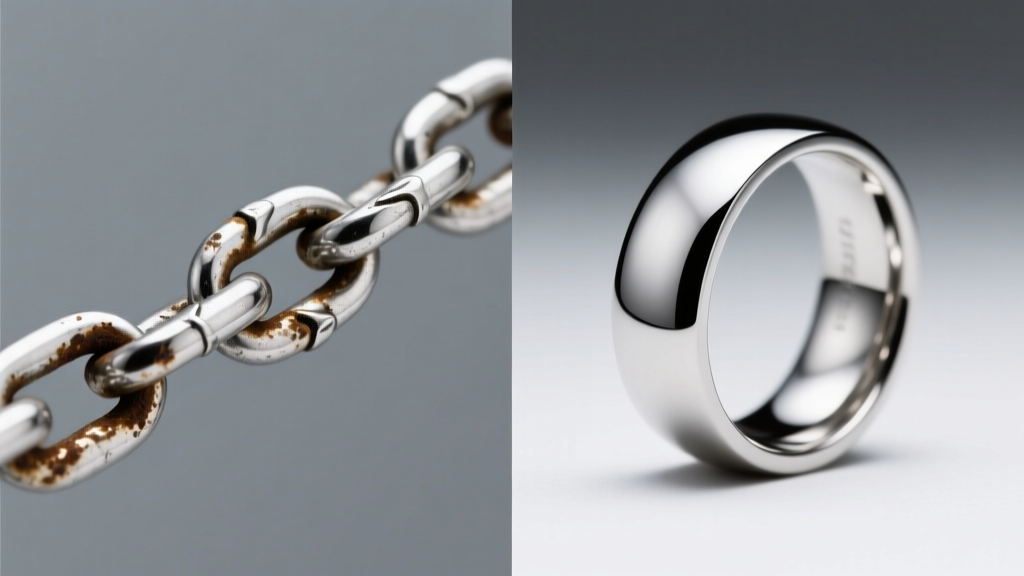
When consumers debate whether to invest in sterling silver or stainless steel jewelry, the conversation often centers on upfront pricing, aesthetic preferences, and skin sensitivities. However, the most critical differentiator between these two popular metals is their long-term maintenance profile. Treating a 925 sterling silver chain with the same aggressive cleaning methods used for a 316L surgical stainless steel ring is a fast track to ruined finishes, micro-scratches, and irreversible chemical pitting.
As a domain expert in jewelry metallurgy and conservation, I have compiled this definitive care guide. We will bypass generic internet hacks and dive directly into the chemical realities of silver sulfide formation, chromium oxide passivation layers, and the exact protocols required to maintain both metals in pristine condition.
The Metallurgy of Tarnish: Why Care Protocols Differ
To understand how to clean these metals, you must first understand how they degrade. Fine silver (99.9% pure) is highly resistant to tarnish but too soft for daily wear jewelry. Therefore, it is alloyed with 7.5% copper to create 925 sterling silver. It is this copper content that reacts with hydrogen sulfide (H2S) in the atmosphere to form silver sulfide (Ag2S), the blackish-gray layer we recognize as tarnish. According to the Gemological Institute of America (GIA), environmental factors like humidity, sulfur-rich foods, and even human sweat accelerate this oxidation process.
Stainless steel, specifically the 316L surgical grade used in premium jewelry, relies on an entirely different protective mechanism. It contains at least 10.5% chromium, which reacts with oxygen to form a microscopic, self-healing layer of chromium oxide (Cr2O3). This passivation layer is what makes stainless steel "stainless." As noted in materials science literature referenced by Encyclopedia Britannica, if this layer is compromised by harsh chlorides or mechanical abrasion, the underlying iron can oxidize, leading to localized pitting corrosion.
Step-by-Step Cleaning Protocol for 925 Sterling Silver
Sterling silver requires a gentle, chemistry-based approach. Mechanical abrasion must be minimized to preserve the metal's luster and any intentional oxidation (antiquing) in the design's crevices.
The Electrochemical Reduction Method (Heavy Tarnish)
For heavily tarnished silver without soft gemstones (like opals, pearls, or turquoise), you can reverse the chemical reaction without removing any base metal.
- Prepare the Bath: Line a glass or ceramic bowl with aluminum foil, shiny side up. Never use a metal bowl, as it can cause galvanic corrosion.
- Activate the Solution: Add 1 tablespoon of baking soda (sodium bicarbonate) and 1 tablespoon of non-iodized salt. Pour boiling water over the mixture to dissolve.
- The Redox Reaction: Submerge the silver jewelry, ensuring it physically touches the aluminum foil. The aluminum acts as a sacrificial anode, pulling the sulfur atoms away from the silver and transferring them to the foil. You will smell a distinct rotten egg odor (hydrogen sulfide gas).
- Rinse and Dry: After 3 to 5 minutes, remove the jewelry with wooden tongs, rinse thoroughly in distilled water, and pat dry with a 100% cotton microfiber cloth.
Routine Maintenance and Polishing
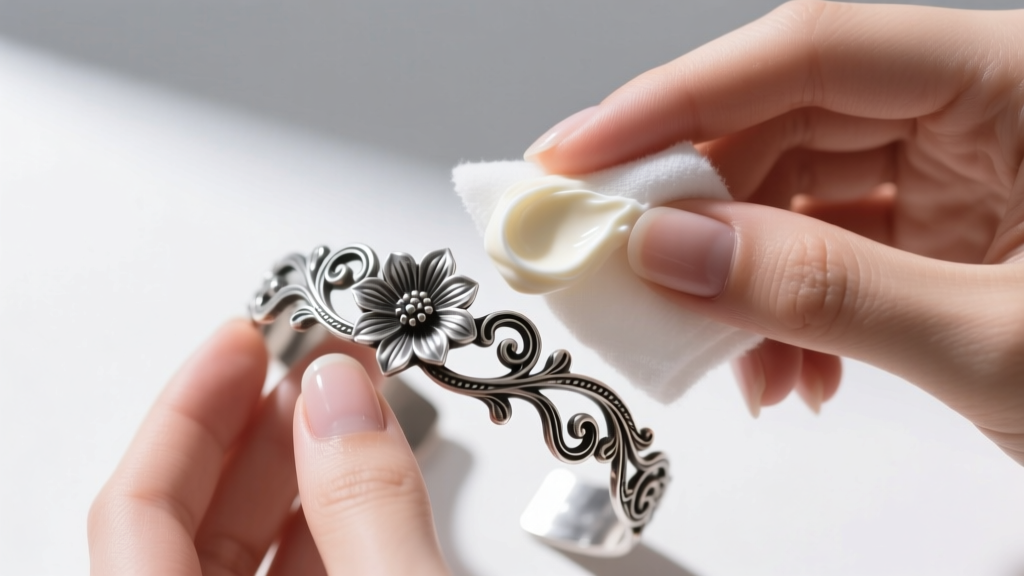
For light tarnish or routine upkeep, avoid liquid dips. Instead, use a dedicated silver polishing cloth impregnated with microscopic jeweler's rouge. Always polish in straight, back-and-forth motions rather than circles, which can magnify micro-scratches.
Step-by-Step Cleaning Protocol for 316L Stainless Steel
Stainless steel does not tarnish in the traditional sense, but it accumulates sebum, dead skin cells, lotion residue, and environmental grime that can dull its mirror finish and harbor bacteria.
Manual Degreasing and Passivation Maintenance
The safest and most effective way to clean stainless steel jewelry is through gentle degreasing.
- The Solution: Mix warm distilled water with a few drops of a mild, phosphate-free dish soap (such as Dawn).
- Mechanical Action: Submerge the jewelry for 5 minutes to loosen debris. Use an extra-soft baby toothbrush to gently agitate the crevices, particularly around prong settings or link clasps.
- Drying: Rinse under warm running water and immediately dry with a lint-free cloth to prevent hard water spotting.
Ultrasonic Cleaning: Safe for Steel, Risky for Silver
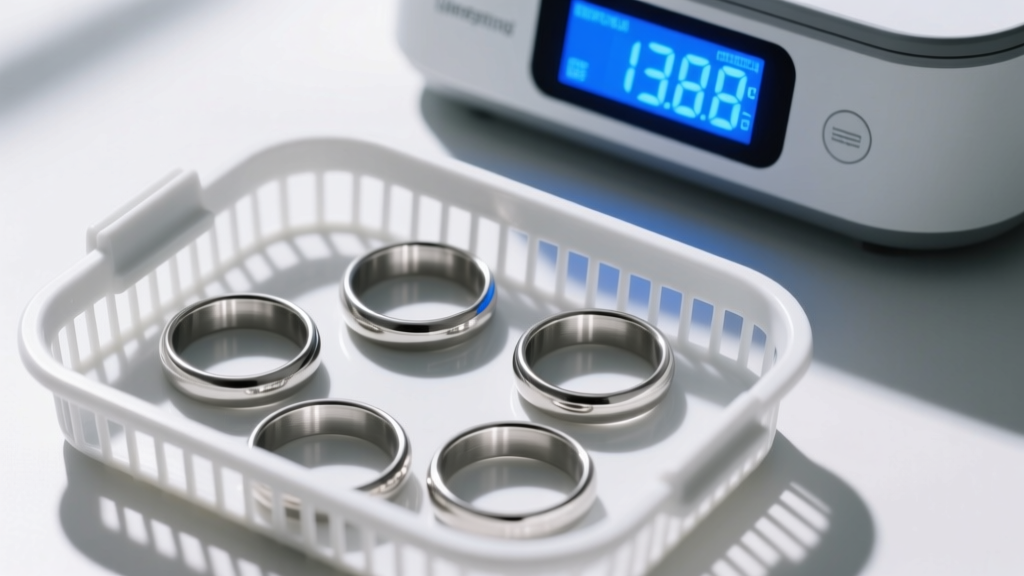
Ultrasonic cleaners use high-frequency sound waves to create cavitation bubbles that implode, blasting dirt from microscopic crevices. This is highly effective for plain stainless steel chains and rings. However, using an ultrasonic cleaner on sterling silver can be disastrous if the piece features soft stones, enamel, or intentional black oxidation, as the vibrations will shatter gems and strip the darkened patinas.
Comparative Maintenance Matrix
Use this quick-reference table to ensure you are applying the correct care protocol to the correct metal.
| Maintenance Feature | 925 Sterling Silver | 316L Stainless Steel |
|---|---|---|
| Primary Degradation | Silver Sulfide (Tarnish) | Surface Grime / Chloride Pitting |
| Safe Cleaning Agents | Baking soda, aluminum foil, silver polish | Mild dish soap, warm water, isopropyl alcohol |
| Agents to Strictly Avoid | Chlorine, bleach, toothpaste, rubber bands | Bleach, hydrochloric acid, abrasive steel wool |
| Ultrasonic Cleaner Safe? | No (risks stone damage and stripping oxidation) | Yes (for plain metal pieces without soft gems) |
| Storage Requirement | Airtight bags with anti-tarnish strips | Standard dry jewelry box or pouch |
Storage Environments: Preventing Degradation Before It Starts
Proactive storage is vastly superior to reactive cleaning. The environment inside your jewelry box dictates the chemical stability of your collection.
Expert Insight: Never store sterling silver and stainless steel pieces loose in the same compartment. When dissimilar metals rest against each other in the presence of ambient moisture, they can trigger galvanic corrosion, accelerating the degradation of the more anodic metal (silver).
For sterling silver, the goal is to eliminate exposure to sulfur and moisture. Store each piece in an individual, airtight polyethylene ziplock bag. Drop a 3M anti-tarnish strip into the bag; these strips utilize specialized particles to absorb airborne sulfur compounds before they can reach your silver. Avoid using rubber bands to secure bags or bundle chains, as the vulcanization process used to make rubber leaves behind high concentrations of sulfur.
For stainless steel, storage is less chemically demanding. A standard fabric-lined jewelry box or a soft microfiber pouch is sufficient to protect the mirror finish from mechanical scratching caused by harder gemstones like diamonds or sapphires.
Common Cleaning Disasters to Avoid
Many popular "DIY jewelry hacks" circulating on social media are actively destructive to both metals. Avoid these critical errors:
The Toothpaste Myth
Toothpaste is formulated with silica and calcium carbonate abrasives to scrub plaque from tooth enamel. These abrasives are measured on the Relative Dentin Abrasivity (RDA) scale. Many whitening toothpastes have an RDA value over 150, which is hard enough to permanently scratch the surface of sterling silver, leaving a dull, matte finish that requires professional re-polishing to fix.
Chlorine Exposure
Wearing sterling silver in a chlorinated swimming pool or hot tub causes an immediate and severe chemical reaction, forming silver chloride. This results in a stubborn, dark purple or black crust that cannot be removed with standard polishing cloths and often requires professional electrolytic stripping.
Bleach and Stainless Steel
While stainless steel is highly durable, household bleach (sodium hypochlorite) contains aggressive chlorides. If bleach is left to sit on a stainless steel ring or chain, it will break down the protective chromium oxide passivation layer, leading to permanent microscopic pitting and rust spots that compromise the structural integrity of the piece.
By respecting the distinct metallurgical properties of sterling silver or stainless steel jewelry, you can ensure your pieces remain brilliant, structurally sound, and ready for daily wear for decades to come.


