What Does It Mean When 925 Is On Jewelry? Value & Pricing Guide
Discover what the 925 stamp means for jewelry value. Learn how to assess pricing, spot fakes, and calculate melt value for smart silver purchases.

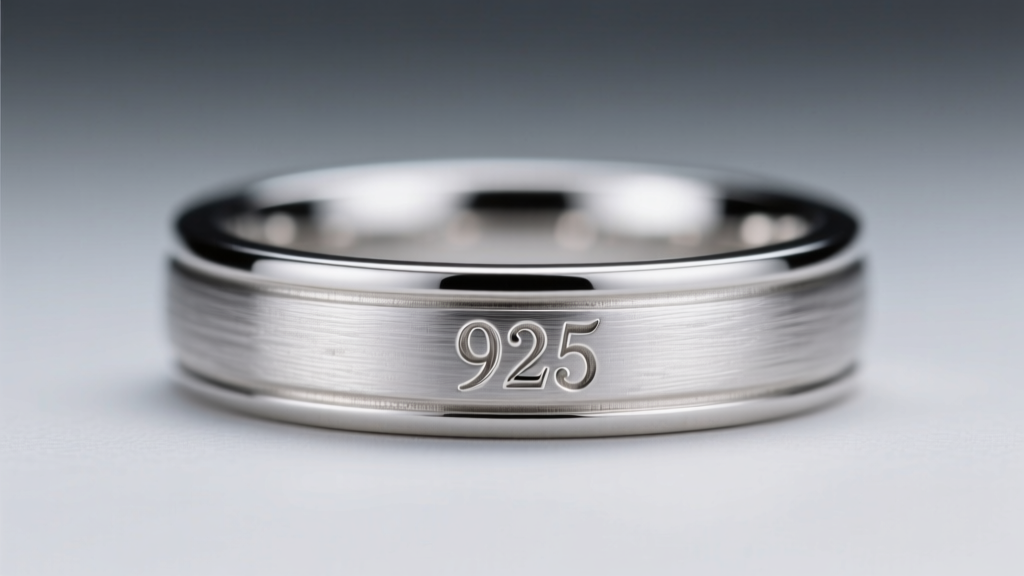
If you have ever inspected a silver ring or necklace clasp, you might have wondered: what does it mean when 925 is on jewelry? At its most basic level, the '925' hallmark indicates that the piece is made of sterling silver, an alloy containing exactly 92.5% pure silver and 7.5% other metals (usually copper). However, from a budget and value assessment perspective, this tiny stamp is just the starting line. Understanding the true financial value of a 925 piece requires looking past the hallmark to evaluate craftsmanship, brand premiums, and intrinsic melt value.
In this guide, we break down the economics of sterling silver, helping you determine whether that 925-stamped piece is a genuine bargain or an overpriced fashion trap.
The Metallurgy of 925: Why 92.5% Dictates Baseline Value
Pure silver (999 fine silver) is exceptionally soft, making it unsuitable for everyday jewelry. It bends, scratches, and loses its shape with minimal friction. To solve this, metallurgists created sterling silver by alloying 92.5% pure silver with 7.5% base metals. According to the Gemological Institute of America (GIA), copper is the most common alloying metal because it enhances durability without altering the beautiful white-gray luster of the silver.
From a budgeting standpoint, this 92.5% ratio is your anchor for calculating intrinsic value. When you buy 925 jewelry, you are paying for two distinct things:
- The Melt Value: The actual commodity price of the silver content based on the current spot market.
- The Manufacturing Premium: The cost of labor, design, brand positioning, and retail markup.
A savvy buyer always separates these two costs. A simple machine-made 925 chain should carry a low manufacturing premium, whereas a hand-forged, intricately oxidized artisan ring justifies a much higher markup.
Decoding the Price Tag: What You Should Actually Pay
The jewelry market is saturated with 925 pieces ranging from $15 to $1,500. To assess value accurately, you must categorize the piece into one of three market tiers. The Federal Trade Commission (FTC) strictly regulates precious metal markings, meaning legitimate retailers must price their items in alignment with the material reality of the 925 stamp.
The 2026 Sterling Silver Pricing Matrix
| Jewelry Category | Avg. Weight | Fast Fashion / Dropship | Mid-Tier / Boutique | Luxury / Artisan |
|---|---|---|---|---|
| Stud Earrings | 2g - 5g | $15 - $35 | $40 - $85 | $120+ |
| Cable Chain Necklace | 15g - 30g | $40 - $70 | $90 - $160 | $250+ |
| Cuff Bracelet | 40g - 80g | $60 - $110 | $150 - $280 | $400+ |
| Signet Ring | 10g - 20g | $30 - $55 | $80 - $150 | $300+ |
Note: If a 'luxury' brand is charging $400 for a plain, lightweight 15-gram cable chain, you are paying a 700% markup purely for the logo. Budget-conscious buyers should target the Mid-Tier column for the best balance of quality assurance and fair pricing.
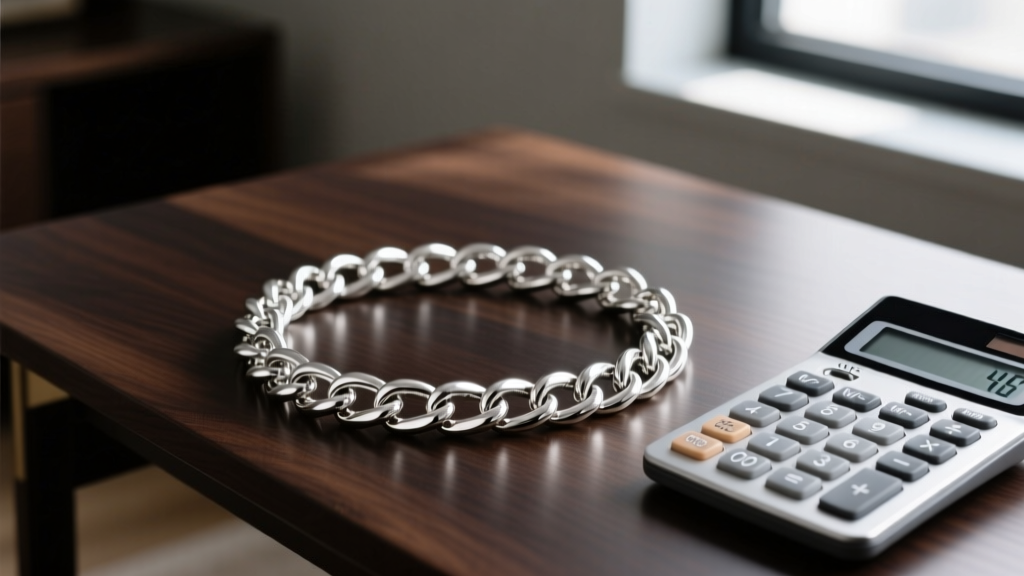
The '925' Trap: Silver-Plated Fakes and Overpriced Alloys
Knowing what the 925 stamp means is only half the battle; verifying its authenticity is where the real budget protection lies. The rise of overseas dropshipping has flooded the market with brass or copper jewelry that is heavily silver-plated and illegally stamped with '925'.
When you pay $60 for what you believe is a solid sterling silver chain, only to discover it is a $4 plated brass chain, your value assessment drops to zero. Here is how to protect your budget from counterfeit hallmarks:
Real-World Troubleshooting: The 3-Point Authenticity Check
- The Magnet Test: Silver is paramagnetic (essentially non-magnetic). If a neodymium magnet snaps onto your '925' necklace clasp or chain, the core is likely steel or iron. Exception: Some high-end clasps contain tiny steel springs, but the chain itself should never be magnetic.
- The Ice Test: Silver has the highest thermal conductivity of any common metal. Place an ice cube on a 925 coin or thick bangle. It should begin melting almost instantly, far faster than on steel or glass.
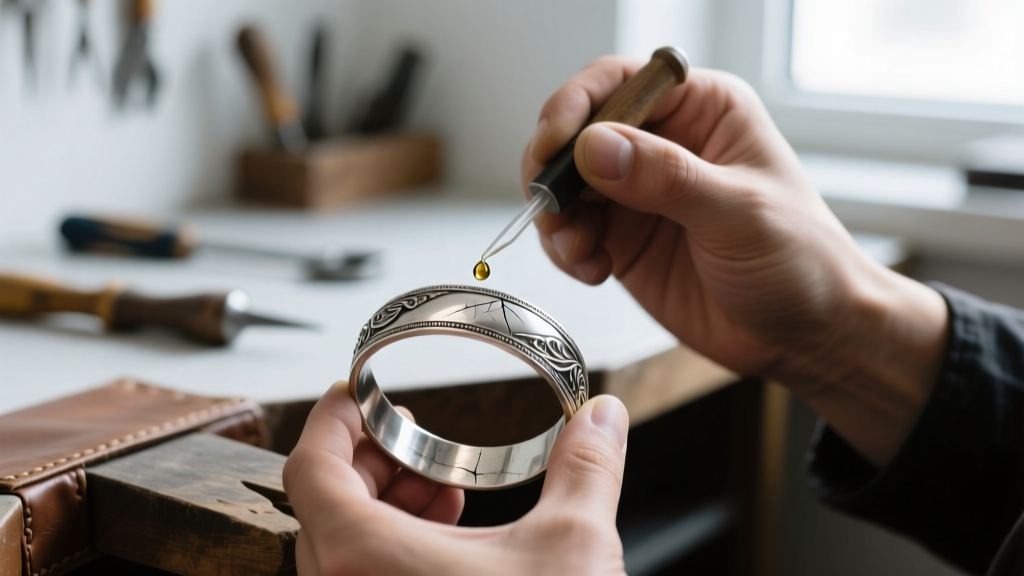
- The Acid Test (Destructive): For high-value estate purchases, use a silver testing kit. File a tiny, discreet notch into the metal and apply a drop of nitric acid. Genuine 925 silver will turn a creamy, cloudy white. If it turns green, the core is copper or brass, and you have been sold a plated fake.
Budget Buyer Tip: Look for secondary hallmarks. A stamp that reads '925 ITALY' or '925 MEXICO' often indicates a verified regional manufacturing origin, whereas a sloppy, deeply punched '925' with no other maker's mark is a common red flag for mass-produced counterfeit alloys.
Resale and Intrinsic Value: Is 925 Jewelry an Investment?
A common misconception among budget buyers is that 925 jewelry holds its retail value. From a strict financial perspective, sterling silver jewelry is a depreciating consumer good, not a liquid investment like gold bullion.
To understand why, we must look at the scrap value math. Let us assume the spot price of silver is $28.00 per troy ounce (31.1 grams).
- 1 gram of pure (999) silver = $0.90
- 1 gram of 925 silver = $0.83
If you own a heavy 50-gram sterling silver chain, its absolute maximum melt value is $41.50. If you paid $150 for it, you will not recoup your investment by selling it to a pawn shop or precious metal refiner. They will typically pay 60% to 80% of the melt value, offering you roughly $25 to $33.
The Value Takeaway: Never buy 925 jewelry expecting to flip it for a profit based on metal weight alone. You are paying for the artistry, the durability, and the aesthetic. The 'value' of 925 jewelry is in its wearability and longevity, not its liquidation potential.
Upgrading Your Budget: Argentium vs. Standard 925
If you are willing to stretch your budget by 15% to 25%, look for Argentium Silver. While standard 925 uses copper as the 7.5% alloy, Argentium replaces some of that copper with germanium.
Why does this matter for value? Standard 925 tarnishes relatively quickly when exposed to sulfur and humidity, requiring frequent polishing with abrasive cloths that eventually wear down the metal. Argentium is highly tarnish-resistant and hypoallergenic. Over a 10-year period, the time, effort, and cost saved on silver polishing dips and professional cleanings easily offset the slightly higher initial purchase price.
The Buyer’s Framework: Assessing Value Before Checkout
Before you add a 925 piece to your cart, run it through this rapid value-assessment checklist:
- Weight Verification: Does the listing state the gram weight? If a seller hides the weight of a chain or bangle, they are likely masking a lightweight, overpriced item.
- Hollow vs. Solid: Is the piece hollowed out? Hollow 925 earrings offer a large look for a low budget, but they dent easily and have poor resale value. Always check cross-section photos.
- Gemstone Pairings: If the 925 jewelry features 'diamonds,' verify if they are natural, lab-grown, or cubic zirconia (CZ). 925 silver is rarely set with high-value natural diamonds; it is usually paired with CZ or semi-precious stones. Do not pay diamond prices for silver-set simulants.
- Return Policy: Because counterfeit 925 stamps are prevalent in online marketplaces, only purchase from vendors offering a minimum 30-day return window, allowing you time to perform a magnet or acid test at home.
Final Verdict on the 925 Stamp
So, what does it mean when 925 is on jewelry? It means you are looking at the global standard for wearable, durable silver. However, the stamp alone does not guarantee a fair price. By understanding the melt value, recognizing manufacturing premiums, and actively testing for silver-plated fakes, you can confidently navigate the market. True value in sterling silver is found where honest metallurgy meets transparent pricing—allowing you to build a lasting jewelry collection without overpaying for the hallmark.


