How to Clean Sterling Silver Jewelry: Budget & Value Guide
Discover how to clean sterling silver jewelry without ruining its value. Compare DIY, commercial, and pro methods to protect your 925 silver investments.

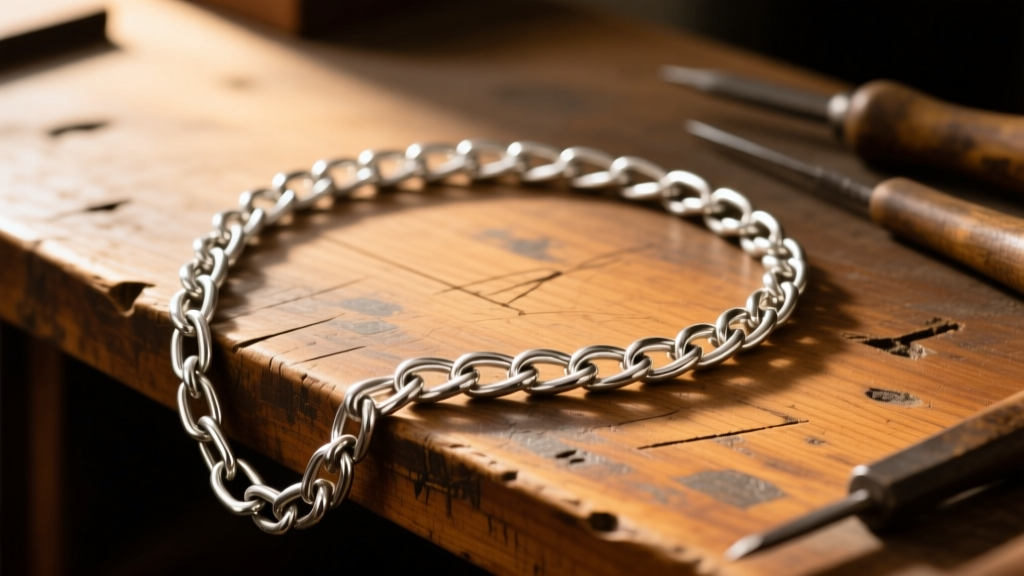
When building a jewelry collection, sterling silver offers an exceptional balance of affordability, durability, and intrinsic value. However, the inevitable oxidation process—commonly known as tarnish—forces every collector to confront a critical question: how do you restore the metal without destroying its financial and aesthetic value? Learning how to clean sterling silver jewelry is not just about aesthetics; it is an exercise in asset preservation. A $5 cleaning mistake can erase the patina of a vintage Gorham piece or micro-pit a high-end Tiffany & Co. chain, instantly depreciating its resale value.
This guide evaluates silver cleaning methods through the lens of budget and long-term value assessment, helping you decide when to use a $2 DIY kitchen remedy and when to invest in professional restoration.
The Chemistry of Tarnish and Value Degradation
To make informed financial decisions about cleaning, you must understand what you are actually removing. Pure silver (999 fine silver) is highly resistant to tarnish. However, it is too soft for functional jewelry. Sterling silver (925) is an alloy containing 92.5% pure silver and 7.5% copper. It is this copper content that reacts with sulfur compounds and moisture in the air to form silver sulfide (Ag2S), the blackish film we call tarnish.
From a value perspective, the goal of cleaning is to remove the silver sulfide layer without removing the underlying unreacted silver or altering the surface topography. Abrasive methods literally strip away microscopic layers of the precious metal, while harsh chemical methods can cause micro-pitting, which degrades the light reflection and structural integrity of the piece over decades.
Cost-Benefit Matrix: Cleaning Methods Evaluated
Not all tarnish requires the same intervention. Below is a comparative analysis of the most common cleaning methods, ranked by their impact on your jewelry's long-term value.
| Method | Avg. Cost | Abrasiveness | Best Use Case | Value Risk |
|---|---|---|---|---|
| Microfiber Polishing Cloth | $5 - $10 | Ultra-Low | Daily maintenance, light oxidation | Minimal |
| Aluminum Foil & Baking Soda | ~$2 | None (Chemical) | Heavily tarnished plain chains | High for antiqued pieces |
| Commercial Liquid Dips | $8 - $15 | Chemical Etching | Quick fixes (Not recommended) | Severe long-term |
| Professional Ultrasonic | $25 - $60 | Mechanical | Intricate settings, high-value gems | Moderate (stone dependent) |
The $2 DIY Electrochemical Bath (Baking Soda & Aluminum)
This is the most popular budget method on the internet, but it is wildly misunderstood. By lining a bowl with aluminum foil, adding hot water, baking soda (sodium bicarbonate), and salt, you create a galvanic cell. The aluminum acts as a sacrificial anode, pulling the sulfur atoms away from the silver sulfide and transferring them to the foil.
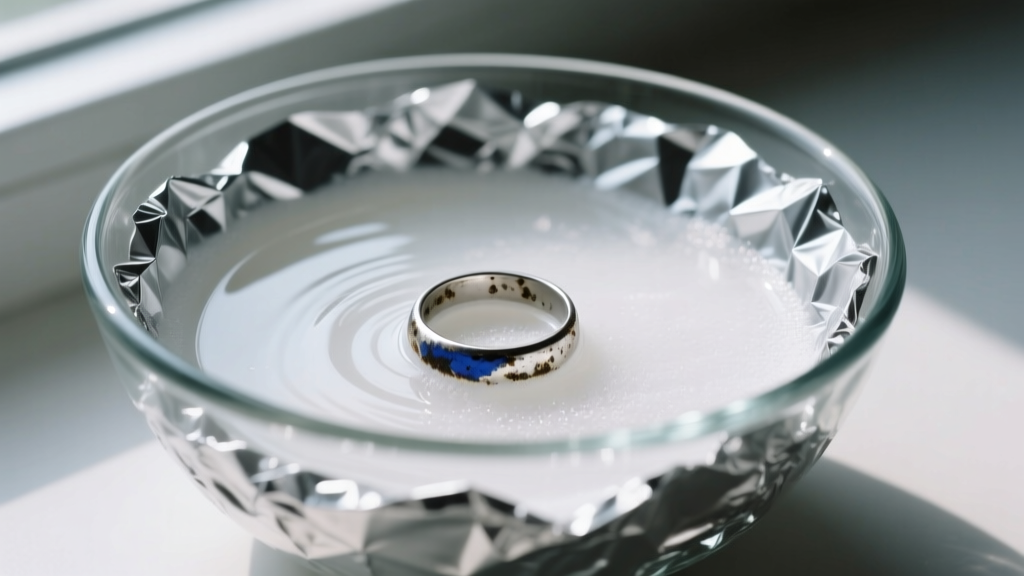
The Value Verdict: This method is brilliant for plain 925 silver chains or unadorned bangles because it removes tarnish without physical abrasion. However, it is a value-destroyer for vintage or designer pieces featuring intentional oxidation (antiquing). The electrochemical bath cannot tell the difference between accidental tarnish and the dark, deliberate patina applied by a silversmith to highlight filigree or engraved details. Stripping this antiquing will leave a vintage piece looking flat, overly bright, and significantly less valuable to serious collectors.
Commercial Silver Dips ($8 - $15): The Hidden Cost
Walk into any supermarket, and you will find liquid silver dips. These solutions rely on harsh acids and thiourea, a toxic organic compound that dissolves silver sulfide almost instantly. While the immediate visual result is a blindingly white, 'clean' piece of silver, the long-term financial cost is severe.
Thiourea-based dips strip the tarnish but leave behind a microscopically pitted surface. This increased surface area actually accelerates future tarnishing and creates a dull, matte finish over time that requires aggressive machine polishing to fix.
From an investment standpoint, commercial dips should be avoided entirely. The $10 saved today will cost you $50 in professional machine polishing later to remove the etching damage, and repeated use will eventually wear down hallmark stamps and delicate prong settings.
When to Pay for Professional Ultrasonic Cleaning ($25 - $60)
Ultrasonic cleaners use high-frequency sound waves to create microscopic cavitation bubbles in a cleaning solution. When these bubbles collapse against the metal, they blast away dirt, oils, and light tarnish from microscopic crevices that a cloth cannot reach.
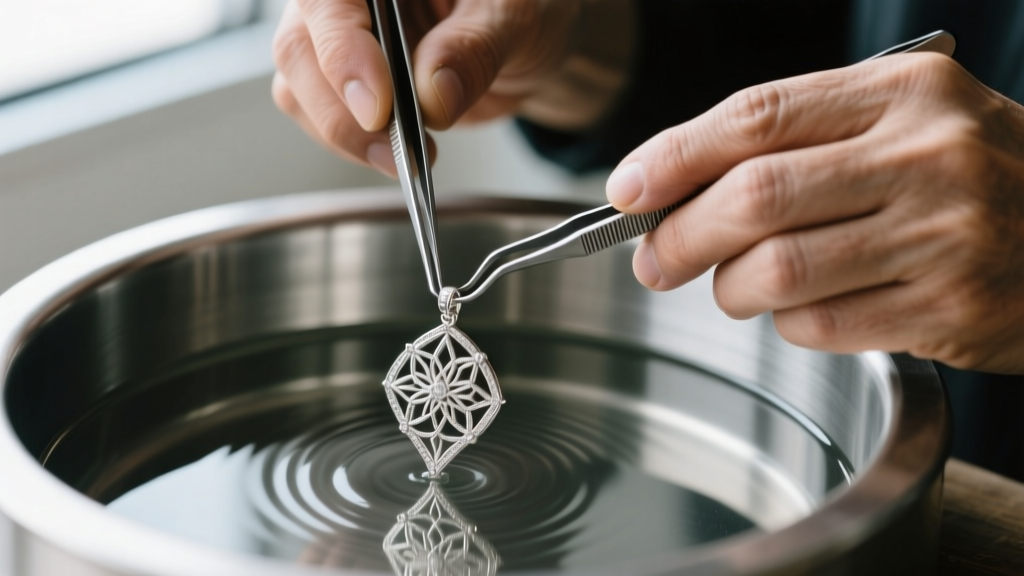
According to the Gemological Institute of America (GIA), ultrasonic cleaning is highly effective for diamond and sapphire settings but poses catastrophic risks to porous or fractured stones. If your sterling silver piece features turquoise, opal, emerald, or lapis lazuli, the high-frequency vibrations can shatter the stones or strip their natural oils.
The Value Verdict: Reserve professional ultrasonic cleaning for high-value sterling silver pieces (retail value over $500) featuring intricate pavé diamond settings or complex filigree where manual polishing is impossible. For a simple $40 silver band, the $30 cleaning fee destroys your ROI; stick to manual polishing.
Preserving Resale Value: The Appraiser’s Perspective
When evaluating estate or vintage sterling silver, appraisers look for specific markers of authenticity and age. Over-polishing is one of the fastest ways to tank a piece's appraisal value.
- Hallmark Integrity: Aggressive polishing with motorized buffers or abrasive pastes will slowly erase the '925' stamp, the maker's mark, or the assay office symbols. A piece without a legible hallmark is immediately devalued, as its silver content and origin can no longer be easily verified.
- Edge Softening: Vintage silver with crisp, sharp geometric edges loses its architectural integrity if subjected to years of abrasive polishing. Appraisers look for 'softened' edges as a sign of improper maintenance.
- Patina Retention: In the antique silver market, a deep, undisturbed patina in the recesses of a design is highly prized. It proves the age of the piece and highlights the craftsmanship. Always clean around the crevices, never inside them.
Strategic Maintenance Framework: Protecting Your Investment
The most budget-friendly approach to silver care is preventing the tarnish from forming in the first place. By controlling the environment, you eliminate the need for aggressive, value-degrading cleaning methods.
- Anti-Tarnish Strips ($8 for a 10-pack): These contain copper-based polymers that absorb airborne sulfur compounds before they can reach your silver. Place one in every jewelry box and drawer. They last 6 to 12 months and offer the highest ROI of any silver care product.
- Pacific Cloth Bags ($2 - $5 each): Store individual pieces in treated flannel bags. This prevents both chemical tarnishing and physical micro-scratching caused by pieces rubbing together in a communal drawer.
- Silica Gel Packets (Free): Moisture acts as a catalyst for the copper-sulfur reaction. Tossing a few silica packets (saved from shoe boxes or vitamin bottles) into your silver storage area drastically slows the oxidation rate.
For routine maintenance, invest in a high-quality, dual-layer jeweler's polishing cloth impregnated with micro-abrasives and anti-tarnish agents (such as the Sunshine Cloth, costing around $9). Gently wiping your 925 silver after every wear removes skin oils and environmental pollutants, keeping the metal bright without removing measurable layers of precious metal.
Final Verdict
Understanding how to clean sterling silver jewelry requires shifting your mindset from 'chasing shine' to 'preserving material.' For modern, everyday silver under $100, a polishing cloth and occasional DIY aluminum bath are perfectly adequate. However, for vintage, designer, or high-carat gemstone silver pieces, the budget approach becomes a liability. Avoid commercial dips entirely, respect the intentional patina of antique pieces, and invest in professional hand-polishing when the asset's value justifies the expense. By aligning your cleaning method with the piece's intrinsic and resale value, you ensure your silver collection remains both beautiful and financially sound for generations.


