The Ultimate Guide to Cleaning and Caring for 316l Jewelry
Discover expert tips to clean, polish, and maintain your 316l jewelry. Learn safe solutions, storage hacks, and what chemicals to avoid for lasting shine.

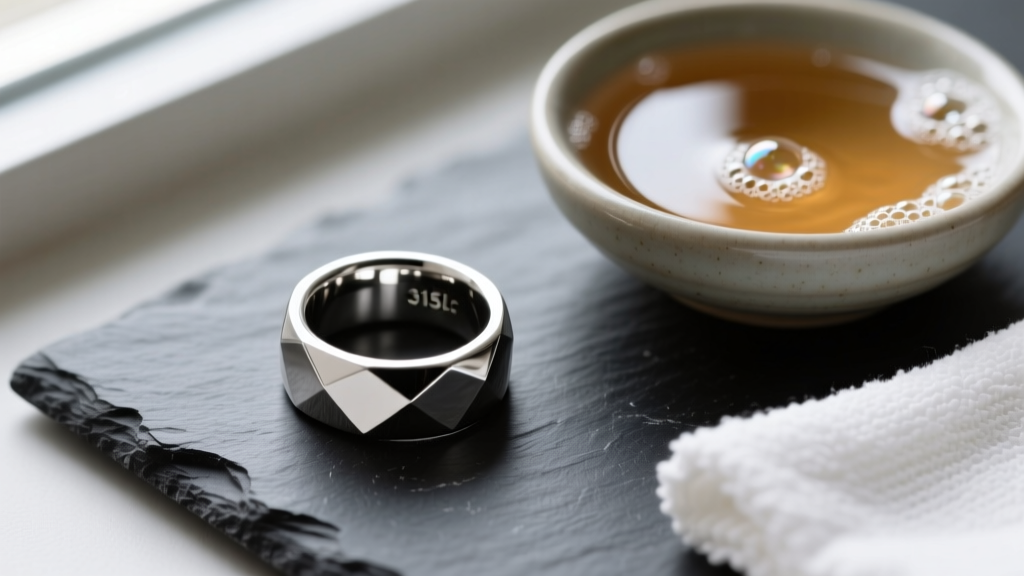
When you invest in 316l jewelry, you are choosing one of the most resilient, hypoallergenic, and cost-effective metals on the market. Often referred to as surgical or marine-grade steel, this alloy is famous for its resistance to rust and corrosion. However, a pervasive myth in the fashion world is that stainless steel requires absolutely zero maintenance. While it is true that 316l jewelry will not rust or turn your skin green under normal conditions, it is not impervious to environmental buildup, hard water spots, or micro-scratches.
To keep your pieces looking as pristine as the day you bought them, you need a targeted care regimen. This guide breaks down the metallurgical science behind 316L steel and provides actionable, professional-grade cleaning protocols to maintain its mirror finish and structural integrity.
The Science of 316L Stainless Steel Tarnish
Unlike sterling silver, which reacts with sulfur in the air to form black silver sulfide (tarnish), 316L stainless steel relies on a passive, invisible layer of chromium oxide for its protection. This alloy contains roughly 16-18% chromium, 10-14% nickel, and 2-3% molybdenum. The "L" denotes "low carbon" (less than 0.03%), which prevents carbide precipitation during welding and ensures maximum corrosion resistance.
According to the British Stainless Steel Association, the chromium oxide layer is self-repairing in the presence of oxygen. However, this passive layer can be compromised by aggressive halides (like chlorine) or prolonged exposure to hard water minerals. When 316l jewelry looks "tarnished" or dull, it is rarely the metal itself oxidizing; rather, it is a buildup of sebum, dead skin cells, lotions, and environmental pollutants masking the surface, or localized pitting caused by harsh chemicals.
Step-by-Step Routine Cleaning Protocols
Forget expensive commercial jewelry dips, which are often formulated for gold or silver and can contain harsh ammonia or thiourea compounds that may degrade the polish on steel. The best cleaning agents for 316l jewelry are likely already in your kitchen.
Method 1: The Surfactant Soak (For Routine Maintenance)
This is the gold standard for removing daily oils and lotion buildup without risking surface scratches.
- Step 1: Fill a glass bowl with warm (not boiling) distilled water. Using distilled water prevents calcium and magnesium deposits from hard tap water.
- Step 2: Add 3-4 drops of a mild, phosphate-free dish soap (like Dawn or Seventh Generation). Avoid soaps with heavy moisturizers or exfoliating beads.
- Step 3: Submerge your 316l jewelry and let it soak for 5 to 10 minutes. This allows the surfactants to break the surface tension and lift oils.
- Step 4: Gently agitate the pieces. For intricate designs (like rope chains or signet rings with crevices), use an extra-soft baby toothbrush to lightly sweep the grooves. Never use medium or hard bristles, as they can induce micro-marring on high-polish finishes.
- Step 5: Rinse thoroughly under distilled water and pat dry immediately with a lint-free microfiber cloth.
Method 2: The Baking Soda Paste (For Stubborn Grime)
If your body jewelry or rings have accumulated hardened debris that soap cannot lift, you need a mild alkaline abrasive.
- Mix two parts baking soda with one part distilled water to form a thick paste.
- Apply the paste to the soiled areas of the 316l jewelry using a cotton swab.
- Let it sit for exactly 3 minutes. Do not let it dry completely.
- Rub gently in a circular motion, then rinse thoroughly and dry.
Chemicals and Environments to Strictly Avoid
The molybdenum in 316L steel grants it excellent resistance to pitting corrosion, particularly in marine environments. However, specific household and recreational chemicals can rapidly destroy the chromium oxide layer, leading to irreversible pitting or dulling. The National Institute for Occupational Safety and Health (NIOSH) frequently notes the corrosive effects of concentrated halides on stainless alloys.
| Chemical / Environment | Effect on 316L Jewelry | Actionable Advice |
|---|---|---|
| Chlorine (Pools, Hot Tubs) | Causes localized pitting and compromises the passive oxide layer. | Always remove jewelry before swimming in chlorinated water. |
| Bleach (Sodium Hypochlorite) | Highly aggressive; causes rapid surface oxidation and permanent dullness. | Never wear rings or bracelets while cleaning the house with bleach. |
| Sulfuric Acid (Battery Acid) | Strips the finish and causes severe structural degradation. | Keep away from automotive or heavy industrial work environments. |
| Hard Water (High Mineral) | Leaves stubborn calcium carbonate spots that mimic tarnish. | Dry immediately after washing hands; use distilled water for deep cleans. |
| Iodine / Betadine | Can cause temporary, severe discoloration (brown/black staining). | Remove jewelry before applying medical antiseptics; clean with alcohol if stained. |
Polishing and Restoring the Mirror Finish
Even with meticulous care, daily wear against clothing, desks, and gym equipment will eventually introduce micro-scratches to high-polish 316l jewelry. Restoring that factory-fresh mirror finish requires specific abrasives.
Understanding Your Finish
Before attempting to polish, identify the finish of your piece:
- Mirror Polish: Highly reflective. Can be polished with jeweler's rouge or specialized stainless steel polishing creams.
- Brushed / Satin: Features visible directional grain lines. Do not use mirror polishes on brushed steel, or you will erase the texture and create a patchy, uneven shine.
- Matte / Sandblasted: Non-reflective and textured. Clean only with the surfactant soak method. Polishing will ruin the finish.
The Polishing Process
For mirror-polished 316l jewelry, use a high-quality microfiber cloth or a dedicated untreated flannel buffing cloth. Apply a pea-sized amount of a non-ammonia, non-silicone stainless steel polish (such as Barkeepers Friend Soft Cleanser or a specialized jewelry polishing cream). Rub the metal using long, straight strokes rather than circles, as straight strokes hide micro-abrasions better than circular ones. Buff away the residue with a clean section of the cloth until the surface is completely clear.
Proper Storage Protocols to Prevent Micro-Scratches
Stainless steel is incredibly hard (rating roughly 5.5 to 6.3 on the Mohs scale), meaning it will not easily dent or bend. However, this same hardness means that if multiple 316L pieces are stored together in a communal box, they will scratch each other. Furthermore, dust particles often contain microscopic quartz (silica), which ranks at a 7 on the Mohs scale and will scratch your steel if rubbed against it.
Storage Best Practices:
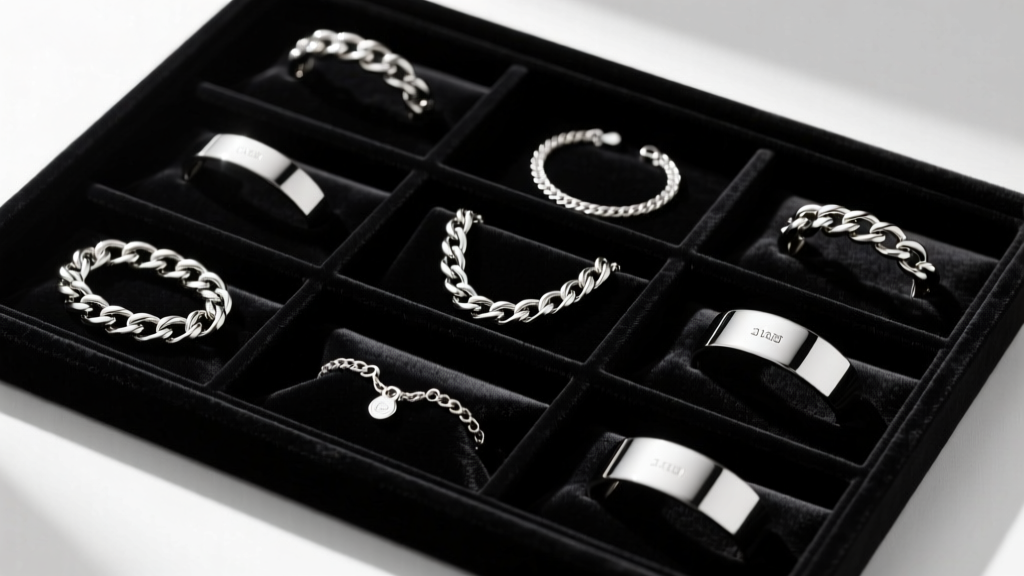
- Individual Pouches: Store every piece of 316l jewelry in its own soft flannel pouch or anti-tarnish ziplock bag.
- Silica Gel Packets: While 316L does not rust easily, dropping a small silica gel packet into your jewelry drawer or safe controls ambient humidity, preventing any secondary metals (like brass clasps or silver inlays) from degrading.
- Hanging Chains: Suspend necklaces on a velvet-lined stand to prevent the links from tangling and causing friction wear over time.
Expert Troubleshooting: Fixing Common 316L Issues
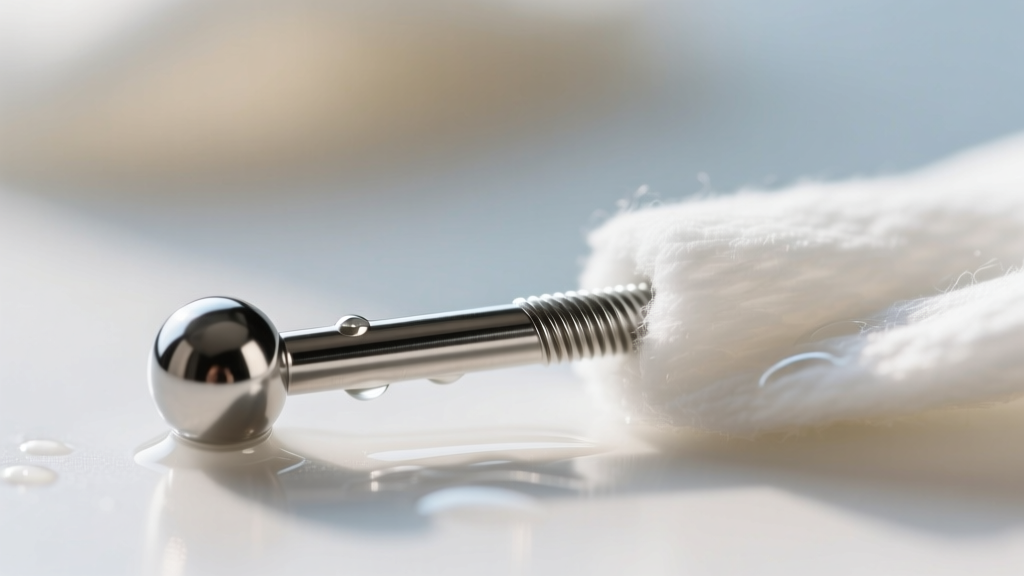
Pro Tip: If you wear 316L body jewelry (like captive bead rings or barbells), always ensure your hands are sanitized and you are using sterile saline when cleaning the threading. Cross-threading steel jewelry due to trapped debris is the number one cause of ruined body jewelry.
Issue: Stubborn Water Spots
Solution: If distilled water and dish soap fail to remove hard water spots, dampen a microfiber cloth with white vinegar. Wipe the spots gently. The mild acetic acid will dissolve the calcium carbonate without harming the chromium oxide layer. Rinse with water and dry immediately.
Issue: Dullness from Hairspray and Cosmetics
Solution: Hairspray creates a tough, lacquer-like film over steel. Soak the jewelry in a 50/50 mixture of warm water and isopropyl alcohol (70% or higher) for 15 minutes. The alcohol will break down the polymers in the cosmetics. Follow up with the standard soap wash.
Issue: Minor Surface Scratches
Solution: For shallow scratches on a mirror finish, a Cape Cod metal polishing cloth can work wonders. These cloths are treated with a mild jeweler's rouge that gently removes a microscopic layer of the steel, leveling the surface and erasing the scratch. Wipe the piece with a damp cloth afterward to remove any chemical residue.
Conclusion
Treating your 316l jewelry with the respect its metallurgical profile demands will ensure it lasts a lifetime. By avoiding harsh halides, utilizing gentle surfactant soaks, and storing pieces individually to prevent quartz-induced scratching, you eliminate the need for expensive professional refurbishments. A well-maintained piece of surgical steel doesn't just look like precious metal; in terms of longevity and durability, it often outperforms it.


