Troubleshooting Common Issues With Stainless Steel for Jewelry
Discover expert troubleshooting tips for stainless steel for jewelry. Fix green skin, tarnish, clasp failures, and allergy issues with 316L surgical steel.

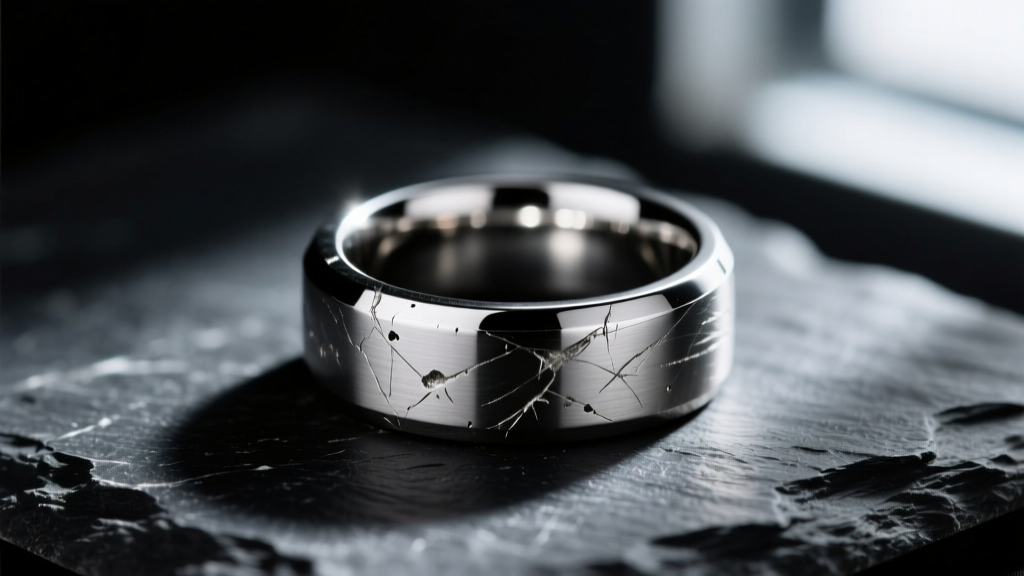
Stainless steel for jewelry is globally celebrated for its exceptional durability, accessible pricing, and sleek modern aesthetic. Often marketed as an indestructible and completely hypoallergenic alternative to precious metals, it has become a staple in both high-fashion and everyday accessories. However, the reality of daily wear frequently reveals hidden metallurgical flaws, manufacturing shortcuts, and maintenance misunderstandings. When your favorite pieces start causing skin irritation, developing stubborn rust spots, or suffering mechanical failures, you need precise, science-backed solutions.
In this comprehensive troubleshooting guide, we dissect the most common problems associated with stainless steel for jewelry. We will explore the exact material grades, chemical interactions, and mechanical properties that cause these issues, providing you with actionable frameworks to diagnose, fix, and prevent them.
Why Your Stainless Steel for Jewelry is Causing Skin Reactions
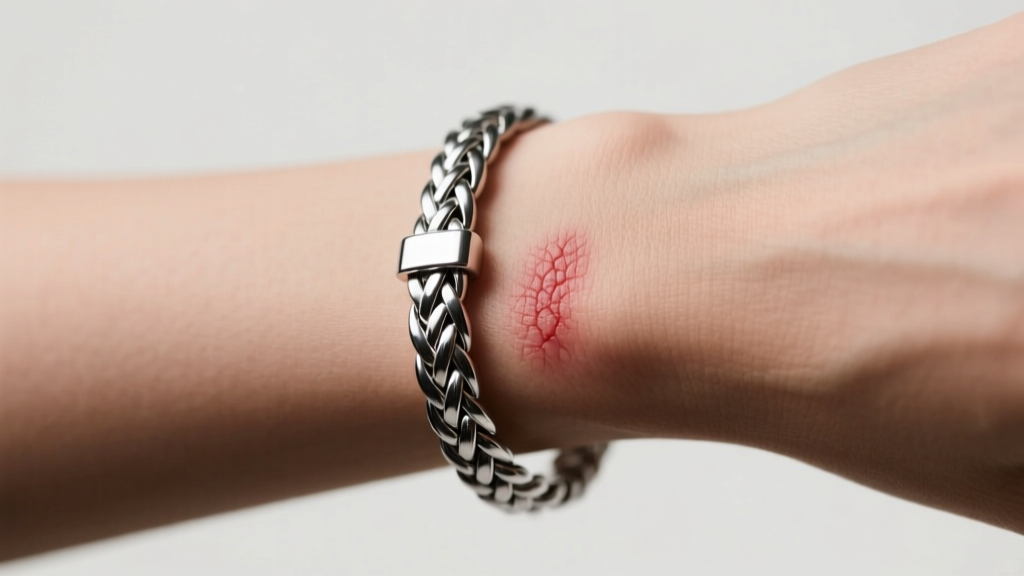
The most frequent complaint among consumers is the development of contact dermatitis or the dreaded "green skin" effect. To troubleshoot this, we must first dismantle the myth that all stainless steel is inherently hypoallergenic. The industry standard for body-safe jewelry is 316L surgical steel, an austenitic alloy containing 16-18% chromium, 10-14% nickel, and 2-3% molybdenum.
The Nickel Leaching Phenomenon
The chromium in 316L steel reacts with oxygen to form a microscopic, self-repairing passivation layer (chromium oxide). This layer is what traps the nickel inside the alloy, preventing it from touching your skin. However, this layer can be compromised. Human sweat contains chlorides and lactic acid, which can locally break down the passivation layer, leading to nickel leaching. According to research published by the National Center for Biotechnology Information, prolonged exposure to even trace amounts of leached nickel is the primary trigger for allergic contact dermatitis in metal-sensitive individuals.
Troubleshooting Skin Reactions
- Verify the Grade: Many fast-fashion brands use 304 stainless steel to cut costs. 304 lacks molybdenum and has a weaker passivation layer, making it highly susceptible to chloride corrosion (sweat) and subsequent nickel release. If a piece causes a reaction within 24 hours, it is likely 304 steel or a low-grade zinc alloy merely plated with steel.
- The Barrier Method: For mild sensitivities, applying a micro-thin layer of clear polyurethane nail polish to the inner band of a ring creates a temporary physical barrier. This must be reapplied every few weeks as friction wears it away.
- Seek PVD Coating: For a permanent fix without abandoning the piece, look for jewelry that utilizes Physical Vapor Deposition (PVD). PVD binds a microscopic layer of titanium nitride or gold to the steel, completely sealing the nickel inside and providing a biocompatible surface.
Diagnosing Surface Discoloration: Tarnish vs. Contamination
Consumers often report that their stainless steel for jewelry is "tarnishing." True tarnish is a chemical reaction (like silver sulfide forming on sterling silver). Stainless steel does not tarnish in this way. What you are witnessing is either surface contamination or tea staining.
The Embedded Iron Problem
During the manufacturing process, steel jewelry is cut, polished, and tumbled using industrial machinery. If the tools or tumbling media used on the jewelry were previously used on carbon steel or iron, microscopic iron particles become embedded in the surface of the stainless steel. Over time, these embedded iron particles oxidize and rust, creating ugly brown or orange spots that look like the jewelry itself is corroding.
Chemical Cleaning Compatibility Chart
When attempting to clean these spots, using the wrong chemicals can permanently etch the chromium oxide layer. Refer to this compatibility guide before treating your pieces:
| Cleaning Agent | Effect on 316L Steel | Troubleshooting Verdict |
|---|---|---|
| Mild Dish Soap & Warm Water | Safe. Removes oils and surface dirt. | Use Daily: Best for routine maintenance. |
| White Vinegar (Acetic Acid) | Mildly corrosive over prolonged exposure. | Use with Caution: Limit soak time to 5 mins max. |
| Bleach (Sodium Hypochlorite) | Highly destructive. Chlorides cause pitting corrosion. | Never Use: Will permanently ruin the passivation layer. |
| Citric Acid Solution (5%) | Beneficial. Dissolves embedded iron and passivates steel. | Highly Recommended: The ultimate fix for rust spots. |
| Baking Soda Paste | Mildly abrasive. Can scratch high-polish finishes. | Avoid on Mirrors: Safe only for brushed/matte finishes. |
How to Passivate Your Jewelry at Home
If your jewelry has stubborn rust spots, you need to dissolve the embedded iron and rebuild the chromium oxide layer. Mix a 5% citric acid solution (available as food-grade lemon salt) with distilled water. Submerge the jewelry for 20 minutes at room temperature. The citric acid will selectively chelate the free iron without harming the stainless steel. Rinse thoroughly with distilled water and let it air-dry in an oxygen-rich environment to allow the passivation layer to reform.
Mechanical Failures: Sizing, Clasps, and Work-Hardening
Stainless steel for jewelry is notoriously difficult to repair. With a Vickers hardness (HV) ranging from 150 to 220 depending on the cold-working process, it is significantly harder than sterling silver (approx. 60 HV) or 14k gold (approx. 130 HV). This creates unique mechanical challenges.
The Ring Sizing Dilemma
Traditional jewelers often refuse to resize stainless steel rings. Cutting the shank requires specialized diamond-coated saw blades, as standard high-speed steel blades will instantly dull or shatter. Furthermore, soldering stainless steel requires extremely high temperatures and specialized fluxes to prevent the chromium from oxidizing and creating a brittle, blackened weld joint. Most modern jewelry repair shops now require laser welding equipment to fuse stainless steel cleanly without heat distortion.
Actionable Fix: If a stainless steel ring is slightly too large, do not attempt to have it cut and resized unless it holds immense sentimental value. Instead, use silicone sizing beads or a transparent polyurethane spring insert on the inner band. These cost under $10, protect the structural integrity of the ring, and provide a comfortable, secure fit.
Clasp and Jump Ring Tension Failures
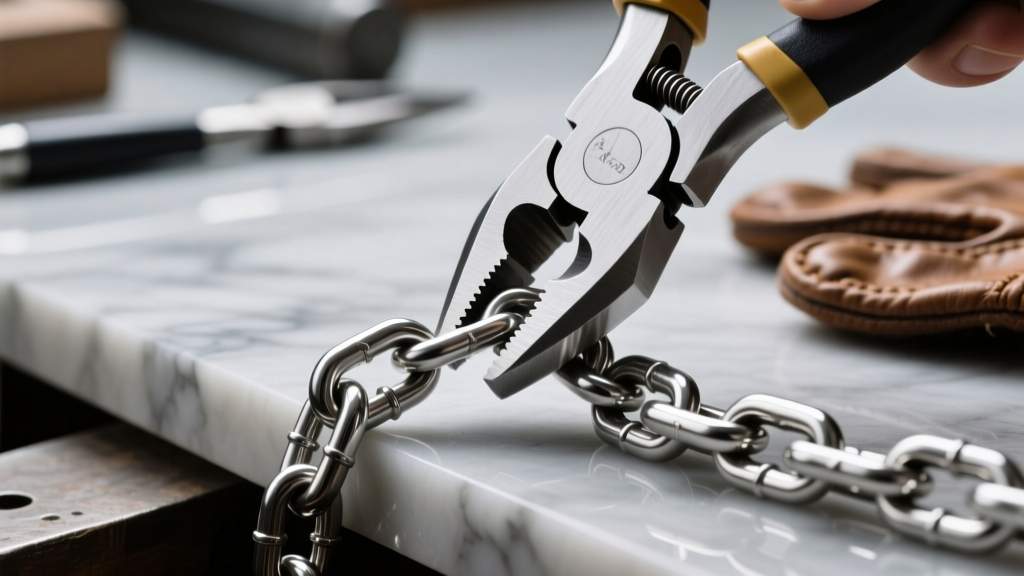
Because steel work-hardens (becomes harder and more brittle the more it is bent), jump rings on steel chains can snap if repeatedly opened and closed with standard pliers. When troubleshooting a broken chain, never attempt to twist the jump ring back and forth to close it. Use two pairs of flat-nose pliers to apply a single, firm compressive force to close the gap flush.
The Magnet Test Myth and Authenticity Verification
A pervasive troubleshooting myth in the jewelry community is the "magnet test." The logic suggests that because 316L is an austenitic stainless steel, it should be completely non-magnetic. Therefore, if a magnet sticks to your jewelry, it must be fake or plated base metal.
"While fully annealed austenitic stainless steels are non-magnetic, the cold-working processes used to form jewelry—such as drawing wire, stamping, and bending—can induce a partial transformation to martensite, resulting in slight magnetic attraction."
— Australian Stainless Steel Development Association (ASSDA)
If the clasp or the tightly bent shank of a ring exhibits a slight magnetic pull, it does not automatically mean the piece is counterfeit. However, if the entire flat surface of a pendant strongly attracts a heavy neodymium magnet, you are likely dealing with a ferromagnetic carbon steel core that has been electroplated with a microscopic layer of chromium. In this scenario, the piece will eventually rust from the inside out once the plating wears thin. For absolute certainty without destructive testing, professional jewelers use X-Ray Fluorescence (XRF) analyzers to read the exact elemental composition of the alloy.
Final Thoughts on Maintaining Your Steel Pieces
Stainless steel for jewelry remains an outstanding, cost-effective choice for durable daily wear, provided you understand its metallurgical boundaries. By recognizing the difference between true allergies and compromised passivation layers, avoiding chloride-based cleaners, and respecting the metal's work-hardened nature during repairs, you can ensure your pieces remain pristine for decades. When in doubt, always demand certified 316L or ASTM F138 compliance from your jeweler to guarantee the highest standard of biocompatibility and corrosion resistance.


