Troubleshooting Hypoallergenic Stainless Steel Jewelry Rashes
Still getting rashes from hypoallergenic stainless steel jewelry? Learn how to troubleshoot contact dermatitis, test for nickel, and find true relief.

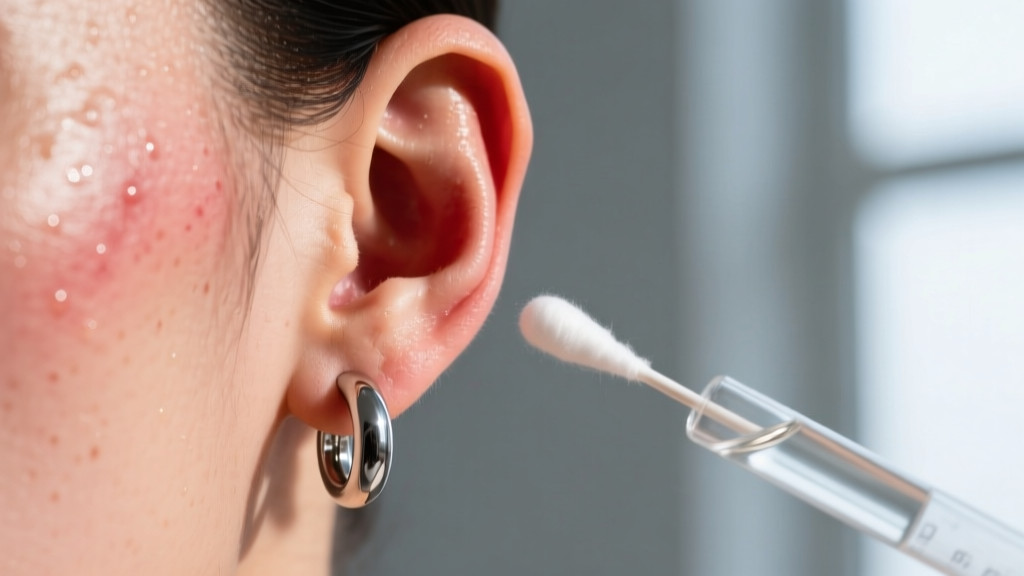
You finally found the perfect piece of hypoallergenic stainless steel jewelry, only to wake up the next morning with a red, itchy, and irritated patch of skin. It is a frustratingly common scenario that leaves many buyers questioning their metal sensitivities and the integrity of the brands they purchase from. The truth is, the jewelry industry's use of the term 'hypoallergenic' is largely unregulated, leading to widespread misunderstandings about what constitutes a truly safe metal for sensitive skin.
If your skin is reacting to your favorite rings, necklaces, or earrings, you are not necessarily out of options. By understanding the metallurgy of surgical steel, recognizing the signs of allergic contact dermatitis, and employing a systematic troubleshooting protocol, you can identify the root cause of your skin reactions and make informed decisions about your accessories.
The 'Hypoallergenic' Myth: Why Your Stainless Steel is Causing a Rash
The term 'hypoallergenic' is a marketing construct, not a recognized metallurgical or medical standard. When brands label their products as hypoallergenic stainless steel jewelry, they are typically referring to 316L surgical steel. While 316L is the gold standard for body jewelry and medical instruments, it is not entirely nickel-free. In fact, 316L stainless steel contains between 8% and 12% nickel, which is the primary culprit behind metal allergies.
According to the Mayo Clinic, nickel allergy is one of the most common causes of allergic contact dermatitis. The reason 316L is generally considered safe is due to its crystalline structure; the nickel is tightly bound within the iron-chromium matrix, resulting in a very low nickel release rate under normal conditions. However, if the manufacturing process is flawed, if the jewelry is exposed to harsh chemicals, or if you have a severe, hyper-sensitive nickel allergy, that trace release is more than enough to trigger an immune response.
Contact Dermatitis vs. Infection: Diagnosing the Reaction
Before troubleshooting the metal, you must accurately diagnose the skin reaction. Misidentifying an infection as an allergy can lead to improper treatment and worsening symptoms.
- Allergic Contact Dermatitis: Characterized by intense itching, redness, dry patches, and sometimes weeping blisters. This reaction is localized strictly to the area where the metal touches the skin and is caused by the immune system reacting to nickel ions. The American Academy of Dermatology notes that this reaction can take 12 to 72 hours to fully manifest after exposure.
- Friction or Irritant Dermatitis: Caused by tight jewelry trapping sweat, soap, and dead skin cells against the body, leading to a localized rash without an underlying immune allergy.
- Bacterial Infection: Common in fresh or irritated piercings. Symptoms include swelling, localized heat, throbbing pain, and yellow or green pus. This requires medical intervention, not just a change in metal.
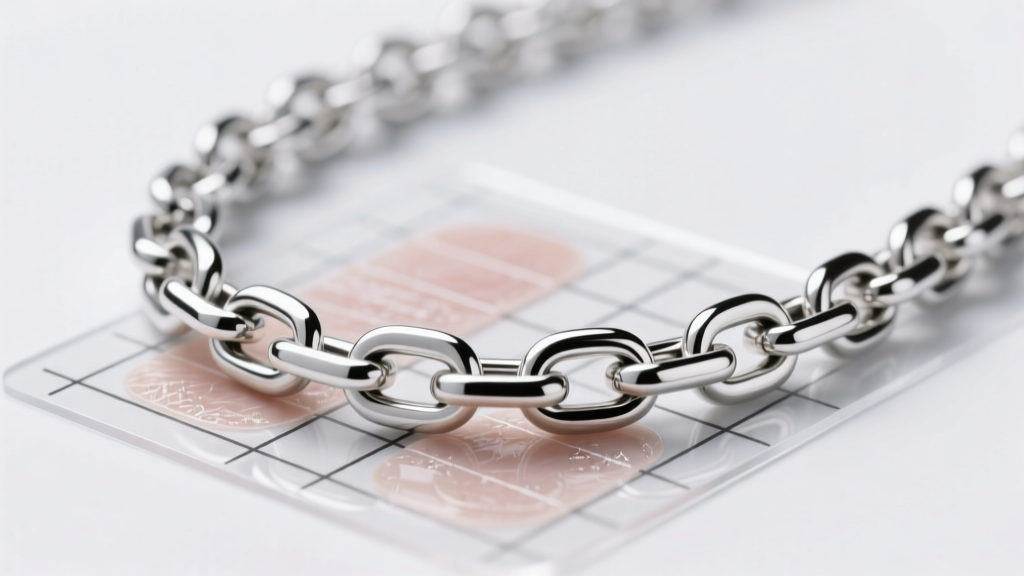
Metal Grade Forensics: 316L vs. 304 vs. Mystery Alloys
Not all stainless steel is created equal. If you are experiencing a rash, the first variable to investigate is the actual grade of the steel you are wearing. Many fast-fashion and budget jewelry brands use 304 stainless steel or zinc alloys plated with a thin layer of steel to cut costs.
| Metal Grade | Nickel Content | Molybdenum | Corrosion Resistance | Allergy Risk Profile |
|---|---|---|---|---|
| 316L (Surgical) | 8 - 12% | 2 - 3% | Excellent (High chloride resistance) | Low (Safe for most, risk for severe allergies) |
| 304 (Commercial) | 8 - 10.5% | 0% | Moderate (Prone to pitting in sweat) | Moderate to High (Corrosion releases nickel) |
| Zinc Alloy (Plated) | Variable | 0% | Poor (Plating wears off quickly) | Extremely High (Direct skin contact with base metals) |
The critical difference between 316L and 304 is the addition of molybdenum in 316L. Molybdenum drastically increases the metal's resistance to pitting and crevice corrosion caused by chlorides (which are abundant in human sweat). When 304 steel corrodes microscopically, it breaks down its passive chromium oxide layer, freeing nickel ions to leach directly into your skin. If your jewelry leaves a green or black mark, or if it loses its luster quickly, you are likely wearing 304 steel or a plated base metal, not true 316L.
Step-by-Step Troubleshooting Protocol
If you suspect your 316L stainless steel jewelry is triggering a reaction, follow this clinical troubleshooting protocol to isolate the variable and mitigate the symptoms.
1. Perform a Dimethylglyoxime (DMG) Spot Test
The DMG test is a standard chemical assay used by dermatologists and metallurgists to detect free nickel release. You can purchase a nickel spot test kit online. Simply apply the testing solution to a cotton swab and rub it firmly against the post of an earring or the inner band of a ring for 30 seconds. If the swab turns pink or red, the jewelry is actively releasing nickel and is unsafe for your skin.
2. Evaluate the Finish and Polish
Micro-abrasions and matte finishes on stainless steel increase the surface area exposed to sweat and oxygen, which can accelerate nickel leaching. High-polish, mirror-finished 316L jewelry creates a smoother, more impenetrable passive oxide layer. If your jewelry has a brushed or matte finish, consider switching to a high-polish alternative.
3. Implement a Barrier Method
For an immediate, short-term fix, apply a physical barrier between the metal and your skin. While clear nail polish is a popular DIY hack, it chips easily and contains its own sensitizing solvents. Instead, use a specialized skin barrier cream or a medical-grade hydrocolloid patch cut to size for areas like the backs of earrings or the clasps of necklaces.
4. Audit Your Cleaning Chemicals
Harsh chemicals, including bleach, chlorine, and even some highly acidic skincare products (like strong AHAs and BHAs), can strip the protective chromium oxide layer off your stainless steel jewelry. According to research published in the National Library of Medicine regarding contact dermatitis triggers, environmental chemicals often exacerbate metal ion release. Clean your jewelry using only warm water, mild dish soap, and a soft microfiber cloth.
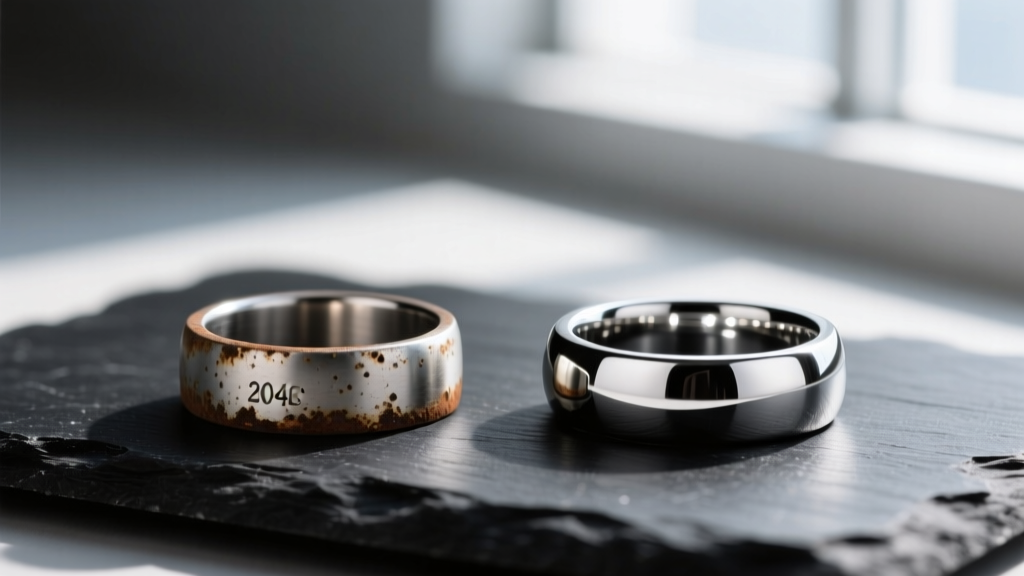
Maintenance and Passivation: Restoring the Oxide Layer
Stainless steel relies on a microscopic, invisible layer of chromium oxide to remain 'stainless' and trap nickel inside the alloy. If this layer is compromised by sweat, friction, or chemicals, the steel becomes vulnerable. You can actively restore this passivation layer. After washing your jewelry with mild soap and water, dry it thoroughly and let it sit exposed to the oxygen in the air for a few hours before wearing it again. For heavily worn items, an ultrasonic cleaner using a specialized, pH-neutral jewelry solution can remove trapped debris from microscopic pores, allowing the passivation layer to reform uniformly.
When Stainless Steel Fails: The Titanium Escape Hatch
If you have verified that your jewelry is genuine 316L, ensured it is highly polished, and you are still experiencing contact dermatitis, you likely have a severe, systemic nickel allergy. At this stage, troubleshooting stainless steel is no longer viable; you must change your metallurgical baseline.
Your next step is to transition to Implant-Grade Titanium, specifically ASTM F136 (Ti-6Al-4V-ELI). Unlike surgical steel, implant-grade titanium contains absolutely zero nickel. It is the exact metal used in orthopedic joint replacements and pacemakers, making it completely biocompatible. Niobium (ASTM F2129) is another excellent, nickel-free alternative that is highly malleable and easily anodized for colorful jewelry options without the use of allergenic plating.
Expert Verdict
Troubleshooting rashes from hypoallergenic stainless steel jewelry requires moving past marketing labels and looking at the actual chemistry of the metals involved. By confirming the 316L grade, testing for active nickel release, and maintaining the metal's passive oxide layer, the vast majority of wearers can enjoy stainless steel safely. However, true expertise in jewelry curation means knowing when to abandon a material. If 316L fails your skin, upgrade to ASTM F136 titanium and eliminate the guesswork entirely.


