Is Stainless Steel Jewelry Waterproof? The Ultimate Gift Guide
Wondering if stainless steel jewelry is waterproof before buying a gift? Discover which grades survive swimming, showering, and ocean trips in our guide.

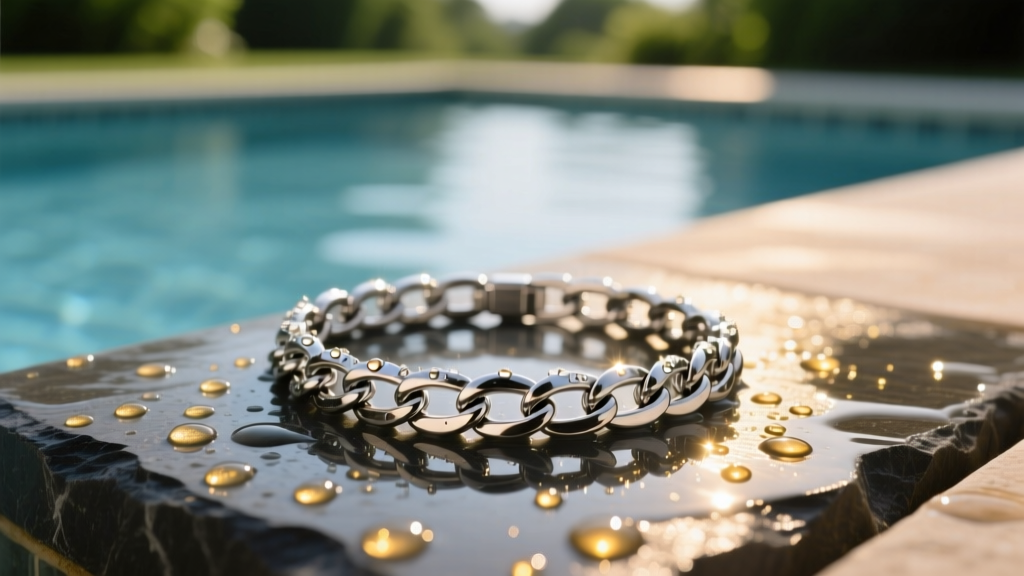
When shopping for an active friend, a dedicated swimmer, or a healthcare worker, you have likely found yourself typing a very specific question into your search bar: is stainless steel jewelry waterproof? The short answer is yes, but the metallurgical reality is far more nuanced. As a gift, jewelry needs to match the recipient's lifestyle. A piece that tarnishes after a single ocean dip or turns a nurse's finger green after repeated hand-washing is a failed gift, regardless of its aesthetic appeal.
In this comprehensive 2026 gifting guide, we break down the science of surgical steel, compare how it reacts to different aquatic environments, and provide a curated list of waterproof jewelry recommendations tailored to specific lifestyles and occasions.
The Short Answer: Metallurgy Meets Moisture
Not all stainless steel is created equal. The jewelry industry primarily uses two grades: 304 stainless steel and 316L surgical steel. The distinction between the two is the difference between a ruined gift and a lifelong keepsake.
According to the British Stainless Steel Association, 316L steel contains an addition of 2-3% molybdenum. This specific alloying element dramatically increases resistance to chloride corrosion (the type found in saltwater and human sweat). Furthermore, the 'L' stands for 'Low Carbon,' which prevents sensitization and ensures the metal remains completely biocompatible and rust-proof, even when exposed to continuous moisture.
When 316L steel is exposed to oxygen, it forms a microscopic, self-healing layer of chromium oxide. If a swimmer scratches their steel bracelet, the oxygen in the water immediately reacts with the exposed chromium to 'heal' the barrier. This is why high-quality 316L jewelry is genuinely waterproof and makes an exceptional gift for water-bound individuals.
Freshwater vs. Saltwater vs. Chlorine: The Real Test
Water is rarely just H2O. The chemicals and minerals suspended in different bodies of water interact with metals and coatings in vastly different ways. Before purchasing a gift, consult this environmental impact matrix to ensure your selection survives the recipient's favorite activities.
| Environment | Water Type | Impact on 316L Steel | Impact on PVD Gold Coatings | Gifting Verdict |
|---|---|---|---|---|
| Shower / Bath | Freshwater + Mild Soaps | Zero degradation; self-cleaning. | No impact; highly stable. | Safe for all 316L jewelry. |
| Swimming Pool | Chlorinated Freshwater | Resists corrosion perfectly. | Prolonged daily exposure may dull the luster over years. | Stick to uncoated silver-tone 316L for daily lap swimmers. |
| Ocean / Sea | Saltwater (Chlorides) | Molybdenum prevents pitting. | Salt crystals can cause micro-abrasions on PVD layers. | Excellent, but rinse with fresh water post-swim. |
| Hot Tub / Sauna | High Heat + Bromine/Chlorine | Safe, but heat expands metal slightly. | Extreme heat and chemicals can compromise cheap plating. | Avoid hollow-tube jewelry; opt for solid cast pieces. |
The Waterproof Jewelry Gift Guide by Recipient
Knowing that 316L steel survives water is only half the battle. The design, clasps, and stone settings dictate whether a piece is truly 'swim-proof.' Here is how to match the jewelry style to the recipient's specific aquatic lifestyle.
1. The Endurance Swimmer & Triathlete
The Challenge: Daily exposure to heavily chlorinated pool water, combined with the friction of wetsuits and repetitive motion.
The Gift Solution: Avoid delicate chains or pieces with spring-ring clasps. Chlorine can eventually degrade the tiny steel springs inside standard clasps, leading to lost jewelry. Instead, gift a solid 316L stainless steel bangle with a secure screw-clasp, or a seamless continuous hoop. For necklaces, opt for a 3mm to 5mm solid Cuban link or rope chain with a heavy-duty lobster clasp or a magnetic titanium clasp. Uncoated, silver-tone 316L is mandatory here, as daily chlorine will eventually strip electroplated or low-grade PVD gold finishes.
2. The Beach Vacationer & Surfer
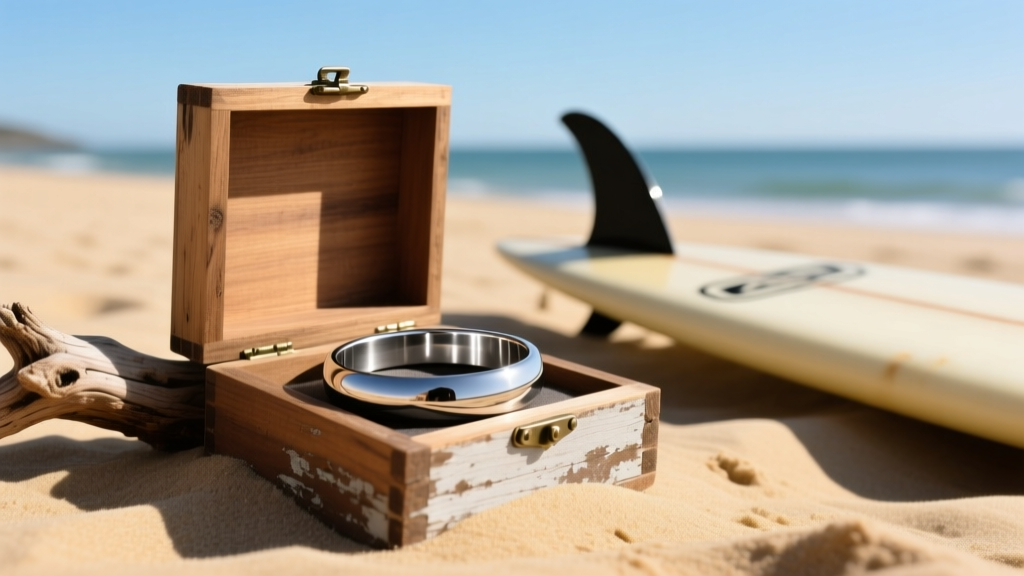
The Challenge: Saltwater, sand abrasion, and the risk of 'crevice corrosion' (where salt dries and concentrates in tiny gaps).
The Gift Solution: The Gemological Institute of America (GIA) notes that porous gemstones like turquoise or pearls are destroyed by saltwater. Therefore, gift jewelry that features lab-grown diamonds, cubic zirconia, or sapphire set in 316L steel. To prevent crevice corrosion, avoid pieces with intricate filigree or hollow tubing where sand and salt can become trapped. A sleek, polished steel surf-ring pendant on a solid cable chain is a thoughtful, highly durable gift for the coastal traveler.
3. The Healthcare Professional
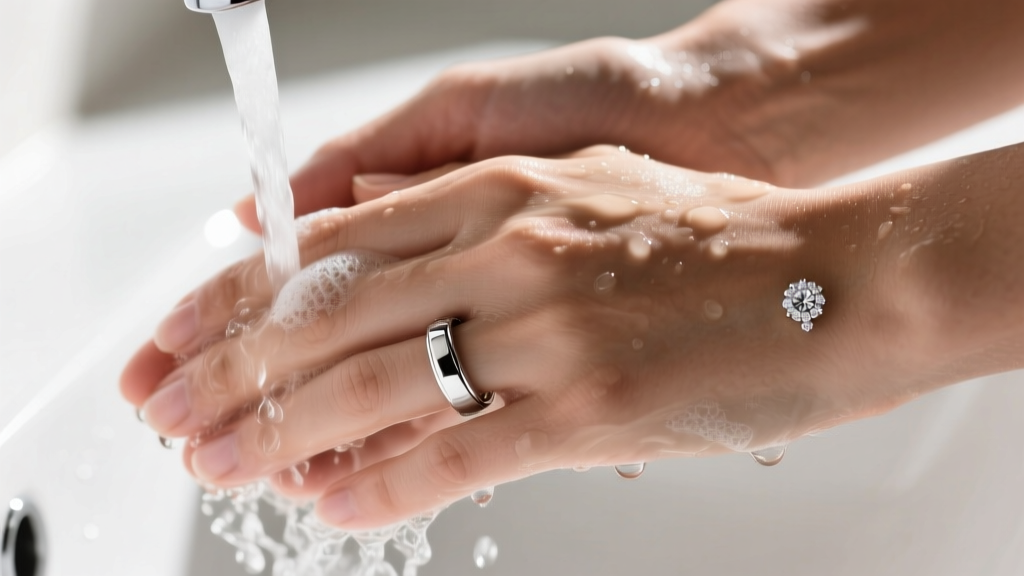
The Challenge: Washing hands 20+ times a day with harsh antibacterial soaps, alcohol sanitizers, and the need to wear latex or nitrile gloves without tearing them.
The Gift Solution: Prong-set stones are a nightmare for medical gloves, and porous metals harbor bacteria. Gift a set of 316L stainless steel bezel-set stud earrings. The bezel setting encapsulates the stone in a smooth dome of metal, allowing gloves to slide on and off effortlessly while withstanding endless cycles of alcohol and iodine. Pair this with a smooth, domed 316L wedding band or silicone-lined steel ring that won't trap moisture against the skin.
Red Flags: When 'Waterproof' Fails
Even if a brand claims their jewelry is waterproof, a discerning gift-giver must look out for structural weaknesses that water will inevitably exploit:
- The 304 Steel Deception: Many fast-fashion brands use 304 stainless steel and label it 'surgical.' Without molybdenum, 304 steel will develop microscopic rust pits after just a few ocean swims. Always verify the product description explicitly states '316L.'
- Glued Gemstones: If a piece features stones that are glued rather than prong-set or bezel-set, it is not waterproof. Hot showers and ocean swims will dissolve the adhesive, resulting in lost stones.
- Electroplated Coatings: Gold-plated stainless steel is a ticking time bomb. Electroplating is a microscopically thin layer that will peel and flake when exposed to pool chemicals. Only PVD (Physical Vapor Deposition) coatings are genuinely waterproof, as the color is bonded to the steel at a molecular level in a vacuum chamber.
Gifting Care Instructions to Include
When gifting 316L stainless steel jewelry to an active individual, include a small, beautifully printed care card. While the metal itself is virtually indestructible, maintaining its mirror finish requires minimal effort. Advise your recipient to rinse their jewelry with fresh tap water after swimming in the ocean to remove salt crystals, and to dry it with a microfiber cloth rather than a cotton towel, which can leave microscopic lint in the clasp mechanisms. By gifting 316L stainless steel, you are not just giving an accessory; you are providing a resilient, waterproof companion that will endure every adventure they take.


