Troubleshooting Fakes: High-Quality Stainless Steel Jewelry
Learn how to troubleshoot tarnishing, verify 316L grades, and authenticate high-quality stainless steel jewelry with our expert testing guide.

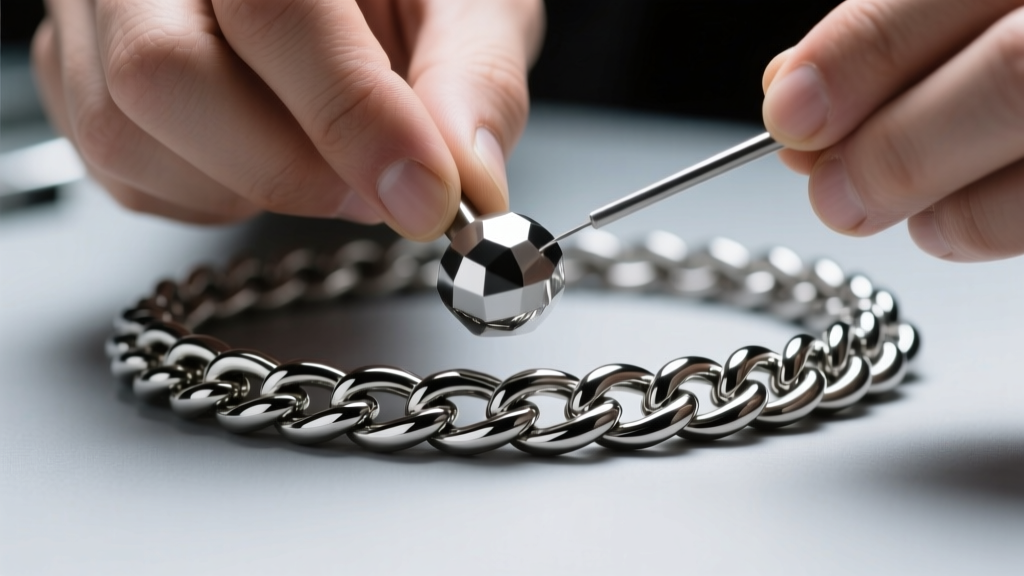
When you invest in accessories meant for daily wear, discovering that your supposedly durable pieces are tarnishing, rusting, or causing contact dermatitis is incredibly frustrating. The market is currently flooded with base metals deceptively marketed as "surgical steel," making it difficult for consumers to separate genuine, high-quality stainless steel jewelry from cheap alloys. As metallurgical standards evolve and manufacturing techniques shift in 2026, understanding the science behind your jewelry is no longer optional—it is essential for protecting your skin and your investment.
This troubleshooting guide dives deep into the metallurgy of stainless steel, providing actionable frameworks to authenticate your pieces, solve skin irritation issues, and restore damaged surfaces. Whether you are dealing with a stubborn rash from a new ear cuff or trying to buff out scratches on a vintage signet ring, these expert-level solutions will help you maintain your collection.
The "Surgical Steel" Trap: Why Your Jewelry is Tarnishing
The term "surgical steel" is a marketing buzzword, not a recognized metallurgical standard. When unregulated brands use this label, they are often selling 304 or even 200-series stainless steel. True high-quality stainless steel jewelry should be manufactured from 316L marine-grade stainless steel. According to Britannica, the defining difference lies in the chemical composition: 316L contains 2% to 3% molybdenum, an element drastically increasing resistance to chlorides and industrial solvents.
If your stainless steel ring is developing a dull, grayish film or showing micro-pitting after exposure to sweat or swimming pool water, you likely own a 304 alloy. 304 stainless steel lacks molybdenum, making its chromium oxide passivation layer highly vulnerable to chloride ions found in human sweat and saltwater. Furthermore, the "L" in 316L stands for "Low Carbon." Lower carbon content prevents chromium carbide precipitation during the welding and casting processes, ensuring the structural integrity and corrosion resistance of the jewelry remain uncompromised.
At-Home Authentication and Troubleshooting Tests
Verifying the authenticity of your jewelry requires moving beyond visual inspection. Here are three practical tests to troubleshoot suspected fake or low-grade stainless steel pieces:
- The Rare-Earth Magnet Test: Genuine 316L is an austenitic stainless steel, meaning its crystal structure is largely non-magnetic. If you apply a strong neodymium magnet to your chain and it snaps aggressively to the metal, you are likely dealing with a ferritic or martensitic steel (like 410 or 430 grades) which are highly prone to rust. Note: Cold working (such as bending a wire or heavy machining) can induce slight martensitic transformation, causing a very weak magnetic pull. A weak pull is acceptable; a strong snap is a red flag.
- The Ice Cube Thermal Conductivity Test: Stainless steel has a specific thermal conductivity rate. Place an ice cube on the suspected jewelry and a known piece of silver or titanium. Genuine 316L will melt the ice noticeably faster than titanium but slightly slower than sterling silver due to its dense alloy composition.
- The Molybdenum Drop Test (Professional): For high-value items, jewelers use a chemical spot test. By applying a specialized acidic reagent to an inconspicuous area, the presence of molybdenum will yield a specific color change, definitively separating 316L from 304 steel.
Troubleshooting Skin Irritation and "Nickel Leaks"
One of the most common complaints regarding stainless steel jewelry is the sudden onset of contact dermatitis. This presents a metallurgical paradox: 316L stainless steel contains between 10% and 14% nickel, a known allergen. So why do dermatologists often recommend it for sensitive skin?
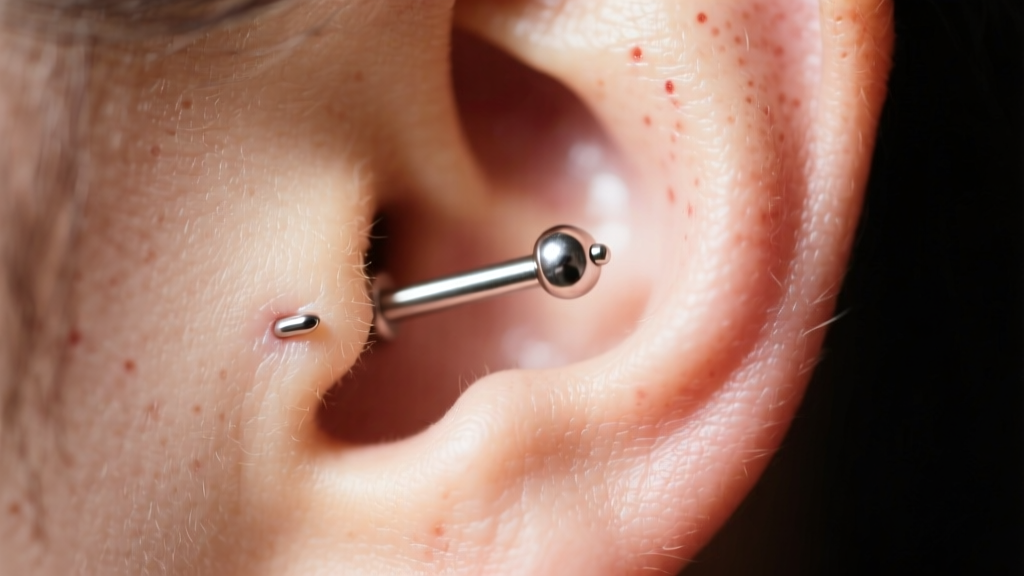
In properly manufactured 316L, the nickel is tightly bound within the austenitic crystal lattice and trapped beneath the invisible chromium oxide passivation layer. However, skin irritation occurs when this layer is compromised or when manufacturing shortcuts are taken. If you experience itching, redness, or weeping skin around your piercing or ring, troubleshoot the following failure modes:
1. Porous Casting and Trapped Polishing Compounds
Mass-produced, low-cost jewelry often undergoes tumble polishing using harsh abrasive compounds. If the jewelry features intricate crevices, undercuts, or porous castings, these chemical compounds become trapped against the skin. The reaction you experience is often a chemical burn from the polishing rouge, not a nickel allergy. Solution: Submerge the jewelry in an ultrasonic cleaner filled with warm distilled water and a drop of mild dish soap for 10 minutes to dislodge trapped particulates.
2. Micro-Abrasions and Nickel Migration
If the jewelry is heavily scratched, the passivation layer may be breached, allowing nickel ions to migrate into the skin. The European Union's EN 1811:2011 standard strictly limits nickel migration to less than 0.5 µg/cm²/week for prolonged skin contact items, as noted by testing authorities like SGS. If your piece fails this implicit standard, the alloy is either mislabeled or poorly finished. Solution: For active flare-ups, the American Academy of Dermatology recommends removing the item immediately and applying a hydrocortisone cream. To wear the piece safely in the future, consider having a professional jeweler apply a PVD (Physical Vapor Deposition) titanium nitride coating, which creates an impenetrable, hypoallergenic barrier.
Restoring and Polishing Scratched 316L Pieces
Stainless steel ranks around 5.5 to 6 on the Mohs hardness scale. While it is harder than pure silver or gold, it is still susceptible to micro-scratches from daily contact with ceramics, glass, and harder metals. Fortunately, unlike plated base metals that are ruined once the surface is breached, solid 316L can be aggressively restored.
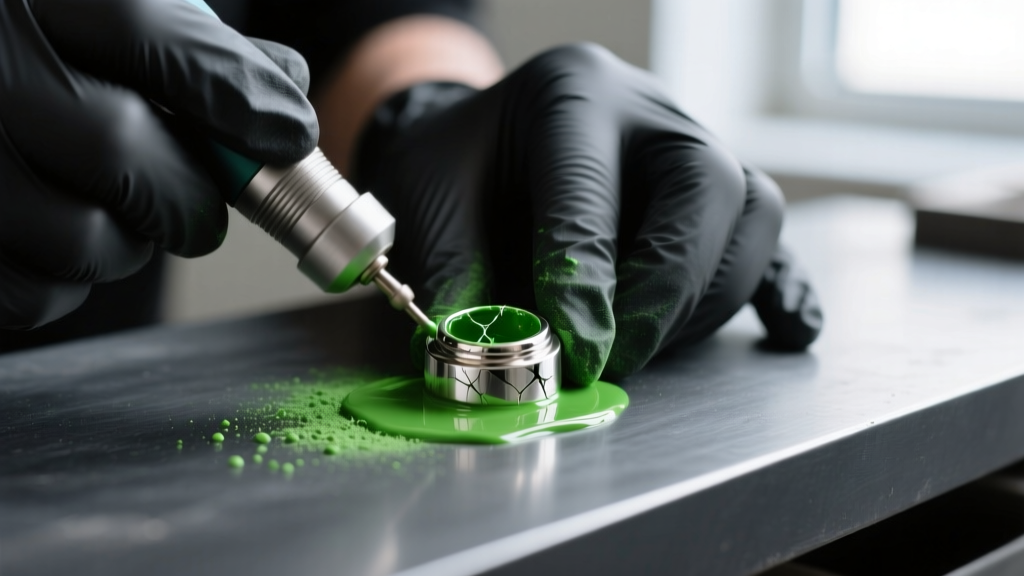
To troubleshoot deep scratches and restore a mirror finish, follow this progressive wet-sanding and polishing framework:
- Wet Sanding (Grit Progression): Do not skip grits. Start with 400-grit wet/dry sandpaper to level deep gouges. Progress to 800, then 1500, and finally 2000-grit. Always sand in a single, unidirectional line, rotating the piece slightly with each grit change to ensure you are removing the scratches from the previous step. Keep the paper and metal lubricated with water to prevent heat buildup, which can warp thin bands.
- Pre-Polish (Aluminum Oxide): Using a felt bob attached to a rotary tool (like a Dremel) running at a medium speed (10,000 - 15,000 RPM), apply a brown tripoli or aluminum oxide compound. This step removes the 2000-grit haze.
- Final Polish (Chromium Oxide): Switch to a clean, soft muslin buffing wheel. Apply green chromium oxide (jeweler's rouge) to achieve a flawless, mirror-like finish. The chromium oxide not only polishes the steel but also helps replenish the microscopic chromium-rich surface layer, aiding in the reformation of the passivation shield.
Quick Reference: 316L vs. Common Market Alternatives
When shopping for replacements or verifying your current collection, use this metallurgical breakdown to understand how high-quality stainless steel jewelry compares to other common market alloys.
| Material Grade | Nickel Content | Molybdenum | Corrosion Resistance | Best Use Case |
|---|---|---|---|---|
| 316L Stainless | 10-14% | 2-3% | Excellent (Marine/Sweat) | Body jewelry, daily wear rings, luxury watches |
| 304 Stainless | 8-10.5% | 0% | Moderate (Fails in salt) | Large fashion pendants, display-only pieces |
| 201 Stainless | 1-5% | 0% | Poor (Rusts easily) | Cheap fast-fashion chains, temporary wear |
| Grade 23 Titanium | 0% | 0% | Superior (Biocompatible) | Fresh piercings, severe nickel allergy sufferers |
Final Thoughts on Maintenance
Troubleshooting issues with stainless steel jewelry almost always traces back to material misidentification or improper surface maintenance. By understanding the vital role of molybdenum, respecting the chromium oxide passivation layer, and utilizing proper progressive polishing techniques, you can ensure your pieces remain pristine for decades. Always demand explicit 316L or ASTM F138 certification from retailers, and remember that genuine high-quality stainless steel jewelry is an investment in both enduring style and dermatological safety.


