Stainless Steel Jewelry Pros and Cons: A Beginner's Buying Guide
Discover the real stainless steel jewelry pros and cons. Learn about 316L grades, hypoallergenic properties, and if surgical steel is right for you.

The Reality of 'Surgical Steel': Beyond the Marketing
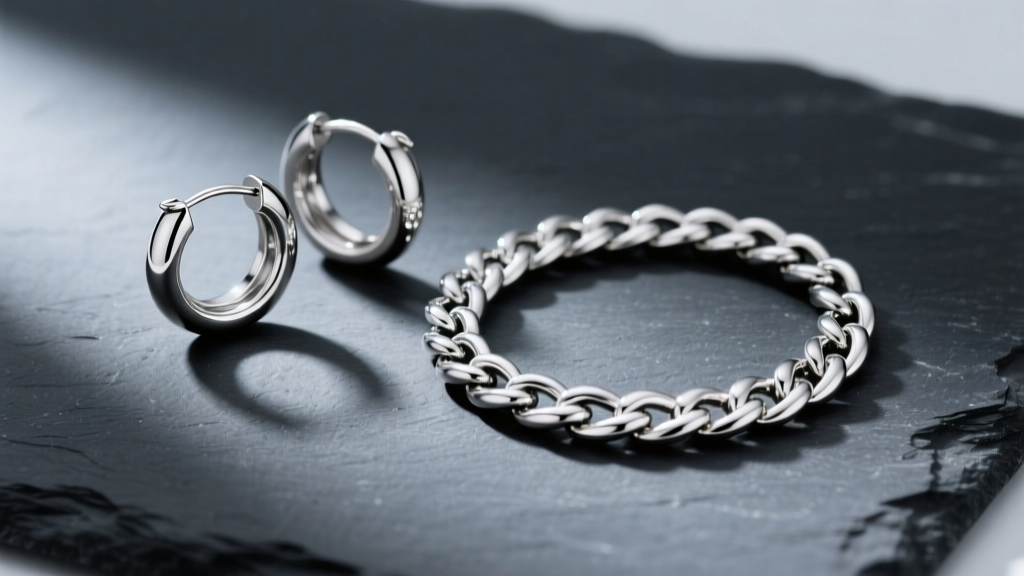
When you first enter the world of affordable, durable accessories, you will inevitably encounter the term 'surgical steel.' However, from a metallurgical standpoint, this is largely an unregulated marketing buzzword. To truly understand the stainless steel jewelry pros and cons, we must look at the specific alloy grades used by manufacturers. The vast majority of high-quality body jewelry and fashion pieces are crafted from 316L stainless steel, an austenitic chromium-nickel-molybdenum alloy. The 'L' stands for low carbon, which prevents carbide precipitation during welding and ensures superior corrosion resistance.
Unlike precious metals such as 14k gold or sterling silver, stainless steel is an industrial powerhouse adapted for personal adornment. It boasts a Vickers hardness (HV) of approximately 150-190, making it highly resistant to deformation but slightly softer than implant-grade titanium. Before you add a 316L Cuban link chain or a pair of seamless clicker hoops to your cart, it is crucial to weigh the material's practical advantages against its inherent physical limitations.
The Core Stainless Steel Jewelry Pros and Cons
Evaluating this alloy requires separating internet myths from material science. Here is a deep dive into the specific benefits and drawbacks of wearing 316L stainless steel daily.
The Major Advantages (Pros)
- Exceptional Tensile Strength: Stainless steel has a tensile strength of roughly 515 MPa. This means thin chains, delicate prong settings, and small jump rings are significantly less likely to snap under tension compared to sterling silver or pure gold.
- Tarnish and Corrosion Resistance: Thanks to a microscopic, self-repairing layer of chromium oxide on its surface, 316L will not oxidize, turn your skin green, or tarnish when exposed to sweat, humidity, or shower water.
- PVD Coating Compatibility: Modern black, rose gold, or 14k gold stainless steel jewelry is typically treated with Physical Vapor Deposition (PVD). PVD bonds color to the steel at a molecular level in a vacuum chamber, creating a finish that is vastly superior to traditional electroplating, which flakes and peels within months.
- Cost-to-Durability Ratio: You can typically acquire a high-quality, solid 316L stainless steel ring for $15 to $40, whereas a comparable design in 14k gold would exceed $300. It offers luxury aesthetics at an industrial price point.
The Hidden Drawbacks (Cons)
- Resizing Limitations: Due to its high melting point (around 1,400°C) and extreme hardness, most local jewelers lack the specialized laser welders required to resize stainless steel rings. What you buy is generally the permanent size you must wear.
- Weight and Density: Steel is dense. A thick 10mm stainless steel curb chain will feel noticeably heavier on the neck than an identically sized titanium or aluminum piece, which can cause fatigue during all-day wear.
- High-Friction PVD Wear: While PVD is incredibly durable, it is not invincible. On high-friction areas—such as the inner band of a ring rubbing against adjacent fingers or the bottom of a bracelet clasp—the colored coating will eventually wear down to the silver-toned steel beneath after 1 to 3 years of daily use.
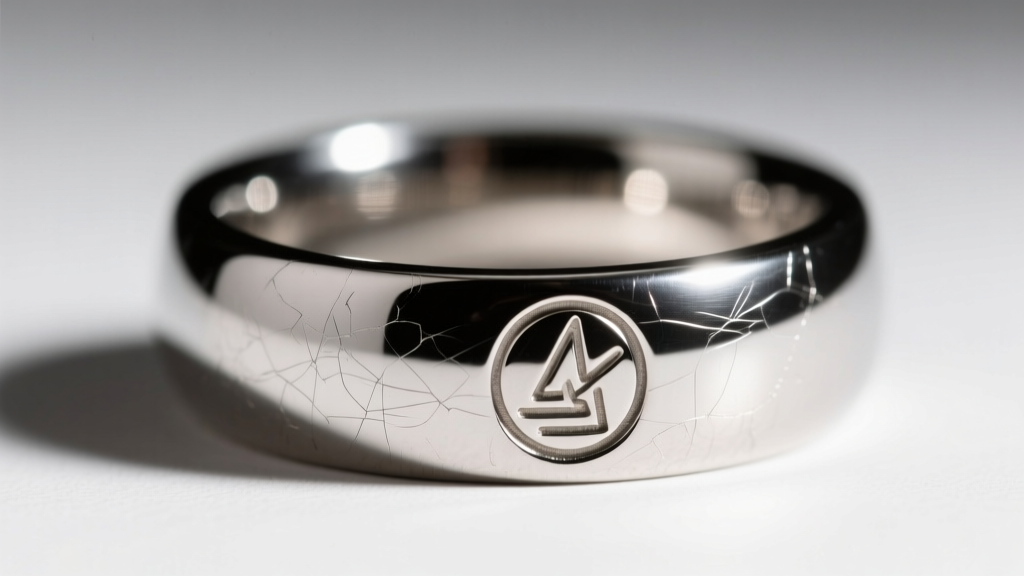
- Micro-Scratching: With a hardness lower than tungsten carbide or sapphire crystal, polished steel will accumulate micro-scratches over time, shifting from a mirror finish to a softer, satin-like patina.
Material Grade Breakdown: 316L vs. 304 vs. 201
Not all stainless steel is created equal. Cheap fast-fashion brands often cut costs by using inferior grades that can rust or cause severe skin reactions. Here is how the three most common grades compare in the jewelry market.
| Alloy Grade | Key Composition | Corrosion Resistance | Best Use Case | Average Price Range |
|---|---|---|---|---|
| 316L (Marine/Surgical) | 16-18% Chromium, 10-14% Nickel, 2-3% Molybdenum | Exceptional (Resists chlorides and saltwater) | Body jewelry, daily wear rings, premium chains | $20 - $80 |
| 304 (Standard) | 18-20% Chromium, 8-12% Nickel, No Molybdenum | Good (Can pit with prolonged sweat/salt exposure) | Fashion earrings, pendants, low-friction bangles | $10 - $40 |
| 201 (Commercial) | 16-18% Chromium, 3.5-5.5% Nickel, High Manganese | Poor (Prone to rust and spotting over time) | Ultra-cheap novelty jewelry (Avoid for skin contact) | $2 - $15 |
The Hypoallergenic Reality Check: Nickel Sensitivities
The most fiercely debated topic regarding stainless steel is its biocompatibility. 316L stainless steel contains approximately 8% to 10% nickel. However, the nickel is tightly bound within the crystalline alloy structure. For about 85% of the population, this bound nickel will not leach into the skin, making 316L perfectly safe for standard ear piercings and daily wear.
However, if you suffer from severe contact dermatitis or a known, aggressive nickel allergy, stainless steel is a gamble. According to the Mayo Clinic, prolonged exposure to nickel-releasing alloys can trigger chronic eczema and blistering in highly sensitized individuals. Furthermore, the Association of Professional Piercers (APP) strictly recommends that initial, unhealed piercings should only utilize ASTM F136 implant-grade titanium or solid 14k+ gold, as the alkaline environment of a fresh wound can accelerate nickel leaching from steel.
Expert Rule of Thumb: If your piercings are fully healed (older than 6 months) and you have no history of metal allergies, 316L stainless steel is an excellent, safe choice. If you are getting a fresh piercing or have a known nickel allergy, bypass steel entirely and opt for implant-grade titanium.
Practical Buying Framework for Beginners
When shopping for stainless steel pieces, use this checklist to ensure you are getting a high-quality product that will not fail prematurely.
- Verify the Stamp: Look for '316L' or 'Surgical Steel' stamped on the clasp or inner band. Unmarked pieces are often 201-grade steel that will rust.
- Inspect the Clasp Mechanism: Avoid cheap spring-ring clasps on heavy chains; the tiny internal steel springs are the most common failure point. Opt for lobster clasps or, ideally, custom-machined box clasps with safety latches.
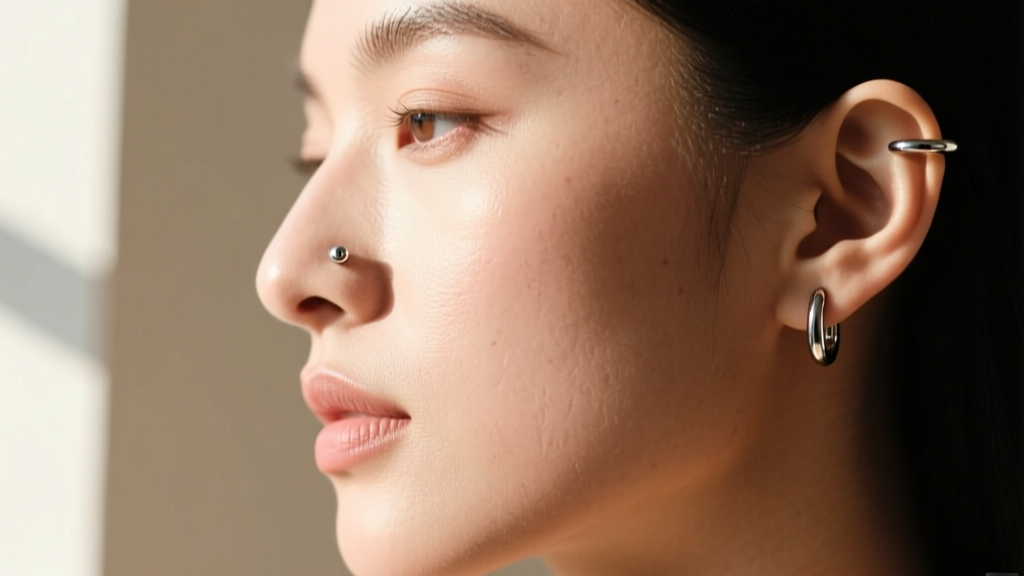
- Check Body Jewelry Gauges: If buying for piercings, ensure the gauge matches your anatomy. Standard earlobes are usually 20G (0.8mm) or 18G (1.0mm), while cartilage and septum piercings typically require 16G (1.2mm) or 14G (1.6mm). Buying the wrong gauge will cause tissue tearing or migration.
- Assess the Threading: For ball-closure rings or labret studs, always choose internally threaded or threadless (push-pin) jewelry. Externally threaded steel jewelry has sharp ridges that will tear the delicate fistula of your piercing upon insertion.
Maintenance and Long-Term Care
While stainless steel is famously low-maintenance, adopting a few specific habits will preserve the mirror polish and PVD coatings for decades.
- Ultrasonic Cleaning: For intricate chains or gemstone settings, use an ultrasonic jewelry cleaner with a few drops of mild dish soap. The high-frequency cavitation will dislodge sebum and dead skin cells trapped in the links.
- Avoid Chlorine Bleach: While 316L resists saltwater beautifully, prolonged exposure to harsh household chlorine bleach can cause localized pitting and permanent dulling of the chromium oxide layer.
- Polishing PVD: Never use abrasive silver-polishing cloths or chemical dips on PVD-coated (black or gold) steel. These chemicals will strip the vapor-deposited layer. Simply wipe with a damp microfiber cloth.
Final Verdict
Understanding the stainless steel jewelry pros and cons reveals that 316L is arguably the most practical metal for modern, everyday accessories. It bridges the gap between the fragility of fast-fashion alloys and the prohibitive cost of precious metals. As long as you respect its limitations regarding resizing and severe nickel allergies, a well-crafted stainless steel piece will easily outlast trends and retain its structural integrity for a lifetime of daily wear.


