PVD Coated Stainless Steel Jewelry: 2026 Buying Guide
Discover what to look for when buying PVD coated stainless steel jewelry in 2026. Learn about durability, base metals, and pricing in our expert guide.

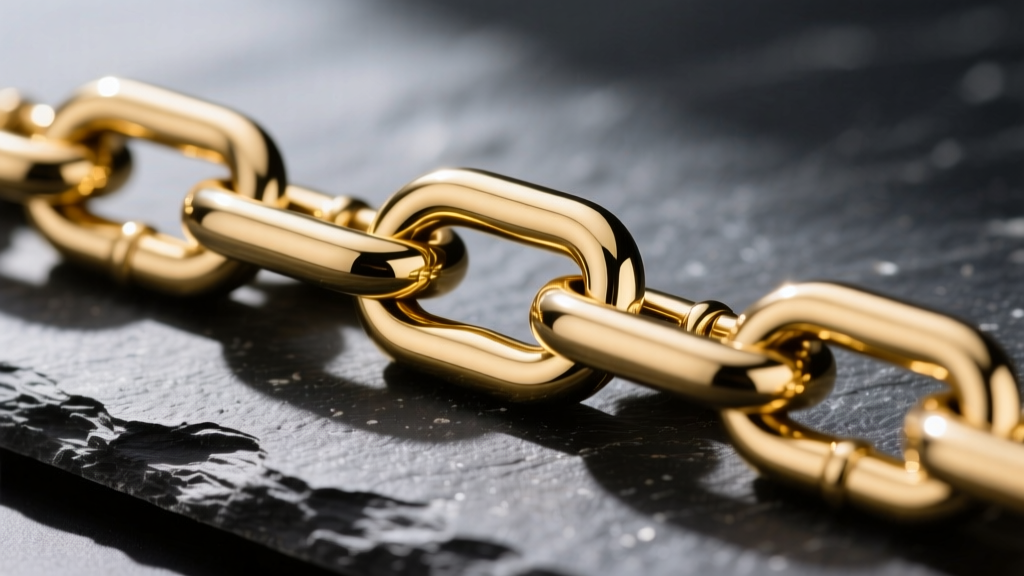
The jewelry market in 2026 has seen a massive shift toward durable, sustainable, and hypoallergenic alternatives to traditional precious metals. At the forefront of this movement is PVD coated stainless steel jewelry. However, not all coated pieces are created equal. While some brands offer lifetime guarantees on their finishes, others sell items that fade within weeks. Understanding the metallurgy, the coating process, and the structural integrity of the base metal is essential for making informed purchasing decisions. This comprehensive buying guide will equip you with the technical knowledge required to evaluate PVD stainless steel jewelry like an industry insider.
The Science of Physical Vapor Deposition (PVD)
Physical Vapor Deposition (PVD) is not a paint, a dip, or a traditional electroplated layer. It is a highly advanced vacuum coating process. Inside a high-temperature vacuum chamber, solid metals like titanium or zirconium are vaporized into a plasma state. Reactive gases, such as nitrogen, are introduced to form incredibly hard ceramic compounds—most commonly Titanium Nitride (TiN) for a 14k gold color, or Zirconium Nitride (ZrN) for black and rose gold finishes.
According to materials science research documented by AZoM, PVD coatings bond with the base metal at a molecular level. This atomic integration means the coating will not flake, peel, or blister like traditional electroplating. Instead, PVD creates a surface that is significantly harder than the underlying stainless steel, offering exceptional scratch resistance and a brilliant, enduring luster that mimics solid gold or black rhodium.
Base Metal Integrity: Why 316L is Non-Negotiable
A PVD coating is only as resilient as the metal beneath it. If the base metal corrodes, oxidizes, or warps, the molecular bond will fail, leading to micro-fractures in the coating. This is why the specific grade of stainless steel is the most critical factor in your purchasing decision.
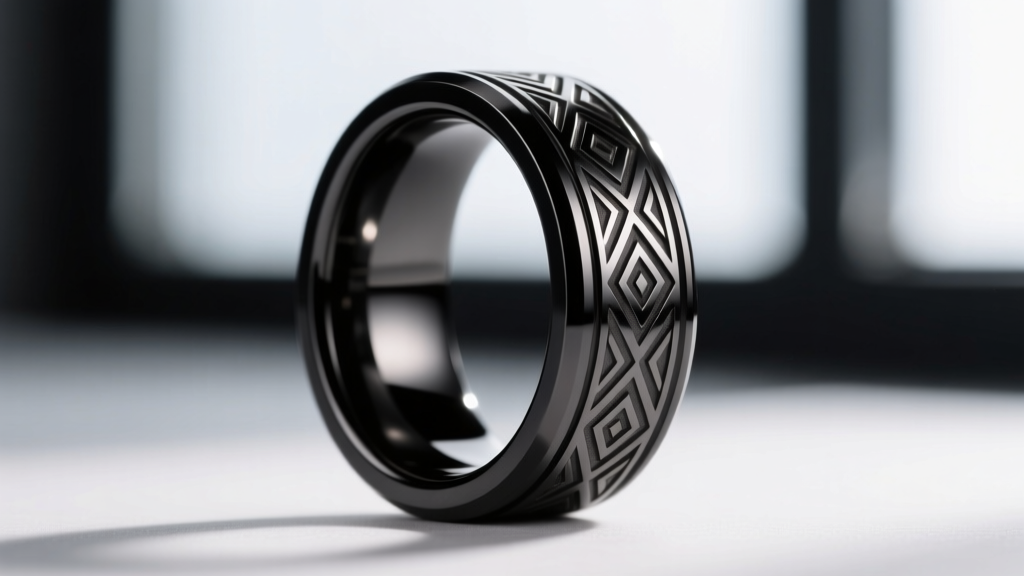
Always look for 316L surgical stainless steel. The "L" stands for low carbon, which prevents carbide precipitation during the high-heat PVD process. More importantly, 316L contains 2% to 3% molybdenum. As detailed by the British Stainless Steel Association, molybdenum drastically increases resistance to pitting corrosion from chlorides and industrial solvents. Conversely, cheaper 304 stainless steel lacks molybdenum. When 304 steel is exposed to sweat or pool water, subsurface pitting occurs, pushing the PVD coating off from the inside out.
PVD vs. Traditional Electroplating: A Durability Matrix
Many consumers confuse PVD with standard gold-plating. The table below outlines the stark differences in manufacturing, longevity, and environmental impact between the two methods.
| Feature | PVD Coating (Titanium/Zirconium Nitride) | Traditional Electroplating (Gold/Rhodium) |
|---|---|---|
| Bond Type | Molecular / Atomic integration | Mechanical / Surface adhesion |
| Thickness | 0.1 to 0.5 microns | 0.05 to 2.5 microns |
| Surface Hardness | Extremely High (up to 2000 HV) | Low to Moderate (100-300 HV) |
| Failure Mode | Gradual wear over years | Flaking, peeling, and blistering |
| Eco-Impact | Zero toxic waste or cyanide baths | High toxic waste, heavy metal runoff |
| Average Lifespan | 2 to 5+ years (daily wear) | 6 months to 2 years |
The 2026 Buyer’s Checklist: What to Scrutinize
When evaluating PVD coated stainless steel jewelry online or in-store, use this specific checklist to separate premium manufacturers from dropshipped imitations.
1. Coating Thickness Specifications
Premium jewelry brands will transparently list their PVD coating thickness. For everyday rings and bracelets that endure high friction, look for a thickness between 0.2 and 0.5 microns. Earrings and pendants, which experience less physical impact, can safely feature a 0.1-micron coating. If a brand cannot provide the micron thickness, assume it is a sub-standard flash coating that will wear through to the silver-toned steel within months.
2. Pre-Coating Polish Quality
PVD coating does not hide imperfections; it amplifies them. A flawless mirror finish on a PVD piece is a direct indicator of rigorous base-metal polishing.
Because the PVD layer is incredibly thin, it perfectly replicates the texture of the base metal. Inspect the jewelry under bright light. If you see microscopic scratches, dull patches, or uneven reflections beneath the gold or black finish, the manufacturer skipped the crucial CNC polishing and tumbling stages. High-end brands spend hours mirror-polishing the 316L steel before it ever enters the vacuum chamber.
3. Price Benchmarking
True PVD coating requires expensive vacuum chamber equipment and strict quality control. In 2026, expect to pay between $45 and $120 for a high-quality PVD stainless steel ring or chain. Be highly suspicious of "18k Gold PVD" chains selling for $12. These are almost certainly electroplated brass or zinc alloy mislabeled as PVD to capture search engine traffic.
Real-World Failure Modes and Maintenance
While PVD coated stainless steel jewelry is remarkably resilient, it is not entirely invincible. Understanding how these pieces fail will help you maximize their lifespan.
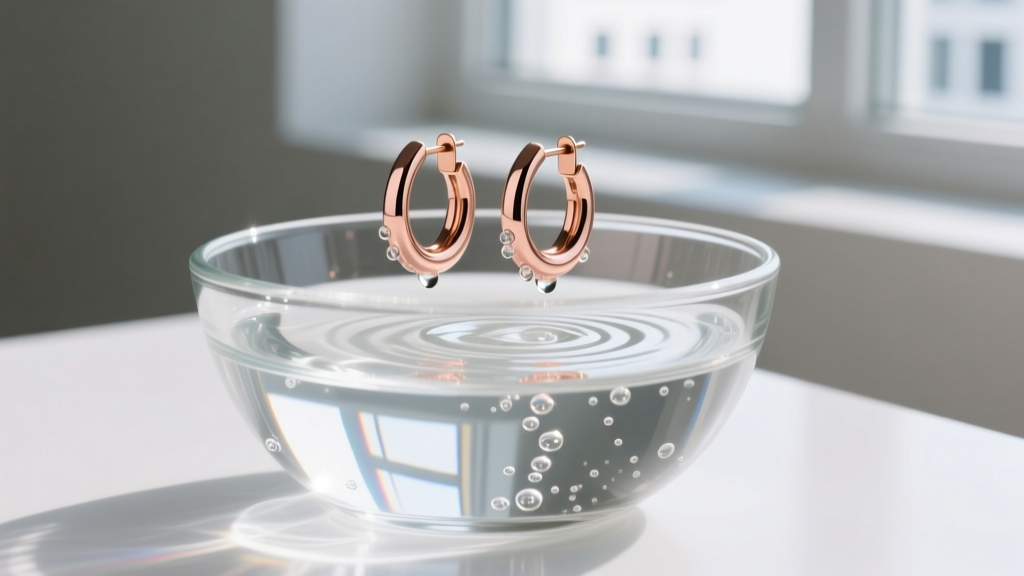
- Chlorine Degradation: While 316L steel resists chlorine well, prolonged exposure to heavily chlorinated hot tubs can slowly degrade the reactive gases in the PVD layer, causing a dull, hazy patina. Always remove PVD jewelry before entering a spa.
- Abrasive Polishing: Never use jeweler's rouge, baking soda, or abrasive polishing cloths on PVD jewelry. These compounds are designed to strip away microscopic layers of metal and will aggressively sand off the PVD coating. Use only warm water, mild dish soap, and a microfiber cloth.
- Friction Wear: Rings and bracelets experience constant friction against desks, keyboards, and weights. The coating will eventually wear thin on the contact points. To mitigate this, rotate your rings and avoid wearing PVD-coated pieces during heavy weightlifting sessions.
Final Verdict
PVD coated stainless steel jewelry represents the pinnacle of modern, accessible luxury. By prioritizing 316L surgical steel, verifying the micron thickness, and inspecting the quality of the base metal polish, you can curate a collection of gold, rose gold, or black jewelry that rivals the aesthetic of solid precious metals while maintaining the rugged durability required for daily wear. Armed with this technical knowledge, you can confidently navigate the 2026 market and invest in pieces that are engineered to last.


