316L Steel Jewelry: A Metallurgical Deep Dive & Buyer Guide
Discover the metallurgical properties of 316L steel jewelry. We analyze molybdenum content, corrosion resistance, gauge standards, and hypoallergenic limits.

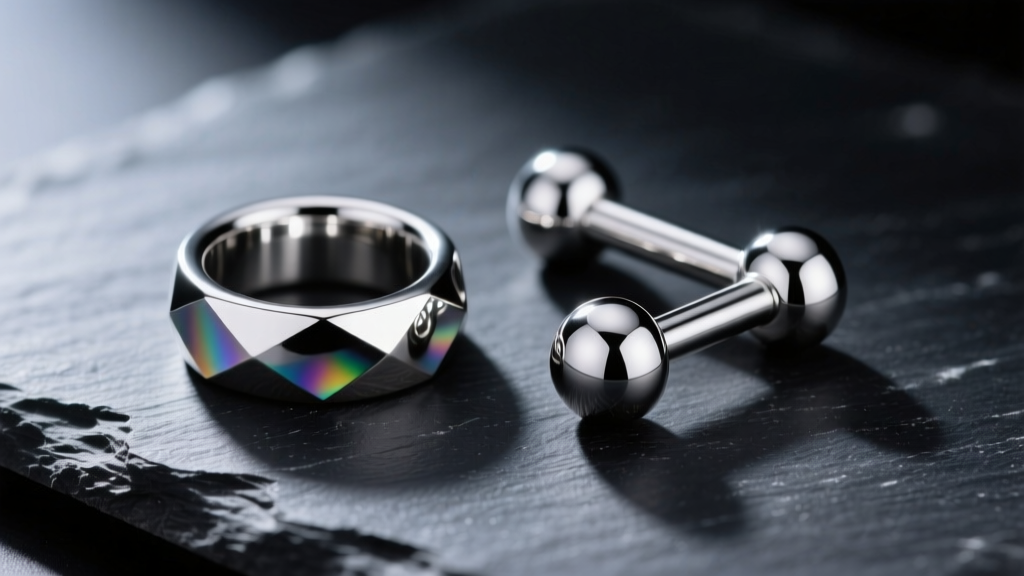
Most consumers see the term "surgical steel" and assume absolute biocompatibility. As metallurgists and body jewelry experts know, the term is largely a marketing construct rather than a strict scientific classification. True biocompatibility relies on precise alloy compositions, surface finishes, and passivation layers. In this expert deep dive, we deconstruct the material science behind 316l steel jewelry, examining its chemical anatomy, structural limitations, and exact use cases for both fashion and body modification.
The Alloy Anatomy: What Makes 316L "Surgical" Steel?
To understand the performance of 316l steel jewelry, we must first look at its elemental breakdown. 316L is an austenitic stainless steel, meaning its crystal structure is non-magnetic and highly ductile. The "L" stands for Low Carbon, indicating a carbon content of less than 0.03%. This reduction is critical: it prevents sensitization (chromium carbide precipitation at grain boundaries) during manufacturing or welding, which would otherwise lead to intergranular corrosion.
The corrosion resistance of this alloy relies on a microscopic, self-healing passive layer of chromium oxide (Cr2O3). This layer requires at least 10.5% chromium to form, but 316L contains between 16% and 18%. However, the true differentiator for body jewelry is the addition of Molybdenum (2.0% - 3.0%). Molybdenum specifically fortifies the passive layer against chloride ions, which are abundant in human sweat, sebum, and seawater. According to AZoM Materials Science, this molybdenum addition is what elevates 316L above standard stainless steels for prolonged dermal contact.
316L vs. 304 Stainless Steel: A Chemical Breakdown
Fashion jewelry brands often use 304 stainless steel to cut costs, falsely marketing it as safe for sensitive piercings. To quantify the difference, metallurgists use the Pitting Resistance Equivalent Number (PREN). The formula is: PREN = %Cr + 3.3(%Mo) + 16(%N). A higher PREN indicates superior resistance to localized pitting corrosion.
| Property | 304 Stainless Steel | 316L Stainless Steel | Titanium (Grade 23) |
|---|---|---|---|
| Molybdenum Content | 0% | 2.0 - 3.0% | 0% |
| PREN Score | ~19 | ~25 | N/A (Oxide layer differs) |
| Nickel Content | 8.0 - 10.5% | 10.0 - 14.0% | 0% |
| Chloride Resistance | Moderate | High | Exceptional |
| Primary Use Case | External fashion jewelry | Healed body piercings | Fresh piercings / Implants |
Hypoallergenic Realities: The Nickel Release Threshold
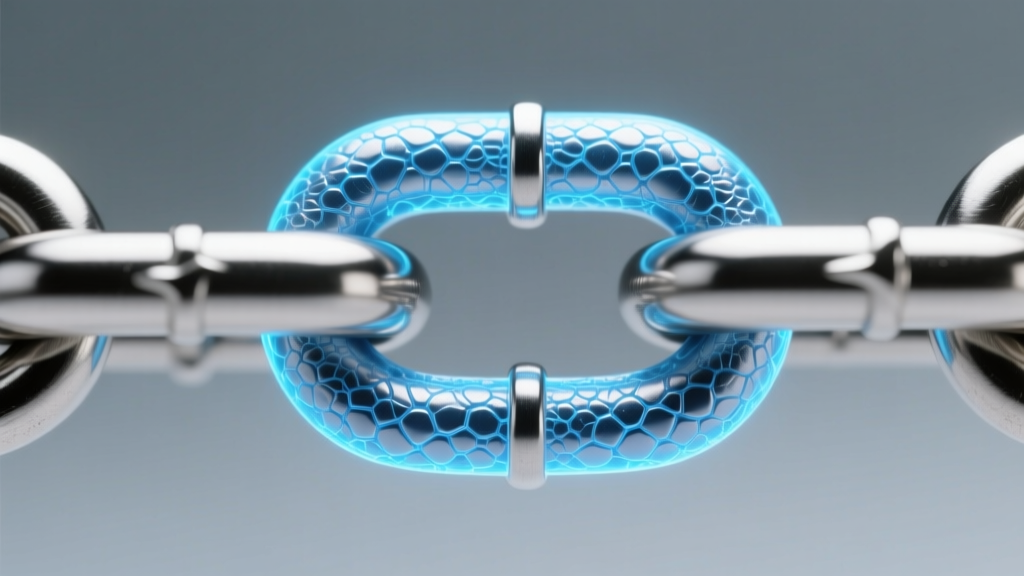
A pervasive myth in the jewelry industry is that 316L is "nickel-free." It is not. 316L contains up to 14% nickel, which acts as an austenite stabilizer to maintain the steel's crystalline structure. However, it is generally considered hypoallergenic because the chromium oxide passivation layer effectively traps the nickel inside the alloy matrix.
The European Union's REACH regulation (Annex XVII, Entry 27) strictly limits nickel migration from post-assembly jewelry to 0.5 µg/cm²/week. High-quality, mirror-polished 316l steel jewelry easily passes this threshold. However, research published in PubMed demonstrates that mechanical abrasion (scratches from daily wear) or highly acidic sweat can compromise the passive layer, leading to nickel ion leaching and subsequent allergic contact dermatitis. For individuals with severe, clinically diagnosed nickel allergies, 316L is contraindicated, and ASTM F138 implant-grade titanium should be utilized instead.
Gauge Standards and Structural Integrity in Body Jewelry
When selecting 316l steel jewelry for body piercings, understanding gauge thickness and threading mechanics is non-negotiable for tissue health. The structural rigidity of 316L makes it ideal for maintaining the straightness of barbells in high-movement areas.
- 14 Gauge (1.6mm): The standard for navel, tongue, and some industrial piercings. Provides maximum structural support to prevent migration.
- 16 Gauge (1.2mm): The standard for cartilage (helix, conch, tragus) and lip piercings (labret, Monroe).
- 18 Gauge (1.0mm): Used primarily for nostril and standard earlobe piercings.
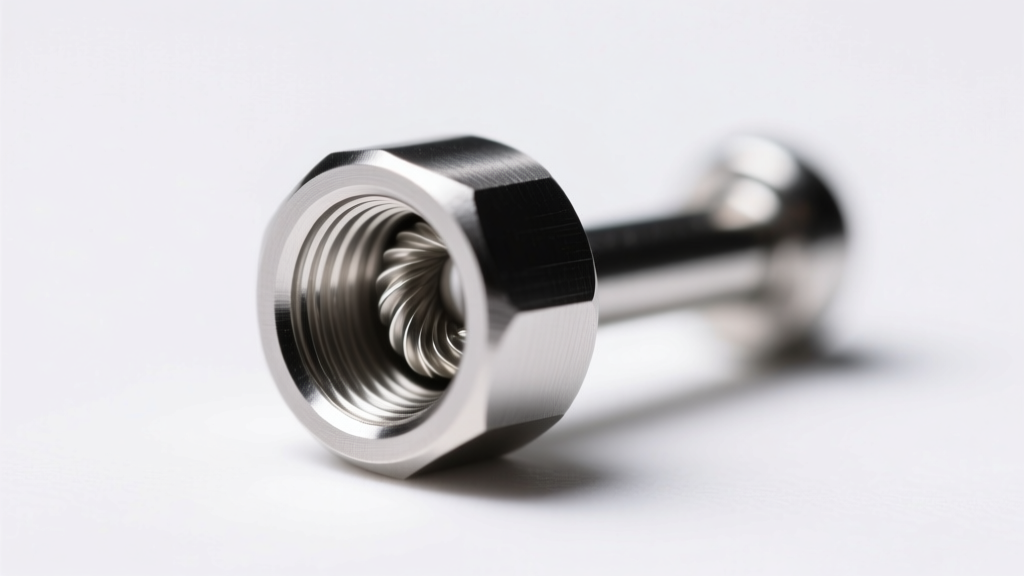
Critically, the threading of the jewelry dictates its safety. External threading (where the screw pattern is on the barbell itself) acts like a cheese wire, tearing the delicate fistula (piercing channel) during insertion. Expert piercers mandate internal threading (where the screw pattern is inside the decorative end) or threadless (push-pin) tension-fit designs. According to guidelines recognized by ASTM International, surface finishes on threaded components must be mirror-polished to eliminate microscopic harbors for bacteria.
Failure Modes: Pitting, Crevice Corrosion, and Galvanic Shock
While highly durable, 316L is not invincible. Understanding its failure modes helps in troubleshooting jewelry degradation:
- Crevice Corrosion: Occurs in stagnant, low-oxygen micro-environments. Poorly fitted captive bead rings (CBRs) or porous O-rings can trap dead skin and sebum, depleting the local oxygen required to maintain the Cr2O3 layer, leading to localized rust pits.
- Galvanic Corrosion: If a wearer mixes metals—for example, threading a 316L decorative end onto a Titanium barbell shaft—the saline environment of sweat acts as an electrolyte. This creates a micro-battery where the less noble metal (the steel) will undergo accelerated galvanic degradation.
- Chloride Pitting: Prolonged exposure to heavily chlorinated swimming pools without post-exposure cleaning can overwhelm the molybdenum defenses, resulting in microscopic surface pitting that harbors pathogens.
Expert Verdict: When to Choose 316L and When to Upgrade
"316L remains the workhorse of the body jewelry industry, offering an unmatched balance of tensile strength, machinability, and cost-efficiency. However, it is a material for healed tissue, not a universal cure-all for metal sensitivities."
For standard fashion jewelry, healed earlobes, and robust cartilage piercings, high-quality 316l steel jewelry is an exceptional, durable choice. Buyers should always verify that the pieces feature internal threading or threadless mechanisms and boast a mirror finish. However, for fresh, unhealed piercings, oral jewelry (where the environment is highly acidic and enzyme-rich), or wearers with known contact dermatitis, upgrading to Grade 23 (Ti-6Al-4V) ELI titanium or solid 14k/18k nickel-free gold is the only scientifically sound decision.


