Stainless Steel Wire for Jewelry: 2026 Cost & Value Guide
Evaluate the true cost of stainless steel wire for jewelry. Compare 316L vs 304 grades, gauge pricing, and temper value for DIY makers.

The Real Cost of Stainless Steel Wire for Jewelry
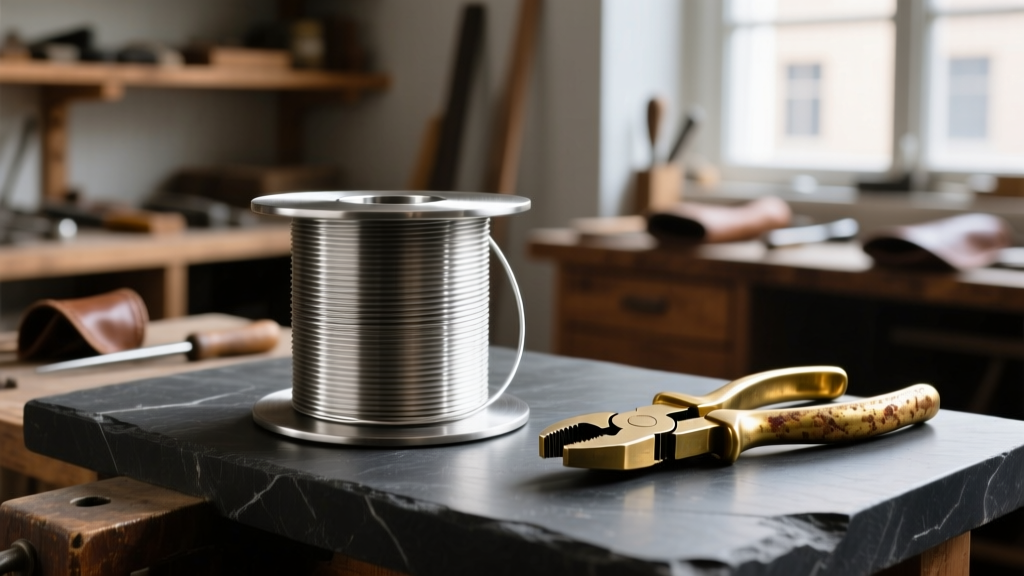
As precious metal prices continue their volatile climb through 2026, independent jewelers and hobbyist wire-wrappers are increasingly pivoting toward alternative metals. Among these, stainless steel wire for jewelry has emerged as a dominant force, offering a brilliant, tarnish-resistant finish at a fraction of the cost of sterling silver or gold-filled alternatives. However, assessing the true value of this material requires looking far beyond the initial price tag per spool.
When evaluating your budget for wire-based jewelry making, you must account for metallurgical grades, work-hardening behaviors, and the hidden capital expenditure required for specialized tooling. A cheap spool of wire can quickly become a false economy if it pits against the skin, snaps during weaving, or destroys your flush cutters. This comprehensive value assessment breaks down the exact specifications, market pricing, and long-term ROI of working with stainless steel wire.
316L vs. 304: Is the Premium Worth It?
The most critical budget decision you will make is choosing between the two primary grades of stainless steel available on the market: 304 and 316L. While 304 stainless steel is widely used in industrial applications and is marginally cheaper, it lacks the specific alloying elements required for long-term dermal contact and high-moisture environments.
316L, often referred to as surgical steel, contains an addition of 2% to 3% molybdenum. This specific element drastically increases the metal's resistance to pitting corrosion caused by chlorides, sweat, and seawater. For jewelry makers, selling or wearing a piece that develops microscopic rust spots or causes contact dermatitis is a catastrophic failure of value, regardless of how little you paid for the raw wire. The "L" in 316L stands for "low carbon," which further prevents carbide precipitation during any soldering or heat-treating processes you might attempt.
| Metric | 316L Surgical Steel | 304 Commercial Steel | Sterling Silver (Baseline) |
|---|---|---|---|
| Cost per 100ft (24ga) | $12.00 - $16.00 | $7.00 - $10.00 | $85.00 - $110.00 |
| Corrosion Resistance | Exceptional (Molybdenum) | Moderate (Prone to pitting) | Poor (Tarnishes rapidly) |
| Hypoallergenic Rating | High (Safe for most) | Low (Nickel exposure risk) | Moderate (Copper alloys) |
| Long-Term Value | Excellent | Poor for Jewelry | High (Intrinsic melt value) |
From a strict value perspective, the $5 to $8 savings per spool on 304 wire is entirely negated by the high rate of customer returns and product degradation. Always allocate your budget toward certified 316L wire.
Gauge and Temper: How Specs Dictate Price and Utility
Understanding wire temper is just as vital to your budget as the gauge size. Stainless steel has a high tensile strength and work-hardens significantly faster than copper or silver. According to metallurgical guidelines from Ganoksin, the mechanical stress of bending stainless steel rapidly alters its crystalline structure, making it brittle if over-manipulated.
Dead Soft vs. Half-Hard
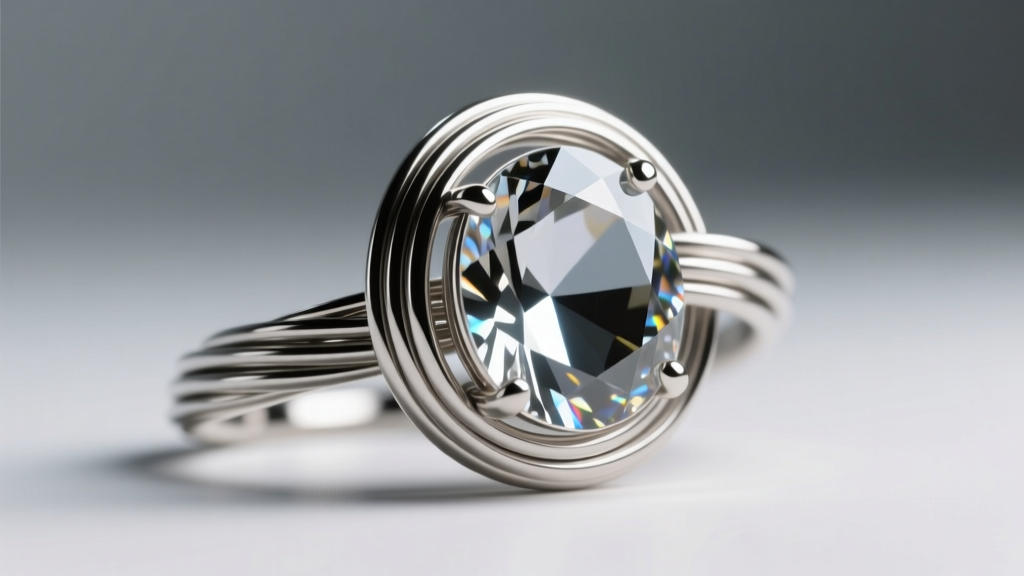
- Dead Soft: This wire has been annealed to maximize malleability. It is essential for intricate wire weaving, chainmaille, and tight cabochon wrapping. However, it will work-harden quickly as you manipulate it. Budget for a higher waste percentage, as mistakes often require cutting the wire rather than unbending it.
- Half-Hard: This temper has been cold-worked to provide a balance of flexibility and structural memory. It is the mandatory choice for crafting jump rings, ear wires, and clasps. While slightly more expensive per spool due to the extra drawing process, it saves time and reduces structural failures in your finished pieces.
When sourcing from premium suppliers like Rio Grande, you will notice that half-hard 316L wire commands a 10% to 15% premium over dead soft. This premium is a worthwhile investment for structural components, but you should strictly buy dead soft for high-yardage weaving projects to keep your overhead low.
The Hidden Cost: Tool Wear and Tear
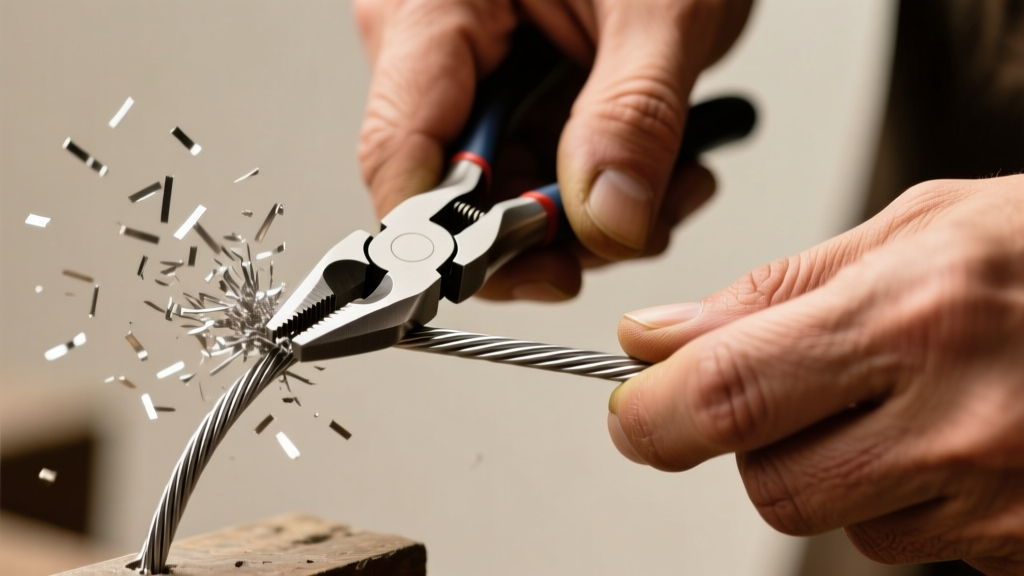
The most frequently overlooked factor in the budget assessment of stainless steel wire for jewelry is its devastating effect on standard jewelry tools. Stainless steel is exceptionally hard and abrasive. If you attempt to cut 18-gauge or thicker stainless steel wire with standard carbon-steel craft cutters, you will instantly notch and ruin the blades.
To maintain a profitable studio, you must invest in induction-hardened steel or tungsten carbide flush cutters. Brands like Tronex or Lindstrom manufacture cutters specifically designed for aerospace and medical-grade wires. While a standard pair of craft cutters might cost $15, a pair of hardened Lindstrom RX cutters will cost between $55 and $85. Amortized over hundreds of spools of wire, this tooling cost is negligible, but it represents a high barrier to entry for beginners. Factor a one-time $100 tooling upgrade into your initial business budget to prevent ongoing replacement costs.
Bulk vs. Boutique: Where to Source for Maximum ROI
Where you purchase your stainless steel wire for jewelry drastically impacts your bottom line. The market is segmented into three primary tiers:
- Industrial Wire Suppliers: Companies that sell wire by the pound or half-pound spool. This is where you achieve the lowest cost-per-foot, often dropping the price of 24-gauge 316L wire to under $8 per 100 feet. The trade-off is that the wire may not be perfectly spooled, requiring you to manage tangles, and it rarely comes with a certified hypoallergenic guarantee.
- Premium Jewelry Suppliers: Dedicated jewelry distributors offer perfectly spooled, certified 316L wire in precise gauges. You pay a 40% markup for the convenience, quality control, and accurate temper labeling. For professional makers selling to the public, this markup is a necessary insurance policy against material defects.
- Marketplace Vendors (Amazon/AliExpress):strong> While tempting due to rock-bottom prices, these sources frequently mislabel 304 wire as 316L. The budget savings are entirely wiped out if your jewelry causes skin reactions. Avoid these for any commercial jewelry production.
Final Verdict: Maximizing Your Wire Budget
Stainless steel wire for jewelry represents one of the highest ROI materials available to modern makers, provided you respect its metallurgical realities. By strictly limiting your purchases to 316L surgical steel, matching the correct temper to your specific structural needs, and investing in hardened cutting tools upfront, you can produce premium, tarnish-free jewelry with profit margins that far exceed traditional precious metals. In the 2026 market, value is not about buying the cheapest wire; it is about buying the right wire that protects your brand reputation and minimizes studio waste.


