Does Titanium Jewelry Tarnish? The Complete Beginner's Guide
Discover if titanium jewelry tarnishes over time. Learn about Grade 2 vs. Grade 5 titanium, care tips, and why it outlasts silver and copper.

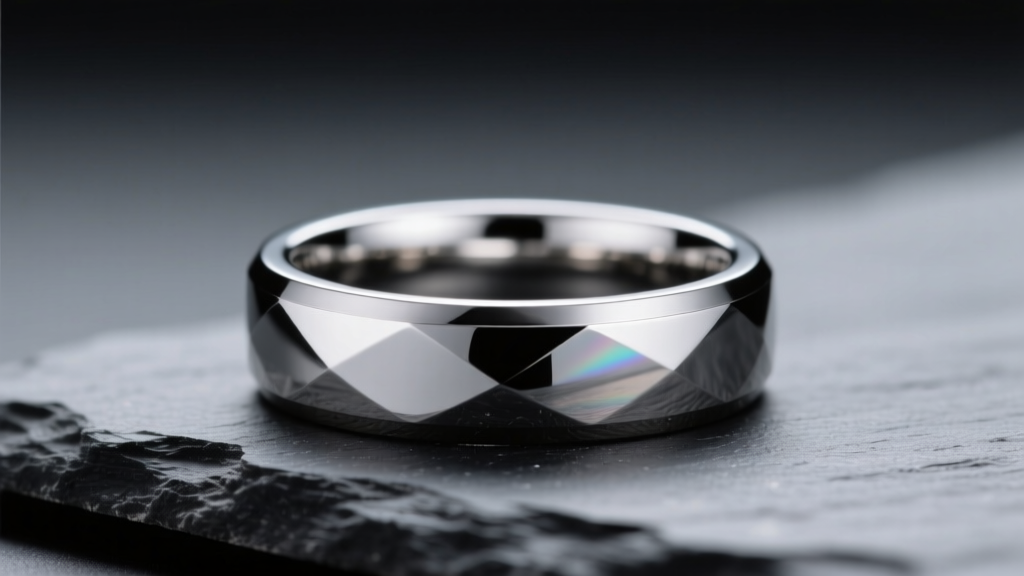
The Short Answer: Does Titanium Jewelry Tarnish?
When investing in everyday accessories, one of the most common questions beginners ask is: does titanium jewelry tarnish? The short answer is no. Unlike sterling silver, which reacts with sulfur in the air to form a dark, dull layer of silver sulfide, or copper, which oxidizes into a green patina, titanium is remarkably resistant to tarnish, rust, and corrosion. However, to truly understand why this metal remains a favorite for both body piercings and wedding bands in 2026, we need to look past the surface and dive into the metallurgical science that makes titanium virtually indestructible in everyday environments.
The Science Behind Titanium's Tarnish Resistance
Tarnish is essentially a chemical reaction between a metal and environmental elements like oxygen, moisture, or sulfur. While it is true that titanium is a highly reactive metal, its reactivity is actually its greatest defense mechanism. When exposed to oxygen, titanium instantly forms a microscopic, incredibly dense layer of titanium dioxide (TiO2) on its surface.
The Self-Healing Oxide Layer
This passive oxide layer is what separates titanium from traditional jewelry metals. According to materials science research published by AZoM, this titanium dioxide film is mere nanometers thick, yet it is completely impervious to water, salt, and most acids. If you scratch a titanium ring, the metal beneath is immediately exposed to oxygen in the air, and the protective oxide layer reforms in milliseconds. This self-healing property means that the metal will never corrode, rust, or tarnish from the inside out.
Grade 2 vs. Grade 5 Titanium: Which Should You Buy?
Not all titanium jewelry is created equal. When shopping, you will typically encounter two main grades of titanium. Understanding the difference is crucial for ensuring you get the right piece for your specific needs, whether it is a fresh body piercing or a heavy-duty wedding band.
| Feature | Grade 2 (ASTM F67) | Grade 5 (ASTM F136 / Ti-6Al-4V) |
|---|---|---|
| Composition | Commercially Pure Titanium | Titanium Alloy (6% Aluminum, 4% Vanadium) |
| Tarnish Resistance | Excellent | Excellent |
| Strength & Hardness | Softer, easier to bend | Extremely hard, highly scratch-resistant |
| Best Use Case | Fresh piercings, lightweight earrings | Wedding bands, rings, threaded jewelry |
| Average Price Range | $15 - $45 | $50 - $150+ |
For body jewelry, especially for initial piercings, Grade 2 or implant-grade titanium is preferred due to its absolute biocompatibility, as noted in studies by the National Center for Biotechnology Information (NCBI). For rings and bracelets that endure daily physical impact, Grade 5 is the superior choice because its alloyed composition resists scratching far better than pure titanium.
The Anodized Titanium Caveat: Color Fading vs. Tarnishing
While the base metal will never tarnish, many beginners confuse color fading with tarnishing. Titanium can be anodized—a process that uses electricity to thicken the natural oxide layer, creating vibrant colors like blue, purple, gold, and green without using any dyes or plating. Because anodizing alters the metal's surface structure rather than adding a foreign coating, it will never flake or peel like gold-plated silver.
Pro-Tip for Anodized Pieces: While anodized titanium won't tarnish, the colored oxide layer can wear thin over years of heavy friction (such as on the inside of a ring or the post of an earring). When this happens, the metal doesn't tarnish; it simply reverts to its natural, polished silver-gray color.
How to Clean and Maintain Titanium Jewelry
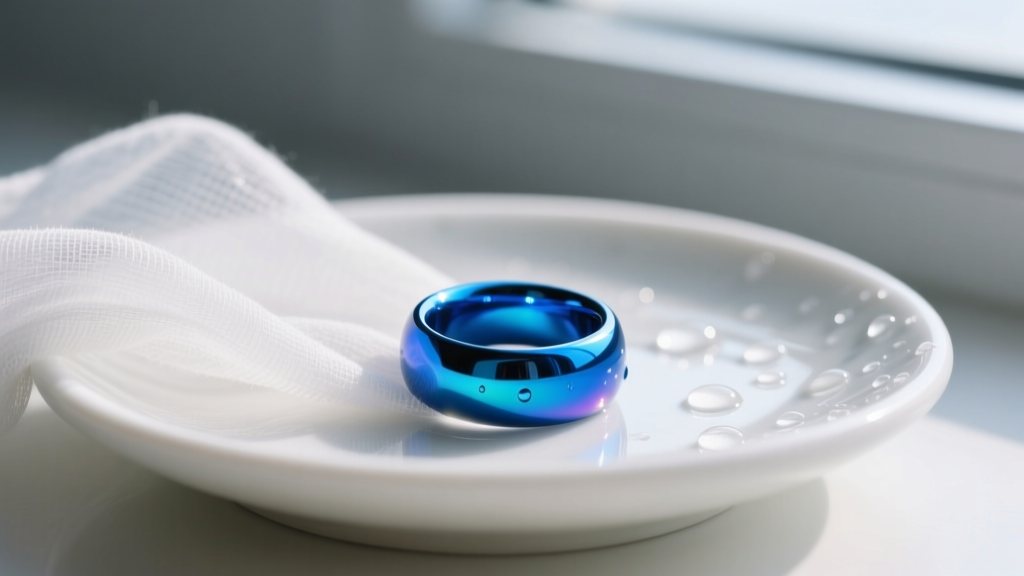
Because titanium does not tarnish, your cleaning routine is entirely focused on removing environmental buildup—such as lotion, dead skin cells, soap scum, and natural body oils—that can make the metal look dull. Here is the safest, most effective method to restore your titanium's factory shine:
- Step 1: The Soak. Mix a few drops of mild, fragrance-free dish soap into a bowl of warm (not hot) water. Let the jewelry soak for 5 to 10 minutes to loosen debris.
- Step 2: The Scrub. Use a brand-new, ultra-soft baby toothbrush to gently brush the jewelry, paying special attention to the inside of rings or the threading on body jewelry posts.
- Step 3: The Rinse. Rinse thoroughly under warm running water to ensure no soap residue remains.
- Step 4: The Dry. Pat dry with a clean microfiber cloth. Avoid paper towels, as their wood pulp fibers can leave micro-scratches on highly polished Grade 5 titanium.
Warning: Never use harsh chemical dips, bleach, or silver polishing cloths on titanium. Silver polishes contain mild abrasives and chemicals designed to strip sulfides, which are completely unnecessary and potentially damaging to anodized titanium colors.
Titanium vs. Sterling Silver vs. Tungsten: A Tarnish Showdown
To put titanium's low-maintenance nature into perspective, here is how it stacks up against other popular jewelry metals in 2026:
- Sterling Silver (925): High maintenance. Prone to rapid tarnishing when exposed to humidity, sweat, and sulfur. Requires frequent polishing.
- Tungsten Carbide: Zero tarnish. Extremely scratch-resistant but brittle. If dropped on a hard tile floor, a tungsten ring can shatter, whereas titanium will merely dent or scratch.
- Titanium: Zero tarnish. Highly malleable (won't shatter), lightweight, and biocompatible. The ultimate middle ground for durability and safety.
Final Verdict for First-Time Buyers
If you are looking for a 'buy it and forget it' metal, titanium is arguably the best option on the market. It will never turn your skin green, it will never rust in the shower, and it will never succumb to the dark, cloudy tarnish that plagues silver collections. By choosing the correct grade for your specific needs and sticking to a simple soap-and-water cleaning routine, your titanium jewelry will easily outlast you, maintaining its structural integrity and sleek aesthetic for a lifetime.


