Heart to Heart Fine Jewelry: A Beginner's Guide to Sentimental Gold
Discover the magic of heart to heart fine jewelry. Learn how to choose heirloom-quality 14k and 18k gold sentimental pieces that last a lifetime.

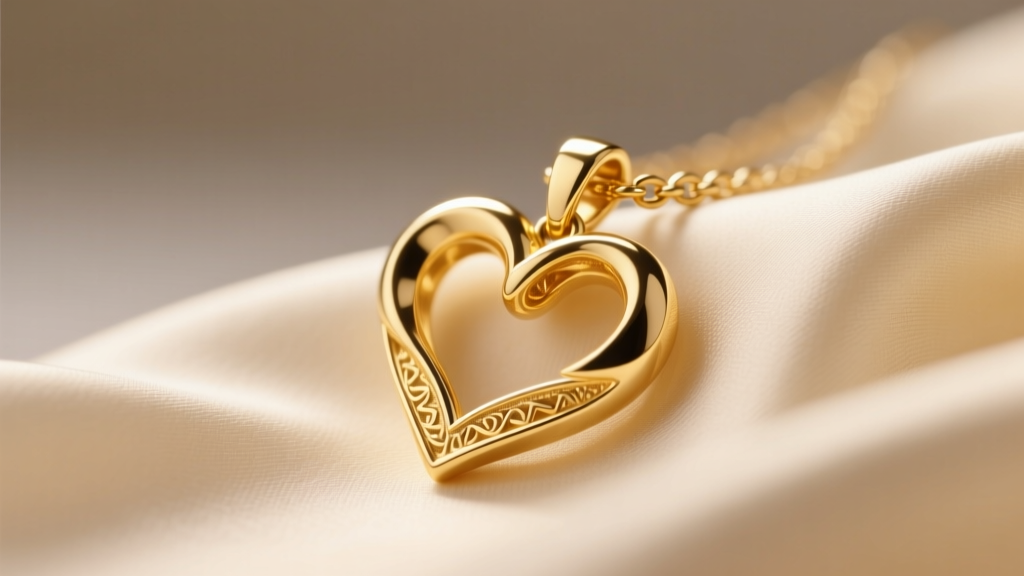
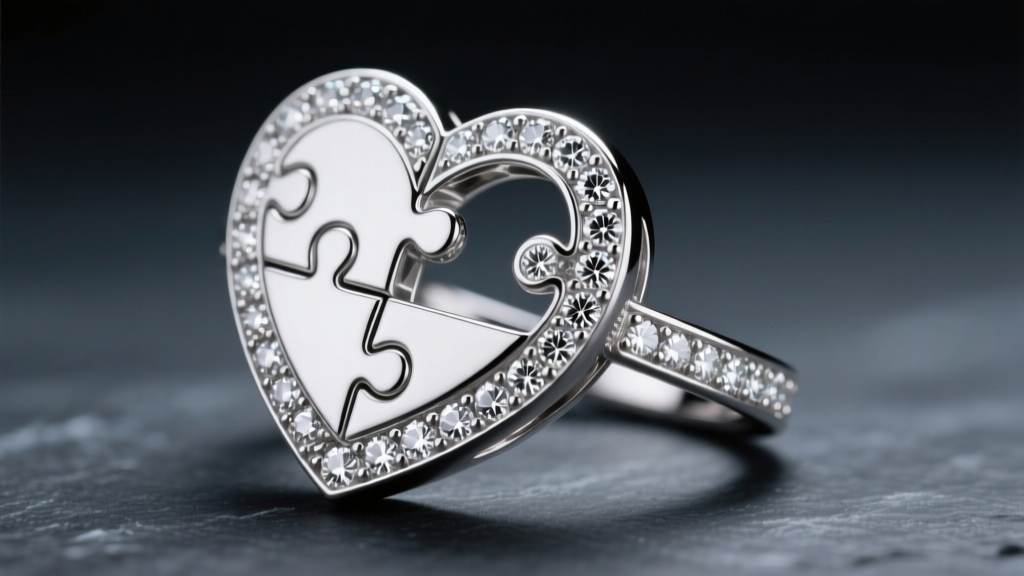
When it comes to building a meaningful jewelry collection, few concepts resonate as deeply as the idea of connection. The phrase heart to heart fine jewelry represents more than just a romantic motif; it signifies a commitment to heirloom-quality materials, sentimental design, and pieces meant to be passed down through generations. For beginners stepping away from fast fashion and plated costume accessories, understanding how to select genuine fine jewelry is essential. Whether you are investing in interlocking puzzle hearts, bespoke engraved lockets, or birthstone-studded charms, this guide will help you navigate the transition from fashion accessories to lifelong treasures.
What Defines 'Heart to Heart' Fine Jewelry?
In the jewelry industry, the term 'fine jewelry' is strictly regulated. According to the Federal Trade Commission (FTC) Jewelry Guides, fine jewelry must be crafted from solid precious metals—such as gold, platinum, or palladium—and feature genuine, naturally occurring, or lab-created precious gemstones. 'Heart to heart' pieces elevate this definition by focusing on emotional resonance. These are not mere trends; they are symbolic representations of bonds, often featuring interlocking elements, hidden compartments, or dual-metal constructions that represent two individuals coming together.
Unlike demi-fine jewelry, which typically relies on heavy gold vermeil (a thick layer of gold over sterling silver) or gold-filled brass, true fine jewelry will never flake, tarnish, or turn your skin green. It is designed to withstand decades of daily wear, making it the only appropriate medium for deeply sentimental, connection-based designs.
Material Matters: Decoding Karats and Metals
The foundation of any enduring piece of heart to heart fine jewelry is its metal. Pure 24k gold is too soft for everyday wear, especially for intricate interlocking designs that experience friction. Therefore, jewelers alloy gold with metals like copper, zinc, and silver to increase durability. Understanding these alloys is your first step toward making an informed purchase.
| Metal Type | Purity | Durability | Best For | Price Tier |
|---|---|---|---|---|
| 14k Yellow Gold | 58.5% Gold | High | Everyday puzzle pendants, active lifestyles | $$ |
| 18k Yellow Gold | 75.0% Gold | Medium-High | Rich color, luxury heirloom lockets | $$$ |
| Platinum (950) | 95.0% Platinum | Very High | Diamond-set hearts, hypoallergenic needs | $$$$ |
| 14k Rose Gold | 58.5% Gold + Copper | High | Vintage aesthetics, warm skin tones | $$ |
For beginners, 14k gold is often the sweet spot. It offers excellent scratch resistance and a lower price point, allowing you to allocate more of your budget toward higher-quality gemstones or heavier chain weights. However, if you desire that deep, buttery yellow hue that screams luxury, 18k gold is the industry standard for high-end sentimental pieces.
Gemstone Selection for Sentimental Pieces
Many heart to heart designs incorporate birthstones or anniversary gems to personalize the connection. However, not all gemstones are created equal when it comes to longevity. The GIA Gem Encyclopedia uses the Mohs scale of mineral hardness to grade a stone's resistance to scratching. When selecting a stone for a pendant or ring meant to be worn daily, hardness is paramount.
The Durability Hierarchy
- Diamonds (Mohs 10): The ultimate choice for eternity. Ideal for pave-set interlocking hearts or central solitaire stones.
- Sapphires & Rubies (Mohs 9): Made of corundum, these are exceptionally durable and perfect for colorful birthstone accents.
- Spinels & Topaz (Mohs 8): Good for occasional wear, but may accumulate micro-scratches over years of daily use.
- Opals & Pearls (Mohs 2.5 - 6.5): Beautiful but fragile. Avoid using these in rings or bracelets that are prone to impact. If used in a heart pendant, ensure they are set in a protective bezel rather than exposed prongs.
Chain Anatomy: Supporting the Weight of Connection
A common beginner mistake is pairing a heavy, solid gold heart pendant with a flimsy, hollow chain. The chain is the structural lifeline of your jewelry. For heart to heart fine jewelry, which often features dense, multi-part metalwork, you need a chain that matches the pendant's weight and emotional significance.
- Box Chains: Composed of square links, these are incredibly strong and lie flat against the skin. They are the best choice for heavy interlocking pendants.
- Wheat (Spiga) Chains: Featuring woven, teardrop-shaped links, wheat chains offer a vintage, romantic aesthetic with high tensile strength.
- Rope Chains: Twisted links that catch the light beautifully. Ensure you choose a solid,
hollow rope chain to prevent kinking.
Always check the clasp. A standard spring-ring clasp is fine for lightweight chains, but for substantial fine jewelry, insist on a lobster claw clasp or a hidden box clasp with a safety figure-eight catch. This ensures your sentimental investment(sic) secure around your neck.

Pricing Tiers: What to Expect
Transitioning from fashion to fine jewelry requires a shift in budget expectations. While a brass heart pendant with cubic zirconia might cost $30, authentic heart to heart fine jewelry is an investment in raw commodities and master craftsmanship. Here is a realistic pricing framework for solid gold sentimental pieces in the current market:
- Entry-Level Fine ($250 - $600): Solid 14k gold, lightweight (1-3 grams), minimal or no gemstones. Examples include simple stamped heart discs or small, solid cast puzzle pendants.
- Mid-Tier Heirloom ($600 - $1,500): Solid 14k or 18k gold, substantial weight (4-10 grams), featuring high-quality melee diamonds or genuine sapphires. This tier often includes intricate milgrain detailing or hand-engraving.
- High-End Bespoke ($1,500 - $5,000+): Platinum or heavy 18k gold, custom-designed interlocking mechanisms, featuring GIA-certified center stones or rare, unheated colored gemstones.
How to Spot Authentic Fine Jewelry (Beginner Checklist)
When shopping for heart to heart fine jewelry, especially from independent artisans or estate sales, you must verify the materials. Never rely solely on the seller's word. Use this practical checklist to ensure you are getting what you pay for:
- Locate the Hallmark: Use a jeweler's loupe (10x magnification) to inspect the clasp, the inside of the ring band, or the back of the pendant bail. Look for '14K', '18K', '750' (the European mark for 18k), or 'PT950'.
- Check for Maker's Marks: Authentic fine jewelry usually bears the stamp of the manufacturer or designer alongside the metal purity mark.
- The Magnet Test: Gold and platinum are non-magnetic. If your 'solid gold' heart pendant sticks to a strong neodymium magnet, the core is likely a ferrous metal like steel or iron.
- Assess the Weight: Precious metals are dense. A solid gold piece will feel noticeably heavier than a gold-plated brass piece of the exact same dimensions.
Caring for Your Emotional Investments
Fine jewelry requires mindful maintenance to preserve its brilliance. For intricate heart to heart designs with crevices and interlocking parts, dirt and lotion can easily accumulate. Clean your pieces bi-weekly using a solution of warm water and a few drops of mild, phosphate-free dish soap. Use a soft-bristled baby toothbrush to gently agitate the dirt from behind the gemstones and between the interlocking metal loops. Avoid ultrasonic cleaners if your piece features fracture-filled diamonds, emeralds, or opals, as the high-frequency vibrations can shatter these delicate stones.
By prioritizing solid metals, durable gemstones, and robust structural components, you ensure that your heart to heart fine jewelry remains a pristine, tangible symbol of your most cherished connections for decades to come.