Define Costume Jewelry: A Material Properties Guide
Learn how to define costume jewelry by examining base metals, plating microns, and simulated stones. Compare material properties across fashion tiers.

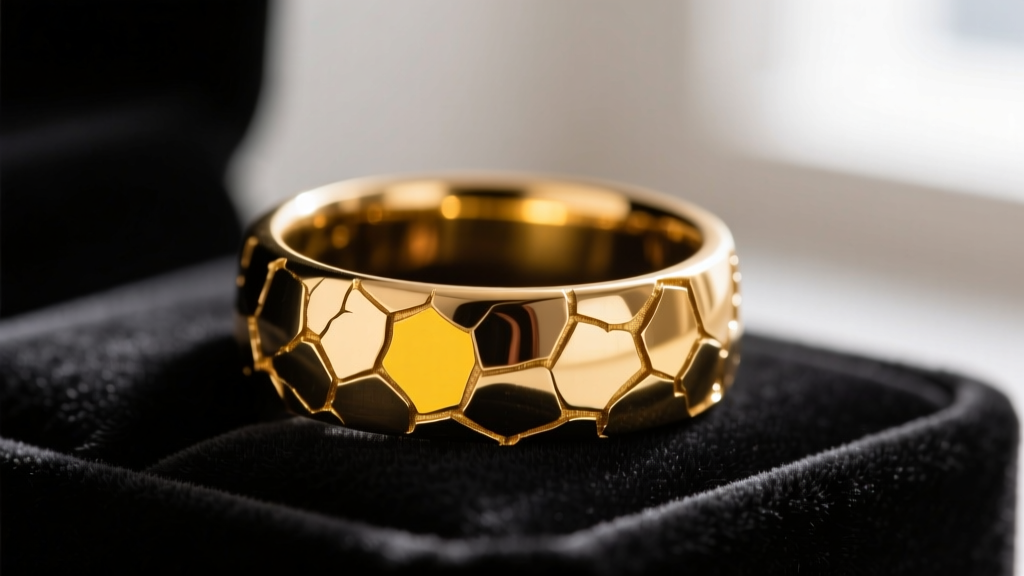
When building a curated collection, understanding the metallurgy behind your accessories is just as crucial as the aesthetic design. If you are trying to define costume jewelry from a material science perspective, you must look past the visual appeal and examine the base alloys, electroplating micron thicknesses, and simulated gemstones. In 2026, the line between demi-fine and high-end fashion jewelry continues to blur, making material literacy essential for both collectors and everyday wearers. This guide breaks down the exact chemical and structural properties that separate trend-driven fashion pieces from generational fine jewelry.
How Industry Standards Define Costume Jewelry
According to the Federal Trade Commission (FTC), jewelry classification hinges heavily on the intrinsic value and composition of the materials used. To accurately define costume jewelry, we must classify it as adornment crafted primarily from base metals, non-precious alloys, and synthetic or simulated stones, often finished with a superficial layer of precious metal plating. Unlike fine jewelry, which relies on solid 14k/18k gold or platinum and natural diamonds, costume pieces prioritize trend-driven designs, bold silhouettes, and affordability over generational longevity.
The Base Metal Matrix: Brass, Zinc, and Pewter
The structural integrity of any fashion piece begins with its core alloy. High-quality costume jewelry typically utilizes jeweler's brass (an alloy of roughly 70% copper and 30% zinc) due to its excellent malleability, tensile strength, and ability to take a high polish before plating. Brass provides a relatively smooth surface, which is critical for electroplating adhesion.
Conversely, mass-market, ultra-low-cost pieces often rely on zinc alloys (like Zamak) or pewter. While Zamak is incredibly cheap to cast and allows for intricate, heavy designs, it is highly porous and brittle. This porosity leads to a higher rate of structural failure (snapping under tension) and poor plating adhesion, as the electroplated ions struggle to bond evenly with the microscopic pits in the zinc surface.
The Plating Hierarchy: Flash vs. Micron Thickness
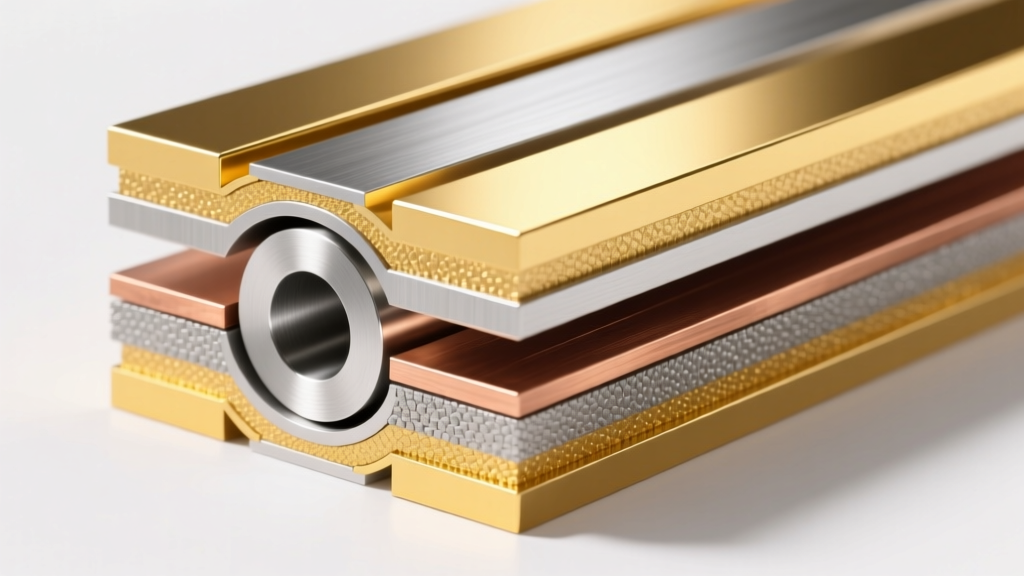
The most critical differentiator in fashion jewelry is the electroplating process. Plating thickness is measured in microns (one-millionth of a meter). Understanding this metric is vital when you define costume jewelry tiers, as it directly dictates the piece's lifespan and resistance to wear.
| Plating Tier | Thickness (Microns) | Base Metal Prep | Expected Lifespan | Common Use Case |
|---|---|---|---|---|
| Flash Plating | < 0.1 microns | Minimal polishing | 1 - 3 months | Fast fashion, single-use event jewelry |
| Standard Electroplate | 0.5 - 1.0 microns | Copper strike layer | 6 - 12 months | Mid-tier mall brands, seasonal trends |
| Heavy Gold Electroplate (HGE) | 2.5+ microns | Nickel/Palladium barrier | 2 - 5 years | Designer costume, high-end demi-fine |
Galvanic Corrosion and the Nickel Barrier
To prevent the base metal from migrating through the gold or silver finish—a process known as galvanic corrosion—manufacturers use a barrier layer. Historically, nickel was the industry standard due to its bright, hard finish. However, due to high rates of contact dermatitis and strict regulations like the EU Nickel Directive, modern high-quality fashion brands have pivoted to palladium or thick copper strike layers. If a piece of costume jewelry leaves a green or black mark on your skin, it is usually the result of the copper or brass core oxidizing and reacting with the acids in your sweat once the microscopic flash plating has worn away.
Simulated vs. Synthetic Gemstones
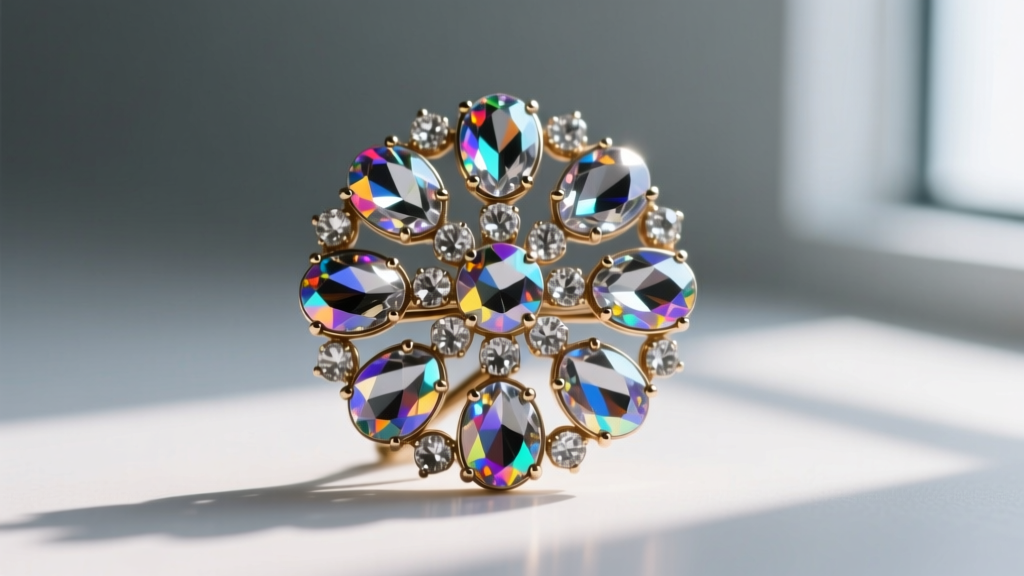
The Gemological Institute of America (GIA) strictly distinguishes between synthetic and simulated stones. Synthetic stones (like lab-grown diamonds or hydrothermal emeralds) share the exact chemical and optical properties of their natural counterparts. Costume jewelry, however, almost exclusively uses simulants—materials that merely mimic the visual appearance of a gemstone.
- Glass and Rhinestones: Often backed with metallic foil to increase light reflection. Leaded glass (like vintage Swarovski) offers a higher refractive index (RI of ~1.7) compared to standard soda-lime glass (RI of ~1.5), resulting in superior sparkle.
- Cubic Zirconia (CZ):strong> The most common diamond simulant in fashion jewelry. While it boasts high brilliance (RI of 2.15), CZ is highly oleophilic, meaning it attracts skin oils and lotions, which quickly dulls its fire if not cleaned regularly.
- Acrylic and Resin: Used for opaque or brightly colored statement pieces. These polymers are lightweight but highly susceptible to micro-scratching and UV degradation, which can cause yellowing over time.
Failure Modes: Why Fashion Pieces Degrade
Understanding how costume jewelry fails allows you to make better purchasing decisions. The primary enemy of plated base metals is not water itself, but the chemical compounds dissolved within it. Human sweat has a pH ranging from 4.0 to 7.0 and contains urea, ammonia, and lactic acid. When sweat becomes trapped between the skin and a porous zinc alloy ring, it creates an electrolytic cell that rapidly accelerates the oxidation of the base metal.
Furthermore, the mechanical failure of prong-set simulants is common in fashion jewelry. Because base metals like brass and pewter lack the 'memory' and tensile strength of platinum or 14k gold, prongs can easily bend outward upon impact, leading to lost stones. Glue-set stones, a common shortcut in lower-tier costume pieces, will inevitably fail when exposed to the solvents found in perfumes and hand sanitizers.
Actionable Care Framework for Plated Alloys
To extend the lifespan of your fashion jewelry, you must adopt a proactive maintenance routine that respects the material limitations of plated alloys:
The Golden Rule: Always put your costume jewelry on last and take it off first. Aerosol hairsprays contain alcohols and polymers that create a cloudy, irreversible film over cubic zirconia and can chemically strip flash plating.
Never use ultrasonic cleaners or harsh chemical dips on costume jewelry. The high-frequency vibrations can shatter foil-backed glass rhinestones and strip delicate gold electroplating. Instead, clean your pieces using a few drops of mild, phosphate-free dish soap and lukewarm water. Gently agitate with a baby-soft toothbrush, rinse quickly, and immediately pat dry with a microfiber cloth. For long-term storage, keep plated pieces in airtight ziplock bags with a silica gel desiccant packet to control ambient humidity and halt the oxidation of the underlying brass or copper core.


